Last week I wrote about the men who returned from Dunkirk and what happened after they disembarked at Dover, but obviously one of the important things for my story, which is about women working in the Great Western Railway factory in Swindon, is to find out about what they knew and heard and the emotional situation for those at home. What were the things that impacted the women in their homes and workplaces after France was invaded, and after the men returned?
When I read the GWR staff magazine articles, personal accounts of the time, and the local paper articles for that period, firstly what came across was the anxiety people felt when Germany invaded France. Throughout the weeks the German army raced across France, emotions and fear ran particularly high in the UK. Before that, many people had thought the war would not progress, many had been calling it phoney and a load of old nonsense, for months. Then suddenly the Allied forces were losing, people’s husbands, fathers, brothers, sons, friends and boyfriends were dying and there was nothing the army could do to stop the Germans.
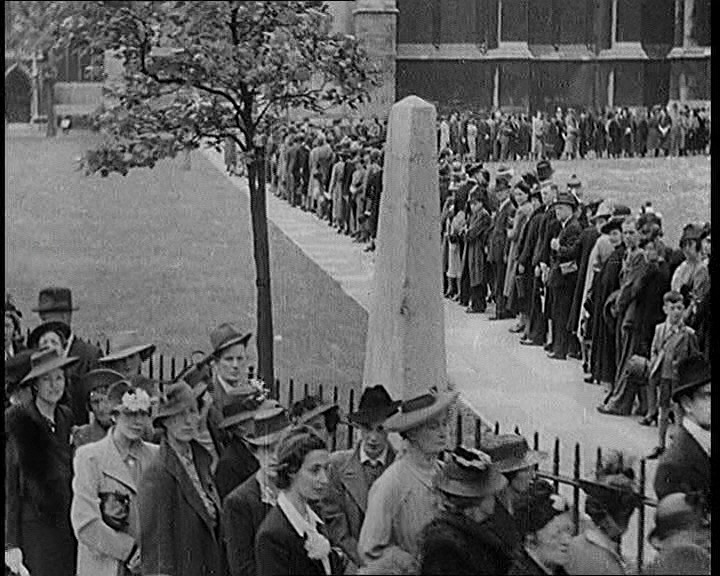
The hope of saving France was so slight, The King announced a day of prayer and people who never normally prayed queued in their thousands outside churches to pray for peace. Then Churchill declared the retreat and evacuation of the Allied forces…
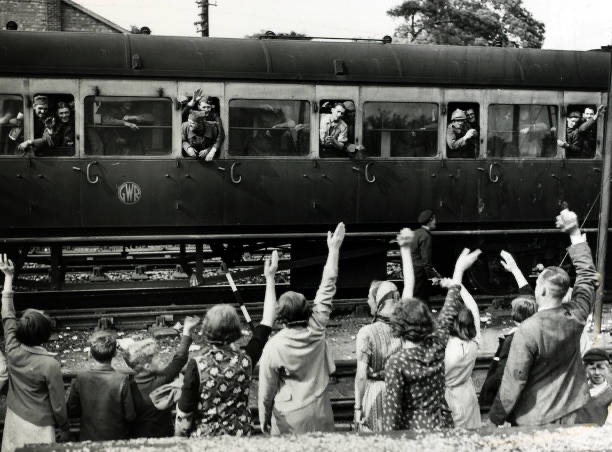
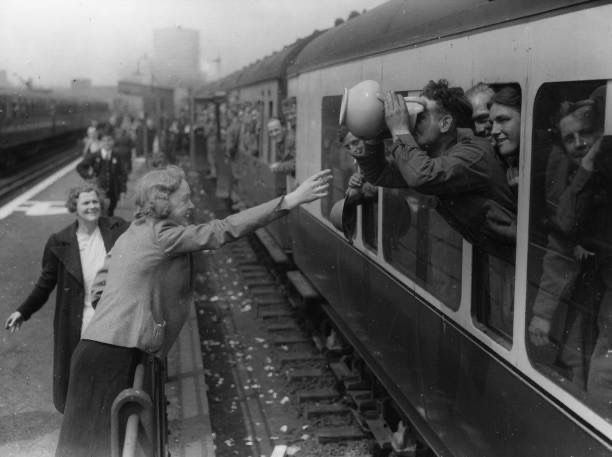
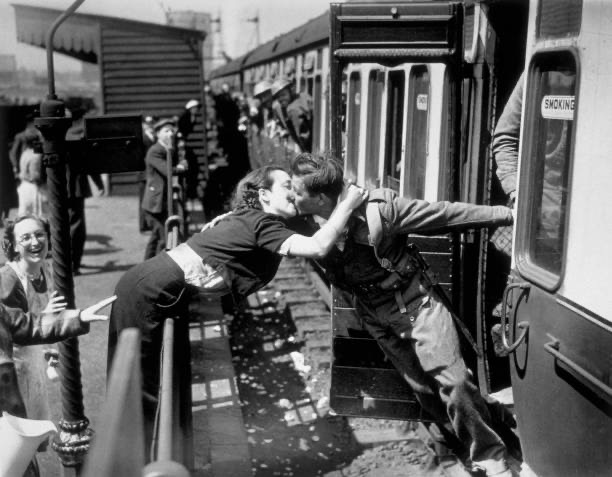
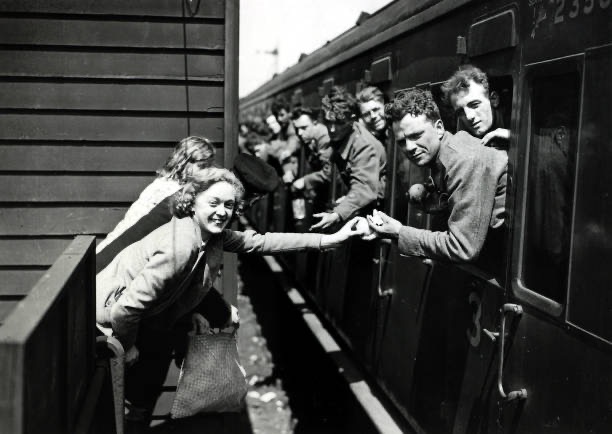
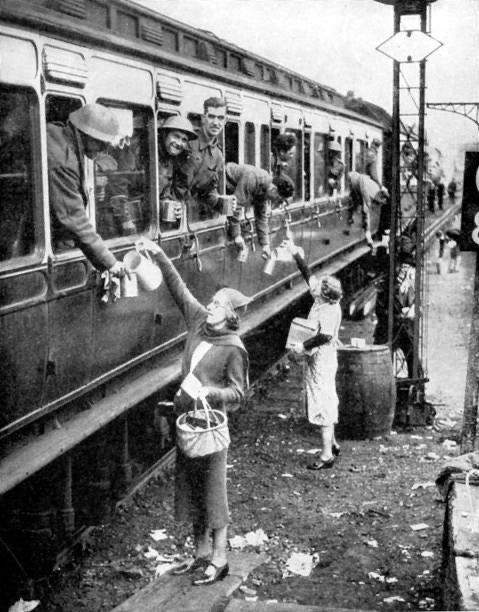
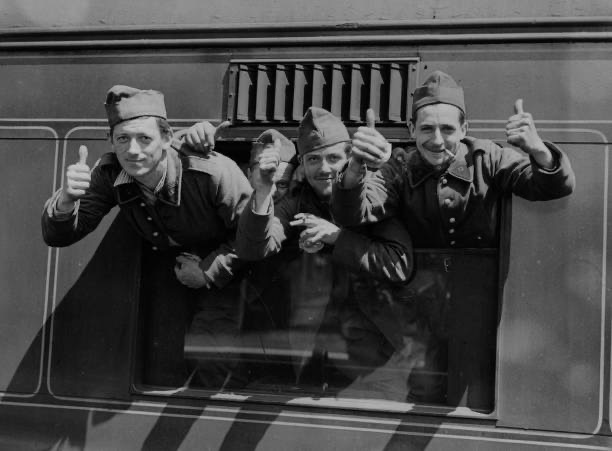
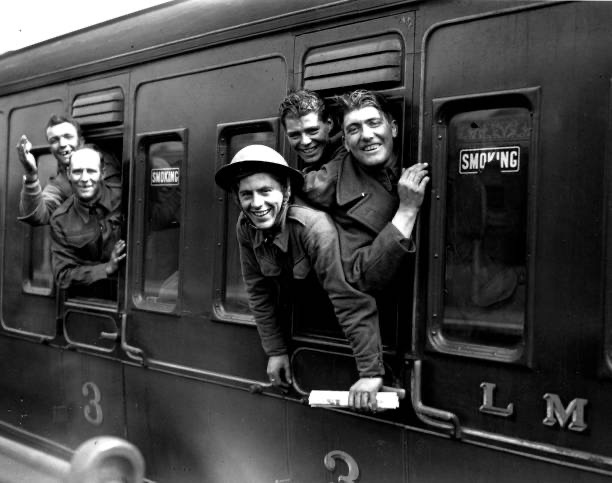
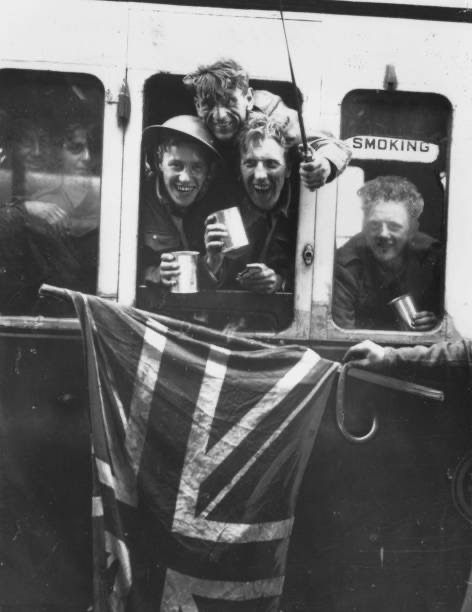
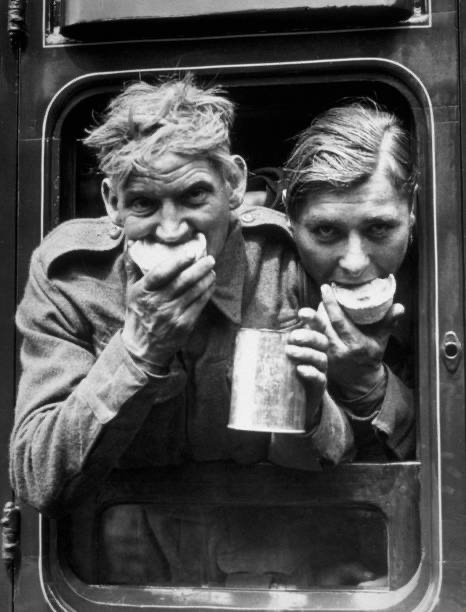
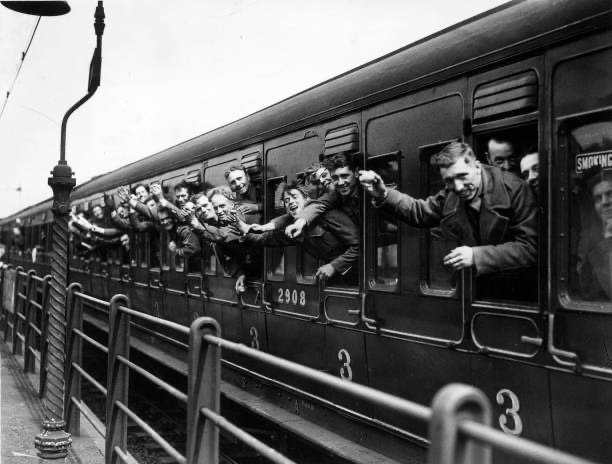
What could have been a concerning situation became joyful. The people at home were as jubilant as though the men had won the war when they saw them returning safely, even though it meant they had lost France to Hitler.
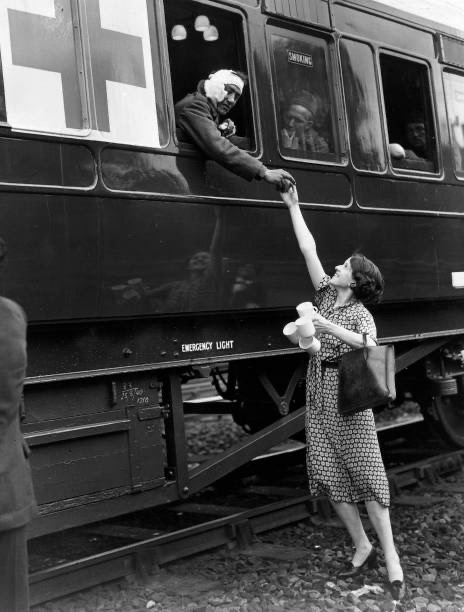
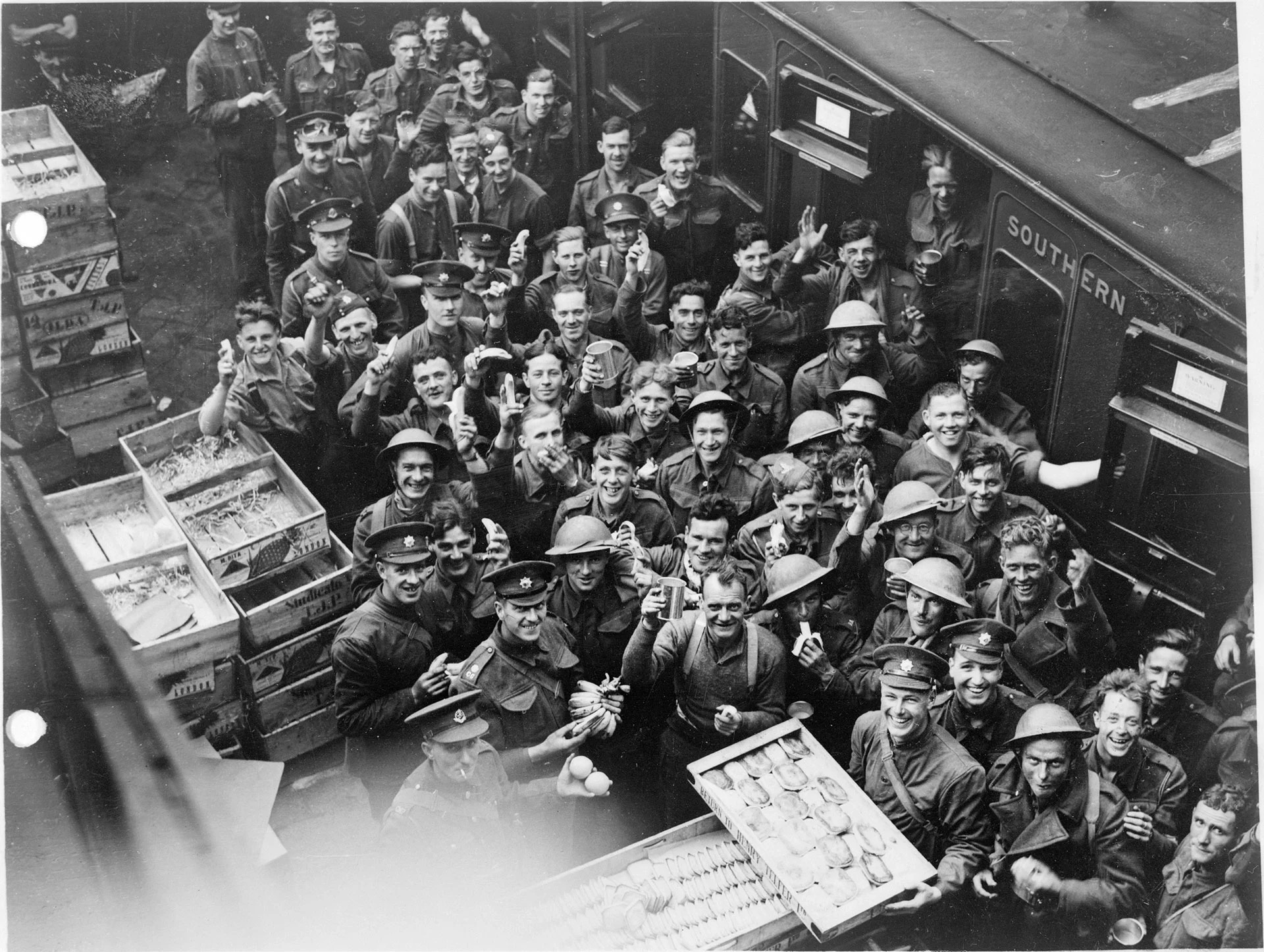
The excitement and jubilation, after days of fear, meant people broke rules to express their joy. Do you remember how bare the shop shelves were at one point at the beginning of the COVID lock down. Well people described shelves like that, with nothing left, as everything was being handed to the men on the trains. It’s nice to think that in 1940 shelves were emptied by selflessness, remembering the food was rationed so the selves were not restocked for weeks and people went without the things they gave to soldiers.
In the end, I found out about so many intense situations and events in May, June and July in 1940, the second novel in The Great Western Railway Girls, when they Do Their Bit, ended up only covering these three months because I didn’t want to leave out a single event or aspect of the experiences of the women through this period of World War Two in Swindon.
Images are subject to copyright, used with agreement of the copyright owner or with payment.
I would love to begin a great big shout out of gratitude to the railway workers in the UK in WWII. In the same year we celebrate ‘Railway 200’ marking the invention of the steam train, and 85 years since the evacuation of troops from Dunkirk and other beaches, why do people still not know about the role the railway companies and workers played in saving so many men?
The railways played as important a part as the small boats, and this is where we realise the influence of propaganda on history.
Shouting about the involvement of the small boats, was a good way of showing Hitler and his military staff that Britain would rally, that the British were resilient and civilians would stand together to fight and save each other. Where as, when it came to the involvement of the railways, they did not want the Germans to know where the soldiers who had been saved were, the did not want to risk the Luftwaffe bombing camps and killing our soldiers who the country had invested so much effort in saving. So, propaganda did not shout about the role of the railway workers, and history has therefore simply forgotten.
You generally don’t realise what you don’t know until you need that knowledge, and to write the second book in The Great Western Railway Girls series, I needed to know what happened on this side of the channel after the evacuations of the allied forces. The 85 years recognition happened this summer, and if you watched the documentaries about the evacuations, they all focus on what happened in Flanders and France and take you up to the moment the men find a route to get home on a ship or small boat. I wanted to know about what people did here and where the men went when they got home. My characters would not even have known what was going on abroad at that time, apart from what could be seen and heard from this side of the channel.
It took a lot of hunting to find out, and actually most of the information I found was shared by the women who supported the planning of the evacuation in England and helped the soldiers when they arrived in Dover. The press were mostly silent about what happened when the troops made it home.
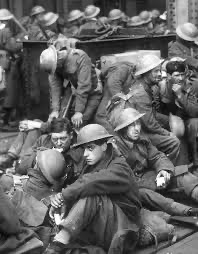
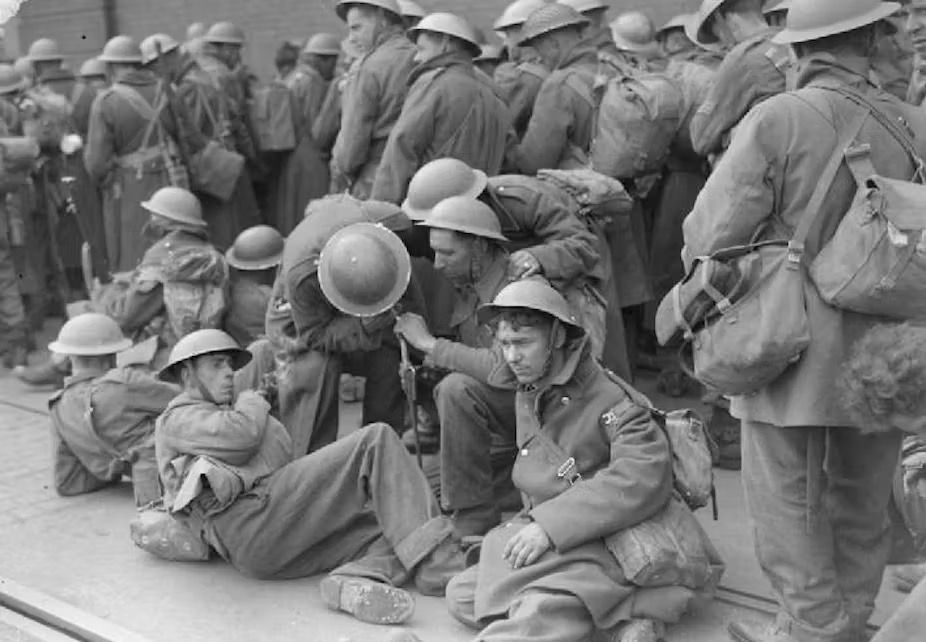
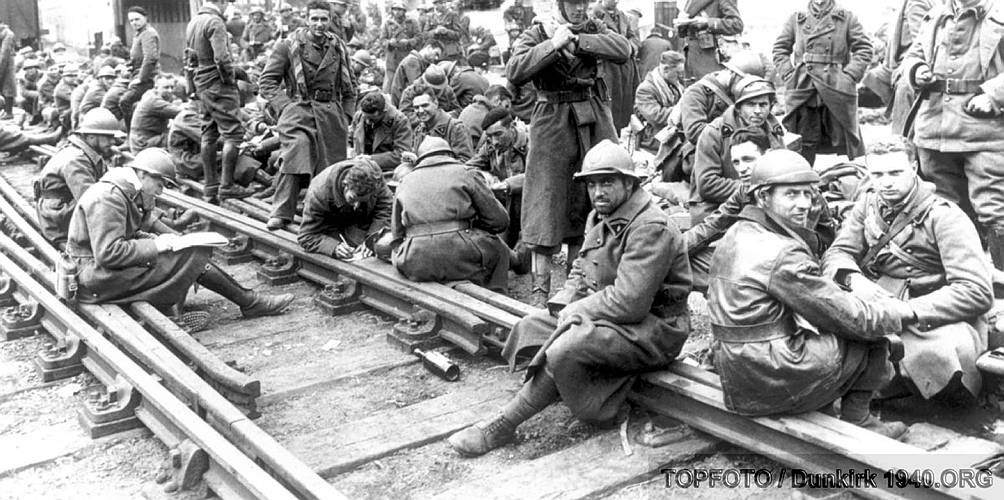
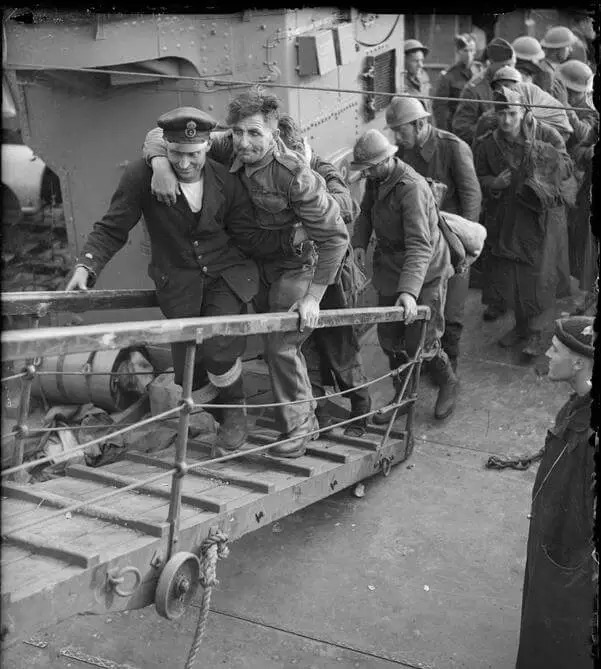
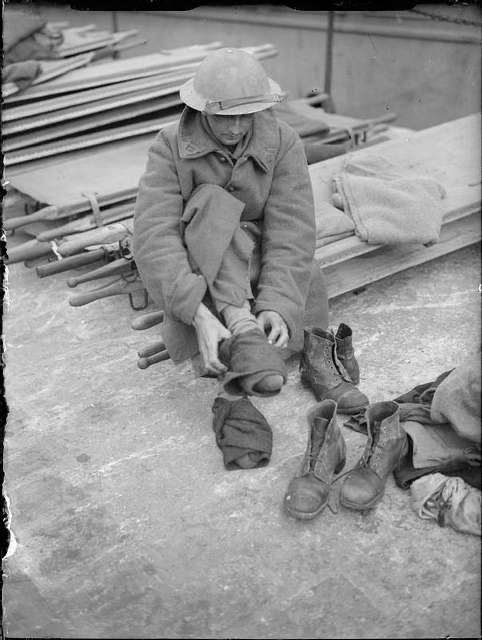
My first discovery, was a personal account from a WREN who had been working in the War Tunnels in the cliffs of Dover, helping to organise the evacuations, requisitioning boats and ships and planning the movements of those and the navy vessels. She wrote about coming out from the tunnels with colleagues, to go down to the harbour at Dover and help the men who were arriving. She said they arrived in a terrible state, some even completely naked, and most of them had neither eaten nor slept for days because the Germans had raced through France so quickly. They had been running for their lives for days, retreating to get to the coast without being killed or captured by the Germans, with no time for rest.
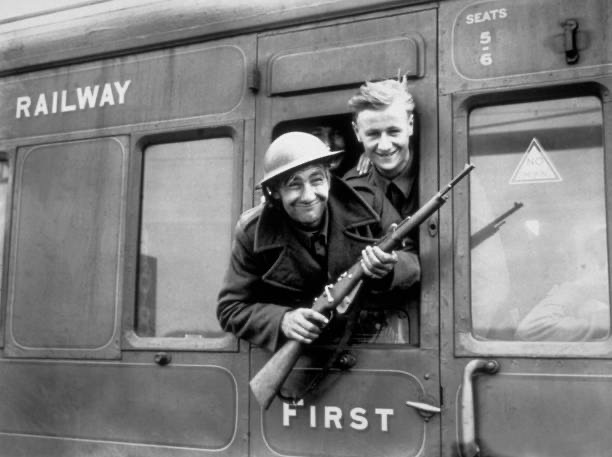
It was in a 1940 GWR company magazine in Swindon’s STEAM Museum records that I began discovering the role the railways played. All the British railway companies were involved in the planning of Operation Dynamo which was done in a matter of a few days. Every train in the country and every trainline was involved in getting as many carriages to Dover and away from Dover as quickly as possible, then returning with cleaned carriages to collect another load of men. This included hospital carriages to move the wounded as well as normal carriages which were packed full using every inch of space.
It was as important to get the men away from the English coast as it was to remove them from France, otherwise they would have been sitting ducks for the Luftwaffe to fly over the channel and end what they had begun on the other side.
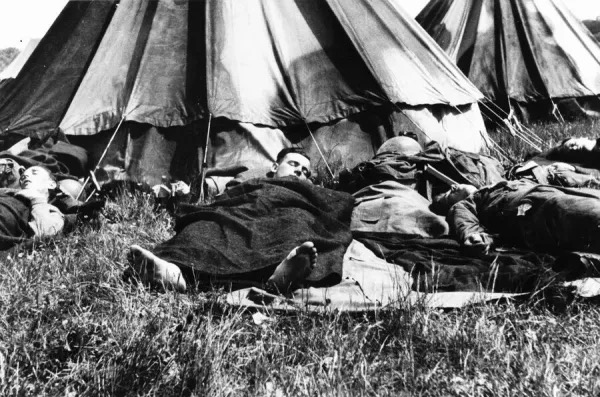
In those few days of planning, camps had been set up all over the country to receive the men, at locations that were kept secret. I discovered one of those was close to Swindon, at the army camp near Chiseldon. However, I don’t describe Chiseldon camp in the book, The Great Western Railway Girls Do Their Bit, because Chiseldon camp had a railway station and I’d read a more dramatic option. I found a personal record from a woman who was helping out in a camp who said that the men had to march five miles from the station to the camp, in the condition they’d arrived at in Dover. It was miraculous really that they were able to do it, and I wanted to put this in the story.
You should also remember, The Government’s plan had an expectation of saving around 35,000 men. They had therefore planned to move 35,000 men on the railways and receive 35,000 in the camps. But their plans had to ramp up several gears in a matter of hours when the plans were put into action, and the men returning flooded into Dover, 350,000, ten times the number they’d planned to process at the port and move in land.
The GWR magazine recorded that on one day alone during the period of the evacuations from France, 200 trains ran out of Dover, moving the men away from the port, which meant that many staff had to volunteer to do jobs on the trains they were not normally involved in…
All great information for me to be able to write my characters into these events.
But why are we in the year of Railway 200, and 85 years since Dunkirk, not telling the story of the part the railways played in saving hundreds of thousands of men. So whenever you have opportunity, tell others and get the story out there!
Images are subject to copyright, used with agreement of the copyright owner or with payment.
 Author, Jane Lark's stories