Let’s talk about the macabre: was Byron truly so original

Dressing up in macabre costumes and seeking to frighten others for pleasure has been
imagesCANWSNP2

Lord Byron

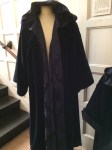
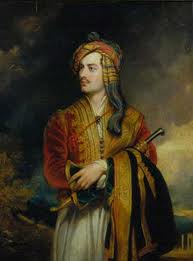
considered as entertainment for centuries. The Victorians loved their gothic reconstructions and the Tudors loved the intrigue of hiding behind masks and dressing up so they could pretend to be someone else. Then the infamous Lord Byron set up his group of wild friends at his ancient, mostly fallen down, Newstead Abbey. There they drank their toasts from the crown of a monk’s skull while playing blind man’s buff with his pet bear. Byron also loved to dress in false monks’ robes and to lead his friends in ceremonies. There is also the picture of him in his Turkish costume which again professes how much he liked to lead fashion and act a part.

Byron liked to be one of the ringleaders in shocking others with his macabre behaviour. For instance setting Shelley, his young mistress and her sister to writing ghost stories on a dark stormy night abroad;  the tale that became Mary Shelley’s Frankenstein. But was Byron really as original as he would have had his friends think? Or was he flattering another man, a man, by his actions, I would guess he revered for achieving shocking acclaim years before Byron.
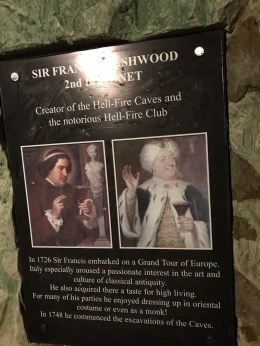
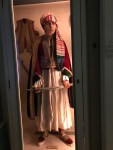
IMG_1004You may have heard of the Hellfire Club, set up by Sir Francis Dashwood, Lord le Despencer. The Hellfire Club was established long before Byron’s birth. To the left is Dashwood, dressed as both a monk and in eastern attire.


But the similarity in Byron’s behaviour extends not only to his choice of costumes but also his choice of macabre games and there setting.

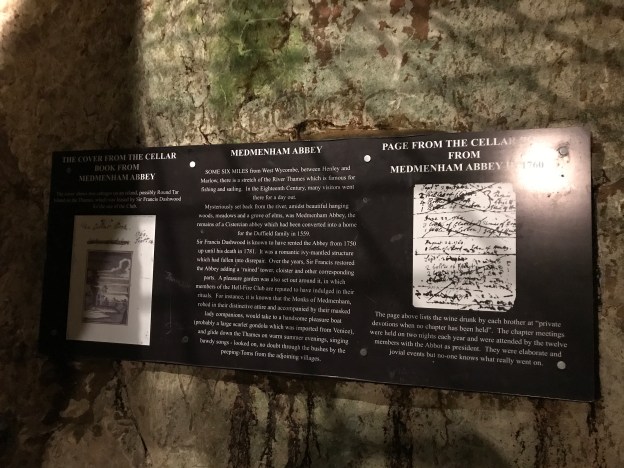
Sir Francis also loved a mock ceremony and while Byron had inherited his abbey, Sir Francis had rented one solely to host his ceremonies. You can read more about Medmenham Abbey on the board in the picture below.

When the Hellfire Club met the men wore their monks’ robes the women wore masks to cover their identity and they went by pseudonyms.
IMG_0983

Byron’s last supper in England, that he ate in the company his closest friends (those who knew his most shocking secrets and overlooked them), is often spoken of. Yet Sir Francis took his ceremonies much further towards the shocking by naming his clubs superiors as twelve men, the apostles. These twelve men wore different robes to those who were deemed inferior. Sir Francis saw himself as the group’s antichrist and toasted the devil.

Sir Francis began clearing out the tunnels of the former mine in 1748 to create his network of caves. He dug down into a hill beneath his family church and set up his inner temple, where only his apostles might go, 100 meters, exactly beneath, the church. He rented Medmenham Abbey in 1750 probably about the time the caves were also finished and the clubs pattern of macabre ceremonies began.

The Hellfire Club’s gatherings in the caves began in the banqueting hall, where after a dinner, served by Dashwood’s servants, they entertained themselves in the niches about the room. Then the twelve superiors separated themselves from the crowd and walked on through more symbolic tunnels, over an underground stream (the river Styx) to the inner temple where no one knows what they got up to because none of them told the tale.
 

This slideshow requires JavaScript.


The Las VegasEscapists' Club (5)

Reader Power

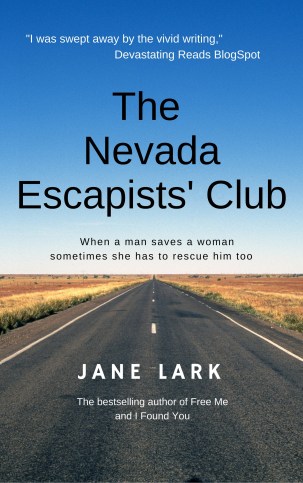
Join me at Kindle Scout, nominate The Nevada Escapist’s Club to be published by Kindle Press and if it’s successful receive a free copy.

Kindle Scout is reader-powered publishing for never-before-published books.
All you need to do is:
1. Click this link
2. Read the excerpt and decide if you’d like to read more.
3. If you want to read more click on “nominate me” to select The Nevada Escapist’s Club. Then cross your fingers it goes through and you receive a free ebook.

Thank you to everyone who takes a look and especially those who nominate. Don’t forget to tell any friends or family who love books too📖 Cheers.

The Marlow Intrigues: Perfect for lovers of period drama

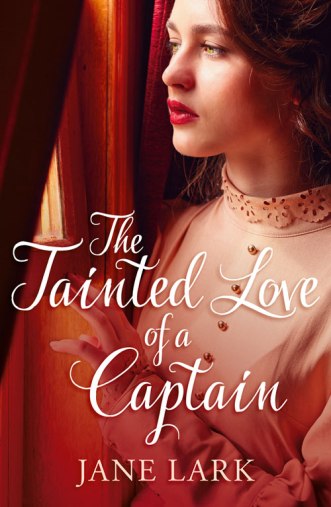
The Tainted Love of a Captain #8 – The last episode in the Marlow Intrigues series
106849-fc50


The Lost Love of Soldier ~ The Prequel #1 ~ A Christmas Elopement began it all 

The Illicit Love of a Courtesan #2 

The Passionate Love of a Rake #3

The Scandalous Love of a Duke #4

The Dangerous Love of a Rogue #5

The Jealous Love of a Scoundrel #5.5

The Persuasive Love of a Libertine #5.75  now included in Jealous Love, (or free if you can persuade Amazon to price match with Kobo ebooks) 😉

The Secret Love of a Gentleman #6 

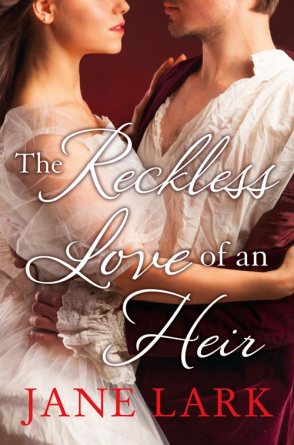
The Reckless Love of an Heir #7

Jane’s books can be ordered from most booksellers in paperback
106848-FC50

Go to the index

For

  • the story of the real courtesan who inspired  The Illicit Love of a Courtesan,
  • another free short story, about characters from book #2, A Lord’s Scandalous Love,
  • the prequel excerpts for book #3  The Scandalous Love of a Duke

Jane Lark is a writer of authentic, passionate and emotional historical and contemporary stories, and the author of a No.1 bestselling Historical Romance novel in America, ‘The Illicit Love of a Courtesan’.Click here to find out more about Jane’s books, and see Jane’s website www.janelark.co.uk to learn more about Jane. Or click  ‘like’ on Jane’s Facebook  page. You can also follow Jane on twitter at @janelark
Marriage at Gretna Green

GG 1I’m putting another comma in Harriette’s story today, and sharing something else I discovered recently.

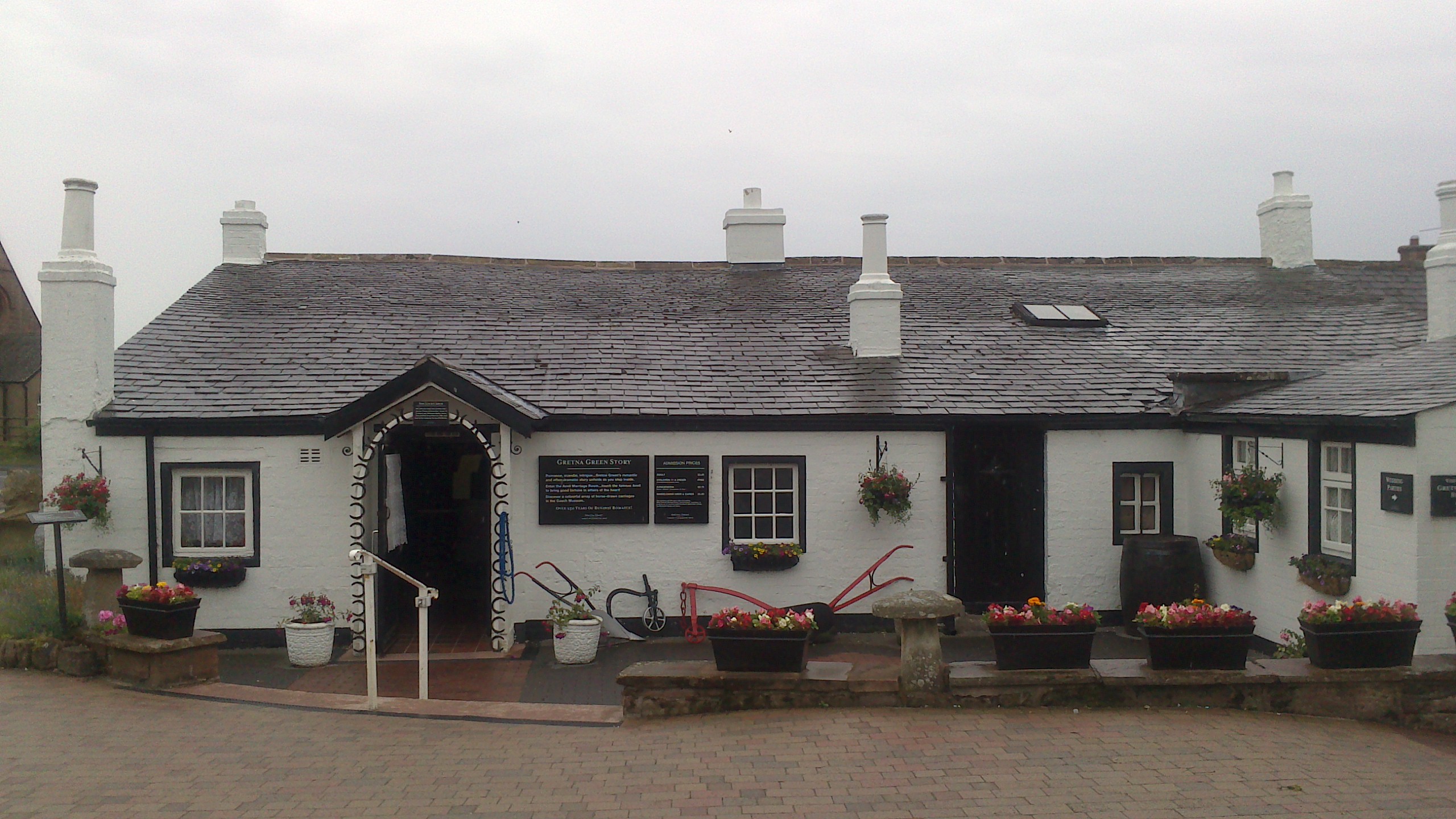
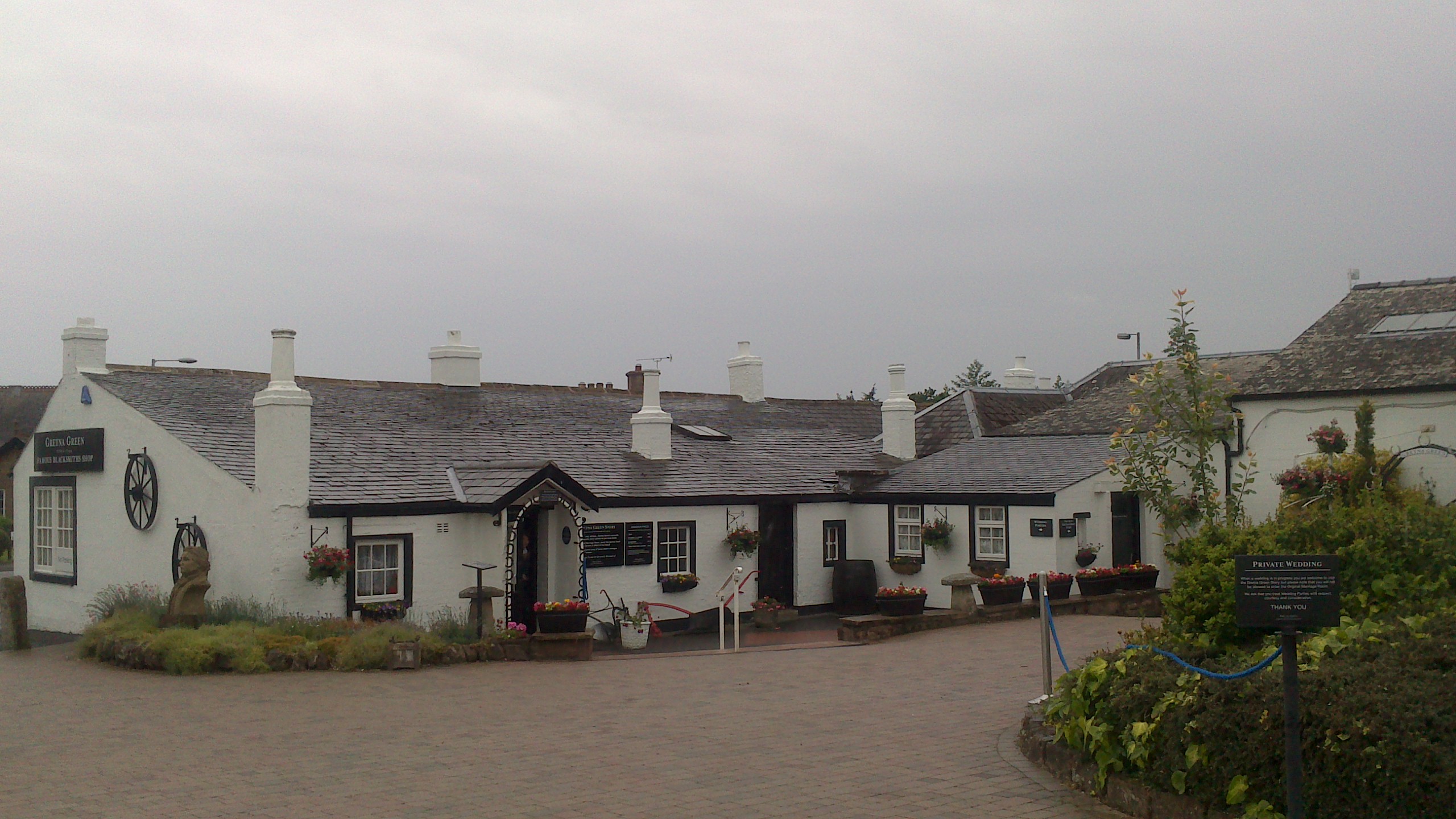
Last month I travelled up to Gretna Green to do a little research. I’d been  trying to find out what actually happened when couples arrived there for ages, and I’d found nothing valuable on the internet so I thought, right, get in the car and go there, and they’ll be something around there I’m sure. Oh, I can’t tell you how right I was. We discovered this fabulous little museum set up in an old ironmonger’s forge, one of the places where marriage ceremonies used to take place.

I learned so much I didn’t know.

Prior to the 12th Century, a man could just take a woman to his home and call it marriage. But the church, being more powerful than kings at the time, wanted some control over who married who, and so they began introducing formal religious ceremonies.

In 1563, the Church then became even more defiant over its role in marriage, and said that marriages would only be deemed valid if they were recognised by the Church. But even so Civil Law still stated that if a man and woman made a declaration before two witnesses, that was enough.

So there was a divide then, in places where the Church had no sway, people could be deemed officially married under civil law, on ships for instance. But what I didn’t know was about the industry which developed in London for quick marriages, in the Fleet Prison.

Apparently by the 1700’s jailed priests, who did not care about any reprisal from the church, had expanded their illicit marriage business from the prison chapel to sixty ‘Fleet marriage rooms’ outside the jail. They’d set themselves up there to perform hurried weddings, and people would elope and run to the Fleet Prison.  Men even went out touting for business to encourage couples in off the street. And there was no care about who they married, numerous bigamous marriages took place, and marriage certificates might be backdated, to avoid having an illegitimate child. Or marriages, as they were performed anytime of the day or night, might be a drunken couple, who’d regret it in the morning.

GG 2So in 1754, Hardwicke’s Marriage Act was voted in by the House of Lords, whose daughters were often caught out by the seduction of penniless men, and when they only had to persuade the woman to go as far as the Fleet, their angry family didn’t have much chance to catch them up before the deed was done.

The Act introduced three distinct changes to marriage law. Couples had to marry in a church, and secondly, they had to be 21 to marry without the written consent of their parents, and lastly they had to give notice of their marriage, so bans would be read in parishes, to ensure both couples were eligible for marriage.

In a rush to beat the deadline for the new law 217 marriages took place in and around the Fleet Prison on 25th March 1754. But the law only changed in England, and once it had, so Gretna Green came into its own. As Gretna was the first place people reached when they came over the eastern Scottish border, this was the place couples wishing to marry without parental consent started rushing up to. Scottish marriages were recognised in England, and Scottish law still allowed anyone over sixteen to marry, just with a statement before witnesses.

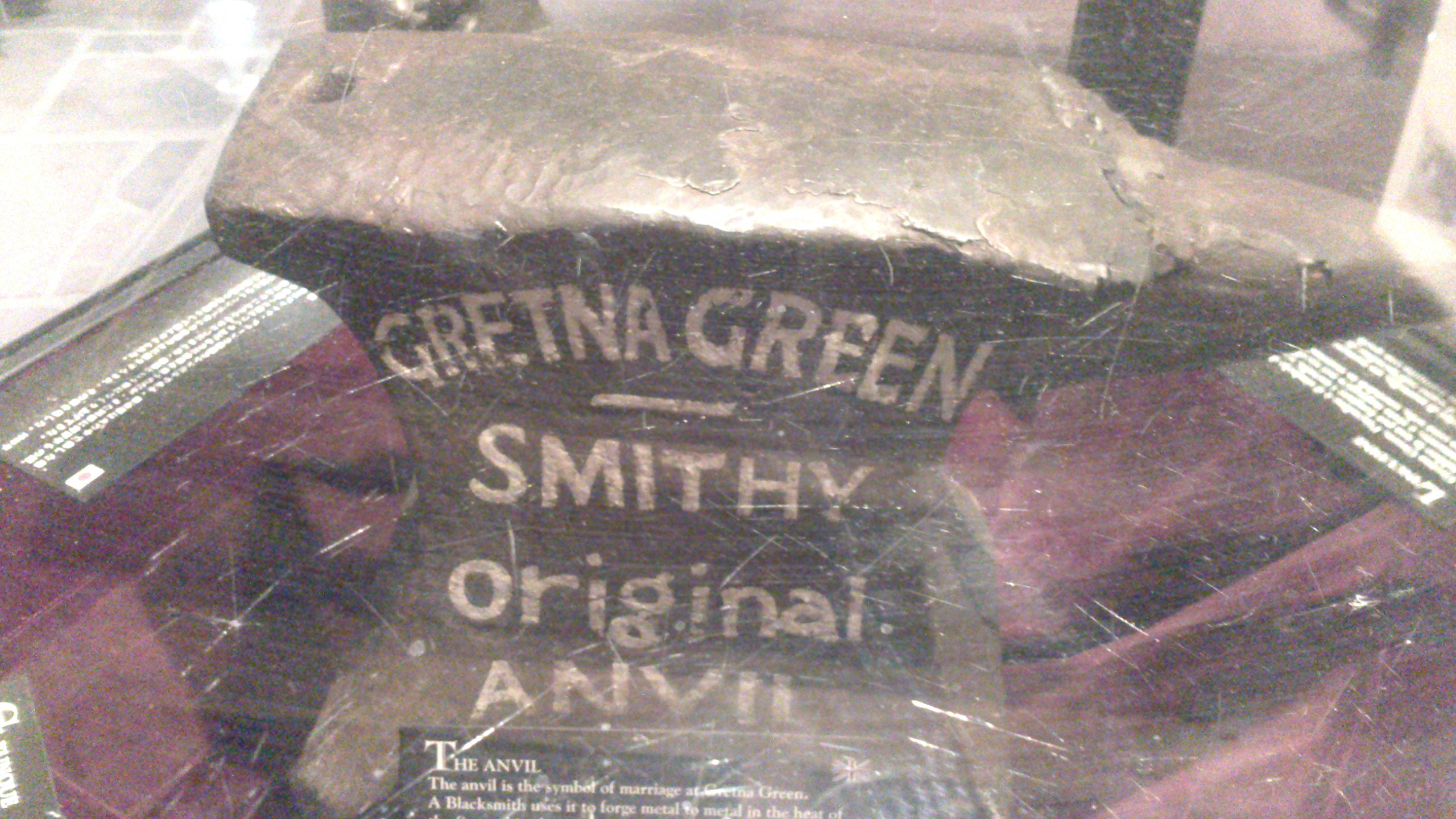
GG 3Therefore anyone could set themselves up as the person to host marriages, and many people did in Gretna, to satisfy demand. Including the ironmonger, at the forge I went to. The museum had records of thousands of marriages, and details of the history of some of those who undertook marriages there.  And here’s a picture of the anvil the ironmonger used.

The ironmonger ‘the anvil priest’ is believed to be the most remembered because of the symbolism of metal being forged together, as two people might be in marriage, and a mystical element grew up around this. There were letters there, written to the ironmonger of Gretna, mostly by women, asking for good luck in winning the man they chose, or advice, or even asking him to help plot their elopement.

GG 4An artist eloped with the daughter of a friend he’d been staying with in Carlisle, in the early 1800s. And later he painted pictures of his experience, they were the most telling thing for me. There was an image of their hurried coach ride.  Then one of the couple arriving at the ironmonger’s forge, standing on a mud track outside as he walked out with his leather apron on, wiping his hands. They merely stood before the man in the squat old building as they made their declaration and he declared them  forged together in marriage, and then banged his anvil to declare it. There weren’t a lot of houses around the forge, and no one else there, just the ironmonger and his family. When her father arrived the couple are merely walking back and the ironmonger is turning his back and leaving the couple to it.

So that’s the experience of a couple visiting Gretna Green, until in 1856, when the cooling off Act was introduced and Scottish marriages only became recognised in England when one of the marriage parties had been born in Scotland, or had resided there for 21 days.  And that was the end of the booming marriage trade in Gretna Green…

More of Harriette’s story at the weekend.

Jane Lark is a writer of authentic, passionate and emotional love stories.

See the side bar for details of Jane’s books, and Jane’s website www.janelark.co.uk to learn more about Jane. Or click  ‘like’ on Jane’s Facebook  page to see photo’s and learn historical facts from the Georgian, Regency and Victorian eras, which Jane publishes there. You can also follow Jane on twitter at @janelark