Part five ~ Inspirations behind The Great Western Railway (GWR) Girls ~ People, Places and Pictures 

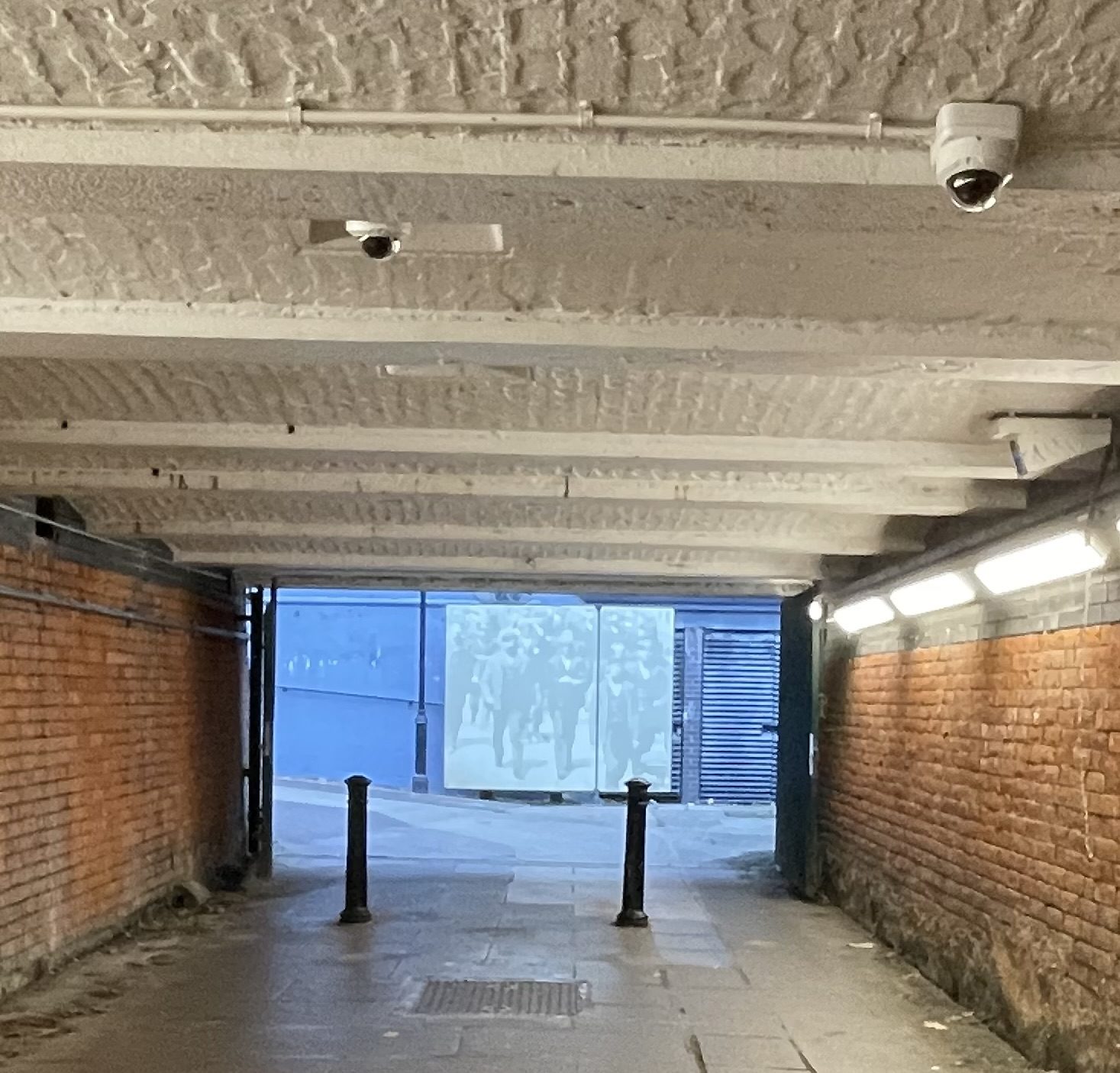
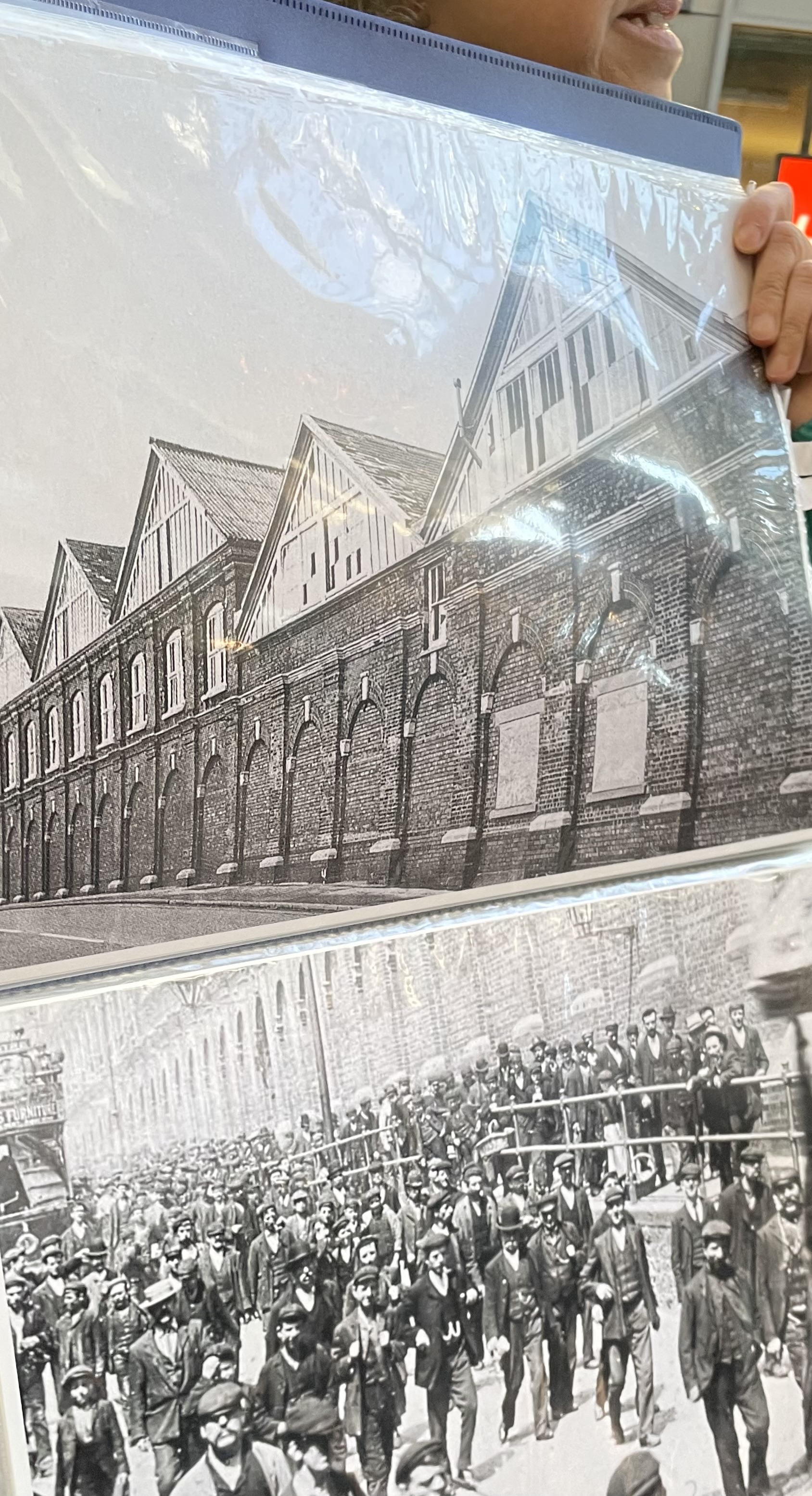
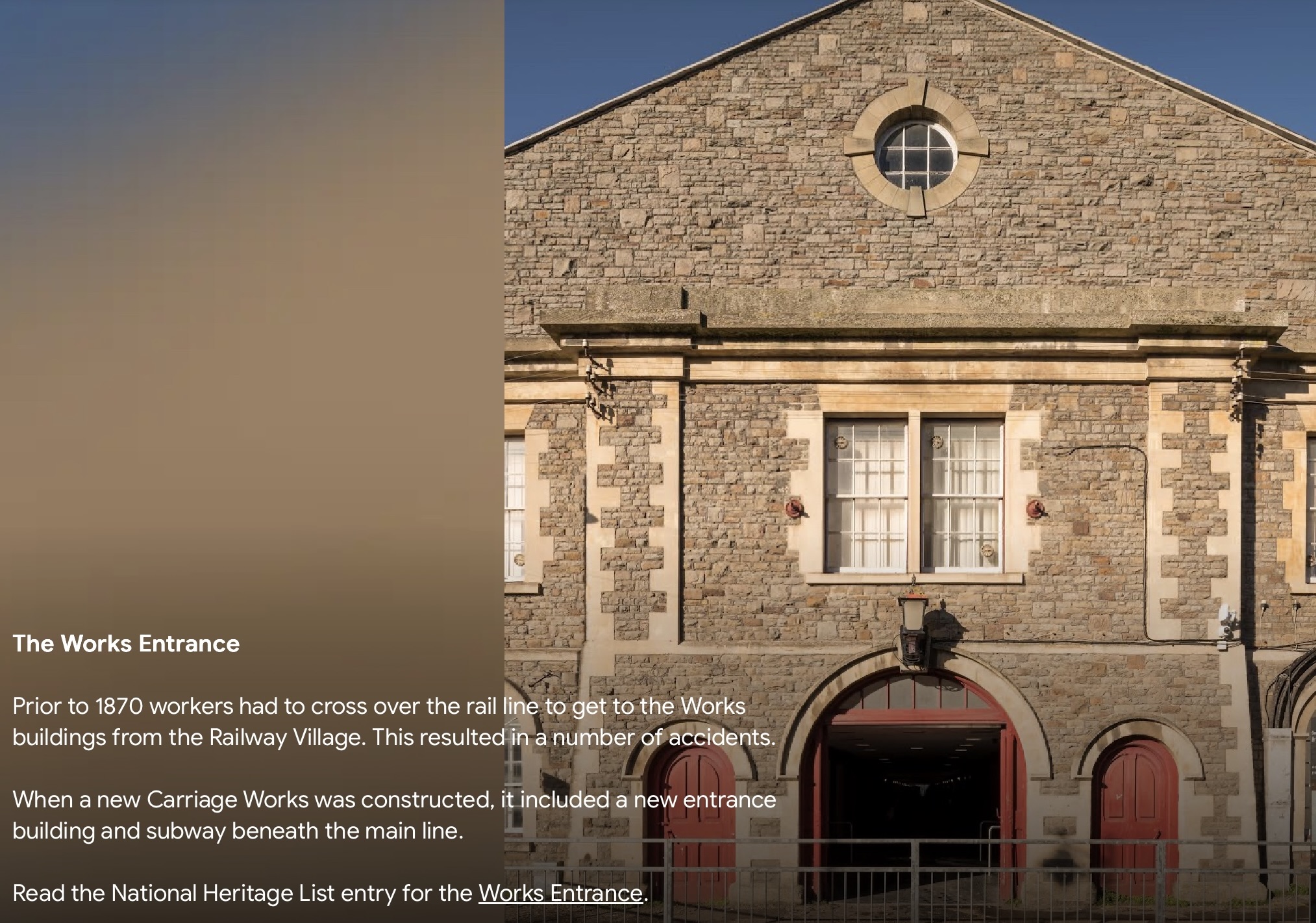
As I said in my previous posts, three of the things that lead me to ideas for books are people, places and pictures. Previously, I have told you about some of the people and three of the places, so let me carry on from where I left off and tell you about one last place behind the GWR Girls series, which is a very particular place, and actually may have been the first place that gave me the idea to write this series set partly in the works and partly in the railway village. This is the tunnel that runs underneath the train tracks in Swindon, enabling people to reach the works directly from the railway village where the workers houses are. This was built in 1870s, and actually highlights one the aspects of the story that I have deliberately written inaccurately (those, I will come onto in later posts). The carriage works were built on the the railway village side of the tracks in the 1860s and the tunnel goes through this building and under the tracks. Like many of the buildings in this historic area of Swindon, the building is listed, you can click on the picture above to see the Grade II listing for the works entrance.
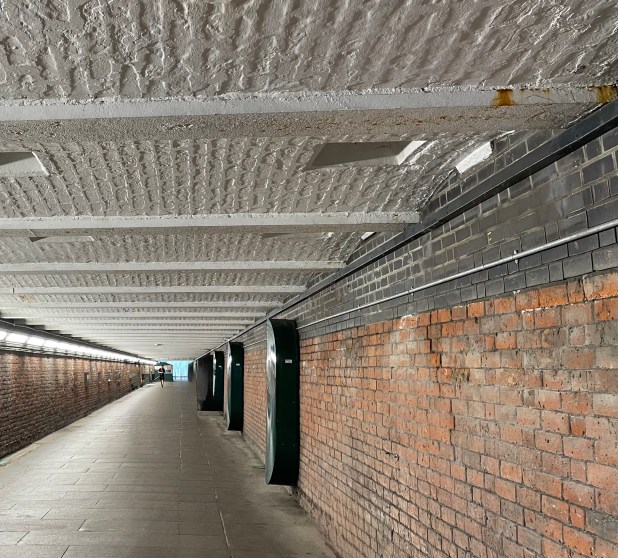
I have walked through this underpass hundreds of times during my life, my daughter and I often used to cycle into town and used this tunnel. It is surprisingly long, and low ceilinged, and when you see the pictures of the time when this was a gate into the factory and men used it in their hundreds… Well it stirs my imagination, of the conversations and the emotions that were experienced inside this… In my books, the tunnel will also become an air raid shelter during the war.

It is a very atmospheric space, I think for me maybe because I get quite nervous within it as I am a bit claustrophobic, but even that emotion stirs up my imagination. It is odd how just these single spaces and moments can prod a novel to flow…
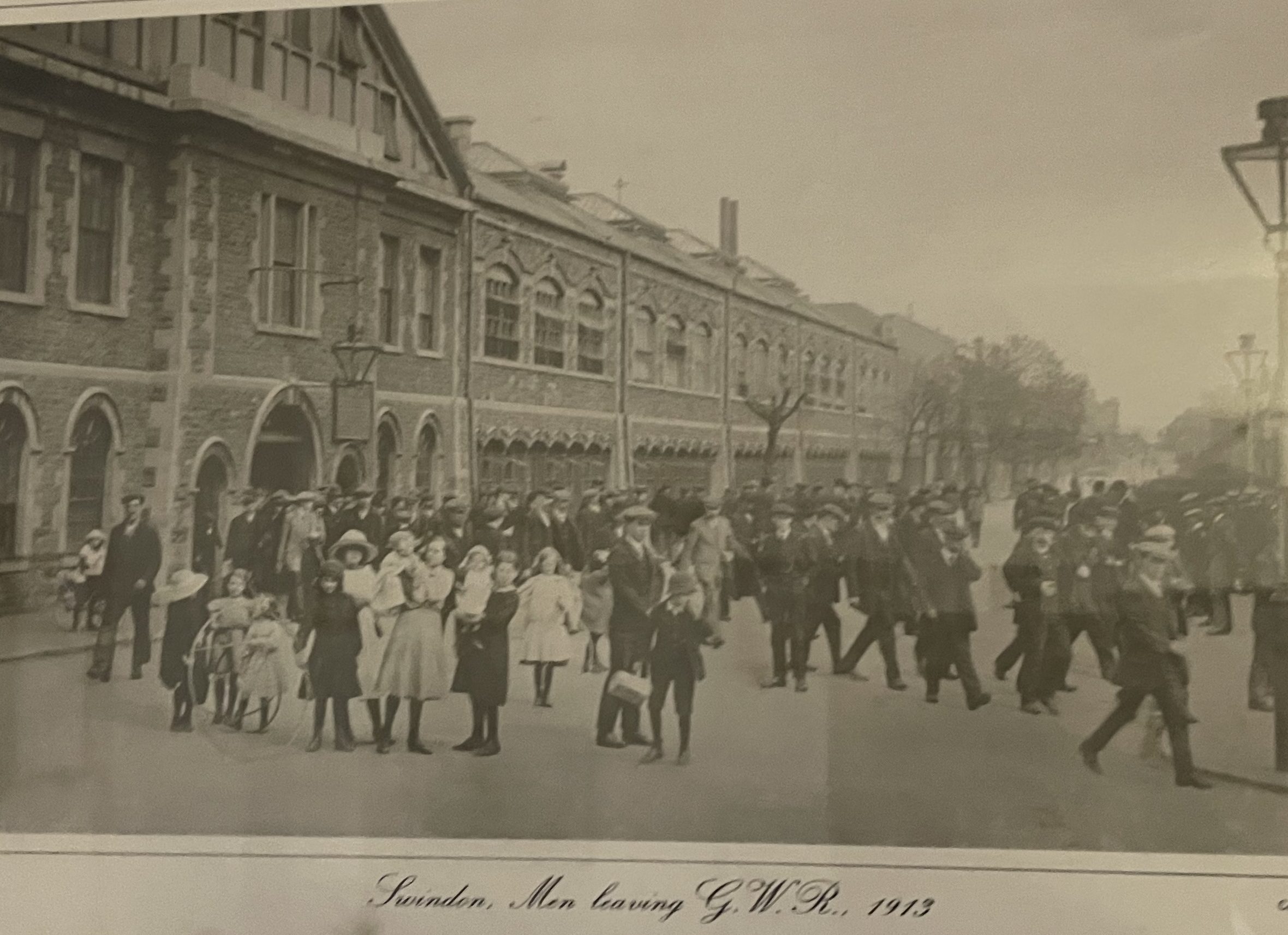
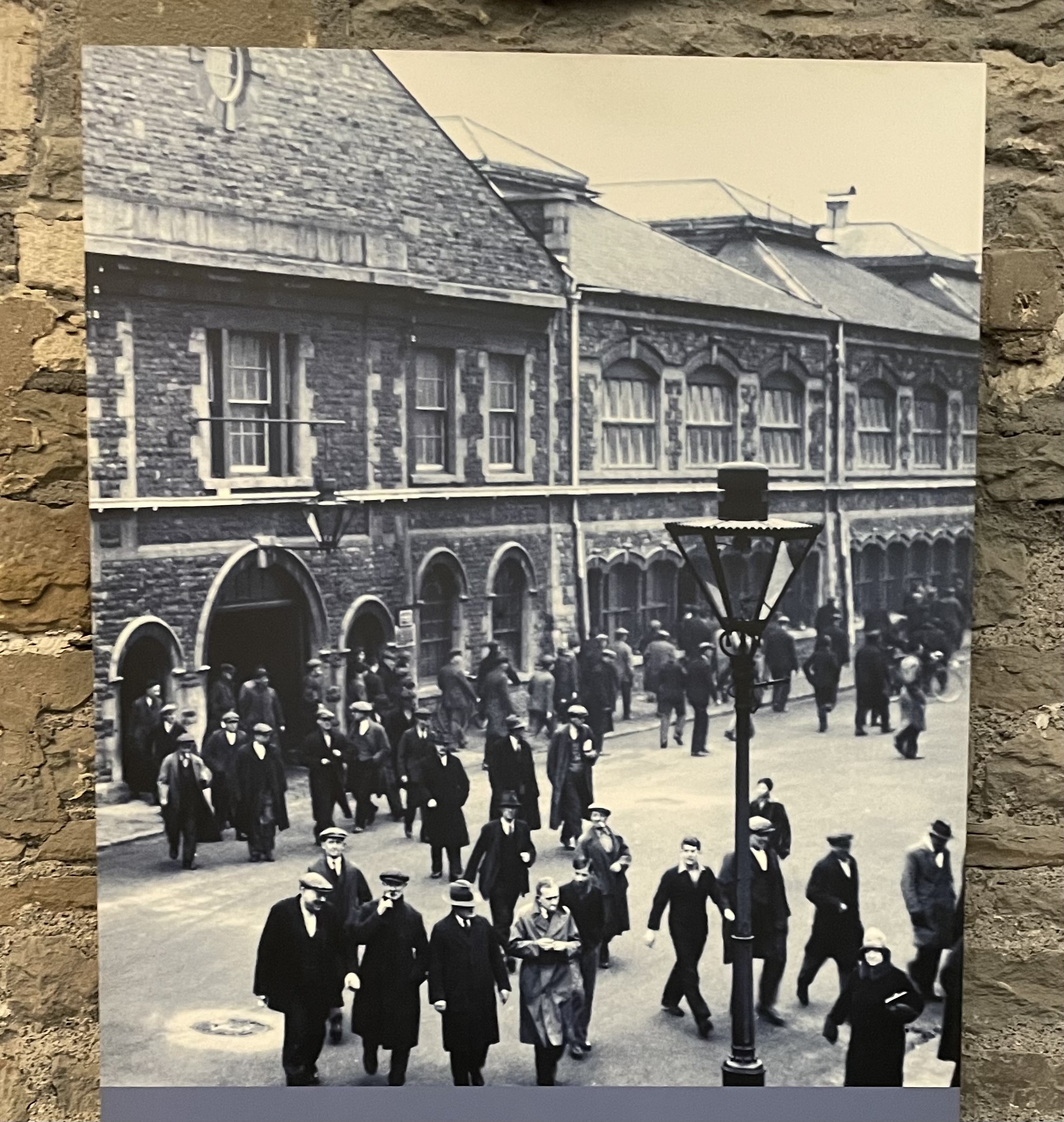
Just one more inspiration post to go, the one about pictures….
Part four ~ Inspirations behind The Great Western Railway (GWR) Girls ~ People, Places and Pictures 

As I said in my previous post, three of the things that lead me to ideas for books are people, places and pictures. Previously, I have told you about some of the people and two of the places, so let me carry on from where I left off and tell you about another place behind the GWR Girls series.  

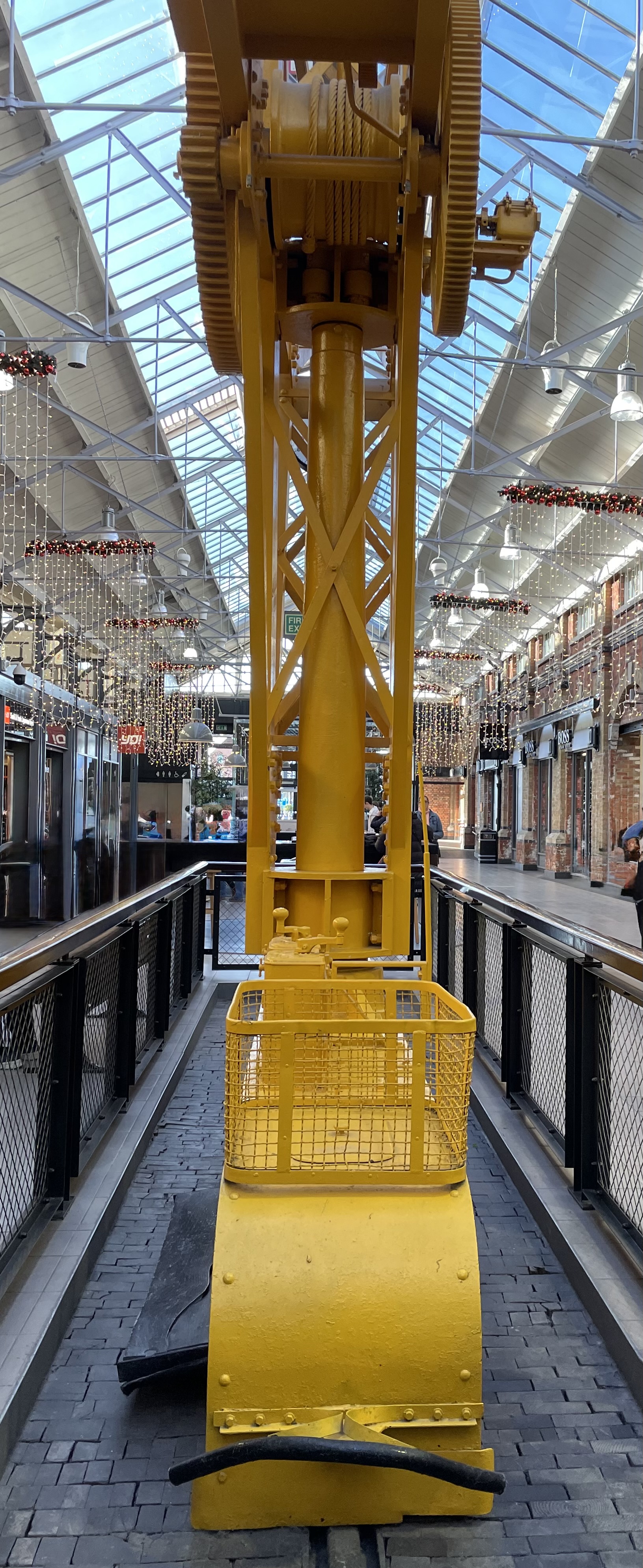
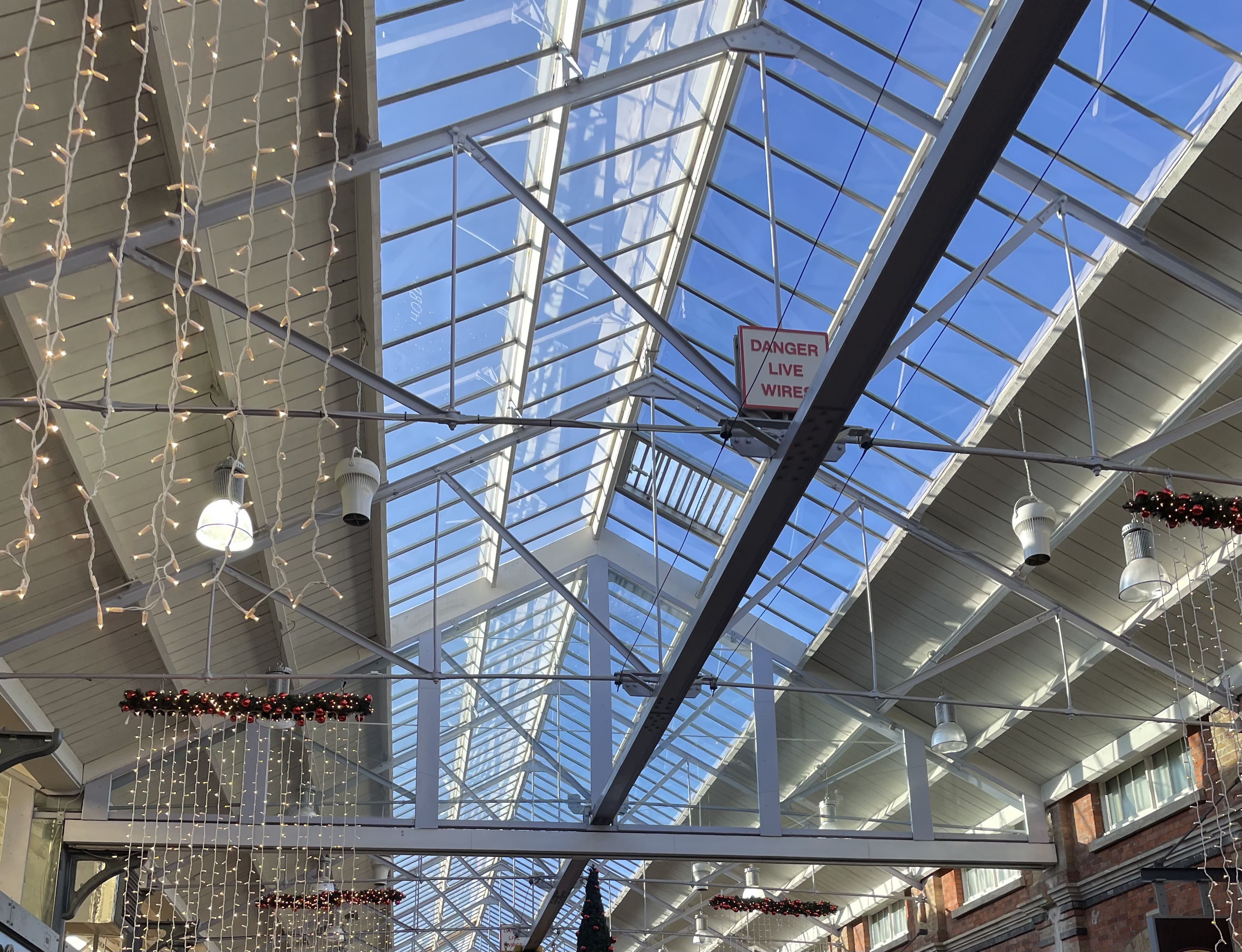
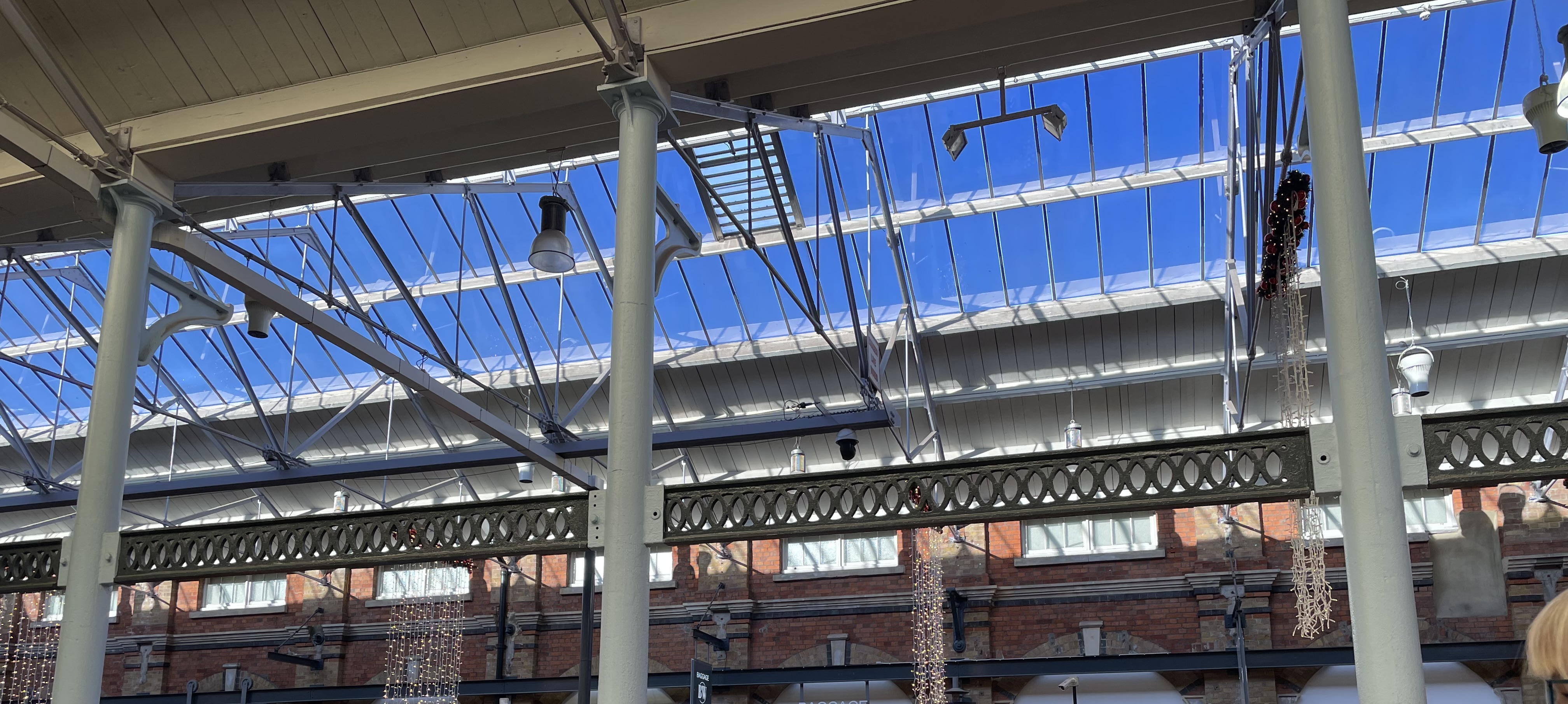
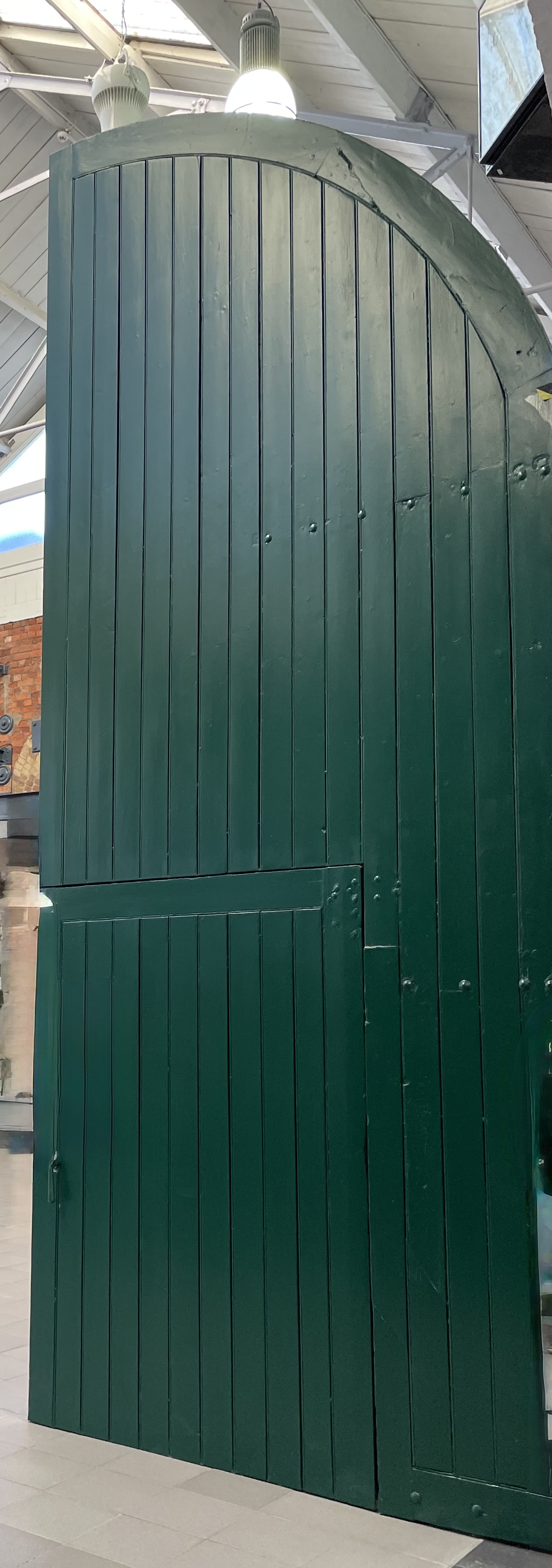
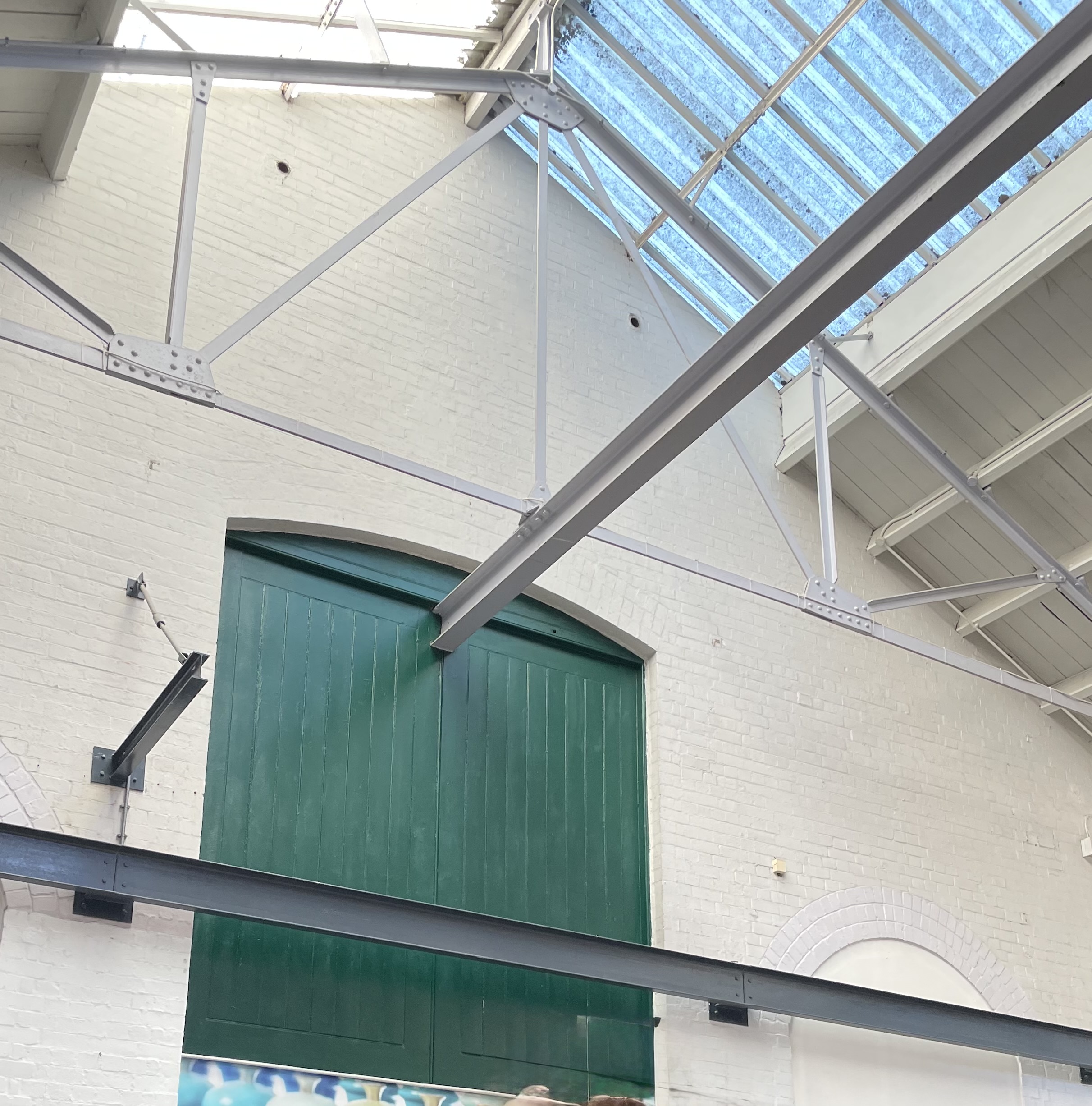
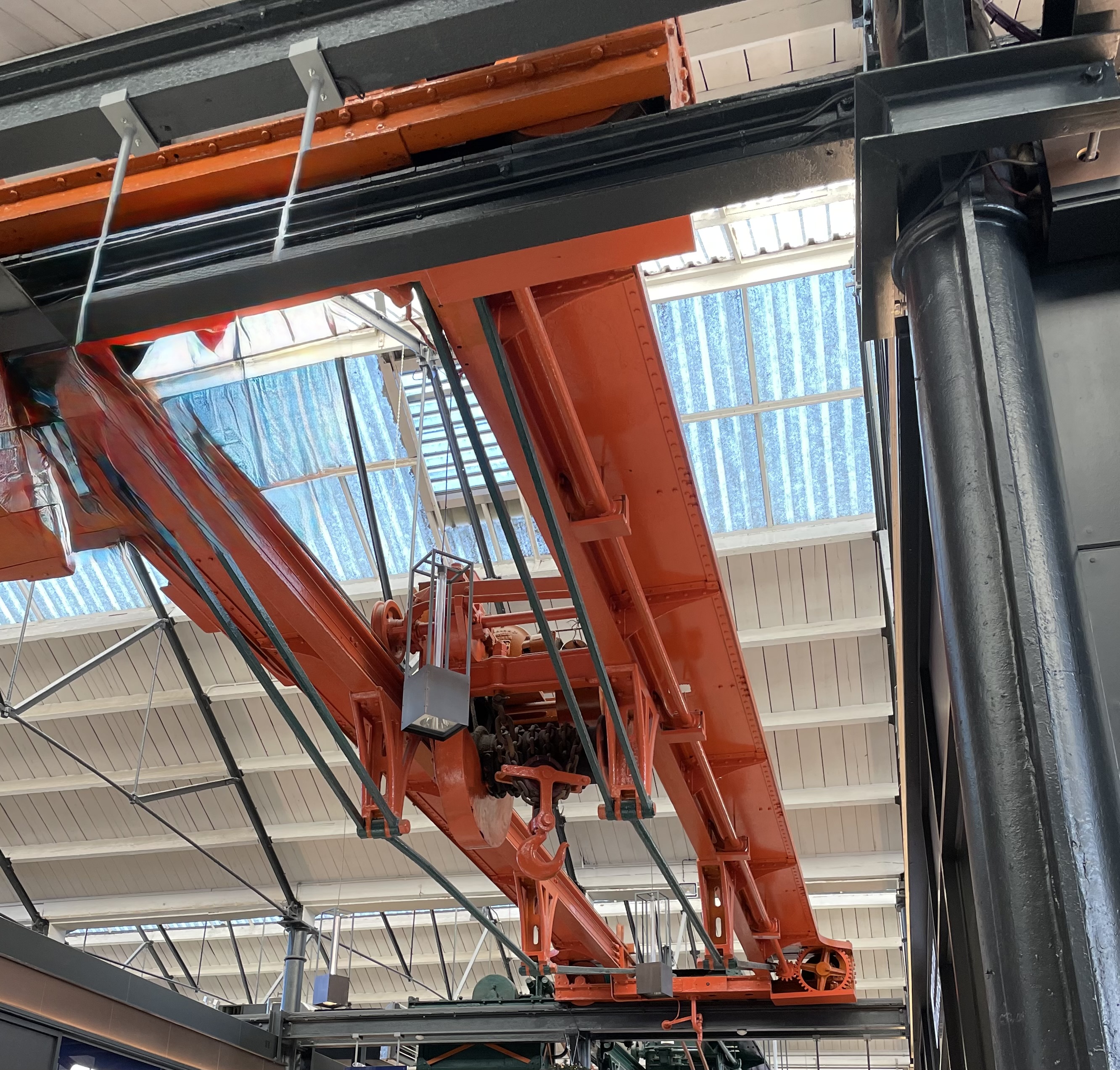
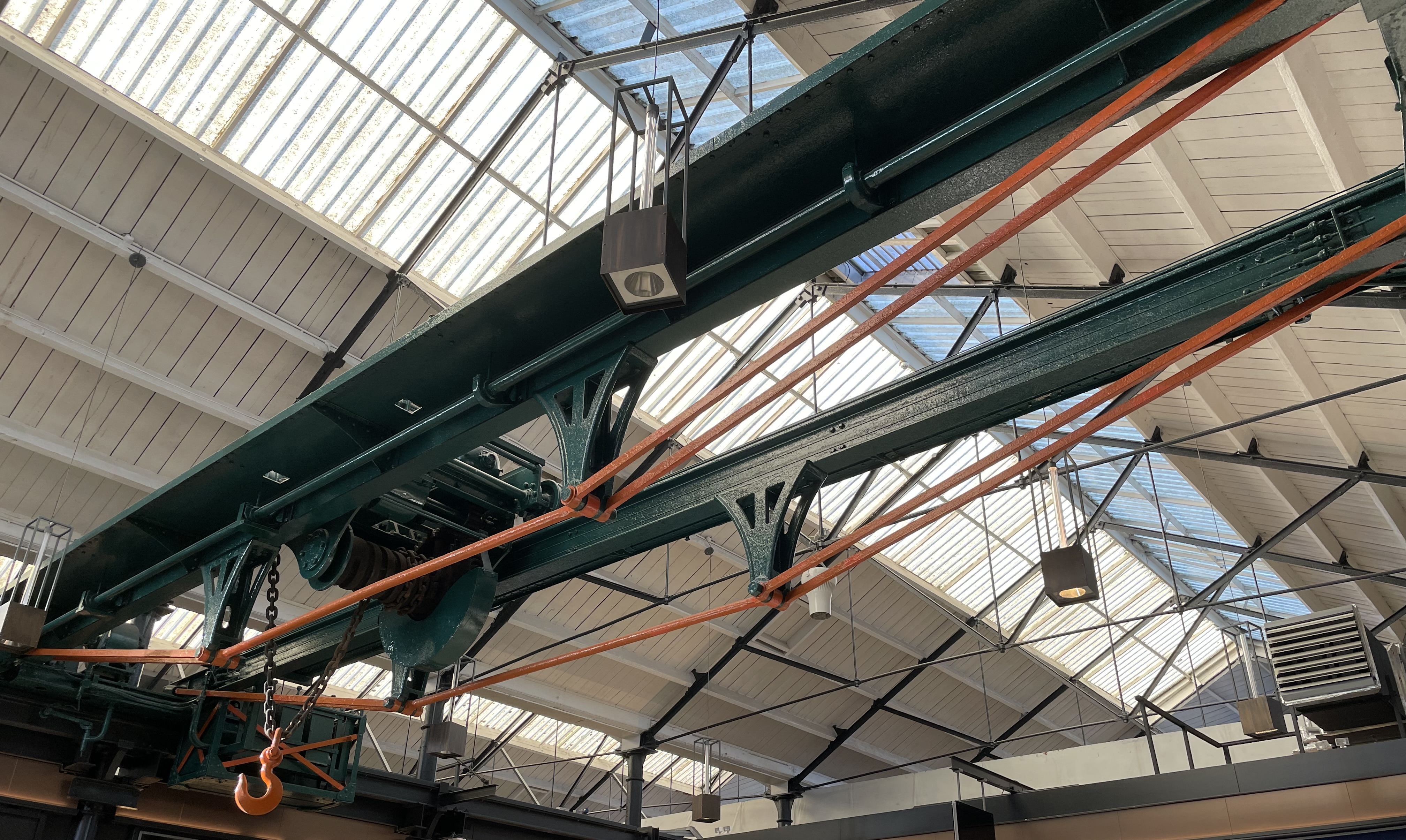
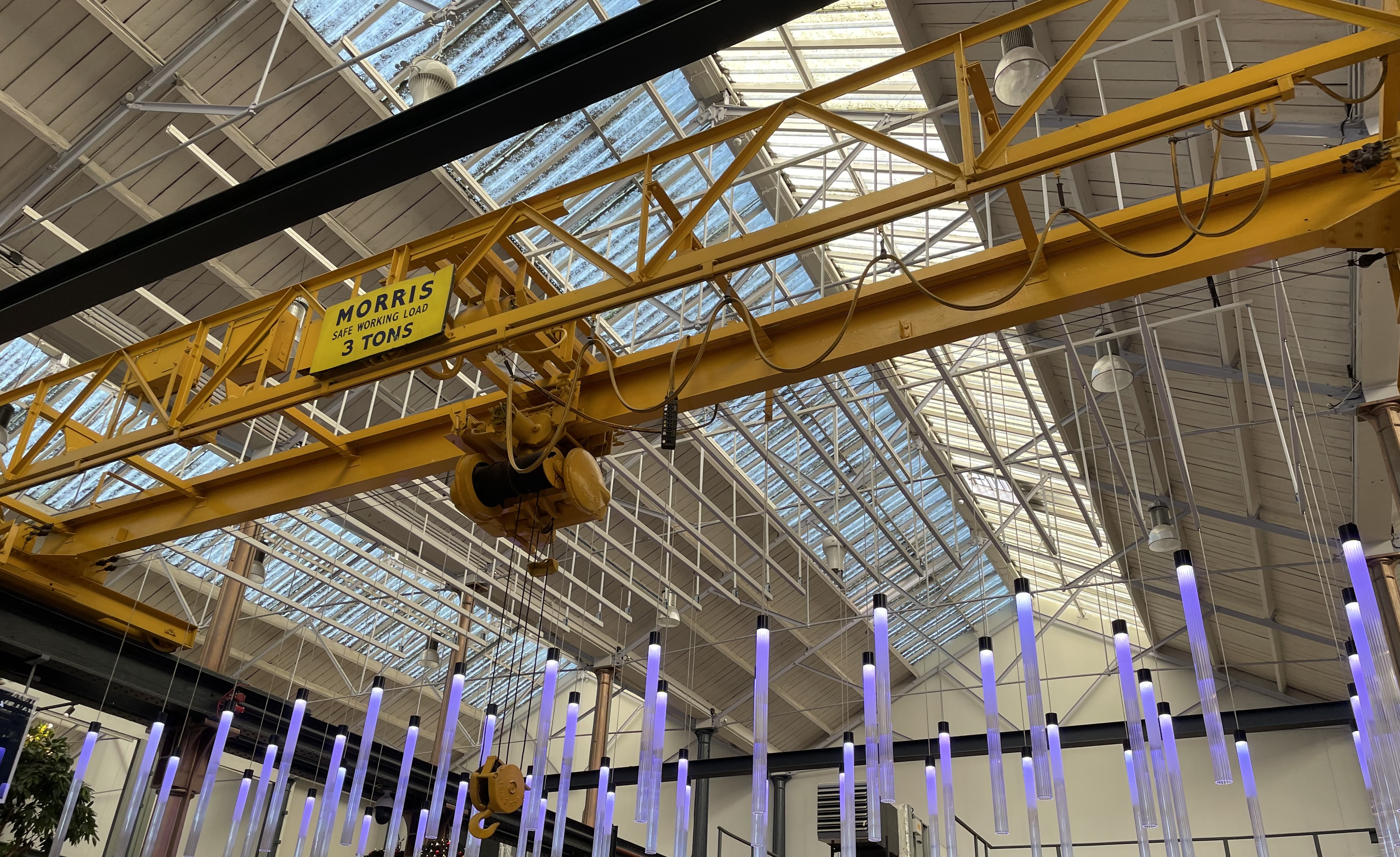
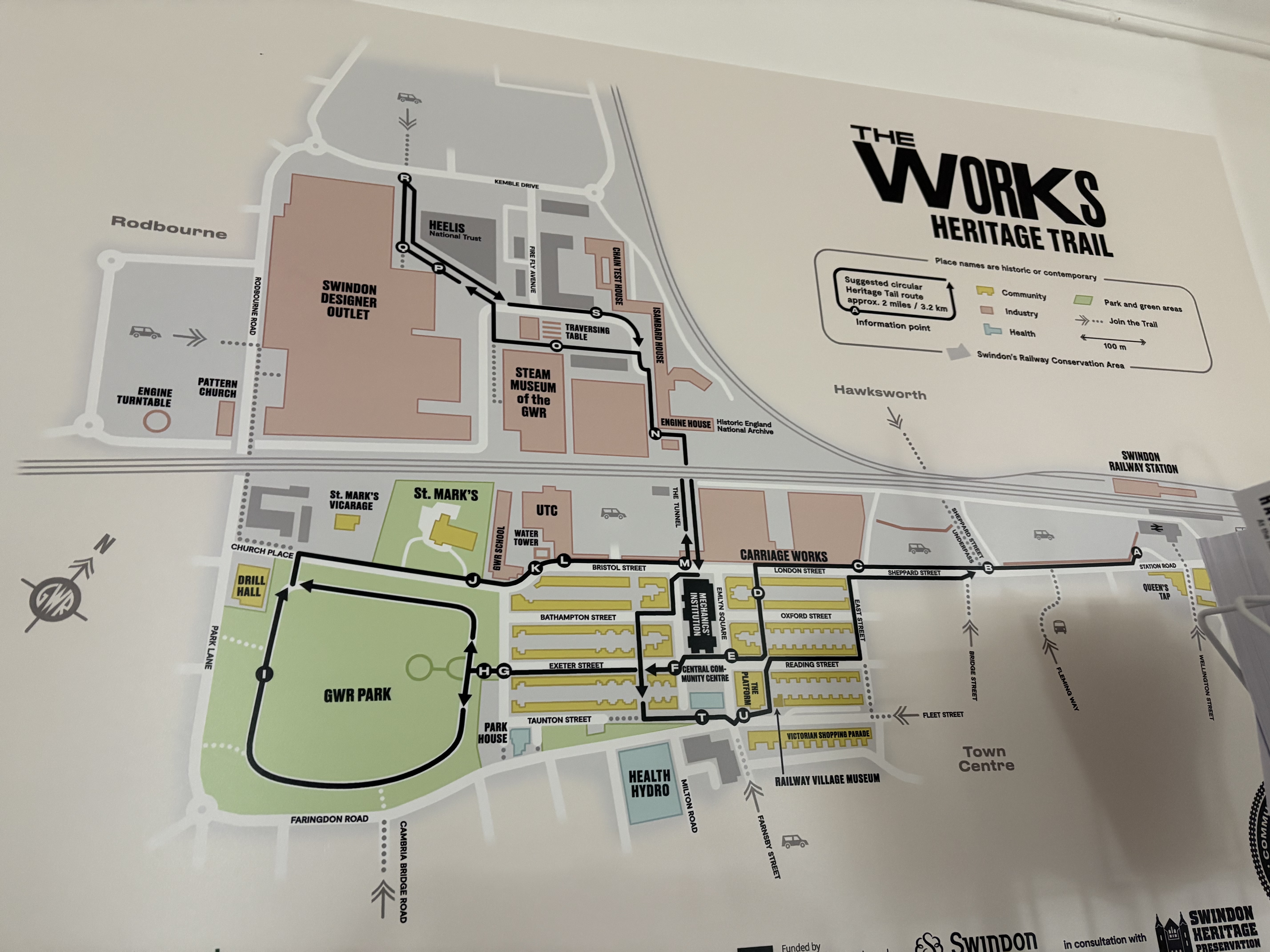
The third place I will tell you about is Swindon’s Mcarthur Glen Designer Outlet. This shopping centre has been built in a large expanse of the old Great Western Railway workshops. This is another space I have walked around often in the years since it was built. I knew it was the old railway works. It has an obvious flavour of the old railway works because it still has industrial items on display and the workshop structures are left, as much as they can be, as they were. However, three years ago I joined a tour of the outlet village led by Gordon Shaw who used to work in the factory and had since spent time researching the history of the working environment and the way of life within it. This tour opened my eyes to things I had not noticed before, so, if you go to the outlet village in Swindon, look up and look around and you’ll be surprised what you see.

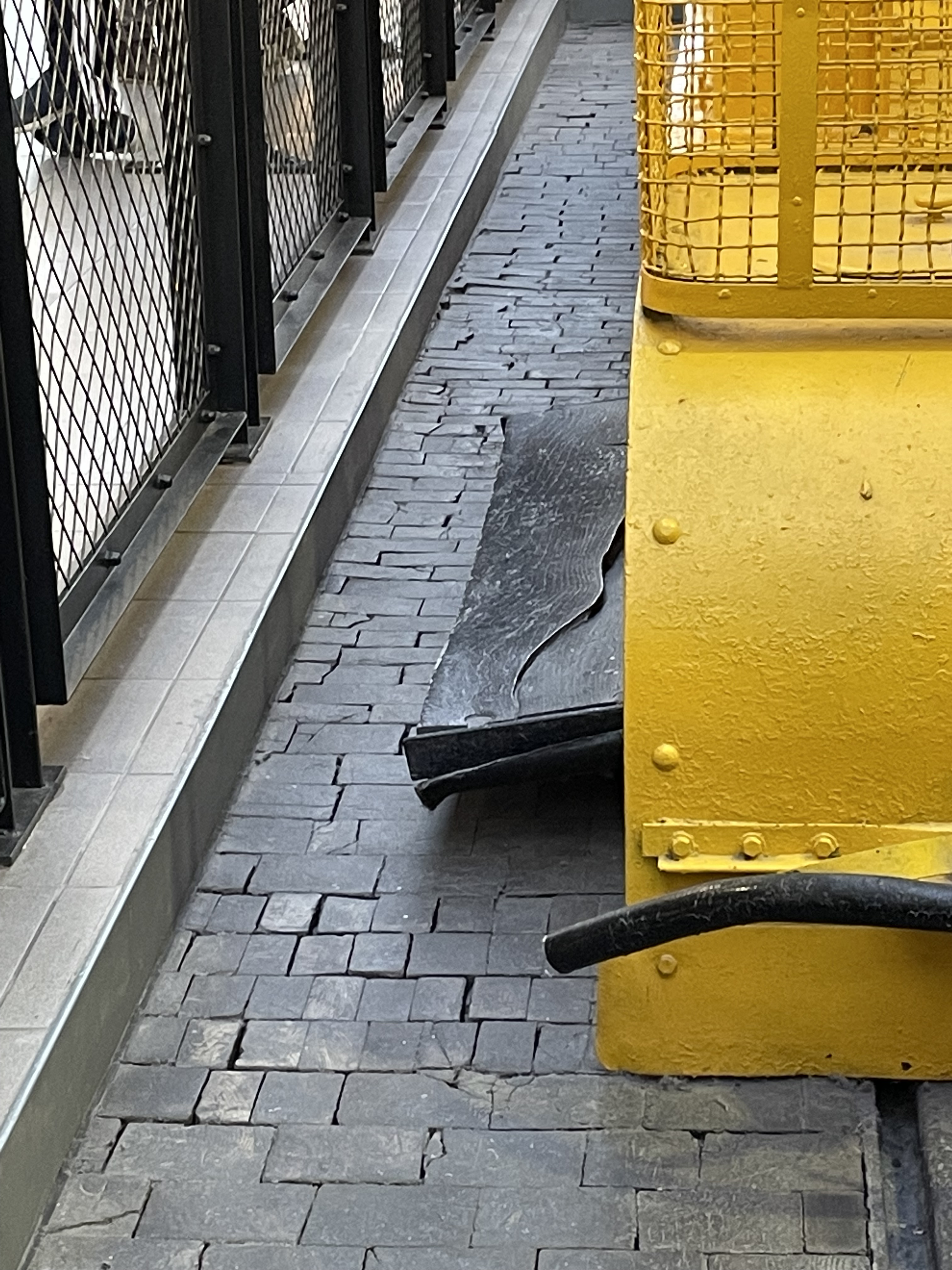
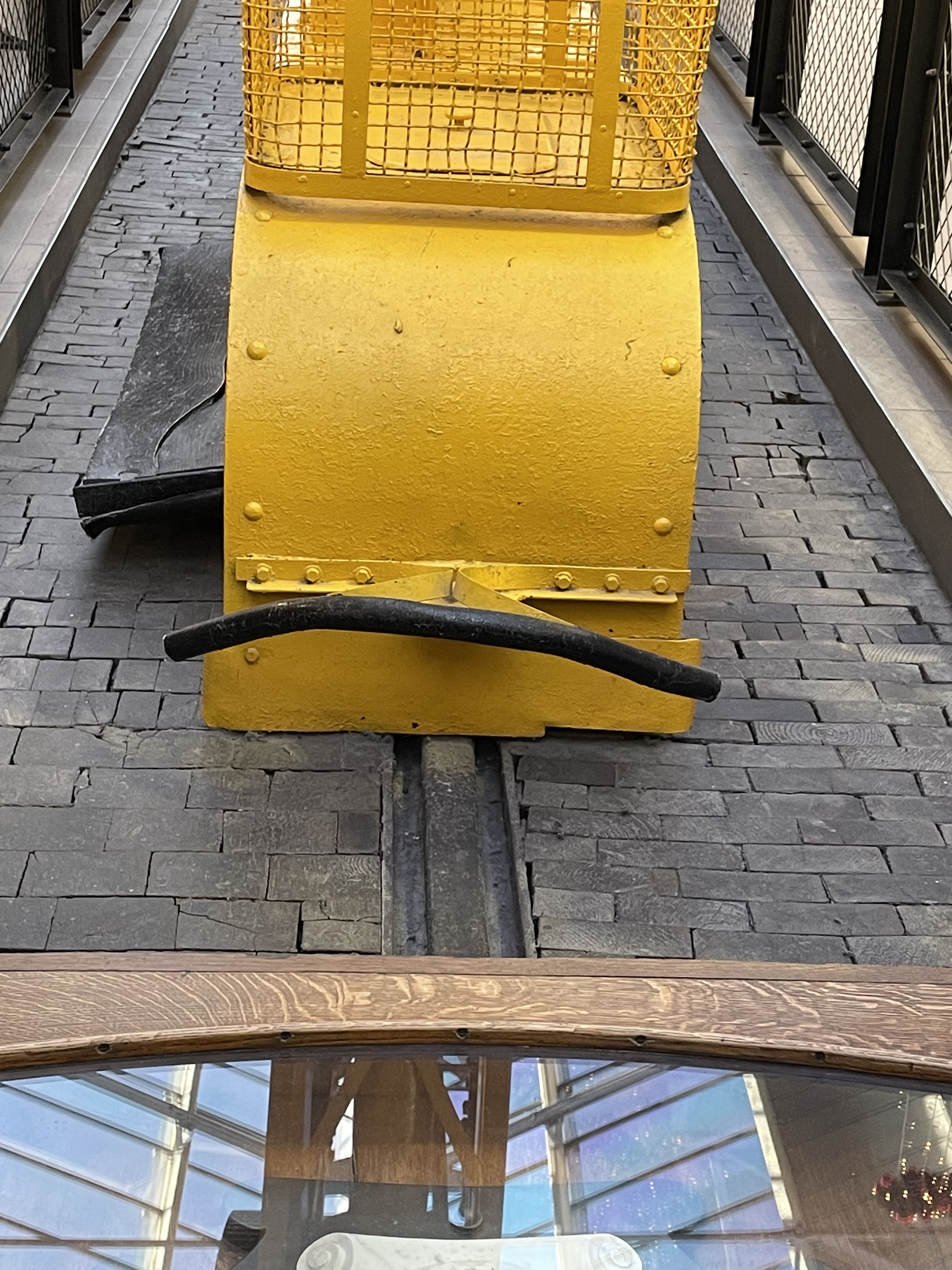
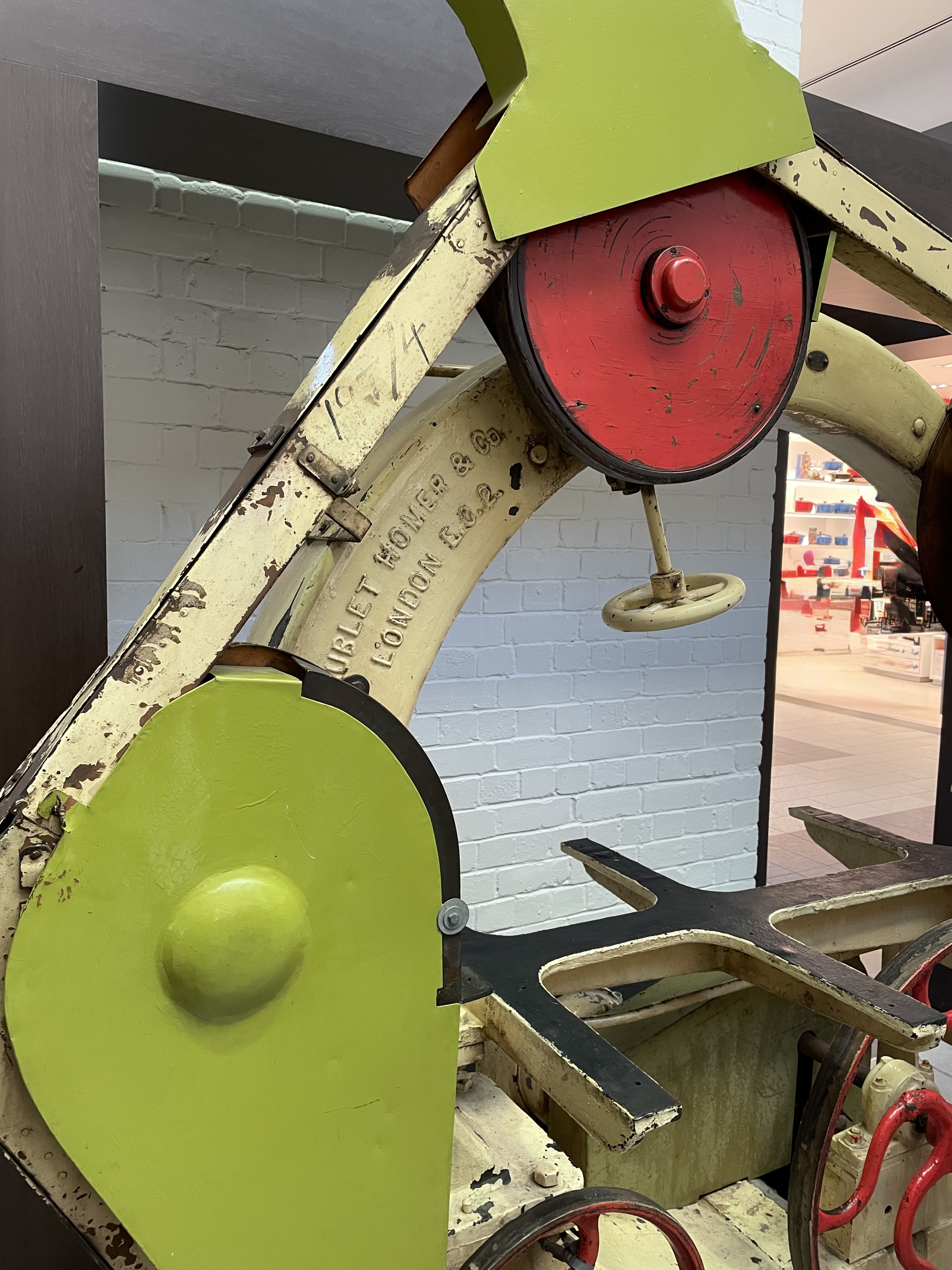
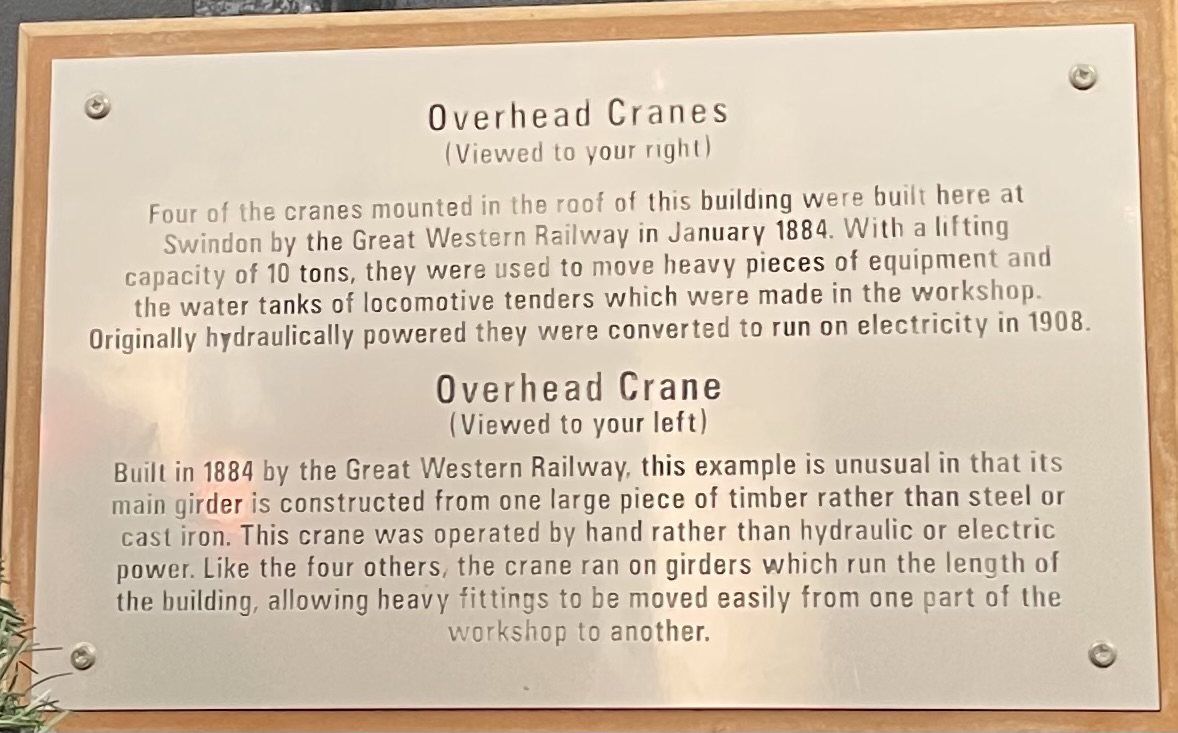
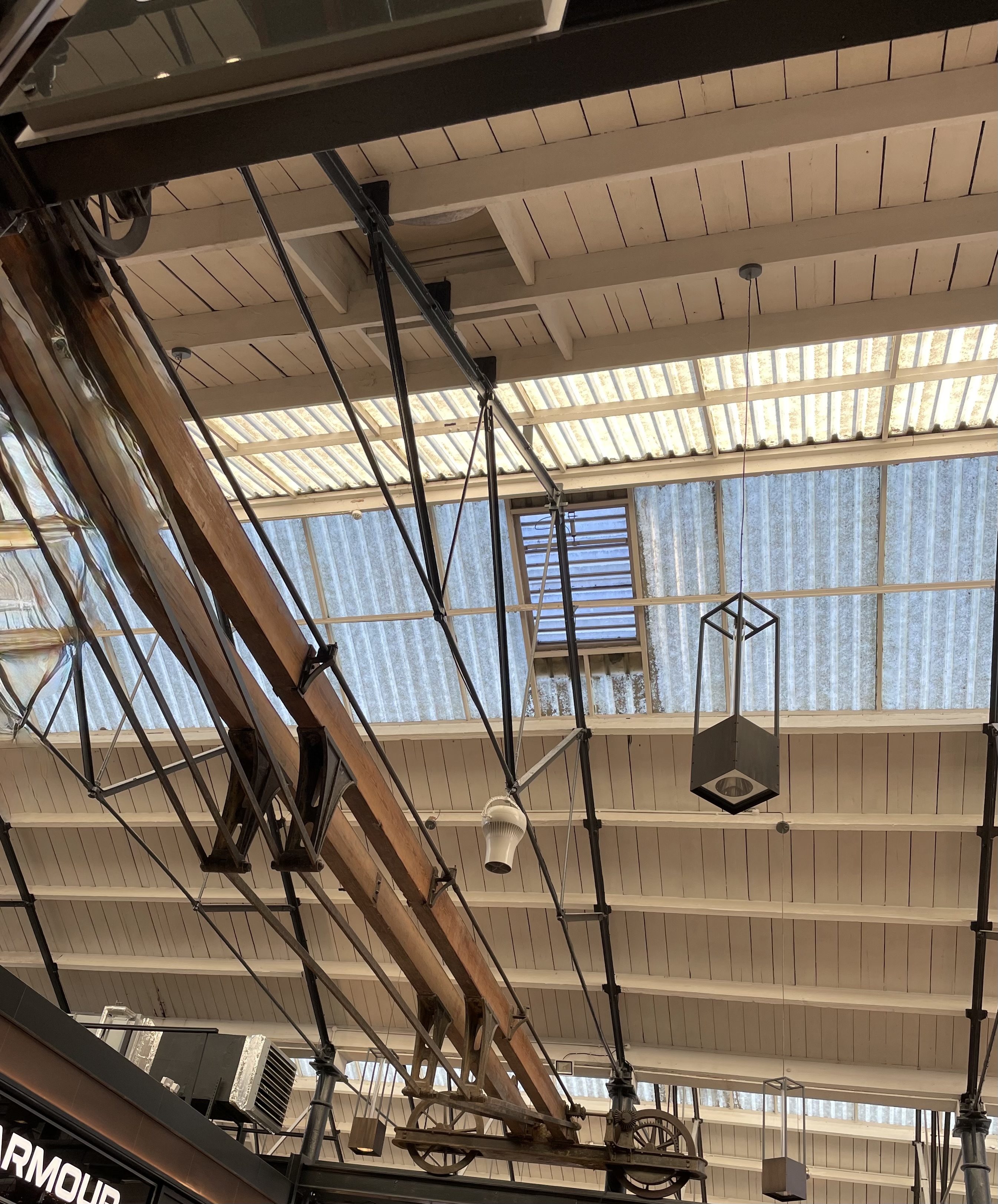
For instance, right in the middle of the front entrance hall, near what was the old pattern store on Rodbourne Road, is a large crane. Of course, I’ve seen the large piece of machinery that is hard not to notice, but on the floor around it you can see wooden cobbles. The cobbles in most of the workshops were made of wood, and that’s because in the workshops that were ‘hot workshops’ (that’s what the workshops containing furnaces were called then), stone flooring would have become too hot. The wood was soaked with oil during processes, so they changed the flooring once a year and men were given the wood to burn. There are so many more things I could say, but another fascinating one for me was one of the earliest cranes. The man would sit up on a crane and move it by turning the mechanism by hand so the crane slid along a system on the roof, and apparently the night shift workers would sometimes hide up on the cranes to sleep.

The old iron workshop is where the Clarks and Marks and Spencer shops are now, and in the John Lewis Outlet there’s still some equipment on display.  

I think I will share just one more place next week, before I share some photographs…