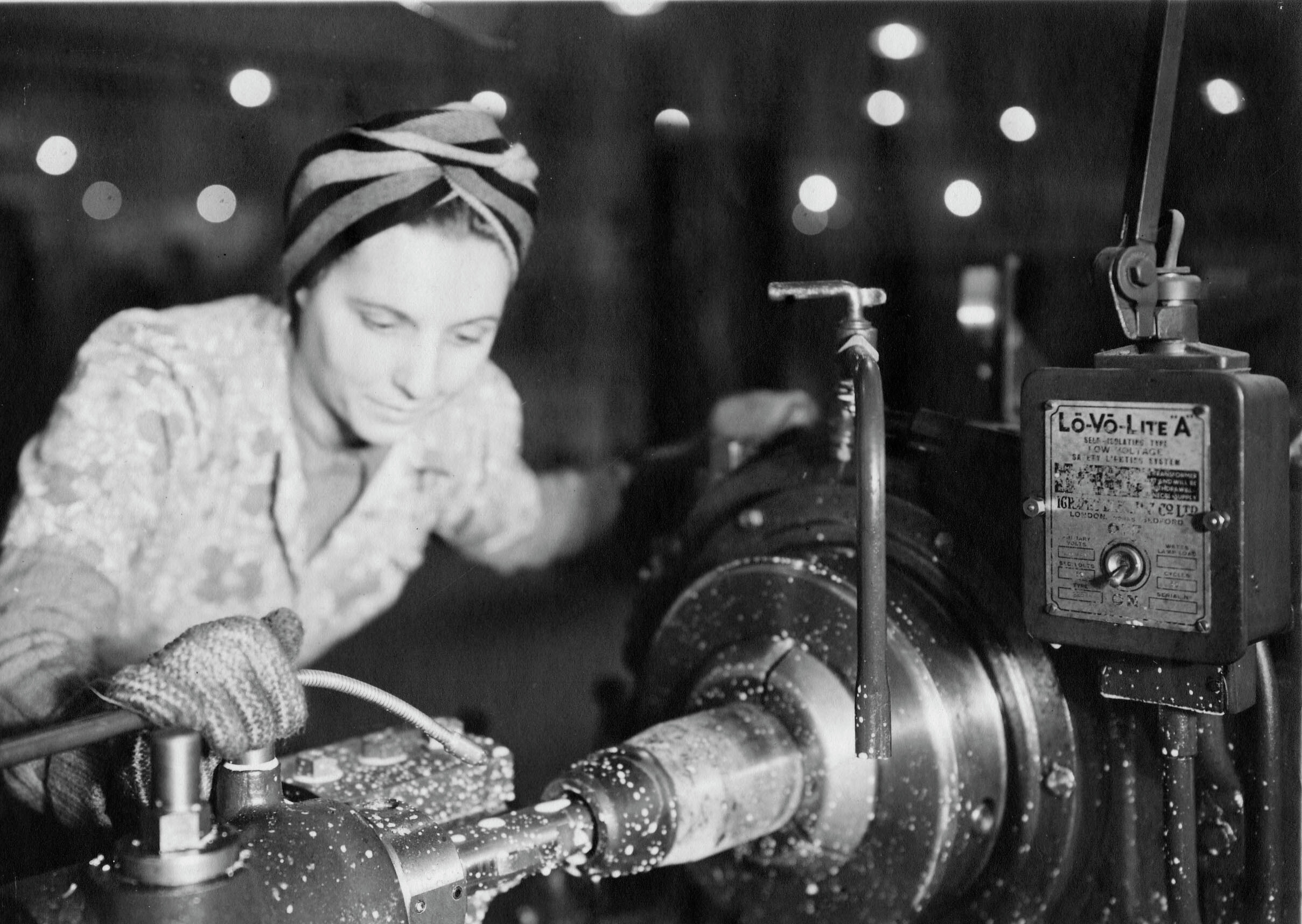
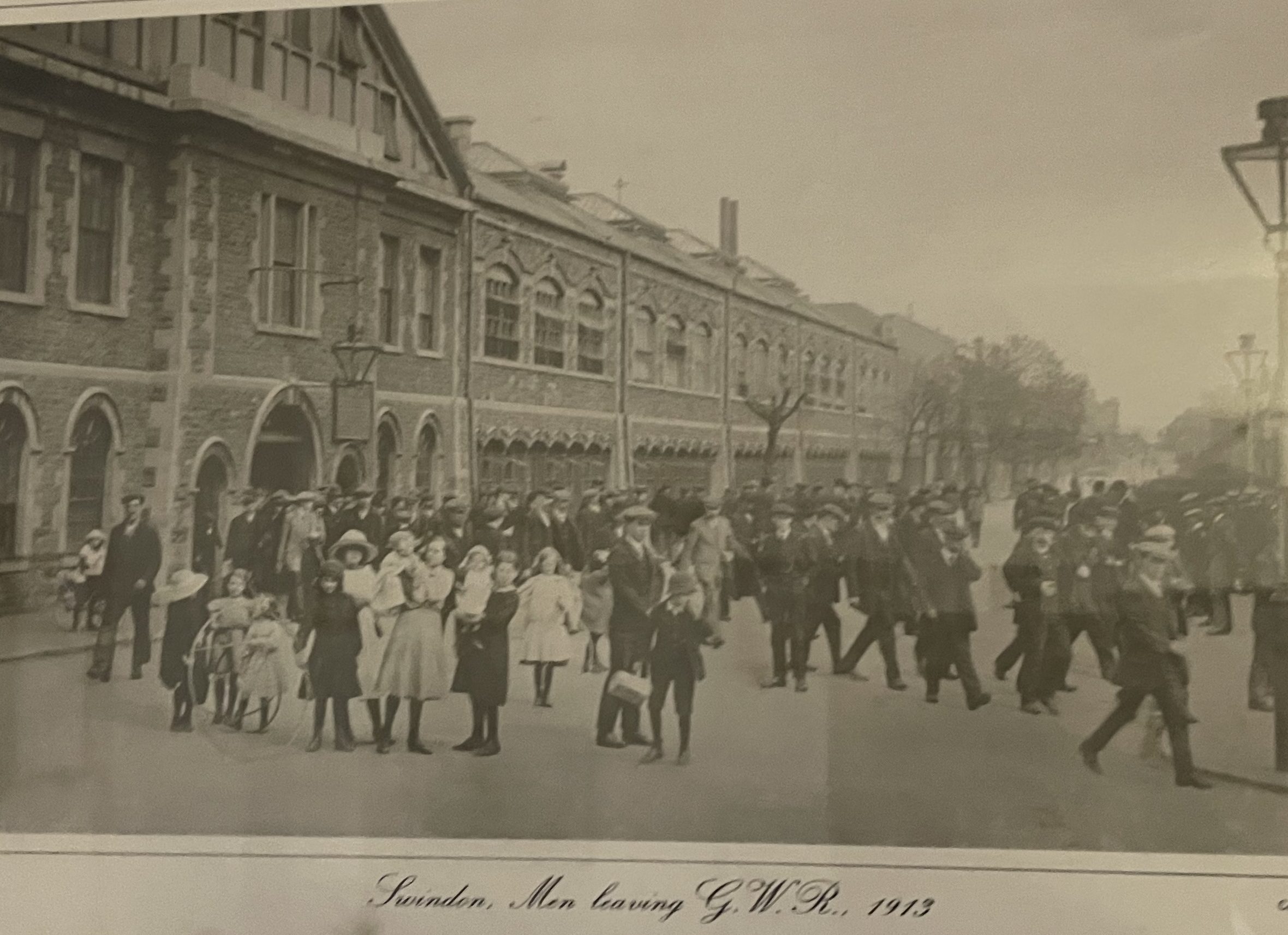
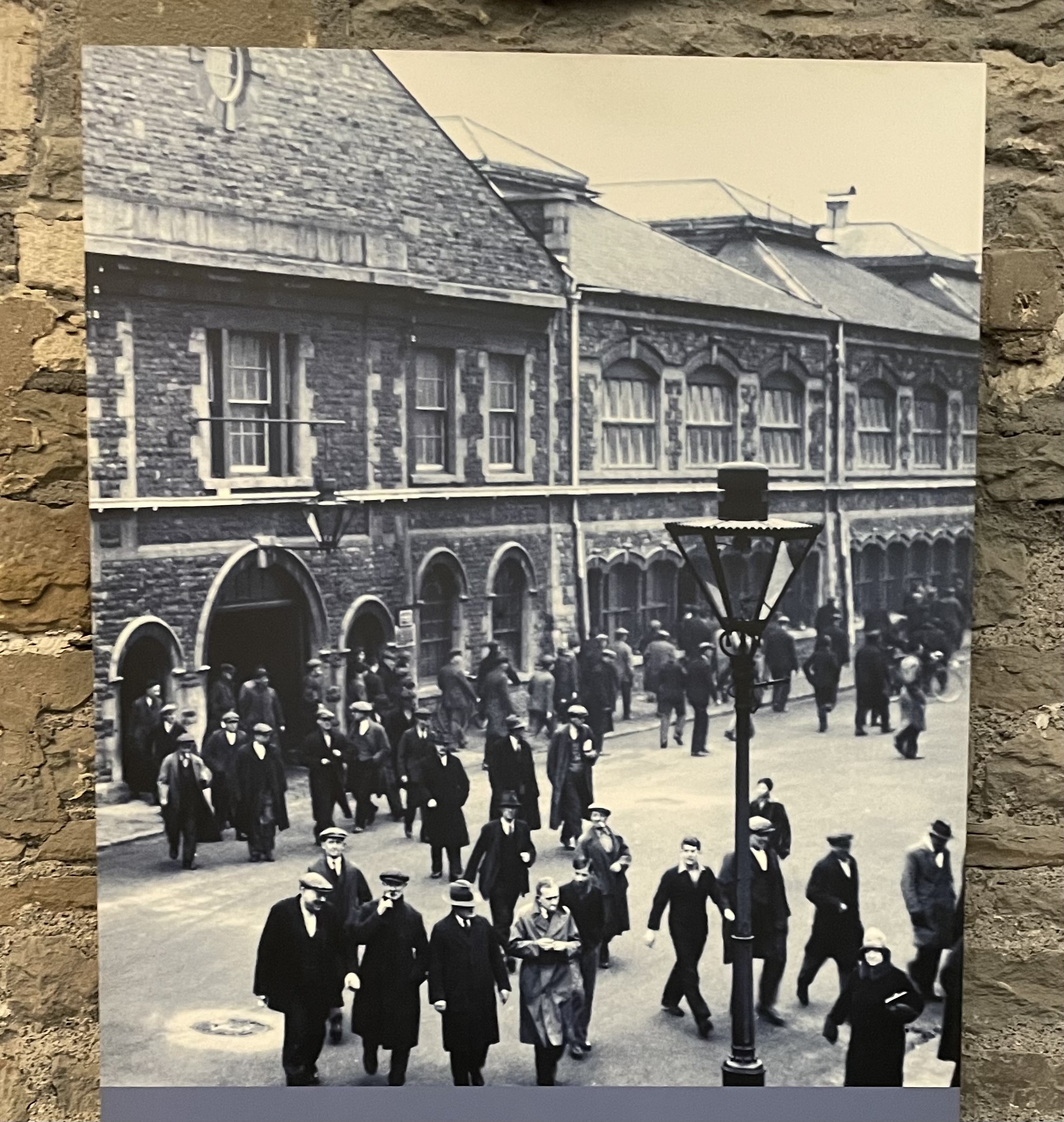
As I said in my previous posts, three of the things that lead me to ideas for books are people, places and pictures. Previously, I have told you about some of the people and four of the places, so let me carry on and share some of the photographs that inspired The Great Western Railway Girls.
Note, I have used Google and Chat GPT to find these photographs and they have come from the STEAM museums picture library, flickr Local Studies Swindon Library & Information Service, and Swindon Web and some I have paid to use to be able to share on my blog, and some I have been given permission to use, so please check the copyright before you save and share any images.
The images did not start my inspirations for the GWR girls, but once I had the idea, the first thing I did was search for World War II images and stories from women who worked in GWR in Swindon. I have actually found it better to go into the STEAM museum archive to read the GWR Magazines to get the way of life stories of the workers, but images…
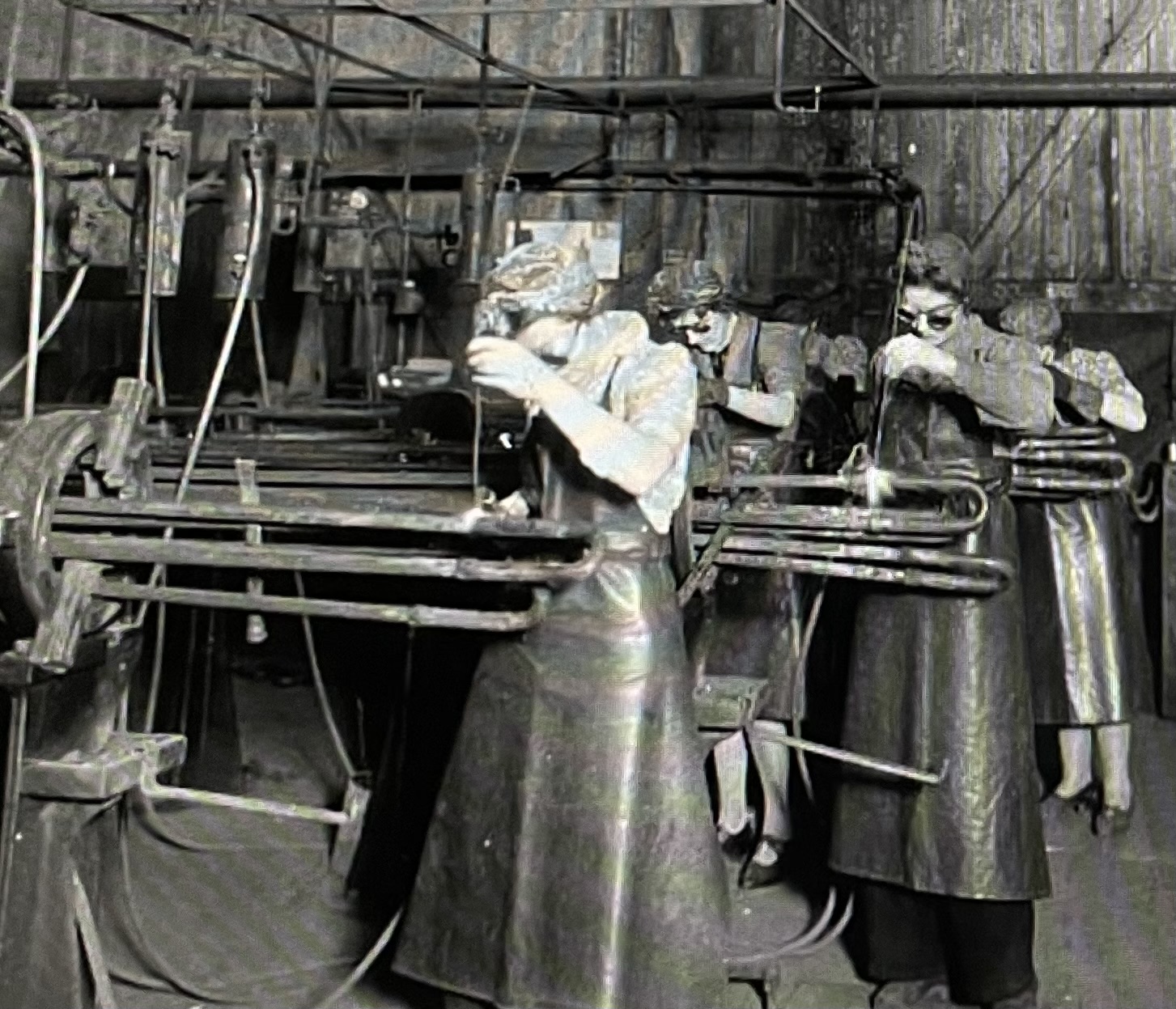
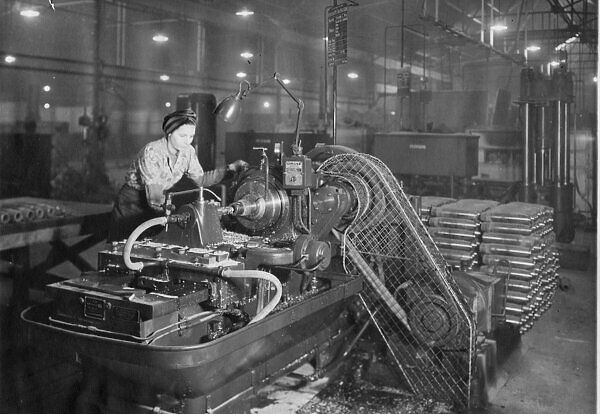
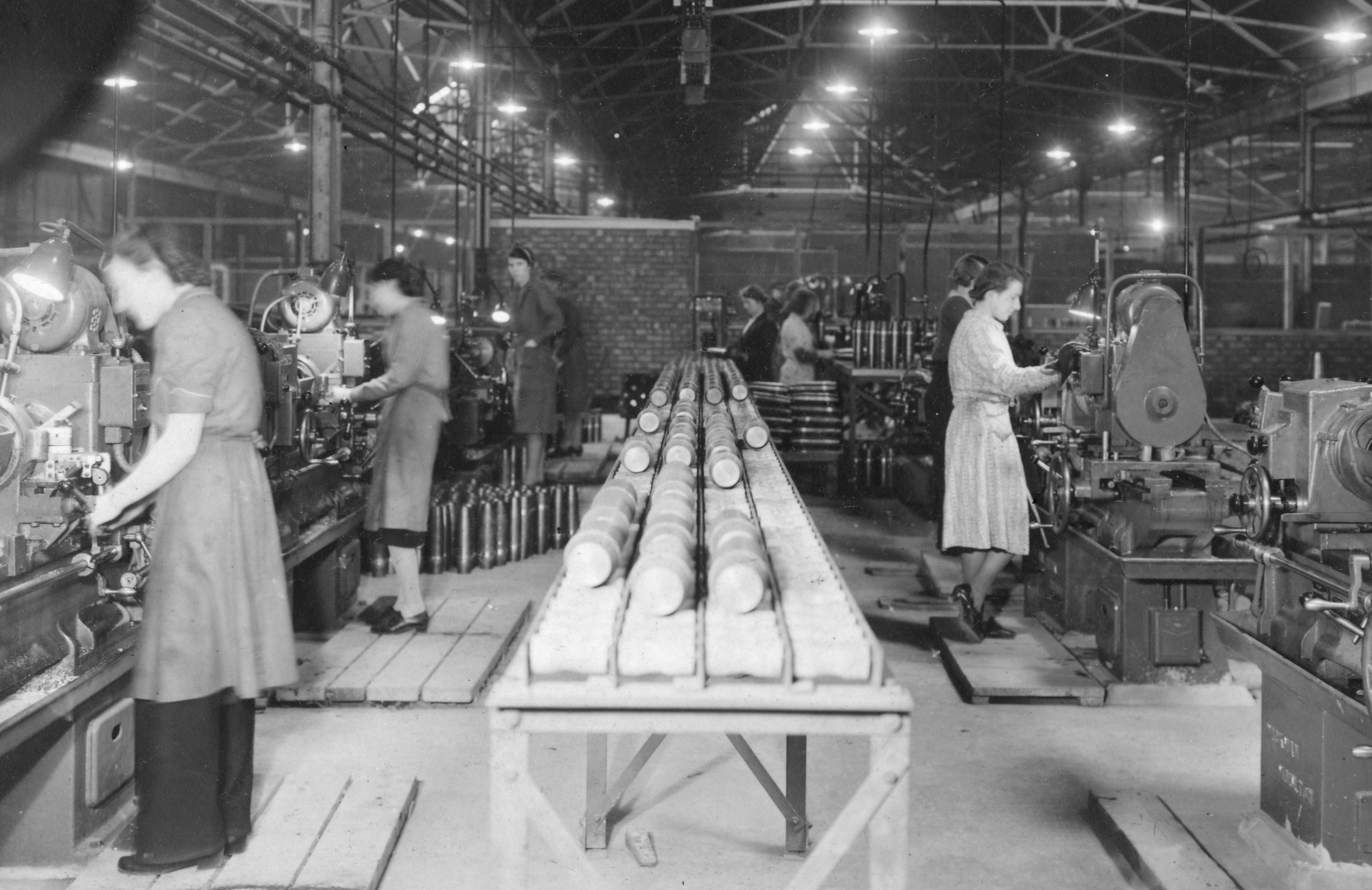
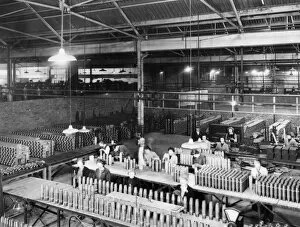
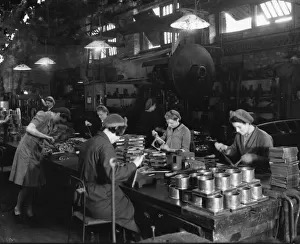
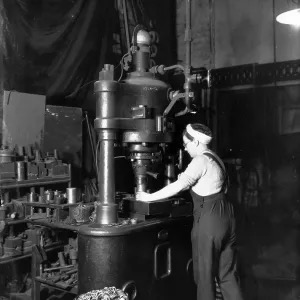
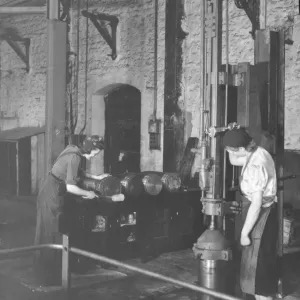
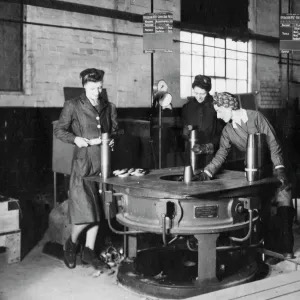
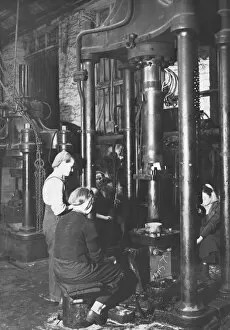
The images help me to see, and therefore describe, what the work environment might be like. It shows me what they wore and what the workstations were like. Also, from the perspective of writing a saga series which is a heavily character storyline lead genre, it shows how the women might be able to talk to one another at work, or not. Of course I add into this the sounds and descriptions I have discovered in the STEAM museum – and so story settings come together.
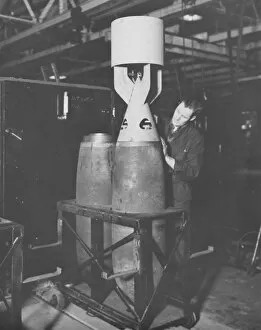
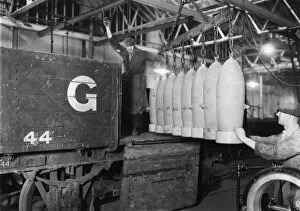
Then I can tally the dates of images with some of the information I know from the GWR magazine and other sources to be able to build accurate timelines of what the women did and when. The women were invited to start working at GWR much earlier in the war, it was not until December 1941 two years into the war that the British government conscripted all unmarried women aged between 20-30 to undertake war work. The GWR Magazine published the increasing numbers of female workers long before that. But I know when the women first started they were making new lanterns that could be used by workers on the train lines during blackout, GWR had to lower the floors in the machine shop before they could start making the bomb cases that my girls progress to making.
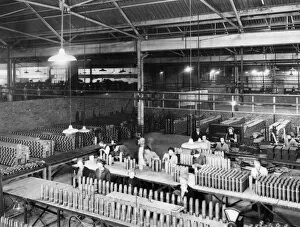
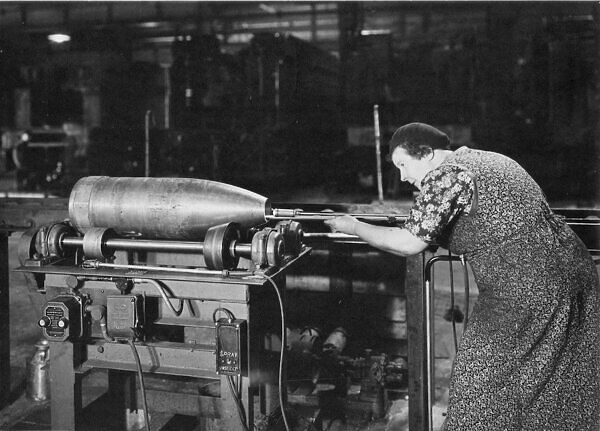
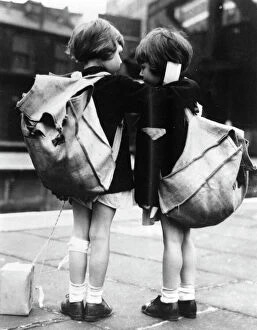
Some specific images, though, have actually directed aspects of the plot, these two young evacuees for one…
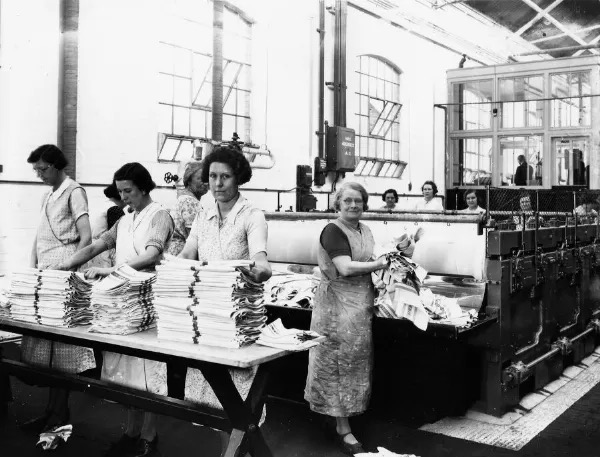
The images below also inspired story aspects, those of groups of women working around machines, and the image of the women working in the laundry which lead to this being where Maggie, her sisters and her friend Violet work in the beginning…
The pictures I have found that have inspired the story for book two, that follows the period of the summer of 1940, have also been fascinating, but I shan’t share those yet.
 Author, Jane Lark's stories