A Boxing Day blog…

The traditions of Christmas as we know it, with decorated trees, presents and cards, began in the Victorian era, but in the reign of the Regency people feasted, swapped presents and decorated their homes with winter greenery.

Earlier on in December this year I visited #Stourhead near Warminster. It is a beautiful estate in every season, and this year the National Trust opened the house to visitors over three weekends in December. The house was decorated for Christmas, and volunteers served warm spiced cider, traditional cinnamon biscuits, peppermints and other festive treats.

The most fascinating room in the house was the music room, which was arranged and decorated as though a musical evening had just taken place. The small pianoforte stood at the front of the room beside a music stand, and on it lay a lady’s fan she may have just put down before beginning to sing. The room had various pieces of furniture laid out in rows, with the odd shawl laid over some, left behind. The eclectic pieces of furniture gathered together, a loveseat, a sofa, soft chairs and spindle chairs, brought together from about the house, surprised me. I imagined such events as well-ordered, regimented almost, with the armies of servants houses had in the Regency era I assume everything to have been perfection. But usually on a music evening they would have dined too, so they would not have used the matching dining room chairs and laid them out in the music room, they would have gathered together all sorts of furniture from the rest of the house. There was something cosy, inclusive, about the room. I had equally imagined these events in big marble lined halls, with a chill in the air, and a soprano voice ringing off the stone. But this room, which is probably like that in the large majority of country estate houses, was relatively low ceilinged and the curtains, the silk covered walls and other furnishing would have caught and held the sound making the whole affair far more intimate.

In a large hall, with light shining back from pale marble and mirrors, I had imagined that in the brightness, those attending, the audience, would have been very visible to others. But this room had the curtains drawn and lamps burning, leaving it shrouded in shadows, and with the chairs on a level, people would have only seen the gestures of those near them, sat in the row in front perhaps, but not if they were seated on a love seat, with a solid back. Even the performer would not see all through the people sitting in the front rows. Ah my romantic imagination flies. Expect this scene in a book.

Happy Christmas, happy reading.

To see pictures of Stourhead at Christmas, see their blog on the link below.

http://stourheadnt.wordpress.com/2011/12/01/a-sneak-peek-at-our-christmas-displays

Jane Lark is a writer of authentic, passionate and emotional love stories.

See the side bar for details of Jane’s books and Jane’s website www.janelark.co.uk to learn more about Jane. Or click  ‘like’ on Jane’s Facebook  page to see photo’s and learn historical facts from the Georgian, Regency and Victorian eras, which Jane publishes there. You can also follow Jane on twitter at @janelark
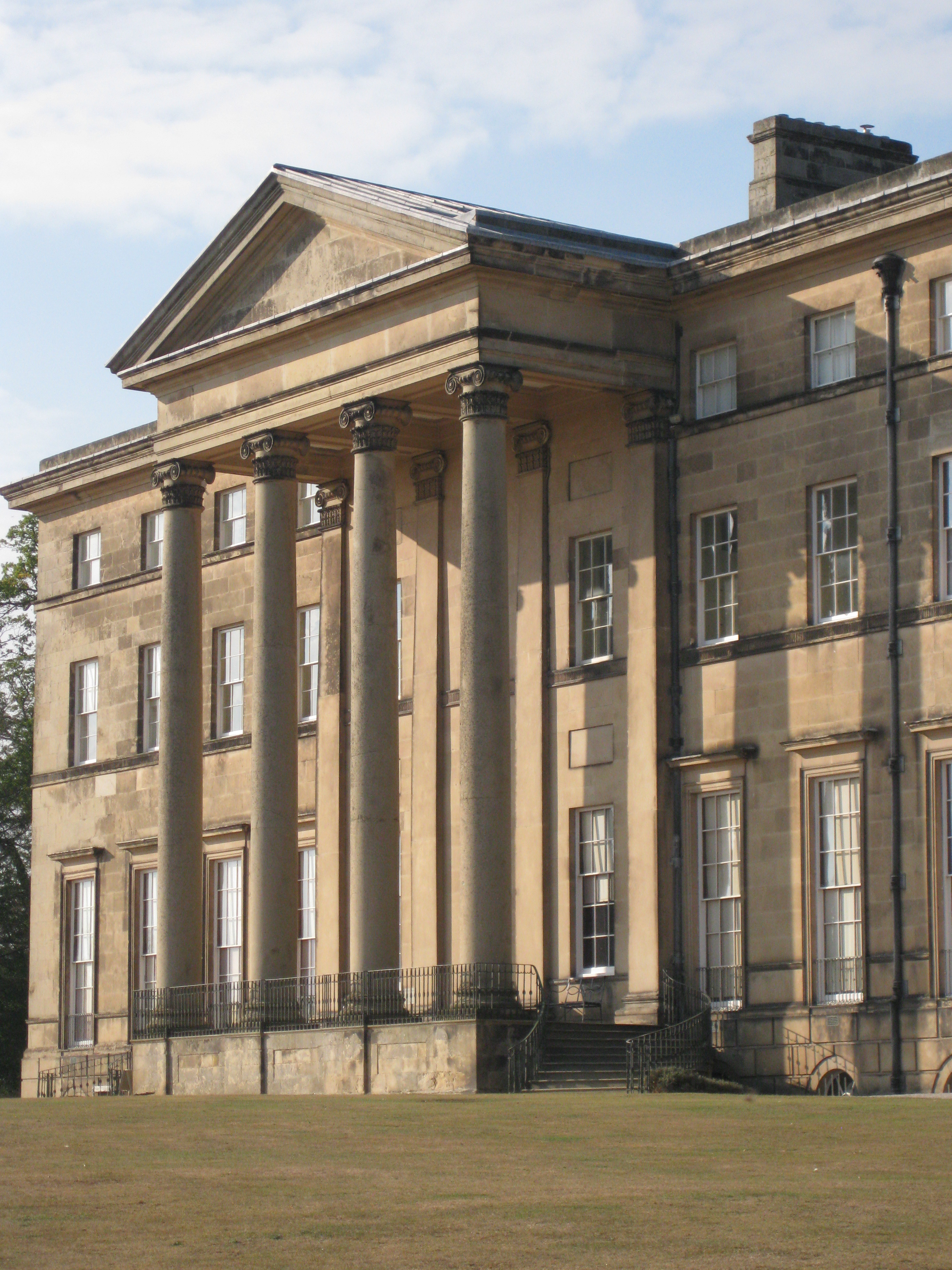
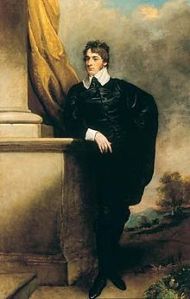
Attingham family tales two: William 3rd Lord Berwick, ‘an Excellent diplomat’

William probably had a more colourful life than his elder brother, in truth, just kept it a little quieter and on the right side of marriage.

He was a diplomat in Italy for 25 years, and saved the day when his elder brother faced bankruptcy and was forced to auction off most of his possessions.

William received hurried letters from his elder brother, telling him to ‘acquire the family portraits,’ and some of the furniture ‘not the showy stuff’ and paintings, ‘especially the two Hacketts.

William did purchase some of the furniture and saved most of the portraits and also leased Attingham to stop it passing out of the family.

220px-3rd_Baron_Berwick

Most interesting though is that when he returned from Italy he brought with him his own collection of furniture and treasures. Including white and gilded furniture from the Plazzo Belvedere, the home of Caroline Murat, Napoleon’s sister, as well as paintings and the ambassadorial silver, gold and french porcelain, which belonged to the Italian embassy in Naples, purchased to impress visitors the ambassador would have entertained.

Surely it should have remained in Italy for the next ambassador?

The National Trust has a theory for why William retained his ambassadorial gold and silver allowance, which was due to be returned on demand or if he left the post. They propose it may have been a deal to encourage him to resign and make way for a replacement, Lord Palmerston’s nephew.

Another question of course is how he obtained Caroline Murat’s furniture. Caroline was Queen of Naples through marriage, and when Napoleon was captured in 1815, Caroline and her husband were forced to flee Naples. It is unknown whether William acquired her possessions by fair means or foul.

Certainly he must have known Caroline, his role as ambassador in Naples was largely one of entertaining the great the and good, although he once stated that his diplomatic role largely concerned ‘losses of Bonnets and Gowns, cruel Custom House officers, or the want of Passports’.

The people he entertained included Byron, who was travelling through Italy to Greece. Byron described him as ‘the only one of the diplomatists whom I ever knew who really is Excellent.’

I think William knew how to throw a good party and be charming. He was known for his natural bon viveur.

Like his elder brother Thomas, William fell for a courtesan, in Italy, who bore him illegitimate (natural) children.

Unlike his elder brother, Thomas, William did not marry her, and never married. Although there is some indication he was briefly engaged to Lady Stanhope who was as sensational a character as Lord Byron.

I can only wonder at the intrigues that might have occurred in Naples.

Perhaps his own commitment to a mistress explains his understanding of Thomas’s wife, he allowed Sophia to retrieve some of her possessions after his brother’s death (see my previous blog for Thomas’s story).

When William died without legitimate issue in 1842, the estate passed to a third brother, a Rector, who never expected to inherit the title and had a far less colourful life, but a drinking habit, he was said to have ‘swallowed more wine than any other man in the country.’


Jane Lark is a writer of authentic, passionate and emotional love stories.

See the side bar for details of Jane’s books, and Jane’s website www.janelark.co.uk to learn more about Jane. Or click  ‘like’ on Jane’s Facebook  page to see photo’s and learn historical facts from the Georgian, Regency and Victorian eras, which Jane publishes there. You can also follow Jane on twitter at @janelark