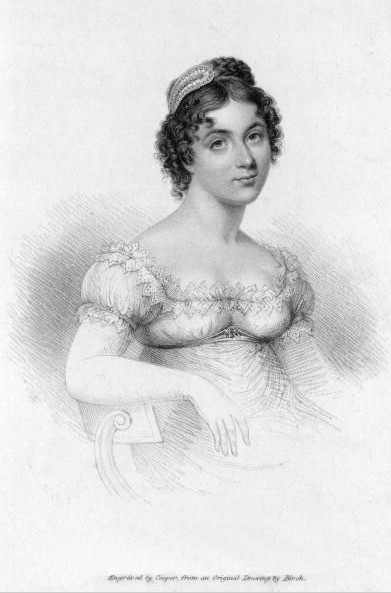
The darker side of Regency England, the story of how Harriette Wilson’s sister, Sophia, was seduced, and coerced, into the life of a courtesan

Harriette_Wilson00This week, Harriette tells us about her sister’s darker experience of the men of Regency England. But before I begin this story let me recap, as usual, for any one joining the story today. If you’ve already read the background then just skip to the end of the italics.

In 1825 Harriette Wilson, a courtesan, published a series of stories as her memoirs in a British broad sheet paper. The Regency gentleman’s clubs were a buzz, waiting to see the next names mentioned each week. While barriers had to be set up outside the shop of her publisher, Stockdale, to hold back the disapproving mob.

Harriette was born Harriette Debochet, she chose the name Harriette Wilson as her professional name, in the same way Emma Hart, who I’ve blogged about previously, had changed her name. Unlike Emma, it isn’t known why or when Harriette changed her name.

She was one of nine surviving children. Her father was a watchmaker and her mother a stocking repairer, and both were believed to be from illegitimate origin.

Three of Harriette’s sisters also became courtesans. Amy, Fanny and Sophia (who I have written about before). So the tales I am about to begin in my blogs will include some elements from their lives too.

For a start you’ll need to understand the world of the 19th Century Courtesan. It was all about show and not just about sex. The idle rich of the upper class aspired to spending time in the company of courtesans, it was fashionable, the thing to do.

You were envied if you were linked to one of the most popular courtesans or you discovered a new unknown beauty to be admired by others.

Courtesans were also part of the competitive nature of the regency period too, gambling was a large element of the life of the idle rich and courtesans were won and lost and bartered and fought for.

So courtesans obviously aspired to be one of the most popular, and to achieve it they learnt how to play music, read widely, so they could debate, and tried to shine in personality too. They wanted to be a favoured ’original’.

The eccentric and outspoken was admired by gentlemen who liked to consort with boxers and jockeys, and coachmen, so courtesans did not aim for placid but were quite happy to insult and mock men who courted them, and demand money for any small favour.

Now Harriette and her sisters, Fanny and Amy, had become famous, or rather infamous, you can, perhaps, imagine the turn of some men’s thoughts. There were still younger girls in the Debochet home… What of them?

So, in the spirit of competition, and the desire to seek out a new beauty to show off to his friends, to encourage envy, Lord Deerhurst had the idea of plucking one of the Debochet sisters straight from the nest, rather than wait for her to choose her own path and perhaps favour a another man, or decide not to follow her sisters into the illicit life of a courtesan at all.

Sophia was still a child, only about thirteen, when Lord Deerhurst took an interest in her. He watched her, and followed her, and then began giving her gifts, just little worthless metal trinkets, which he convinced young Sophia were valuable.

Sophia had her sisters model to follow, and she must have seen their impressive, expensively furnished town houses, their carriages, their presents from gentlemen callers, and their servants, and fancied a place in that life. But from Harriette’s description, she, believed her young, vulnerable sister as ‘innocent as an infant of the nature of seduction, and it’s consequences.’

When Sophia went missing, word flew about the family. ‘She is off! Sophia is off! Run away, nobody knows where.’ She had disappeared in the evening, and her mother and father were set into a panic.

Harriette’s father called on Lord Deerhurst suspecting the man who had been watching his house and his daughter, only to be told Lord Deerhurst was not at home.

Harriette’s mother called on Harriette and begged her daughter, who was wise in the world of these, arrogant, competitive, self-indulging men, to tell her what to do.

Harriette says she wrote in the strongest terms to Lord Deerhurst, begging him to think of the consequences of detaining a child, and if he ‘was not really dead to all shame’ to bring Sophia back to her, immediately, while she encouraged her father to find legal help to get Sophia back.

Calling Lord Deerhust, both the ‘Prince of hypocrites’, and a ‘monster’ Harriette then recounts how he returned Sophia to her, having forcible obtained all he wished from her sister. He pleaded that Harriette’s letter touched him so deeply he had to bring Sophia back, and claimed she was untouched, and that they had merely talked all night. But Harriette judges his motive for seeking forgiveness, mercenary, as the cheapest way he can see to bring back the child, without incurring any expense.

Harriette describes Sophia as looking frightened.

Now ruined, Sophia was kept out of sight, while her father sought recompense on her behalf, for her damaged reputation. It was unlikely any decent man would take Sophia now, her life had been set upon the same course as her sisters.

But this recompense came at a high personal price, Sophia had to choose to stay with the man who had seduced her and coerced her into letting him take what he wished, if she was to receive an annual sum of three hundred pounds. But then, if she left him, or was unfaithful, the sum would reduce to one hundred pounds per year.

Harriette advised her sister to accept the agreement, believing there was no honest future for Sophia now.

Ten months after the abduction, Lord Deerhurst moved Sophia into rented rooms, which Harriette describes as ‘miserable lodgings’ near Grosvenor Place.

And so, another of Harriette sisters joined the Regency courtesans.

More next week 🙂

Jane Lark is a writer of authentic, passionate and emotional love stories.

See the side bar for details of Jane’s books, and Jane’s website www.janelark.co.uk to learn more about Jane. Or click  ‘like’ on Jane’s Facebook  page to see photo’s and learn historical facts from the Georgian, Regency and Victorian eras, which Jane publishes there. You can also follow Jane on twitter at @janelark
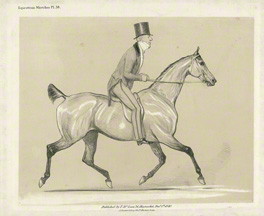
Harriette Wilson questions her lovers friend to learn more about Lord Ponsonby’s relationship with is wife – guilt or jealousy…

Harriette_Wilson00Last week I wrote about the beginning of Harriette’s, the real 19th Century courtesan’s, affair with Lord Ponsonby. But while she sought to keep her liaisons with Lord Ponsonby secret, she continued to try to find out as much about him, as she could, thoroughly obsessed. And the thing she was most obsessed with, was his relationship with his wife.

So before I begin, here’s the usually recap for those who might not have read my blog before, giving you the back ground to this series of blogs. If you have read it before skip to the end of the italics.

In 1825 Harriette Wilson, a courtesan, published a series of stories as her memoirs in a British broad sheet paper. The Regency gentleman’s clubs were a buzz, waiting to see the next names mentioned each week. While barriers had to be set up outside the shop of her publisher, Stockdale, to hold back the disapproving mob.

Harriette was born Harriette Debochet, she chose the name Harriette Wilson as her professional name, in the same way Emma Hart, who I’ve blogged about previously, had changed her name. Unlike Emma, it isn’t known why or when Harriette changed her name.

She was one of nine surviving children. Her father was a watchmaker and her mother a stocking repairer, and both were believed to be from illegitimate origin.

Three of Harriette’s sisters also became courtesans. Amy, Fanny and Sophia (who I have written about before). So the tales I am about to begin in my blogs will include some elements from their lives too.

For a start you’ll need to understand the world of the 19th Century Courtesan. It was all about show and not just about sex. The idle rich of the upper class aspired to spending time in the company of courtesans, it was fashionable, the thing to do.

You were envied if you were linked to one of the most popular courtesans or you discovered a new unknown beauty to be admired by others.

Courtesans were also part of the competitive nature of the regency period too, gambling was a large element of the life of the idle rich and courtesans were won and lost and bartered and fought for.

So courtesans obviously aspired to be one of the most popular, and to achieve it they learnt how to play music, read widely, so they could debate, and tried to shine in personality too. They wanted to be a favoured ’original’.

The eccentric and outspoken was admired by gentlemen who liked to consort with boxers and jockeys, and coachmen, so courtesans did not aim for placid but were quite happy to insult and mock men who courted them, and demand money for any small favour.

Harriette asked a man she knew well, and knew was a close friend of Lord Ponsonby’s, why Lord Ponsonby did not adore his beautiful, young wife?

His friends answer was that Lord Ponsonby, was, affectionate and kind towards her.

Harriette agreed with this, and said she’d heard this was true but that Lord Ponsonby did not fly to his wife for consolation when he was melancholy, nor consult her, nor make a friend of her.

John Ponsonby, 4th Earl of Bessborough

John Ponsonby, 4th Earl of Bessborough

Lord Ponsonby’s friend answered,  ‘Lady Fanny is a sweet-tempered child, but not at all clever: and then, poor thing! She is very deaf.’

Harriette dug deeper, whether it was because she suffered feelings of guilt over Lord Ponsonby’s wife, or jealousy because his wife held a more permanent position in his life, she gives us no indication. But she was not leaving the subject there. To draw it out further Harriette reflects on Lady Ponsonby’s beauty, speaking of her calm, happy expression, perfect skin and large brown eyes–

‘Like your own.’ The gentleman commented.

Harriette did not comment, but encouraged the man to continue.

‘With all their beauty, men soon grow tired of those Jerseys,’ (Lord Ponsonby’s wife was the daughter of Lady Jersey). The man then speaks of an old flame of Harriette’s, Lord Argyle, saying perhaps he was the exception as ‘the wicked world say the Duke of Argyle has been in love more than twenty years,’ with one of the women from the Jersey family.

Harriette proposes that one of this woman’s sons, is supposed to be the Duke of Argyle’s, but Lord Ponsonby’s friend replied, ‘Let us hope it is all vile scandal.’

Harriette then turns the conversation back to Lady Ponsonby, asking, how she spends her time?

Lord Ponsonby’s friend says that she draws prettily, and tells Harriette how she found a mouse and has trained it to become a pet and feed from her hand. He tells Harriette that she spends time with her sister too, but does not like society.

‘She is not a flirt,’ Harriette surmises, whether she thinks it a positive or negative thing in the context of her own endeavor, we can’t tell. But Lord Ponsonby’s friend confirms it. Saying, what man would she flirt with when she had Lord Ponsonby as a husband.

Harriette then encourages the gentleman to speak of his friendship, and he describes Lord Ponsonby as good nature, speaking of his shyness, but saying that when he does speak he is ‘eloquent and persuasive.’  He wishes to encourage his friend to play an active part in the House of Lords when his a father dies, but claims Lord Ponsonby denied any part he might take, saying that he can barely ‘find the nerve’  to say yes, or, no, ‘and that in a quiet voice’.

Harriette asked, how Lord Ponsonby had become shy?

His friends answers ‘And how came it to become him so well?’ Highlighting that Lord Ponsonby is not awkward as other men who suffered shyness might be, but graceful with it.

The two men were at school together, and Lord Ponsonby’s friend says women chased Lord Ponsonby when he was fifteen, but even by the time he was eighteen he had probably never looked a women in the face. Lord Ponsonby’s friend describes his, ‘Irish character’, and warm passionate nature. Yet he then progresses to describe how late at night, seeing his brothers getting caught up in a fight, Lord Ponsonby stripped off his shirt and fought with his fists like a prize-fighter.

Harriette turns the conversation back to Lord Ponsonby’s wife, ‘How long have they been married?’

‘Five years?’

‘And Lady Fanny’s age?’

‘Twenty.’

Then Harriette, digs even deeper and asks if Lord Ponsonby married for money or love.

Lord Ponsonby’s friend scoffs at the fact his friend might ever marry for money. Saying that he had begun to think Harriette knew Lord Ponsonby until she made such an error of judgement about him.

Harriette suggests it was love then, and Lord Ponsonby’s friend, who she now calls, Lee, goes on to explain…

Lord Ponsonby first saw his wife when she was fourteen, and was struck by her beauty. His friend speaks of remembering walking past her house one night with Lord Ponsonby, ‘The loveliest young creature I ever beheld on earth lies in that room, dying.’ The future Lady Ponsonby, Fanny, had caught scarlet fever, and was left deaf after it.

When she recovered, Lord Ponsonby and his friend would call on her, and she would show off her short hair, which had previously hung to her waist, and now did so again, to make the room laugh at her. But Lord Ponsonby’s friend said she was still remarkably beautiful, even with all her hair cut off.

Lord Ponsonby was described as being stirred by pity and admiration, as well as being drawn to her beauty, because the young Fanny, was so open-hearted, no matter her affliction. He imagined her, this sweet fragile natured young woman, married to another man who might treat her ill, and then set upon the idea of marrying her himself to protect her. That he did. But having married her when she was just fifteen, he discovered that not only was she deaf, but she was not intelligent, nor witty, and it left Lord Ponsonby wishing for more from his marriage, for a companionship as well as beauty.

He said, Lord Ponsonby treated his wife more like she was a child.

So was it out of guilt or jealousy, that Harriette enquired, or just a deep interest in learning more about the man she’d fallen for, you’ll have to make your own judgement, because she doesn’t give us any clue…

It was then that Lord Ponsonby’s father died, and he was drawn away from Harriette again.

Harriette’s story continues next week…

Jane Lark is a writer of authentic, passionate and emotional love stories.

See the side bar for details of Jane’s books and Jane’s website www.janelark.co.uk to learn more about Jane. Or click  ‘like’ on Jane’s Facebook  page to see photo’s and learn historical facts from the Georgian, Regency and Victorian eras, which Jane publishes there. You can also follow Jane on twitter at @janelark