My visit to Stratford upon Avon satisfied another of my odd obsessions

… Old Trees!

We visited all of the Shakespeare Trust managed properties when we stayed in the town in May, the house we really did not think was worth the visit, though, was New Place. The reason is in the name, it is new, although it was built on the site of Shakespeare’s family home, there is nothing left of the original building and therefore the building was not a satisfying experience.

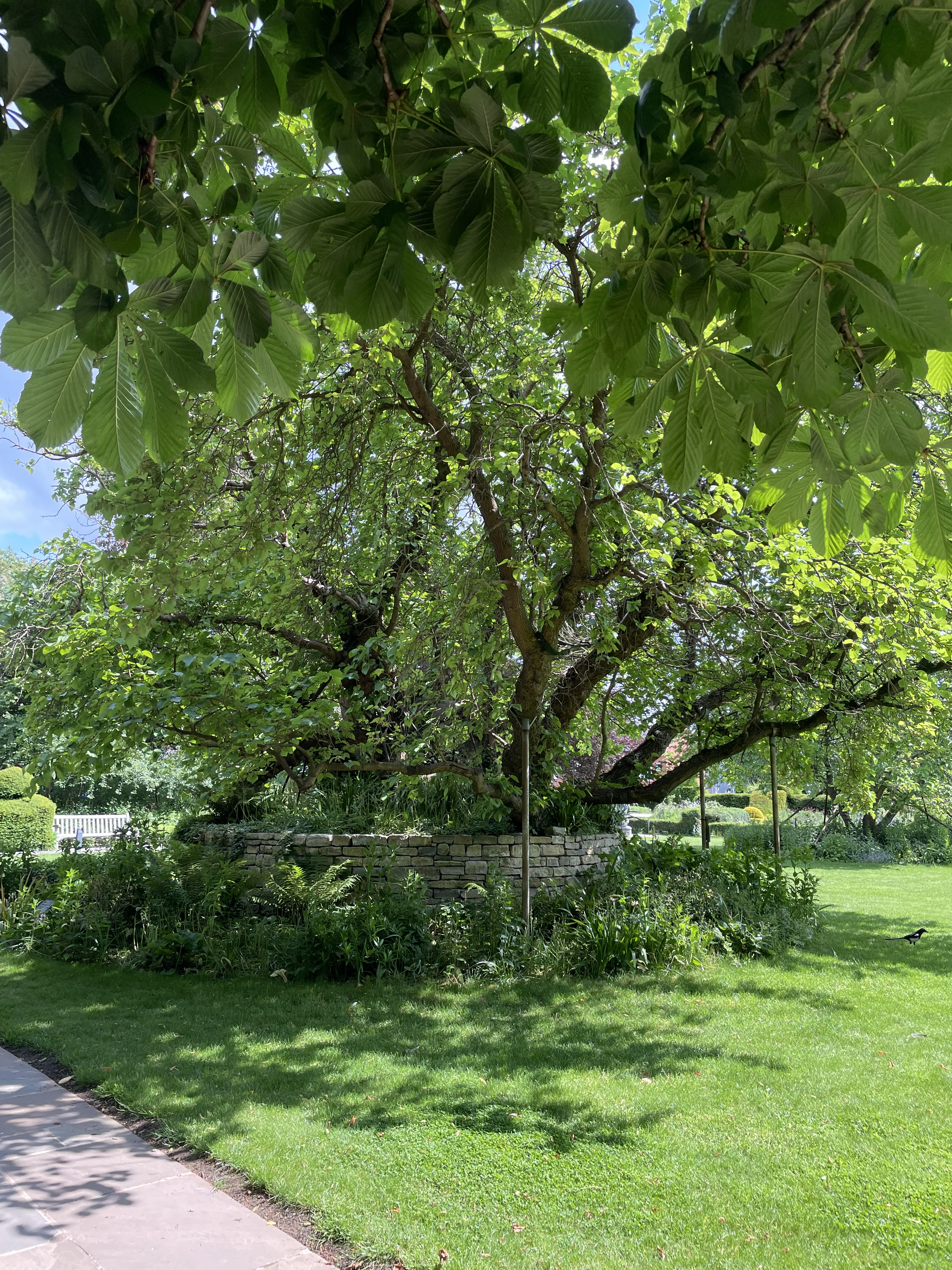
However, the garden was a lovely serene place, if I lived in Stratford upon Avon I would pay for an annual pass and just sit in the garden for hours at a time. it was beautiful and I felt more in tune with the history of the place in the garden than I did in the new house. Especially because… yes… there was a very old tree. A mulberry tree. Apart from in historic gardens mulberry trees are scarce these days, and therefore I find them fascinating. While this tree was not as old as the 1500s I could clearly see that it’s been around for a long time, and it is claimed to be grown from a cutting from one that Shakespeare had in his garden orchard.
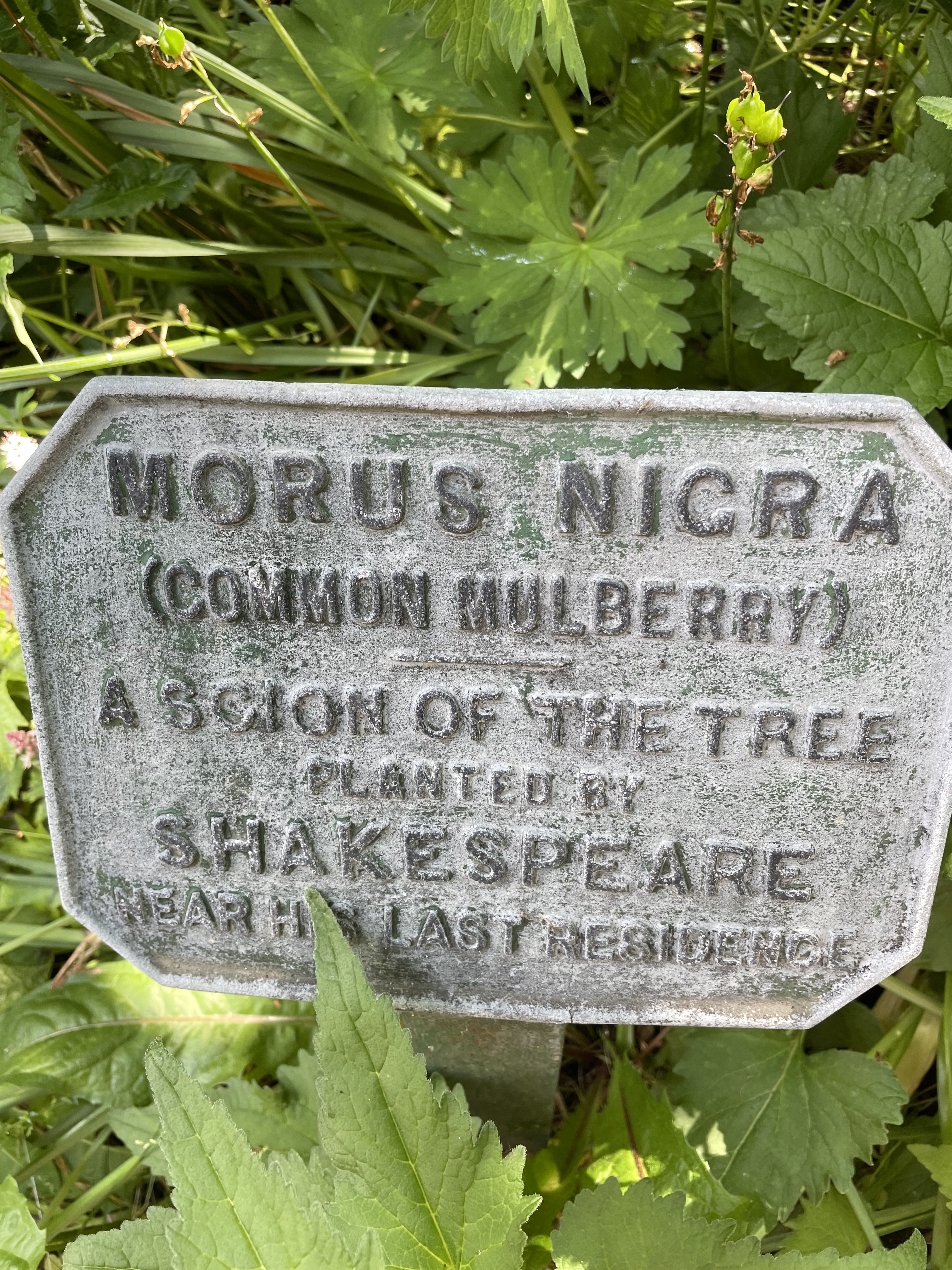
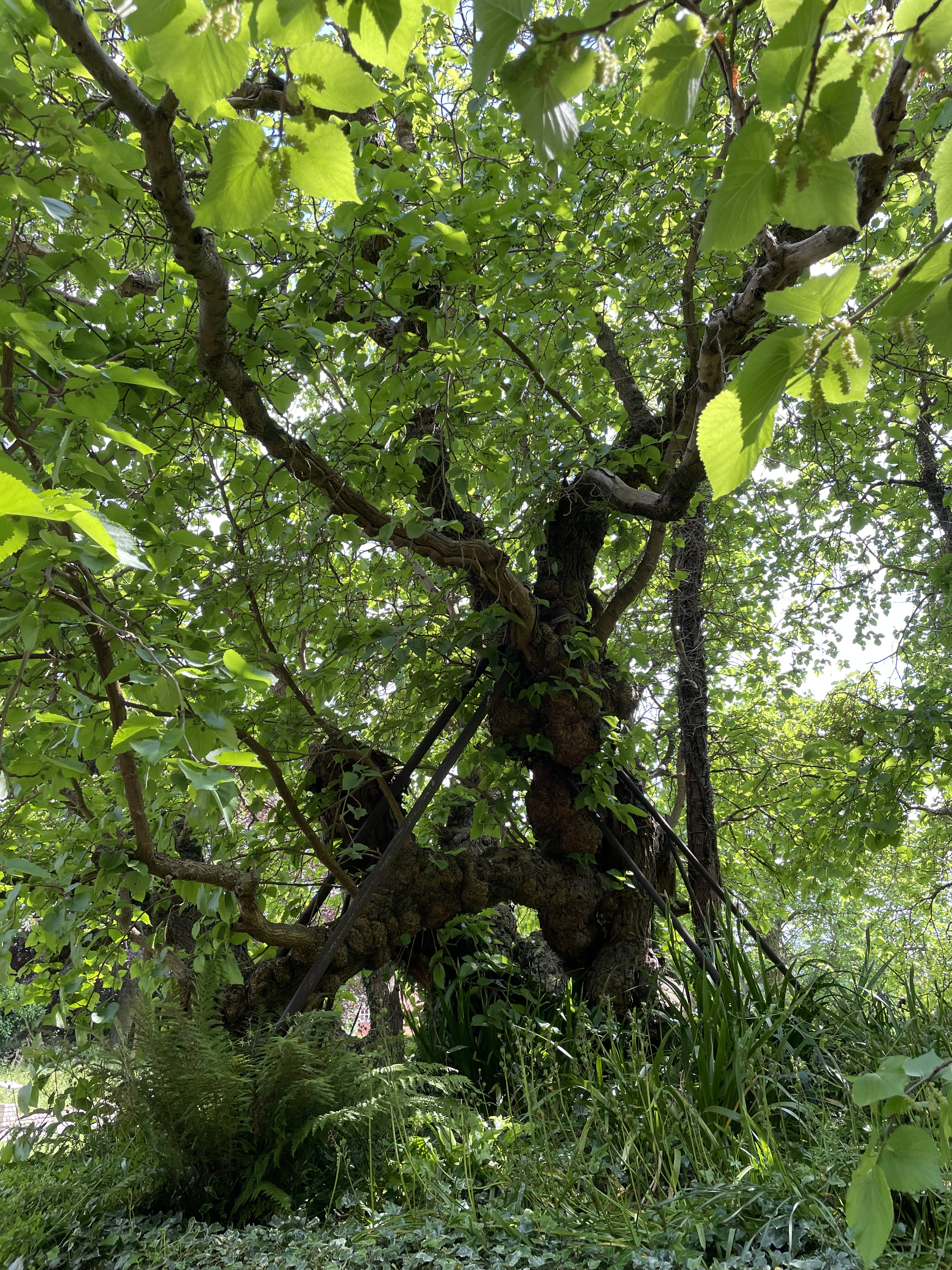
The last mulberry bush I saw was in the garden of Chastleton Hall, and that one was in fruit at the time.
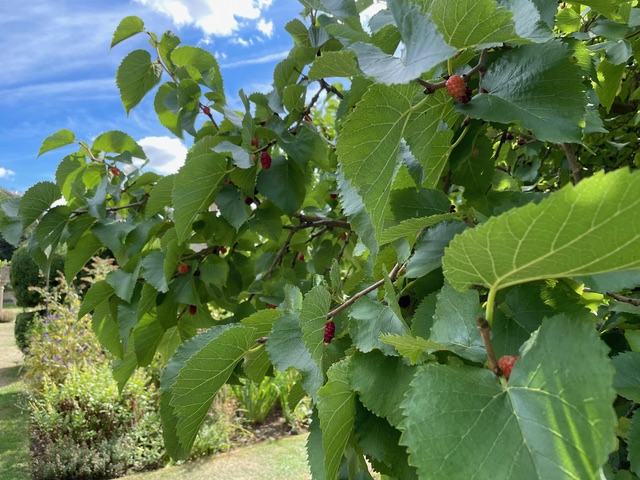
The fruits look similar to raspberries but they are not at all the same, not in taste or growth type. The plants and fruits are unconnected. I haven’t tried a mulberry but they are described as very sweet when ripe.

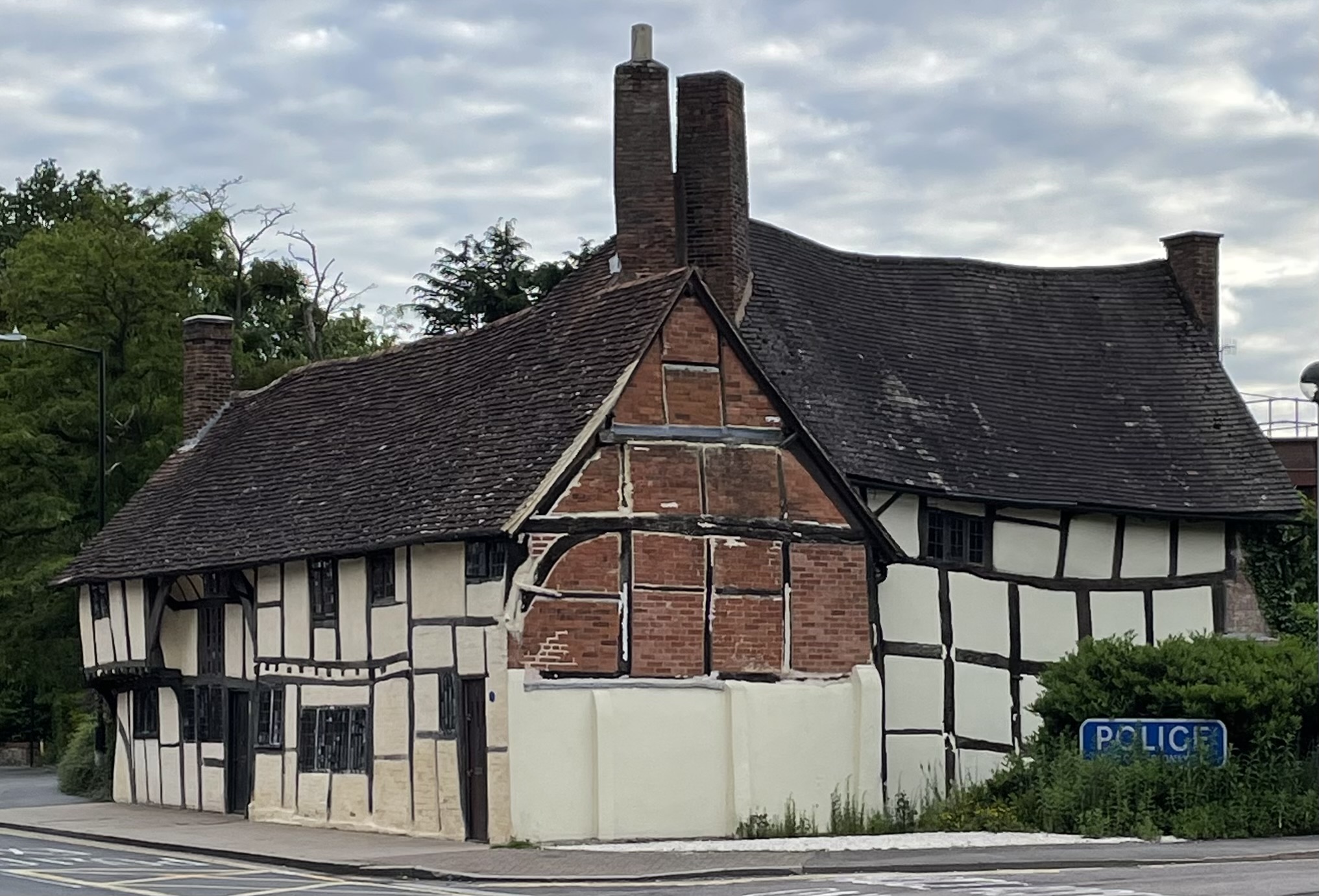
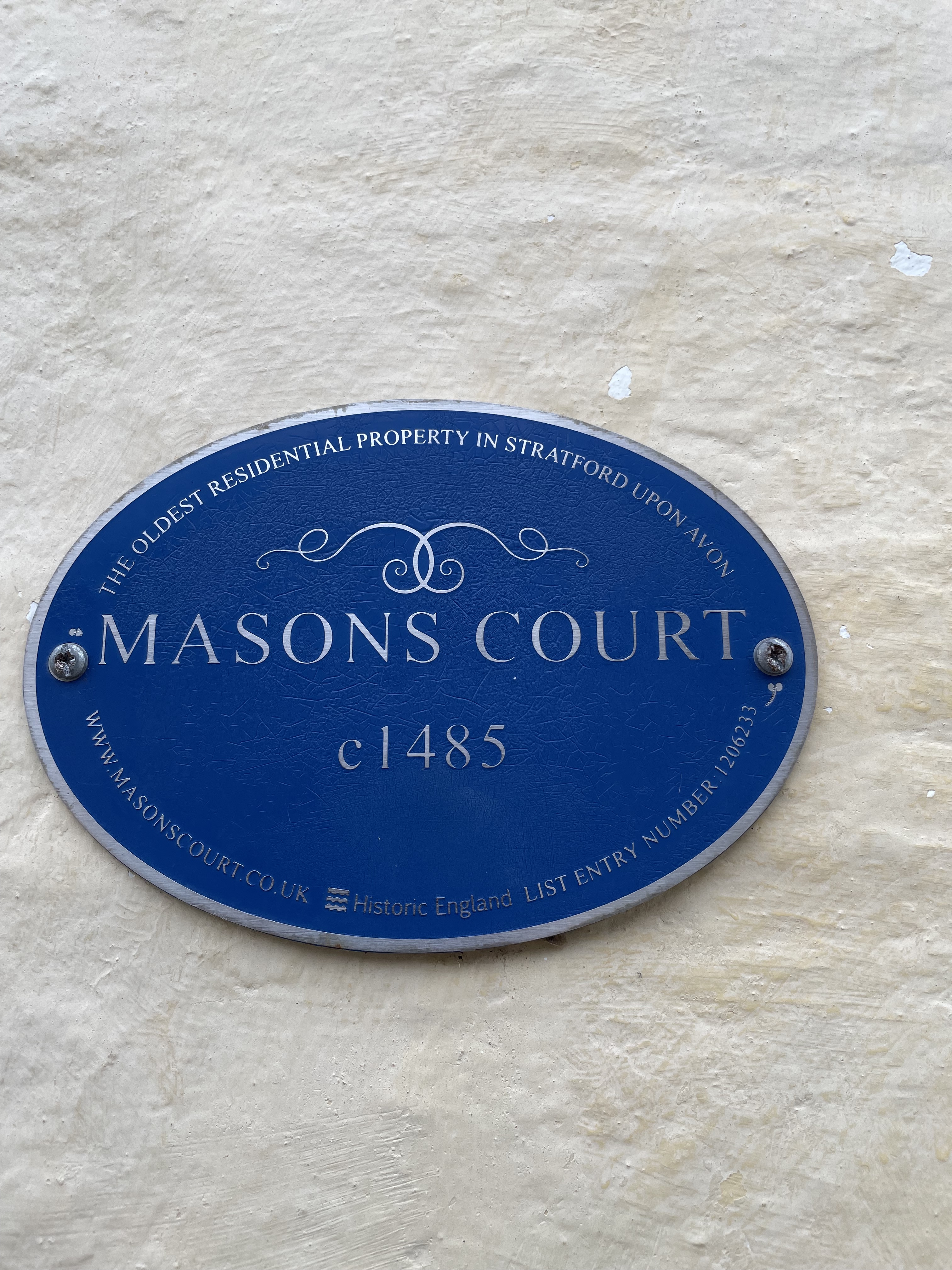
What was even more exciting, though, was that the property I stayed in in the town was the oldest known residential house…
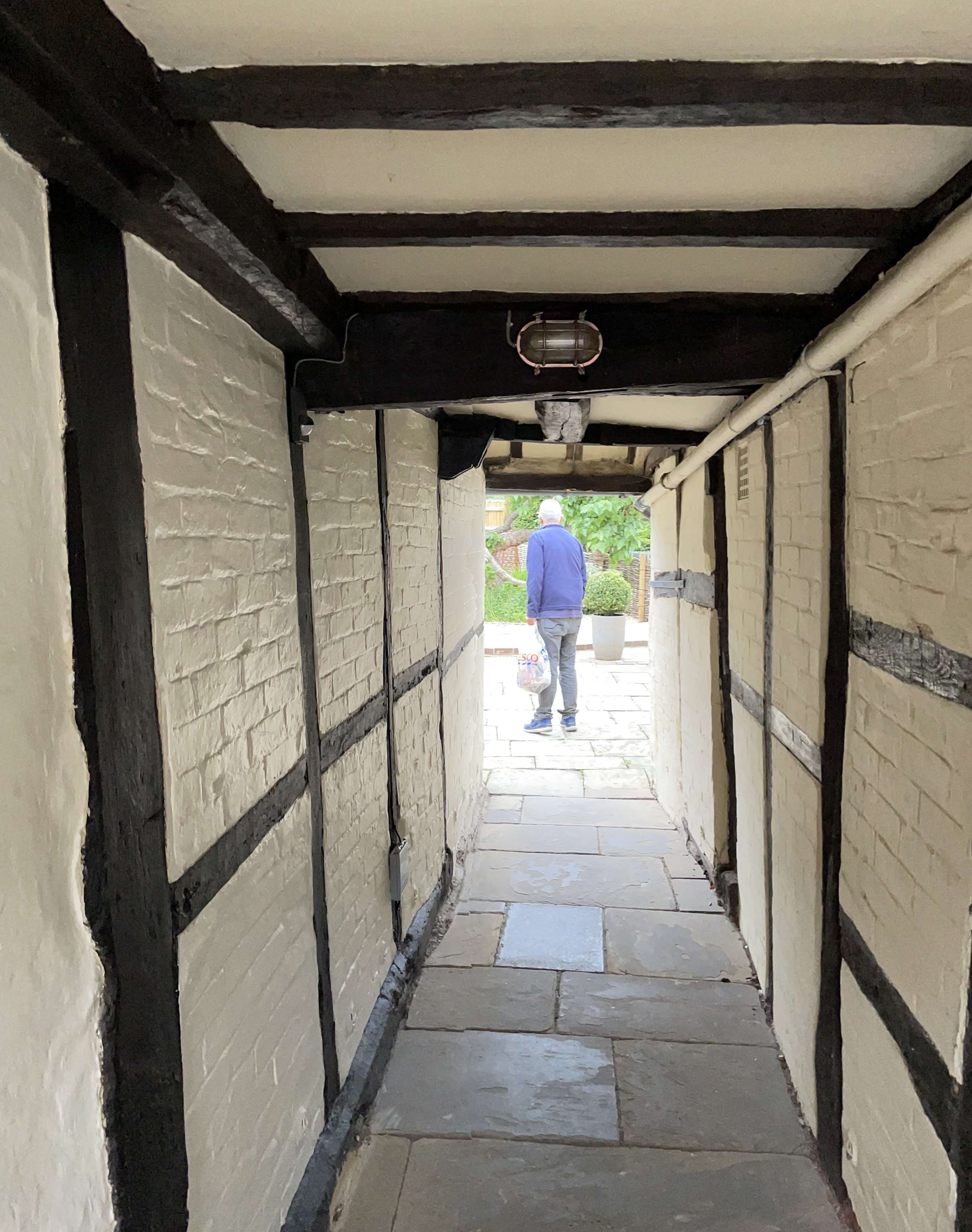
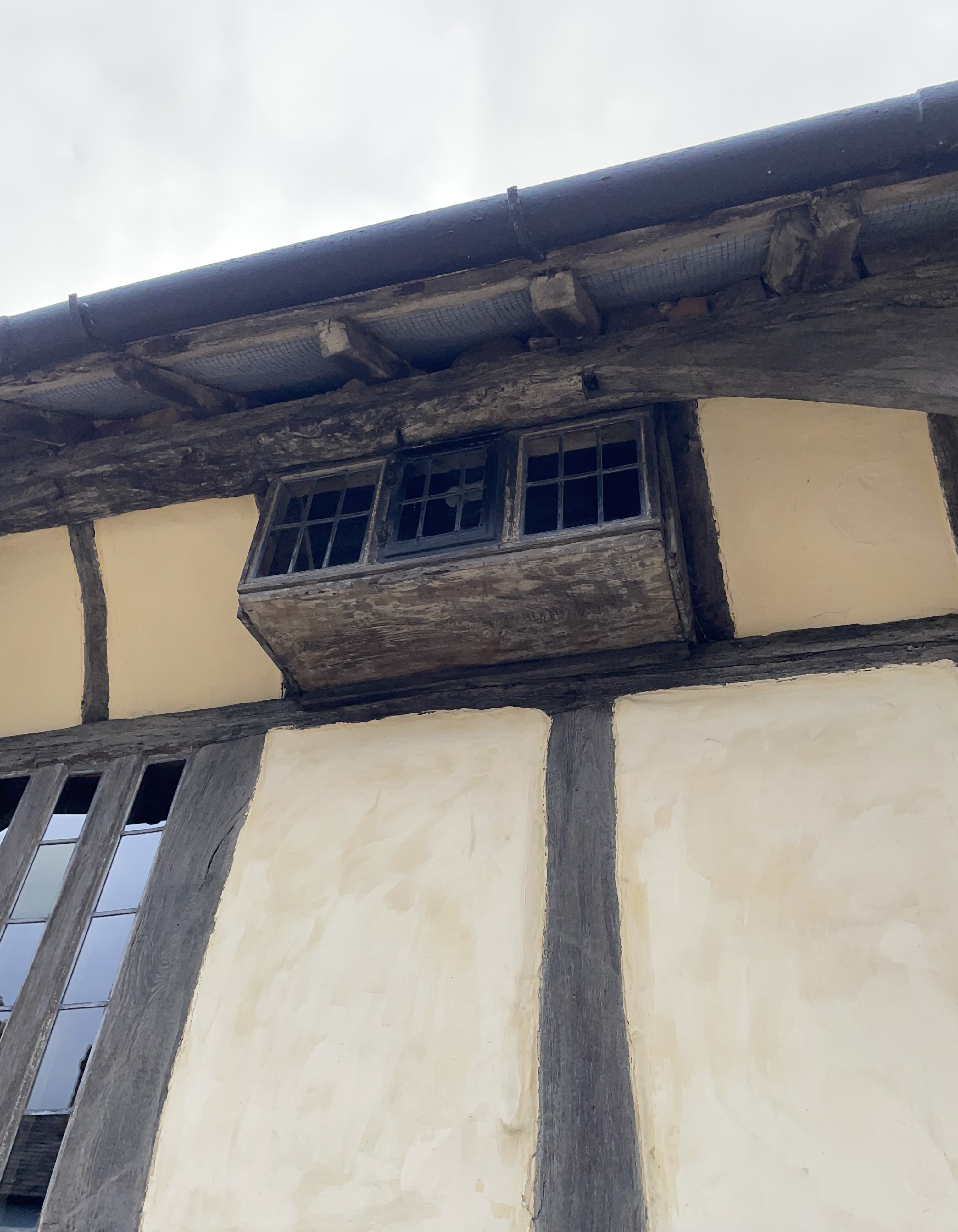
And, yes, it also had a very old mulberry bush in the garden! They were everywhere in Stratford upon Avon.
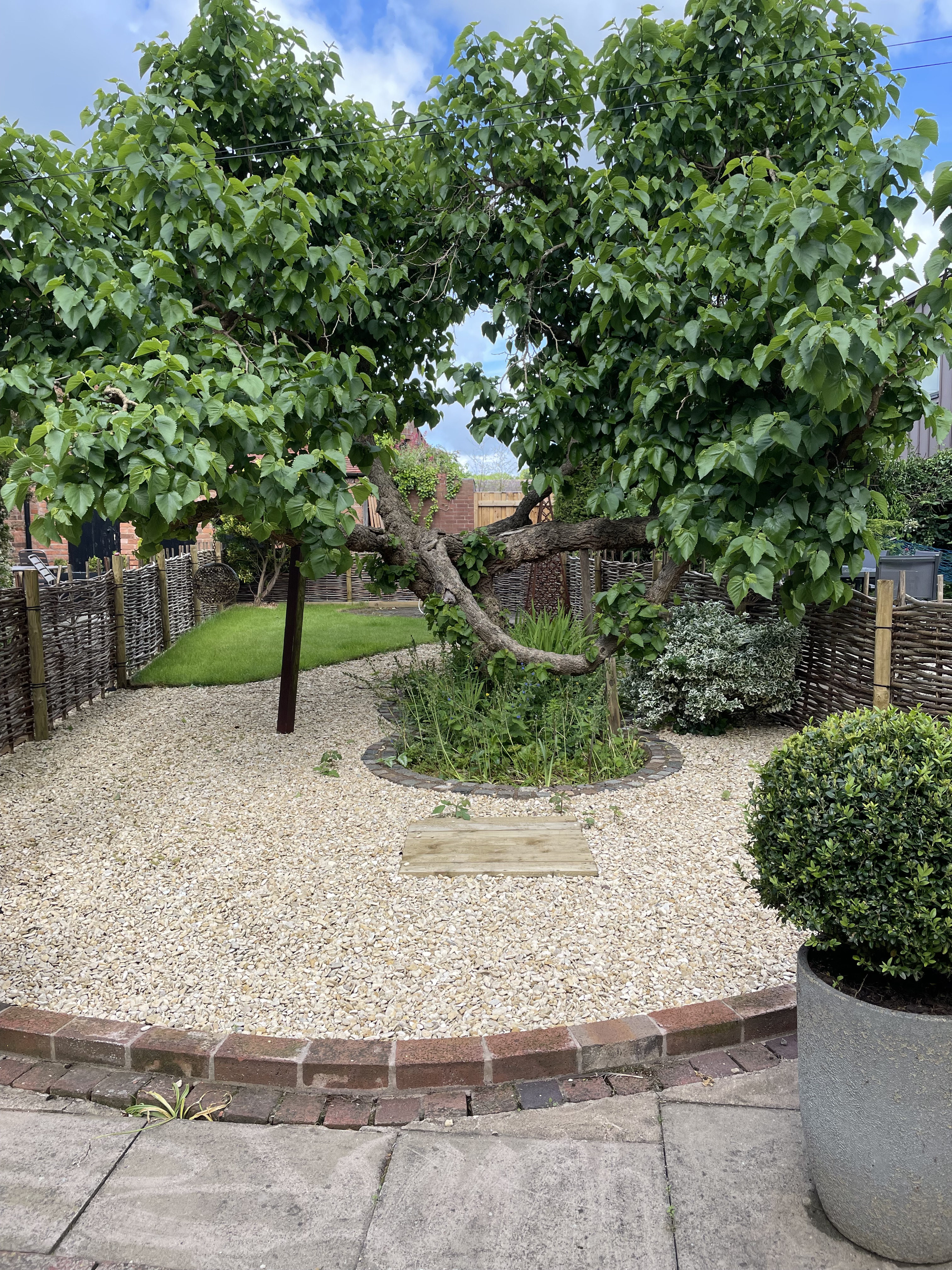
“Here we go ’round the mulberry bush

The mulberry bush

The mulberry bush

Here we go ’round the mulberry bush

on a cold and frosty morning.”

When is a pond not just a pond…

I have been calling myself an amateur historian ever since I managed to find a potentially lost manor site and had the manor site, and my name as finder, listed by English Heritage a few years ago. So if that is not enough evidence that I have a good eye for these things, then here’s another little tale. My knowledge comes from reading about everything when I visit historical places, then reading everything about the place after I have visited it, studying places all the way back to their origins and finding out about life, about the people who lived there through time and how they’ve lived. So after a life time of this curiosity, as that is all it really is, I spot things, things that look different.

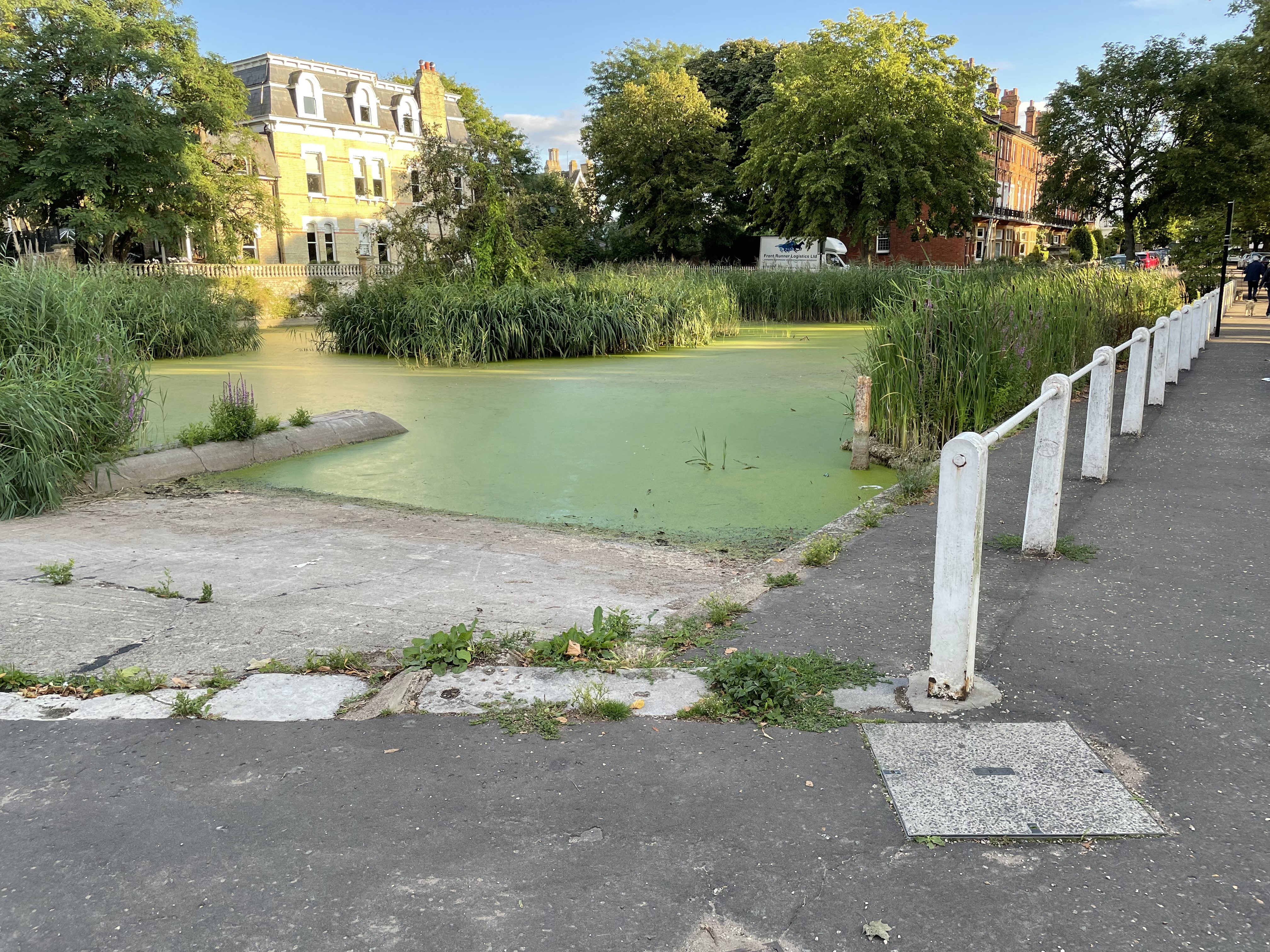
In this tale the unusual thing I spotted was a rectangular pond at the edge of Kew’s ‘village’ green.

A pond on a village green is normal, you might be saying?

Yes it is, I answer, but not the shape. That is the thing. Ponds usually have curved banks. It’s unusual enough for me to think it was more than just a normal pond on a village green. But then there’s this concrete ramp, what was that about? And concrete isn’t old… BUT THE SHAPE – my mind continues to tell me.

When I say village, of course Kew village was long ago subsumed into the heart of London. However, the ancient green, where once residents would have grazed livestock, and cut down hay to feed animals through the winter months, or perhaps used the hay to stuff mattresses or lay across mud floors to carpet their houses, survives. Possibly the green survived, (or was re-established as there are a lot of lines on the image below) because the gates to Kew Palace stand at one end.

The pond is positioned at the edge furthest from the palace and closer to The Thames.

At first, when I saw the concrete ramp, I thought it was something to do with river. Opposite the pond, there’s a road of old houses that were used by people who worked on the river, and the river bank is only a couple of hundred meters further on.

BUT THE SHAPE – my brain kept saying. Because I have only ever seen that shape of pond when the pond was a medieval fish pond. Monasteries particularly used to create and maintain fish ponds because in the medieval period there were many days when religious fasts meant people could only eat fish (usually two days of the week, and during lent and on many saints’ days). So, to ensure there was enough fish to feed everyone at these times they bread fish in a pond at the site. Often they largely contained eels, as eels are large and fleshy and more able to feed a quantity of people.

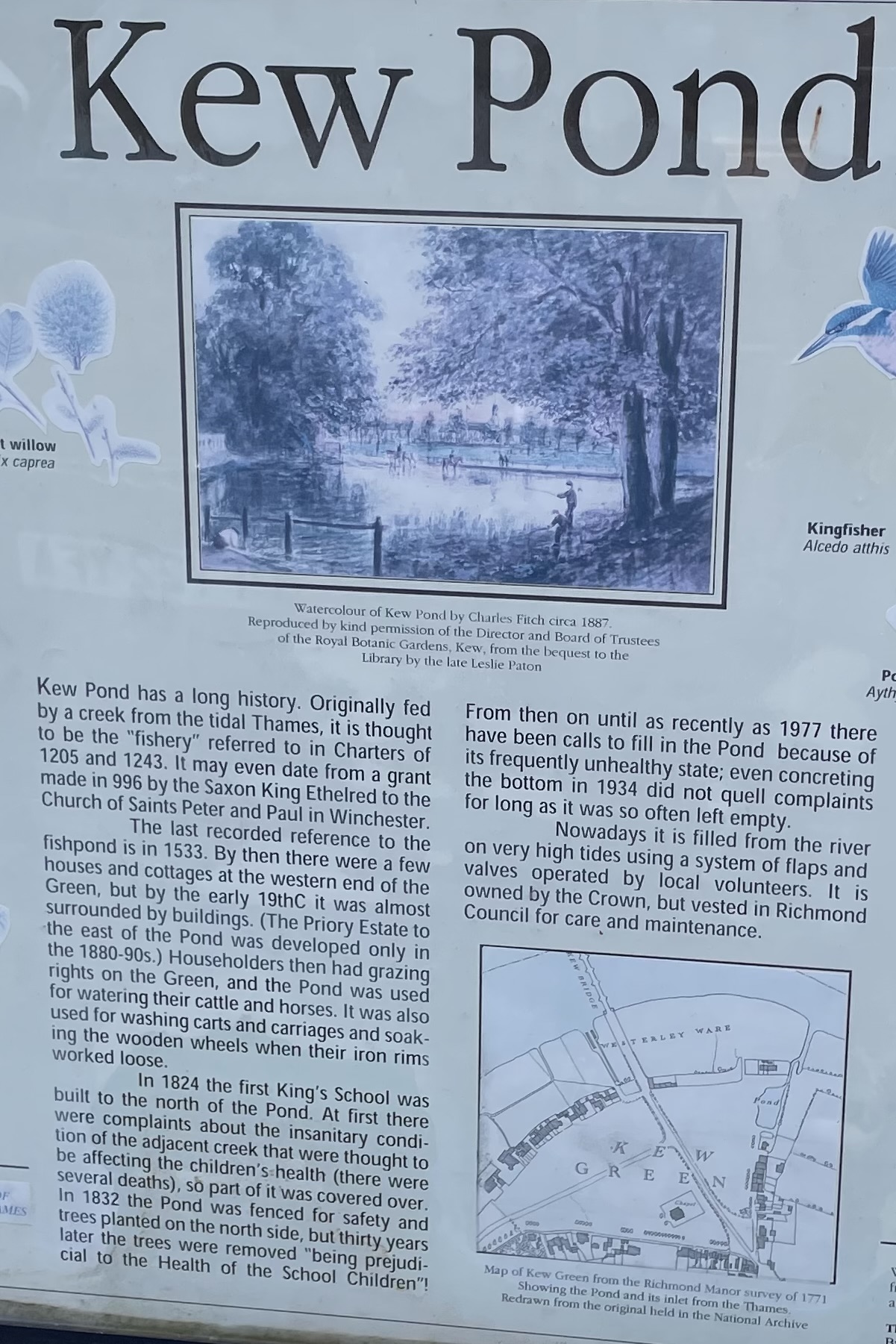
My mind kept telling me this pond looked very like an ancient fish pond as I walked along the road. Then I saw a board, so of course I had to look, and when I walked around the corner and saw what the information board said… I was once again very impressed by the instinct of the voice in my head. 😀

Hee. Hee. Hee.