Why do we remember and celebrate Shakespeare’s birthplace?

William Shakespeare died over 400 hundred years ago and yet today most people know who he is and where he came from, not only in the UK, but across the English speaking world and beyond. Why?
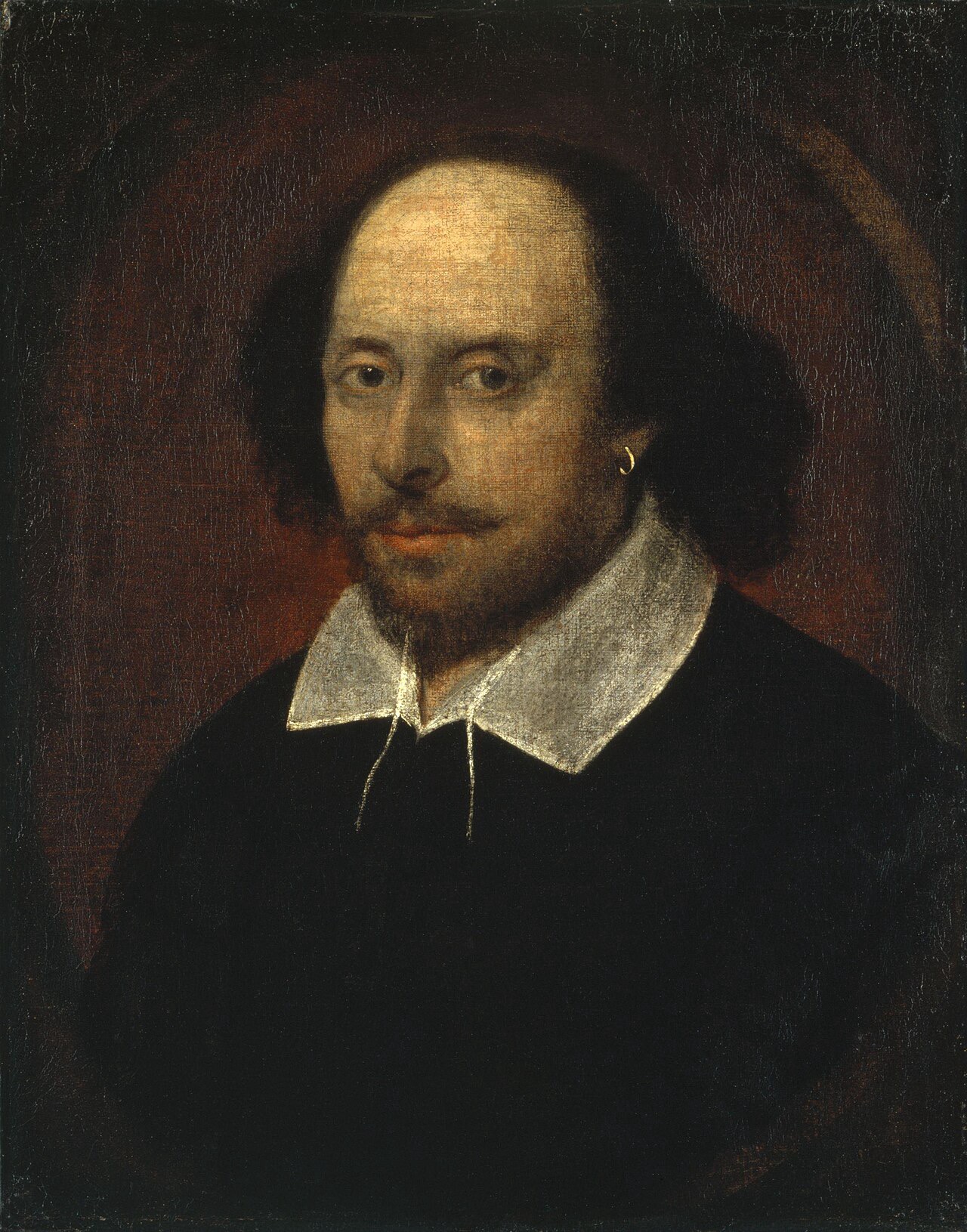
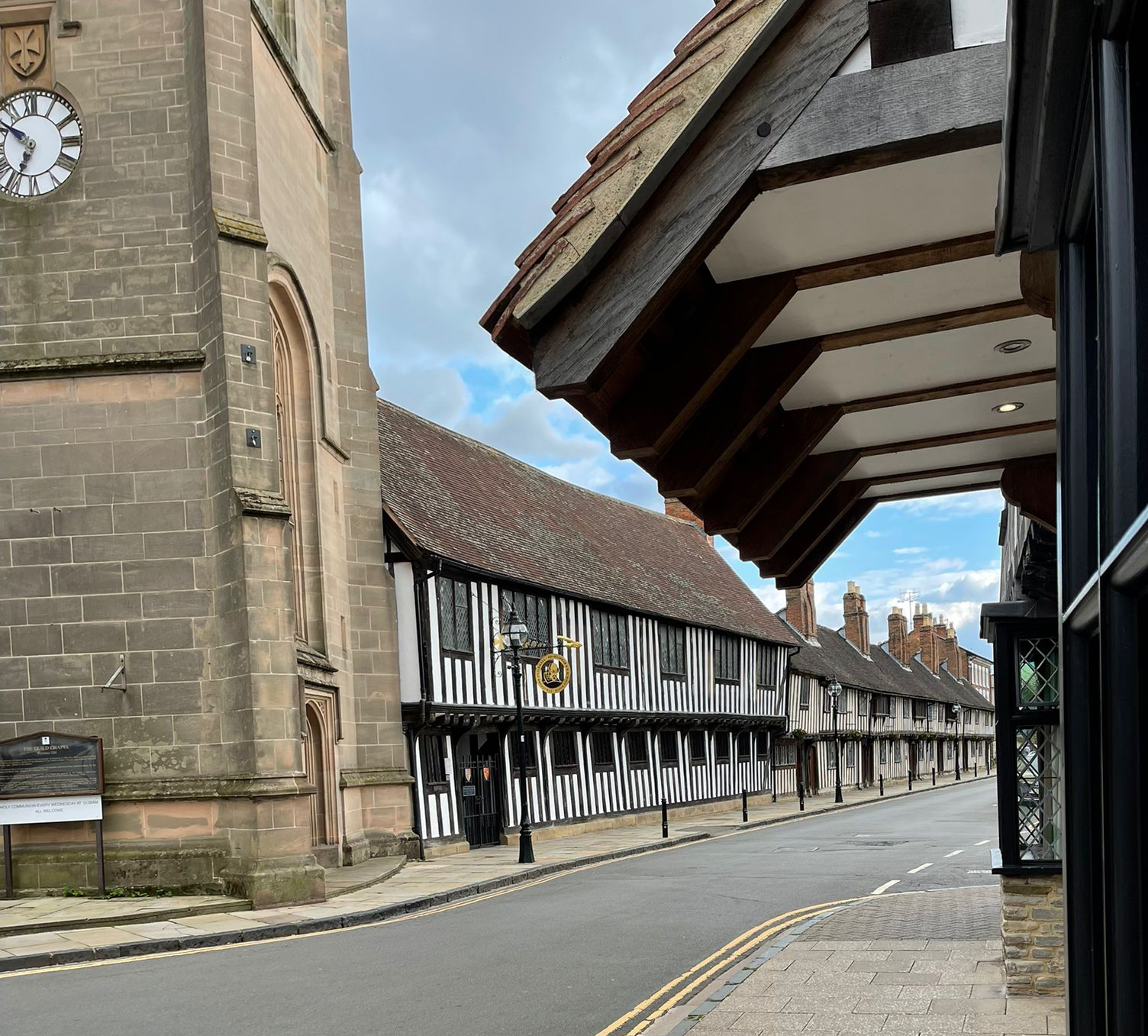
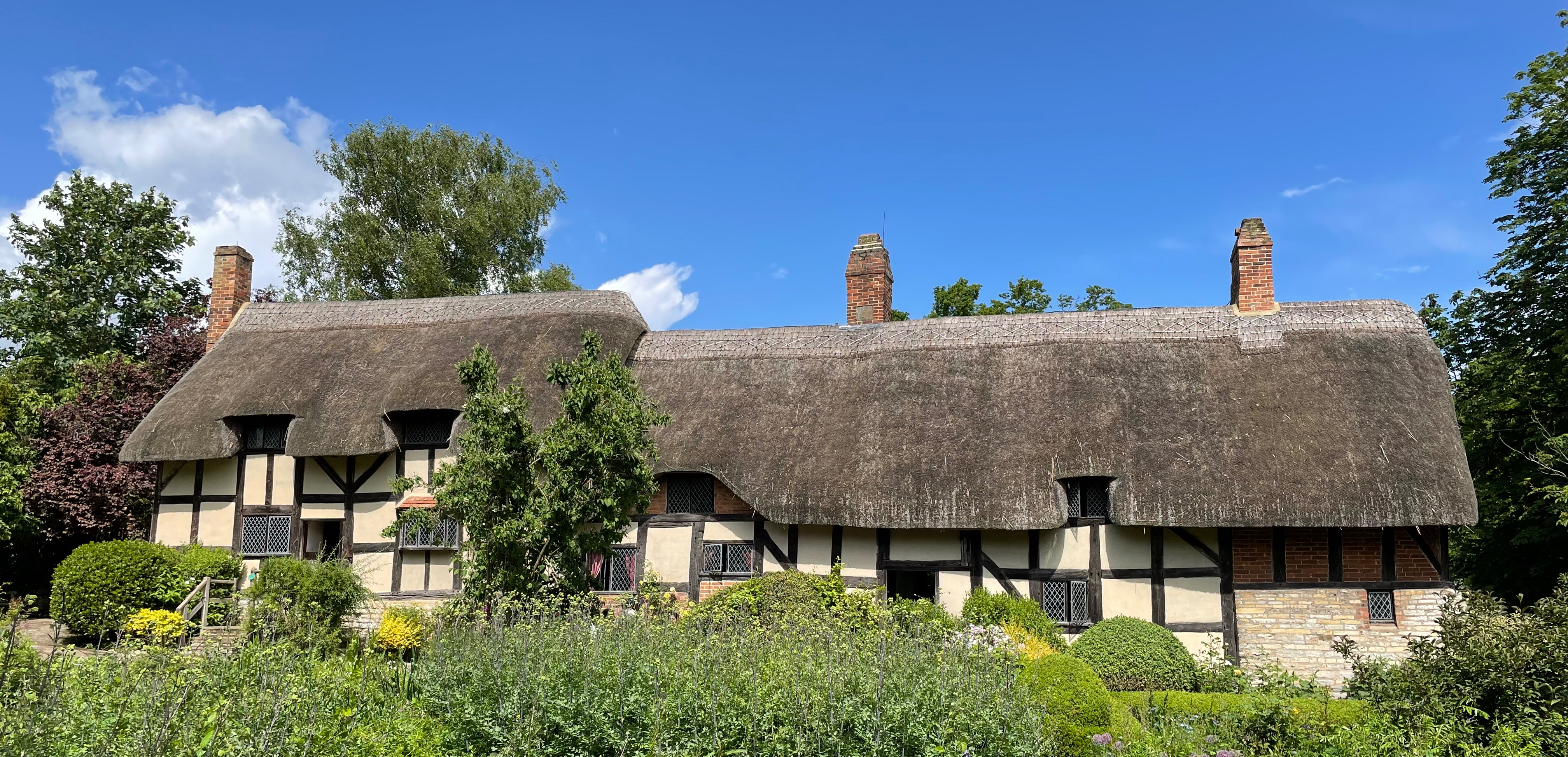
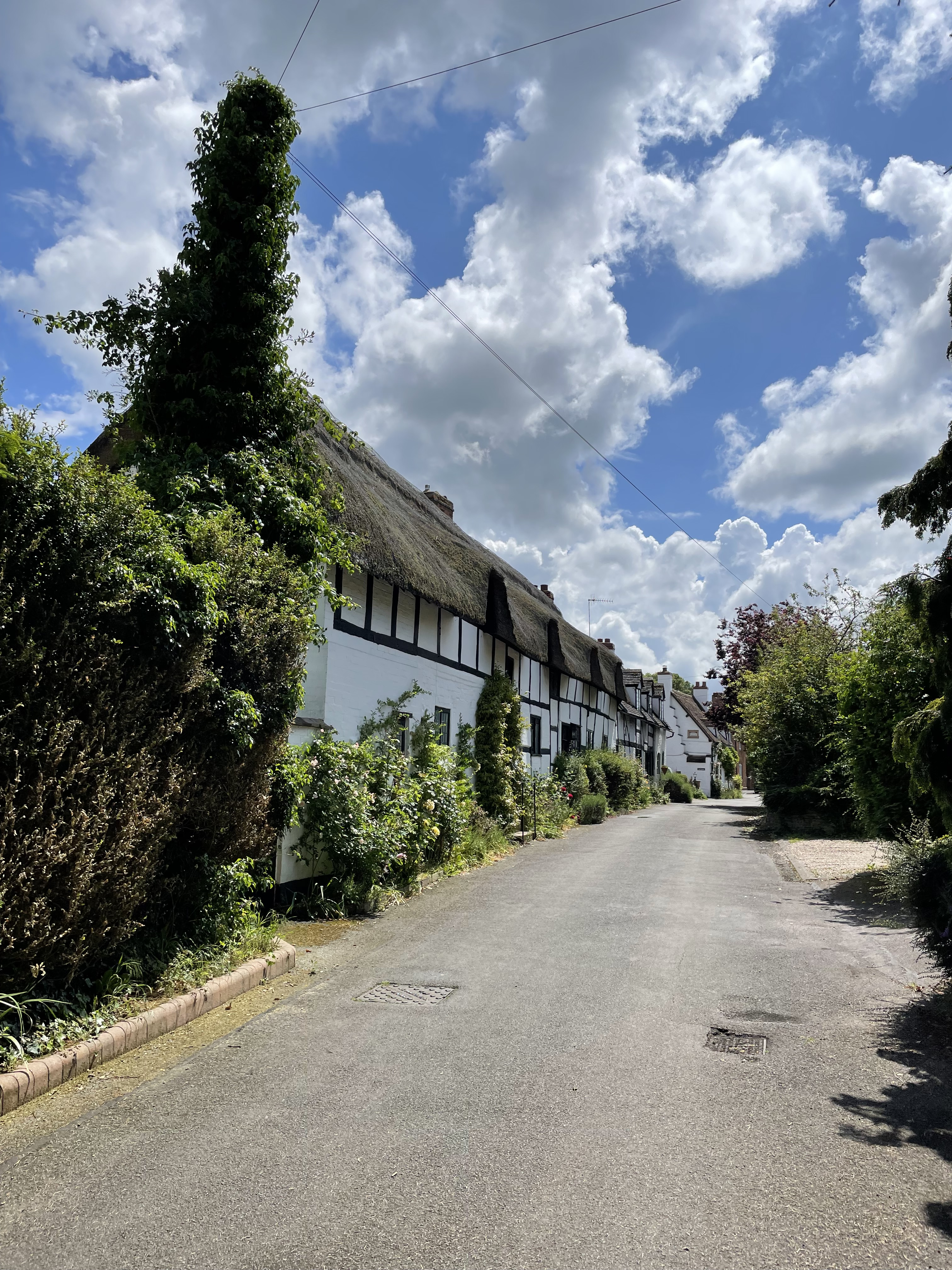
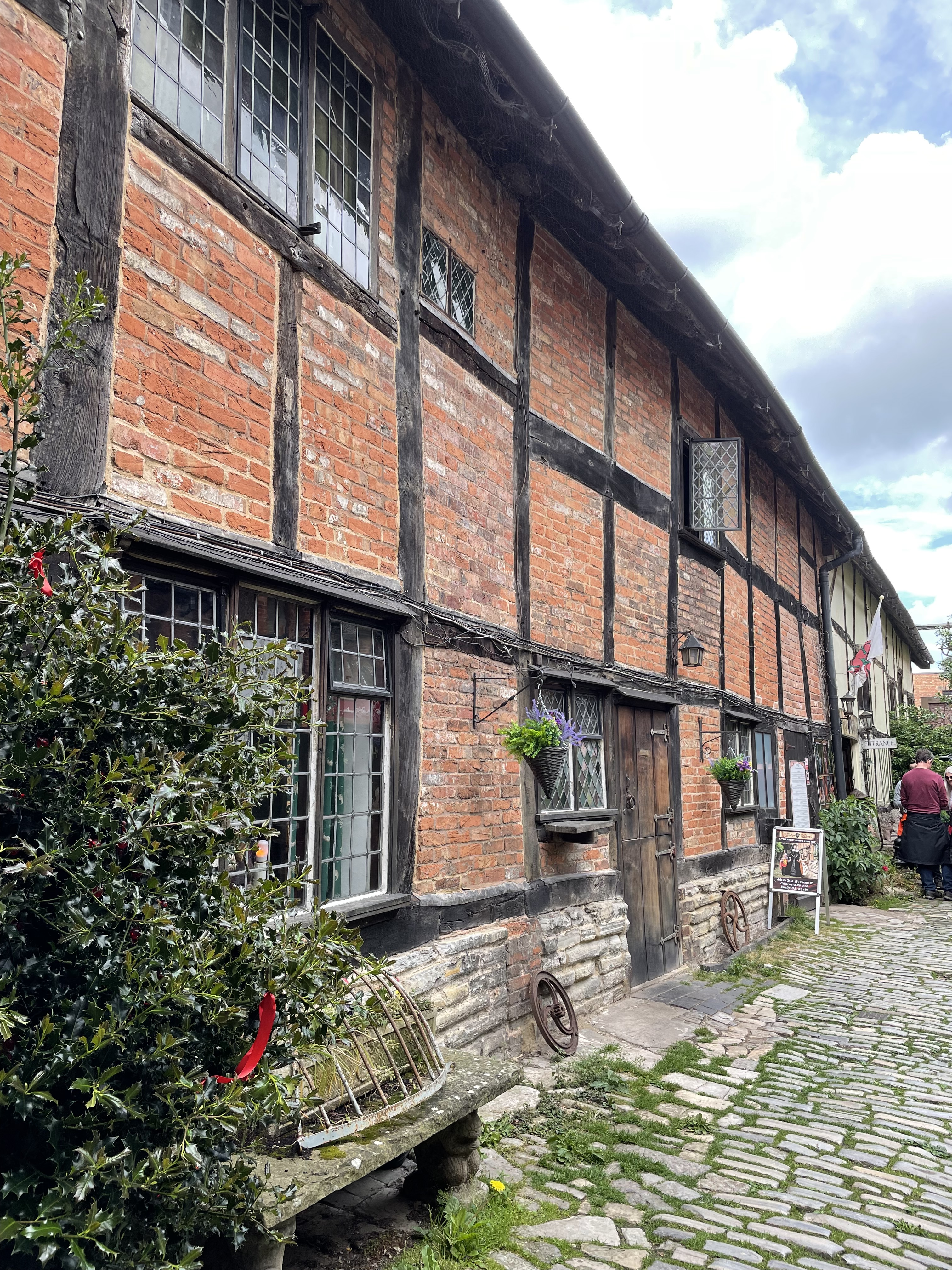
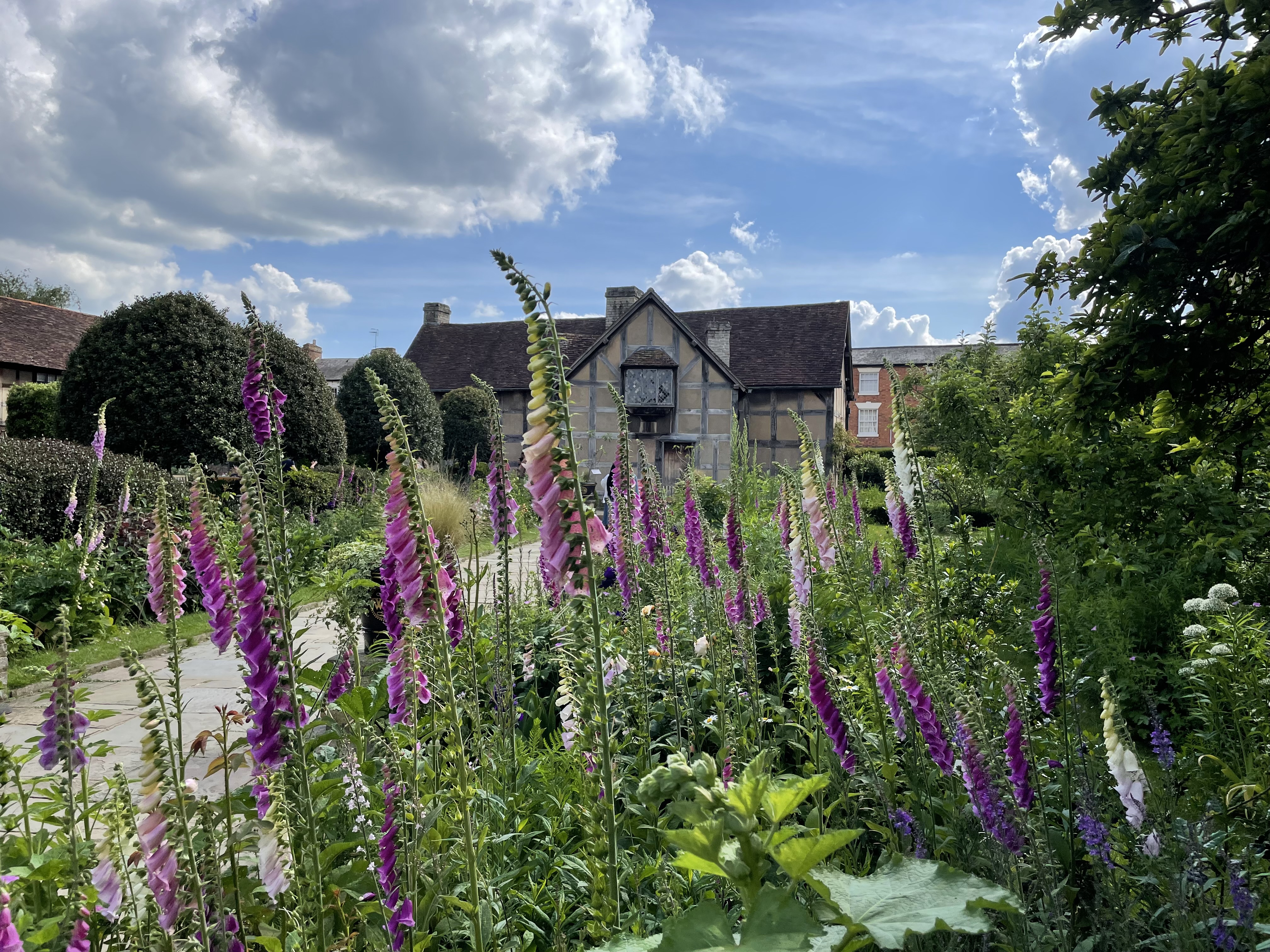
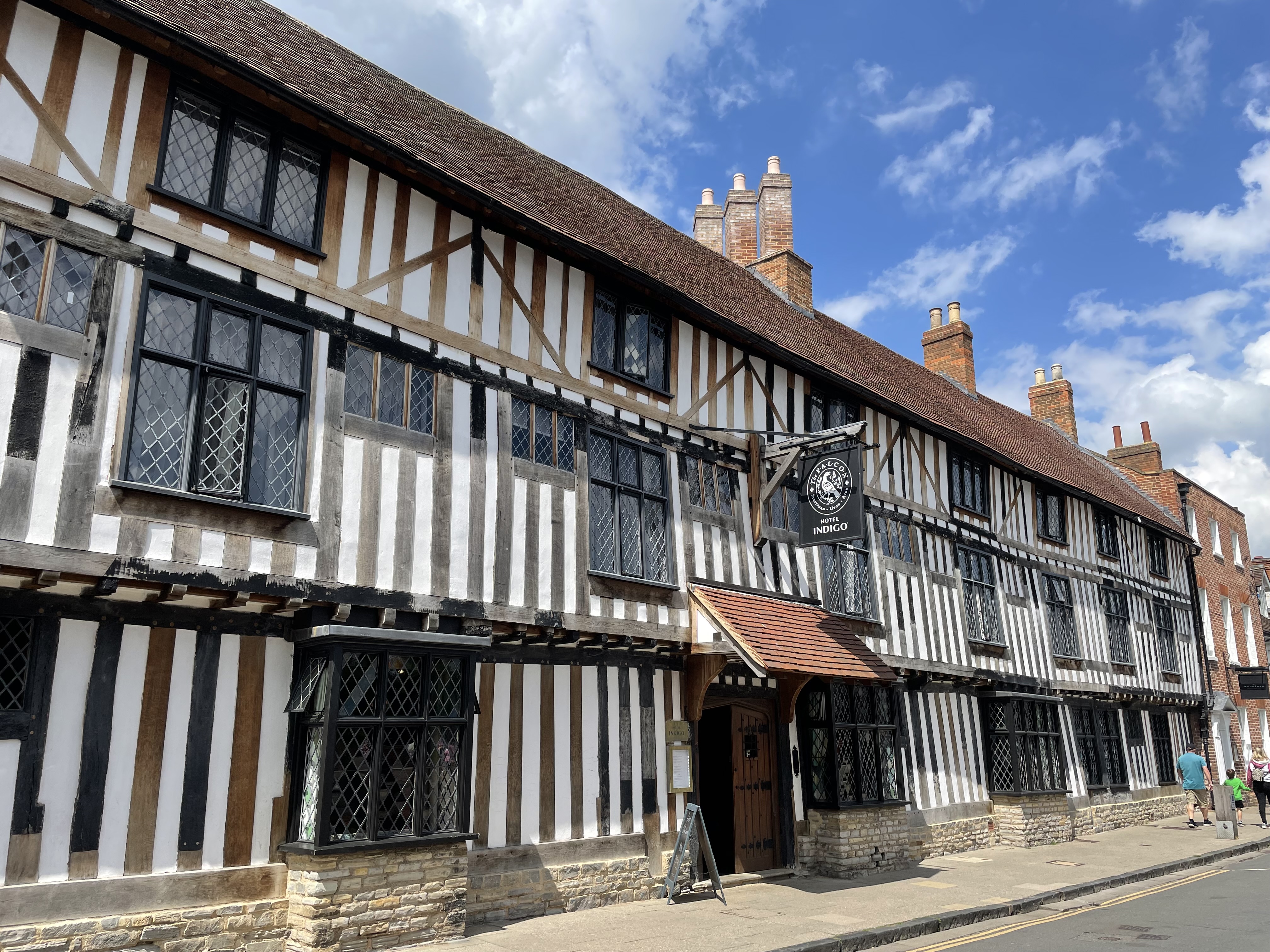
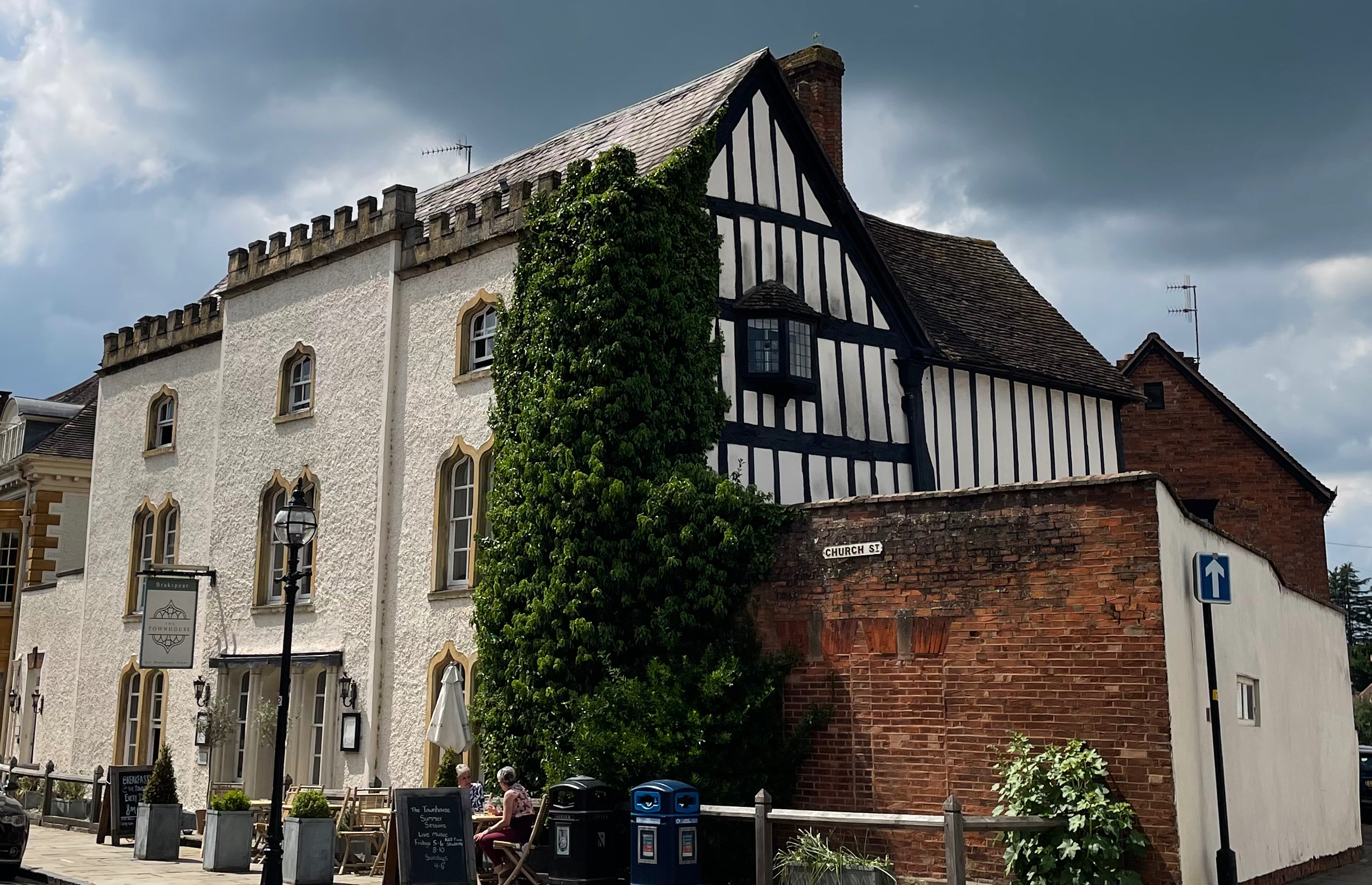
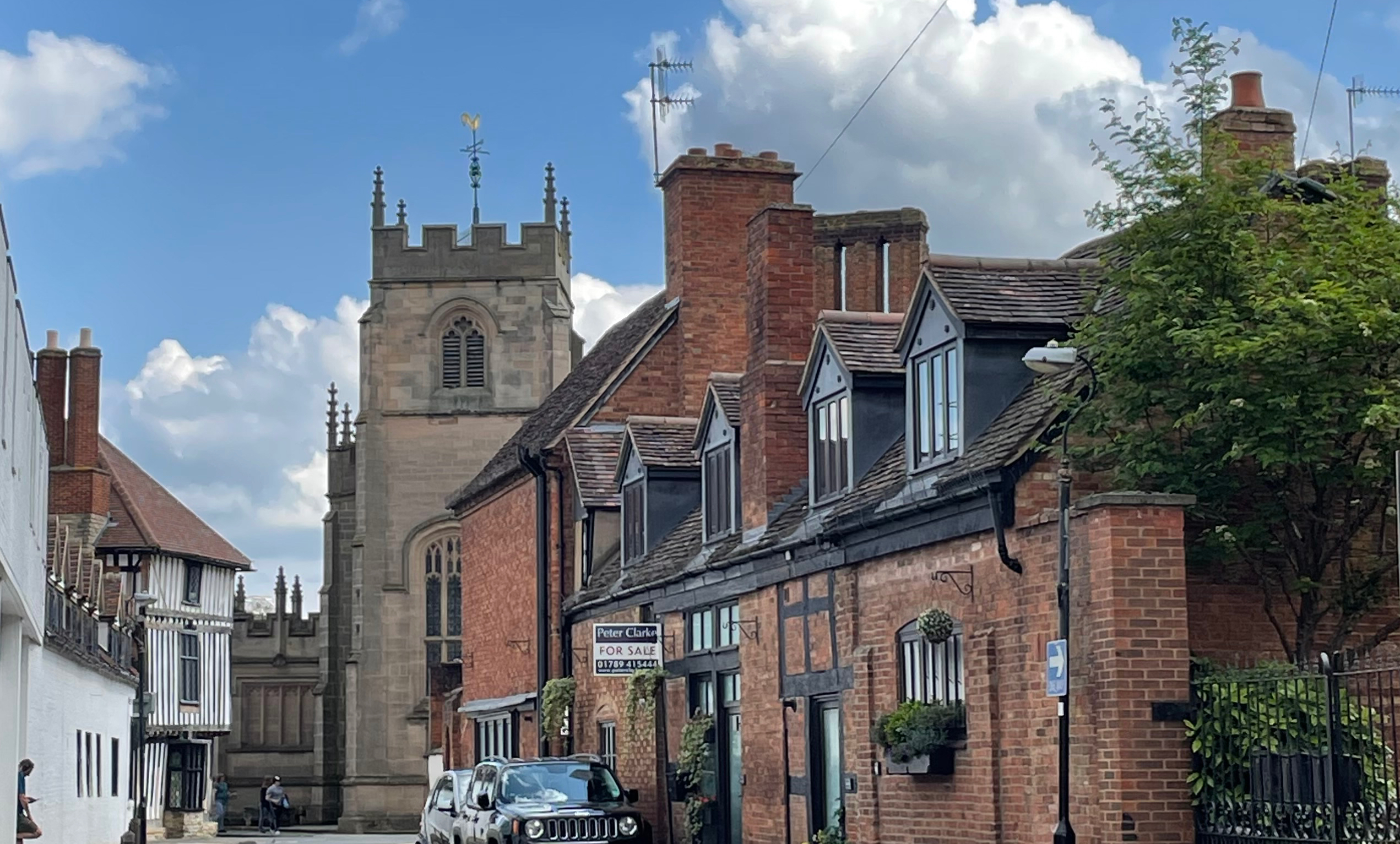
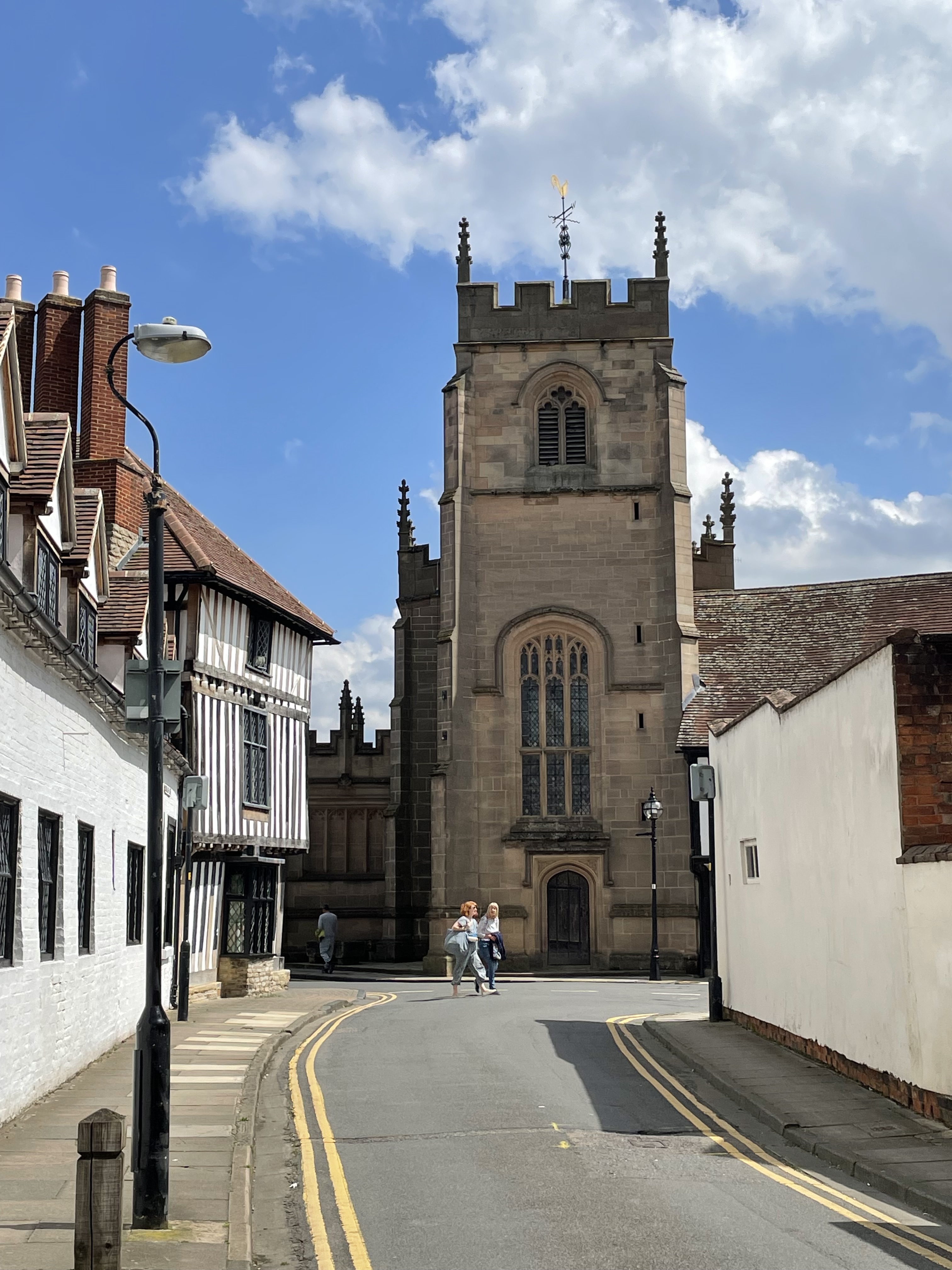
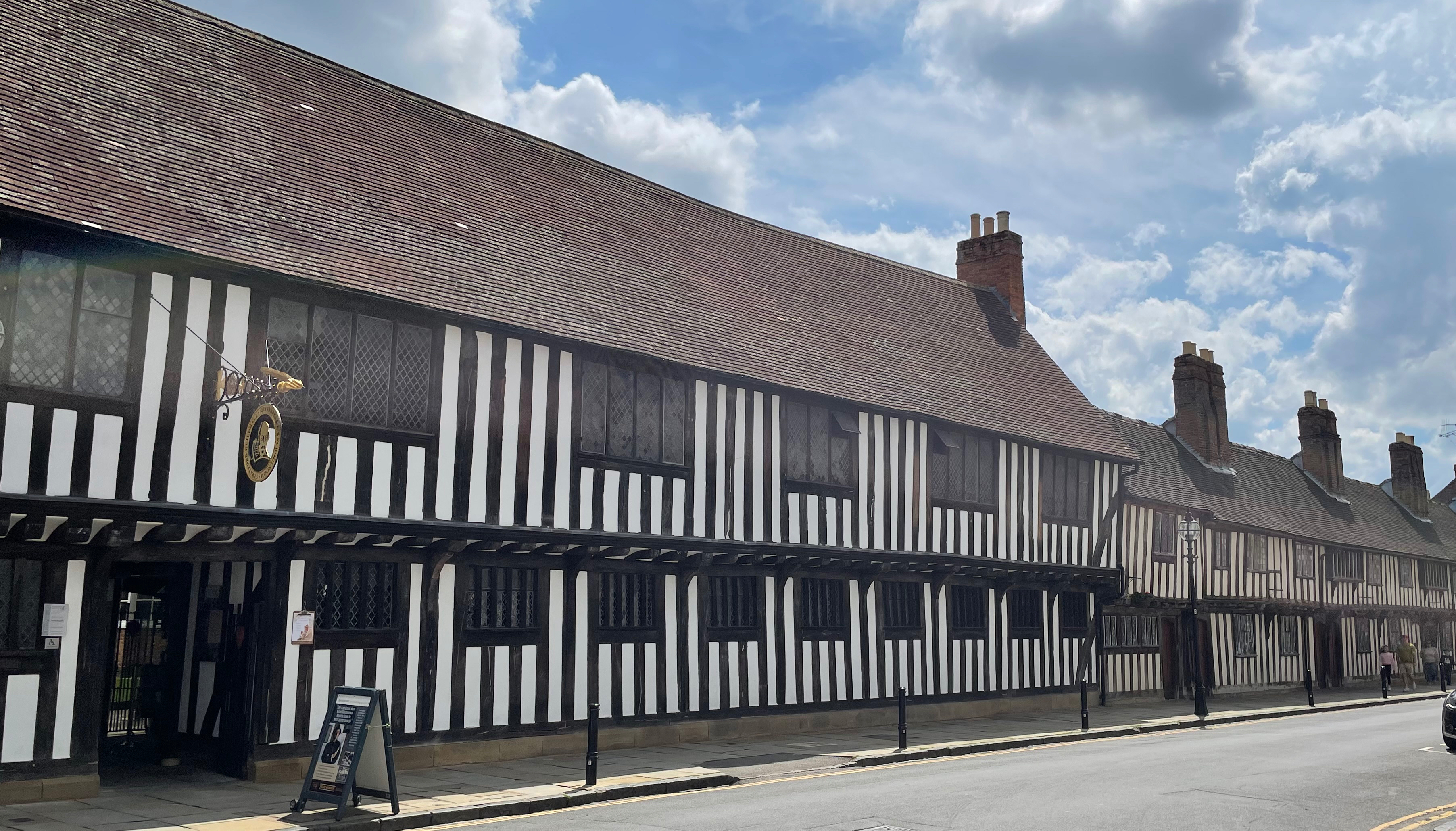
Earlier this year, I decided to visit Stratford upon Avon, birthplace and home of young and old William Shakespeare, a preserved treasure of Tudor England. I didn’t actually stay in Stratford Upon Avon for the Shakespeare experience; I am a life-time member of the National Trust and there are lots of historical properties to visit locally, as well as the town being a lovely place to stay with lots to see without having to get in a car. And, you know me, I love a historical setting – so the prefect place for a little holiday. I have so much to say about Stratford upon Avon my mind is brim-full with blogs and I’ve been holding on to them for ages and not had the time to write them up. But it means I am going to have to be careful to get my dyslexic/dyspraxic brain to stick to one theme per blog and not take you down lots of different, muddled rabbit holes.

So for today, I am going to answer the above question, an answer I discovered during in my stay, and was really surprised by because I’d assumed that Stratford upon Avon was a destination place from Shakespeare’s lifetime onwards. No …

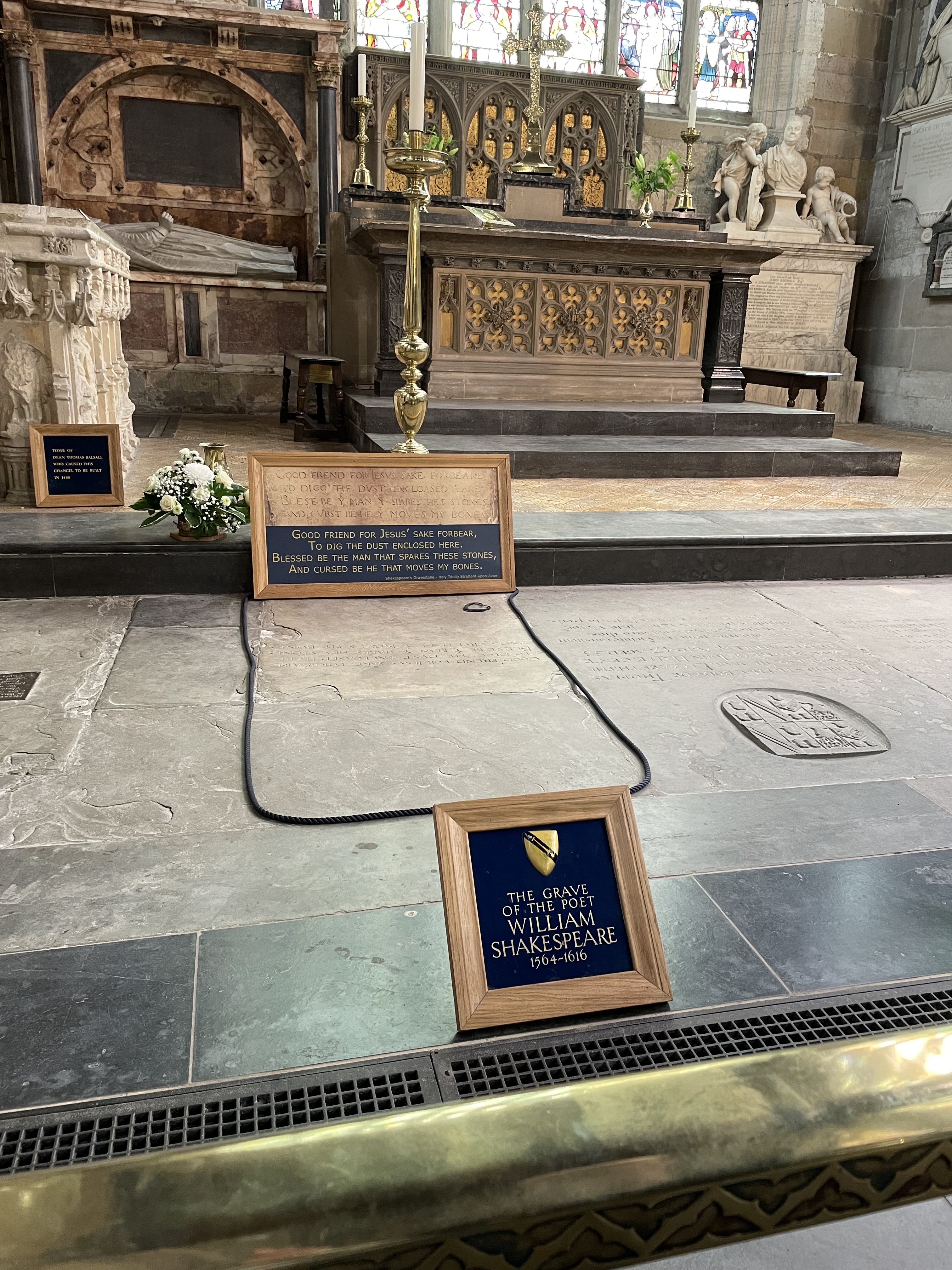
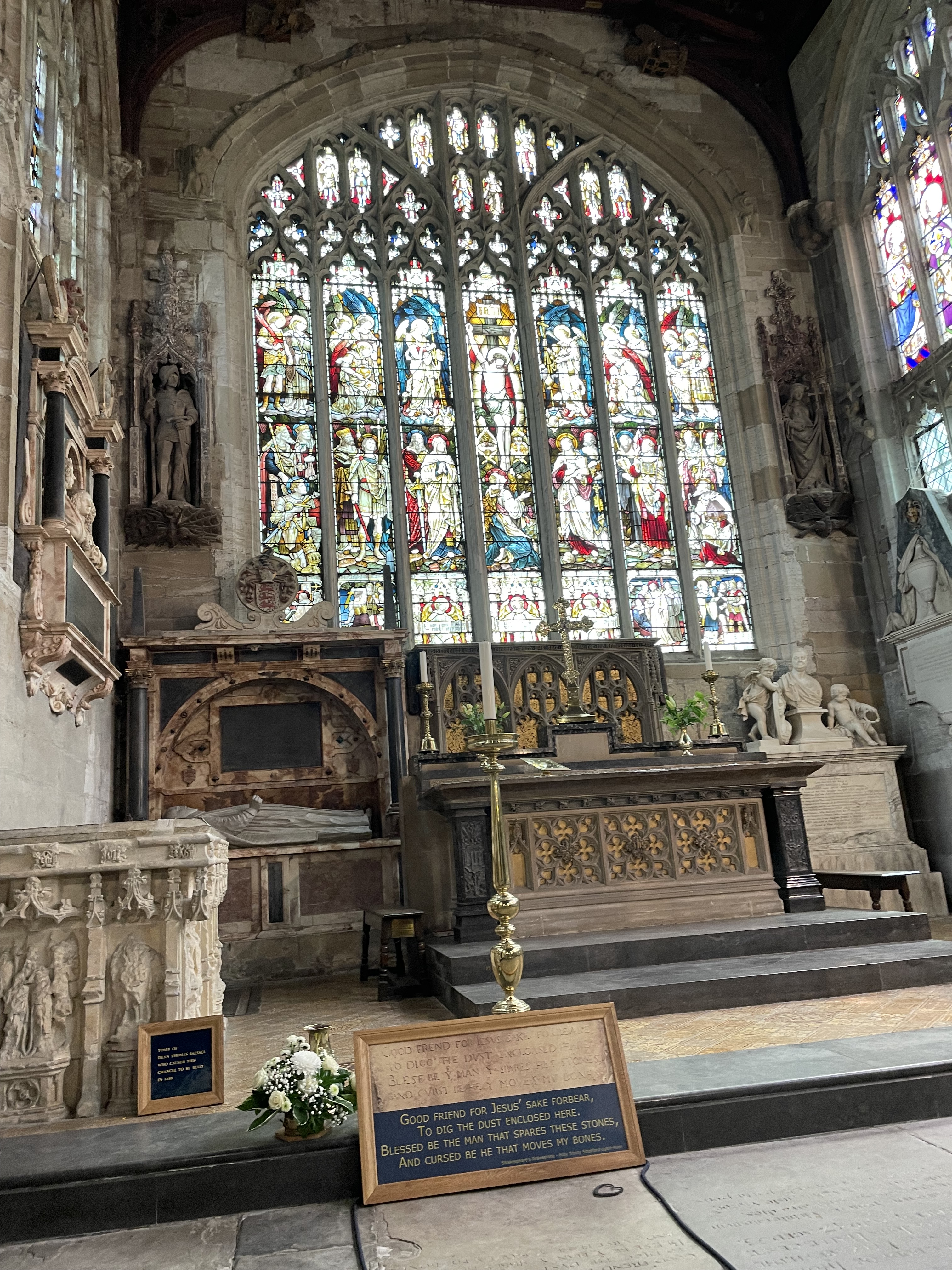
The first hint that there was something I didn’t know about the history of the pilgrimage Shakespeare’s fans make, references my last post including my fascination with graffiti. On the first day of our stay, we walked along the bank of the river Avon and came across Holy Trinity Church where Shakespeare is buried, and was baptised.
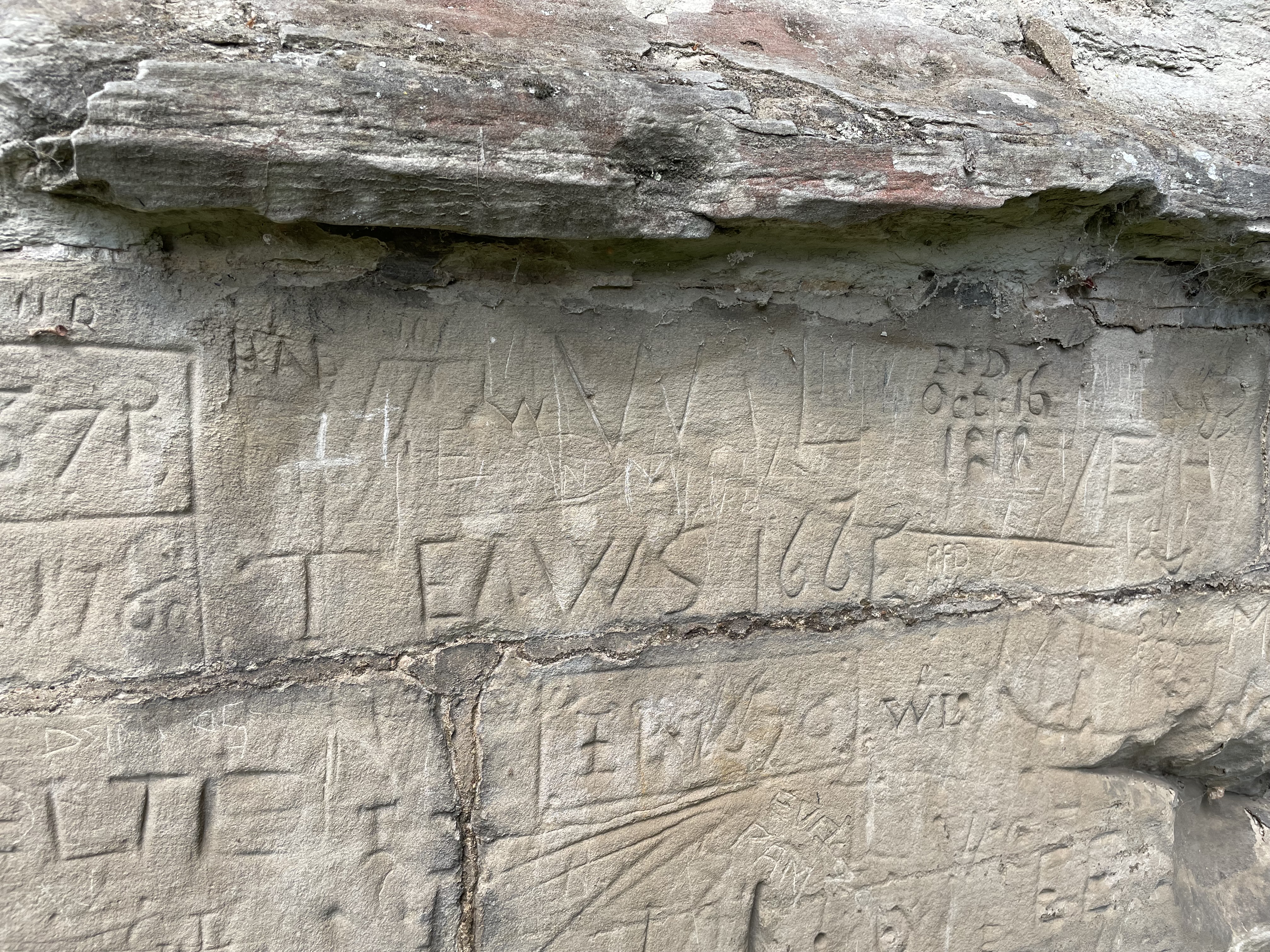
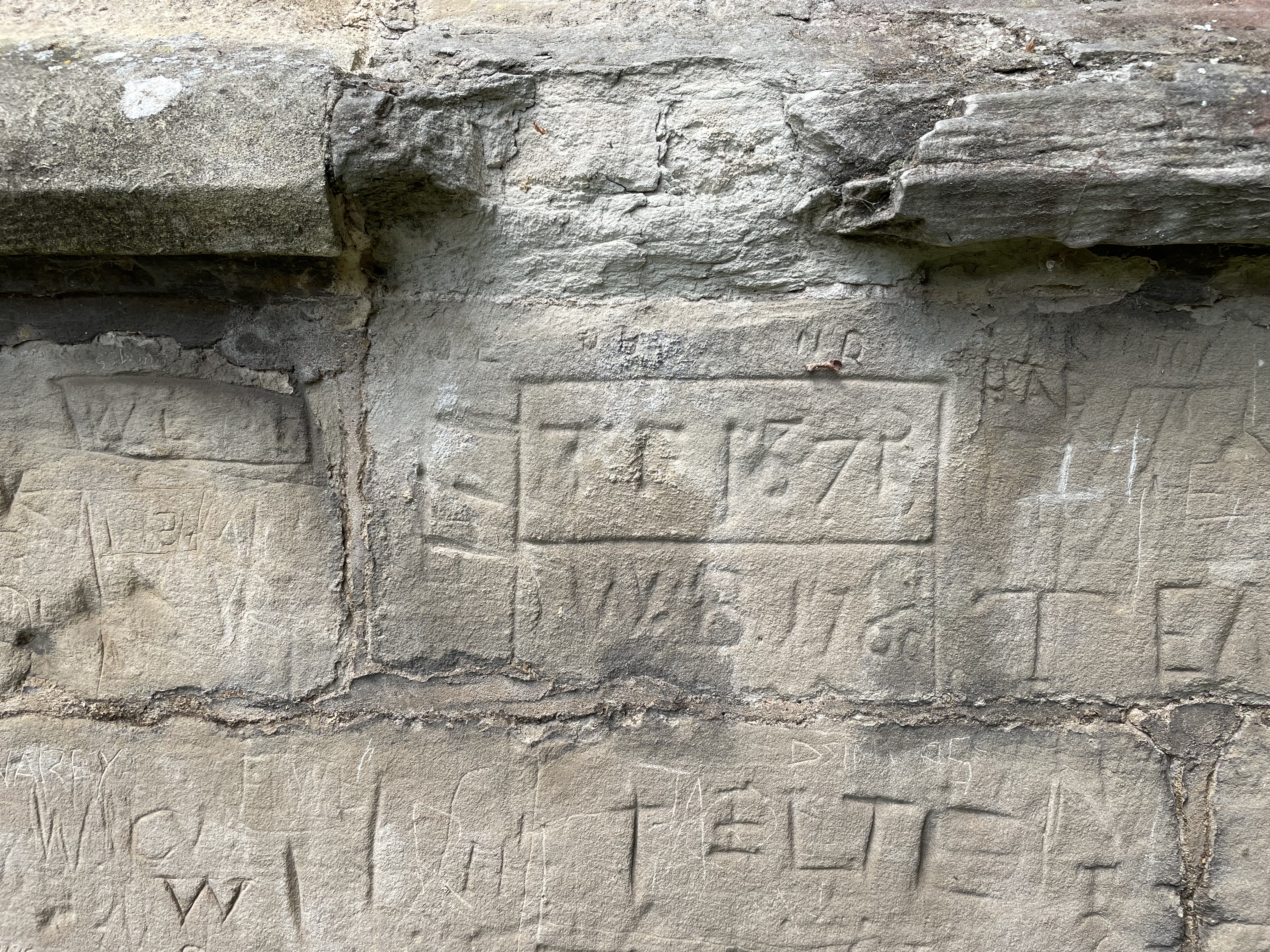
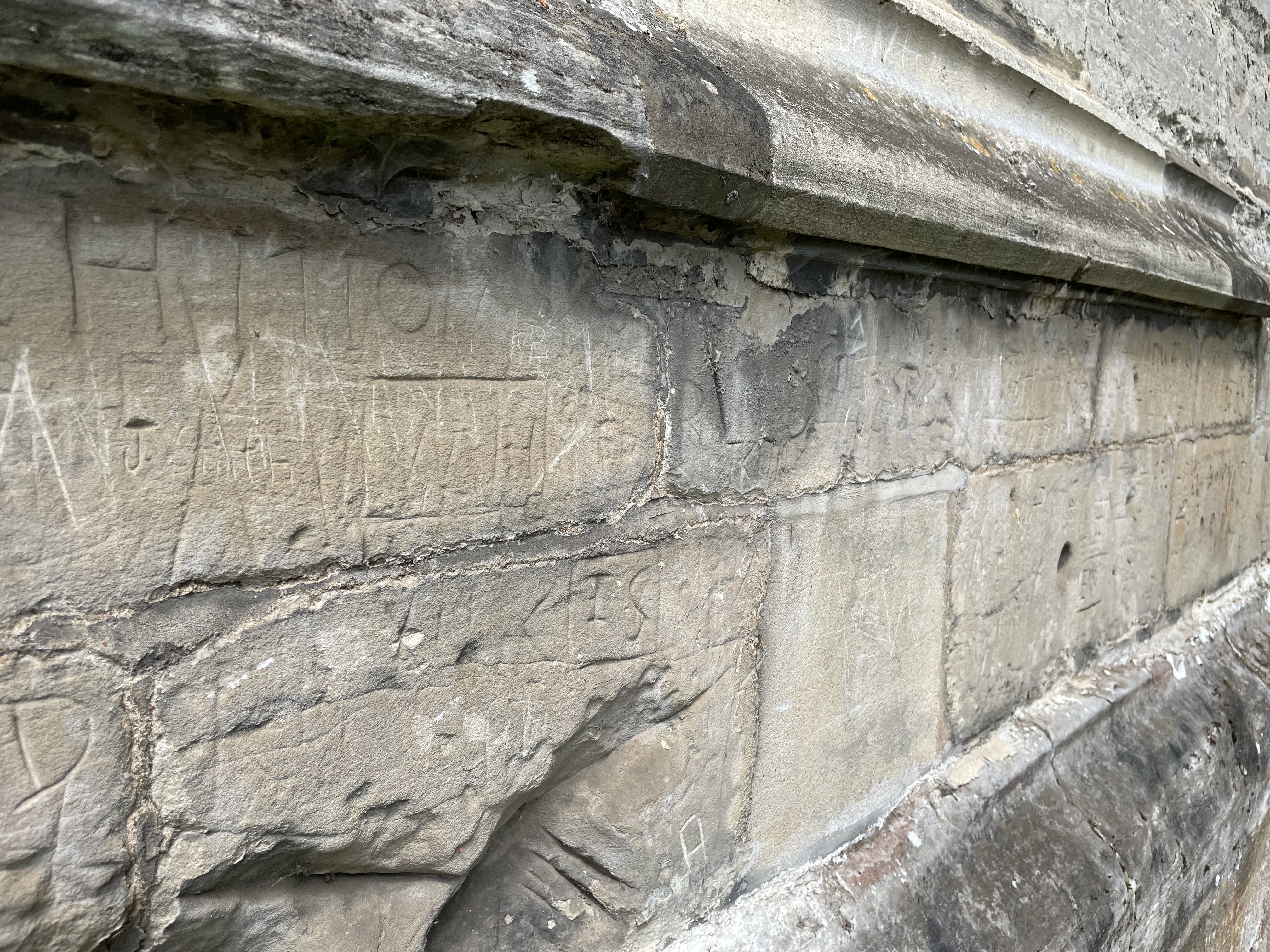
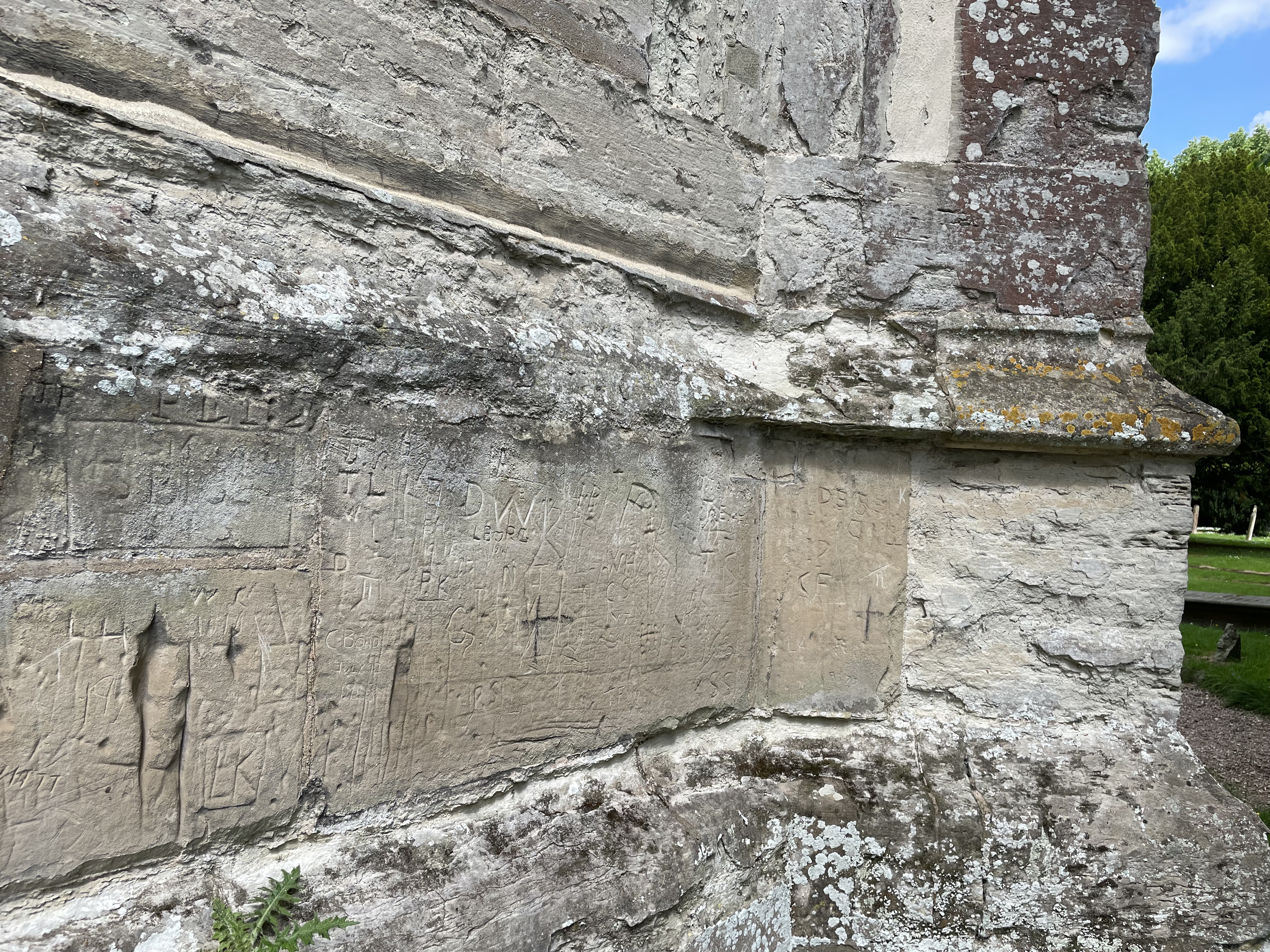
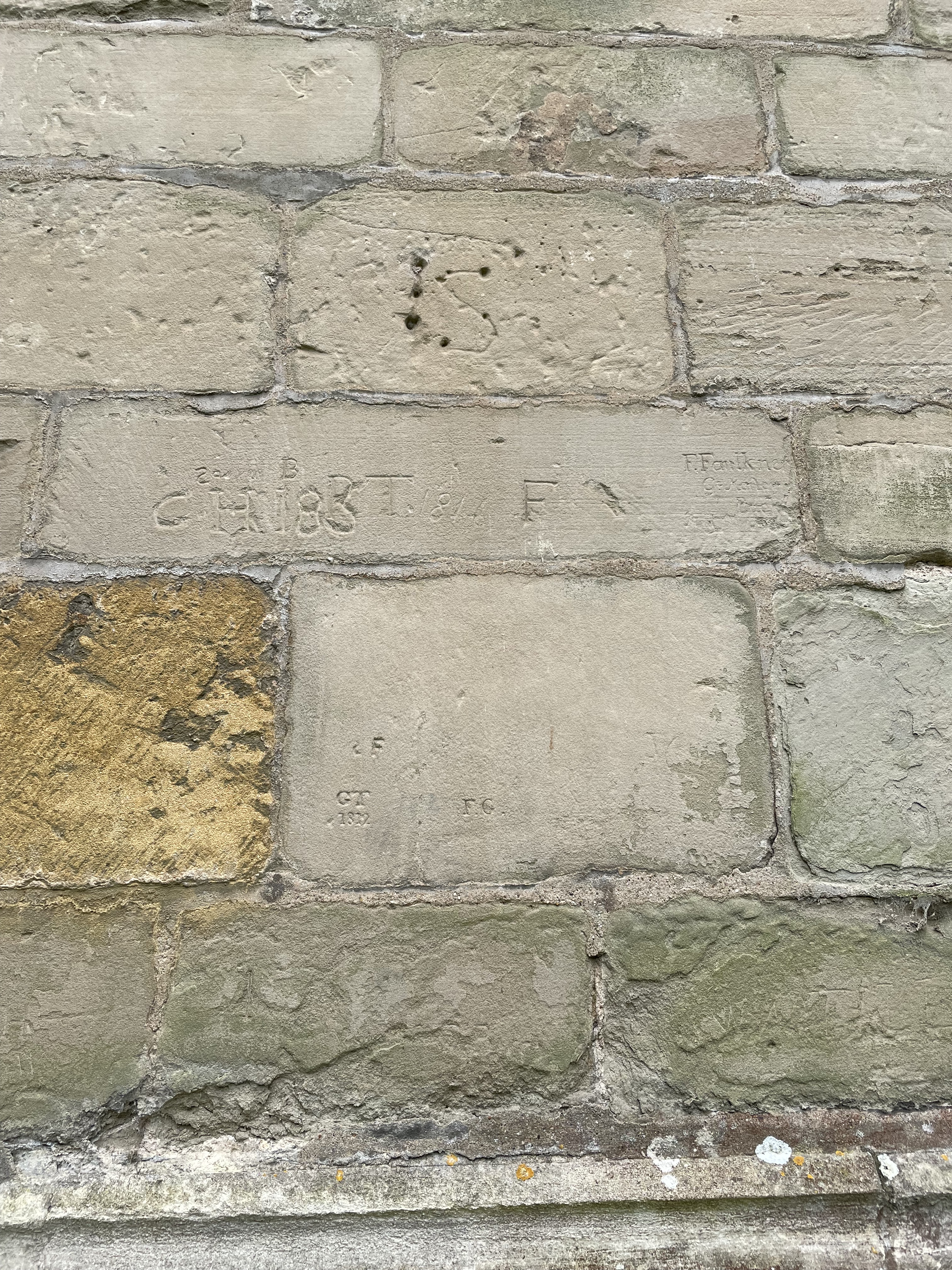
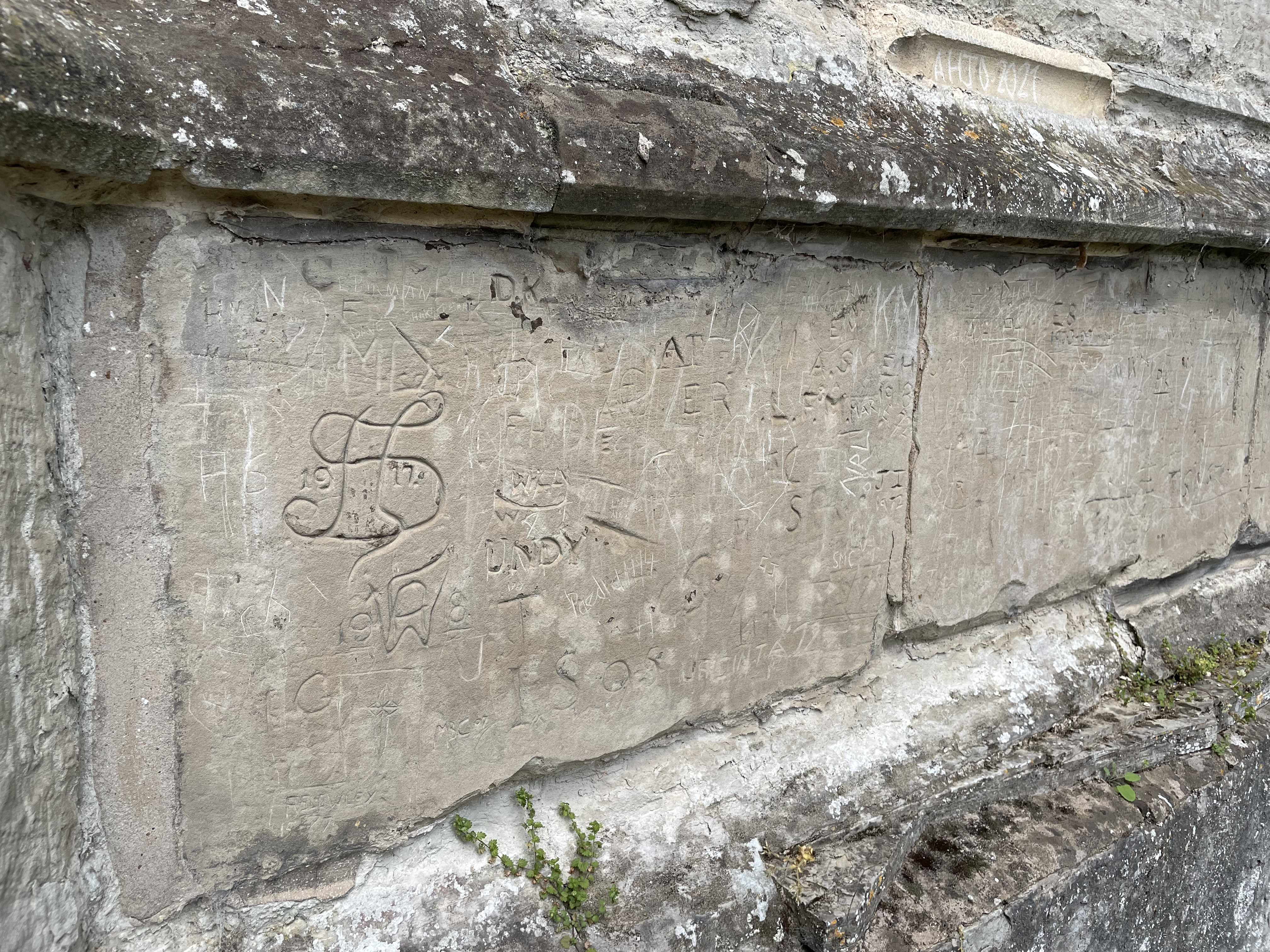
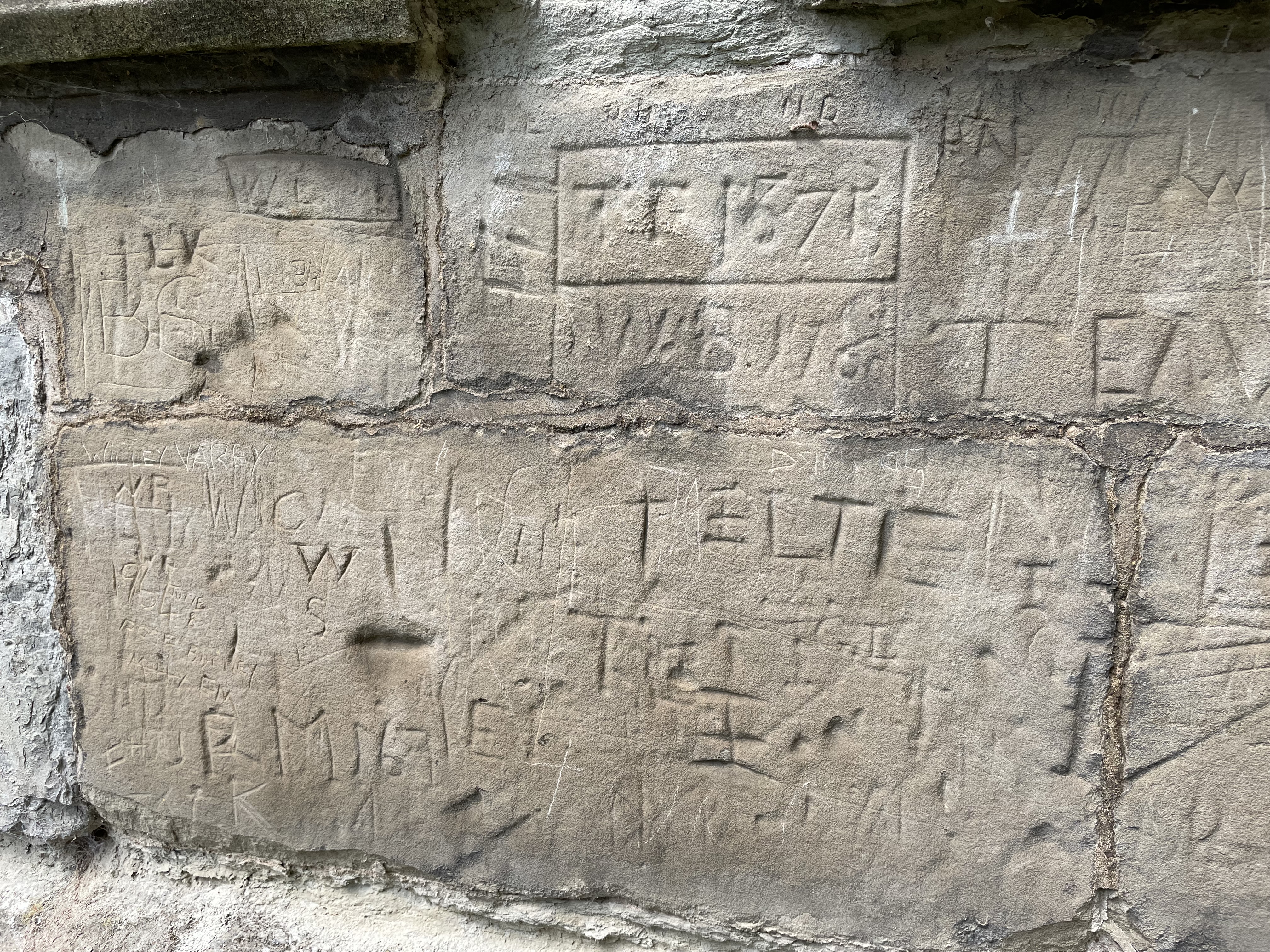
Before we entered the church I spotted on the riverside wall a lot of graffiti. It’s actually very unusual to see historical graffiti on the outside walls of a church. I’ve never seen it before… My husband and I, however, noticed that a lot of carvings were from the 1800s onwards. This was also unusual.
Then I read about the Shakespeare Jubilee established by David Garrick, a successful and famous actor in Georgian England. https://www.shakespeare.org.uk/explore-shakespeare/shakespedia/david-garricks-shakespeare-jubilee/. “In 1769, David Garrick threw a party that put Stratford-upon-Avon on the map as a tourist destination for Shakespeare fans.”

Shakespeare’s birthplace had not been celebrated until David Garrick put it on the map as a place to be seen. Though, his idea failed at the time – an outdoor display of theatre was washed out by the weather. But his initial desire was followed through as King George III was succeeded by his son as Prince Regent who became King George IV. In the Regency period of ‘romantic’ fashions what could be more romantic than treasuring the man, Shakespeare, who created such wonderfully romantic and powerfully dramatic works!

While Garrick’s original festival was a bit of a disaster, the idea stuck. He used the material of his planned celebration in theatres across Britain and Europe and then… “In 1816 Stratford held an organised commemoration of Shakespeare’s death for the first time. The festival was closely modelled on Garrick’s Jubilee and was organised by the sons of those committee members who had been involved with it,” and, “In 1824 the Shakespeare Club was founded in Stratford.” This, therefore, alluded to why so much of the graffiti on the church wall of Shakespeare’s burial place came after this era. “Three years later the 1830 Jubilee attracted nationwide interest and even received Royal Patronage.”
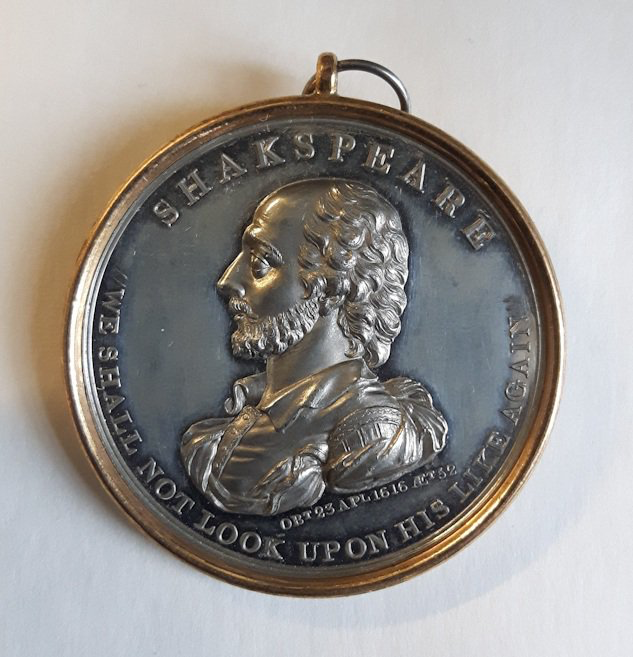
A medal struck for the 1816 Shakespeare Festival in Stratford-upon-Avon

Stratford upon Avon then became one of the most ‘romantic’ and ‘fashionable’ places to visit. Celebrities of the time, all the romantic poets, are recorded as visiting the town in the 1800s. It became a pilgrimage destination for writers and painters alike.

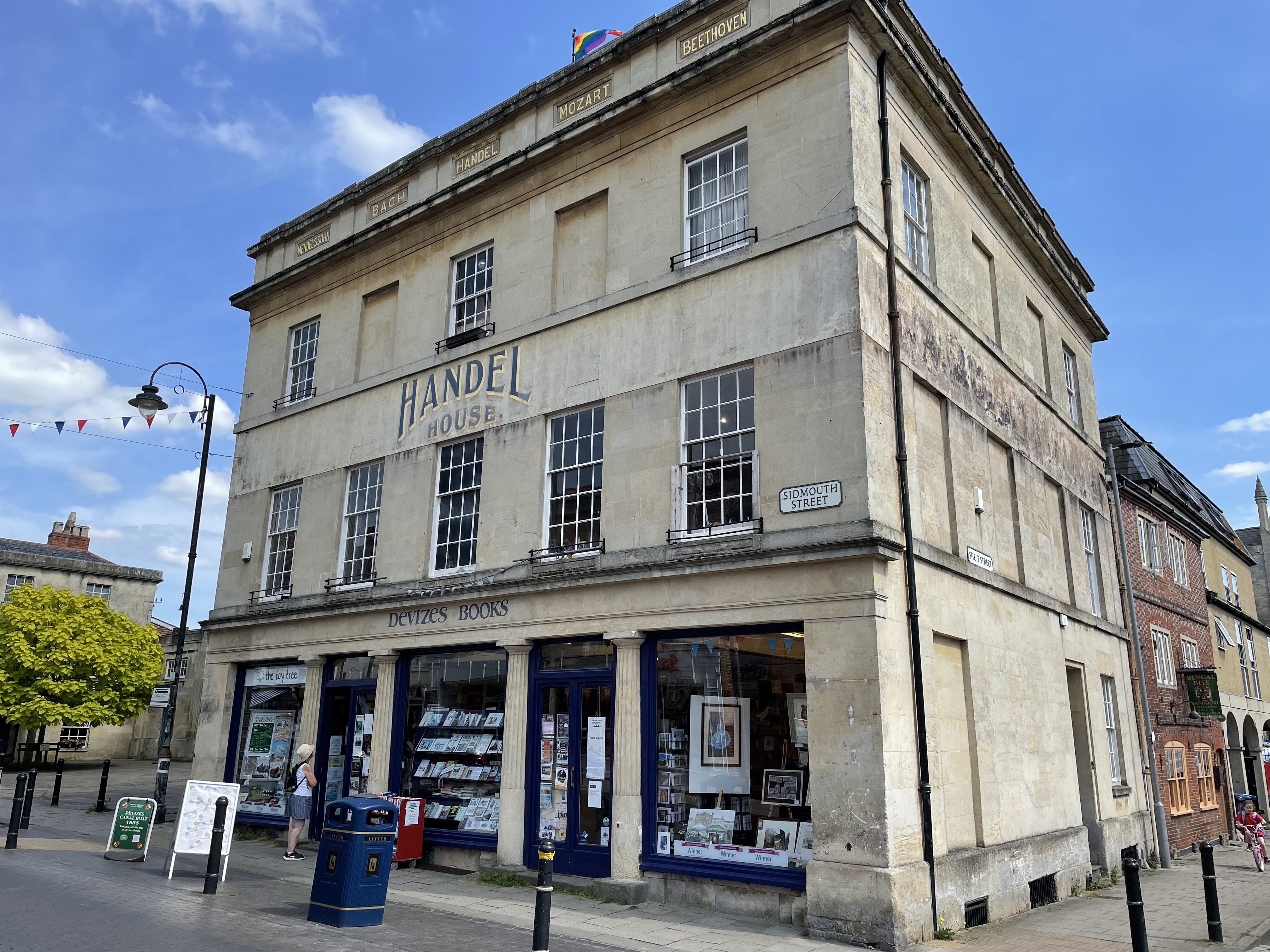
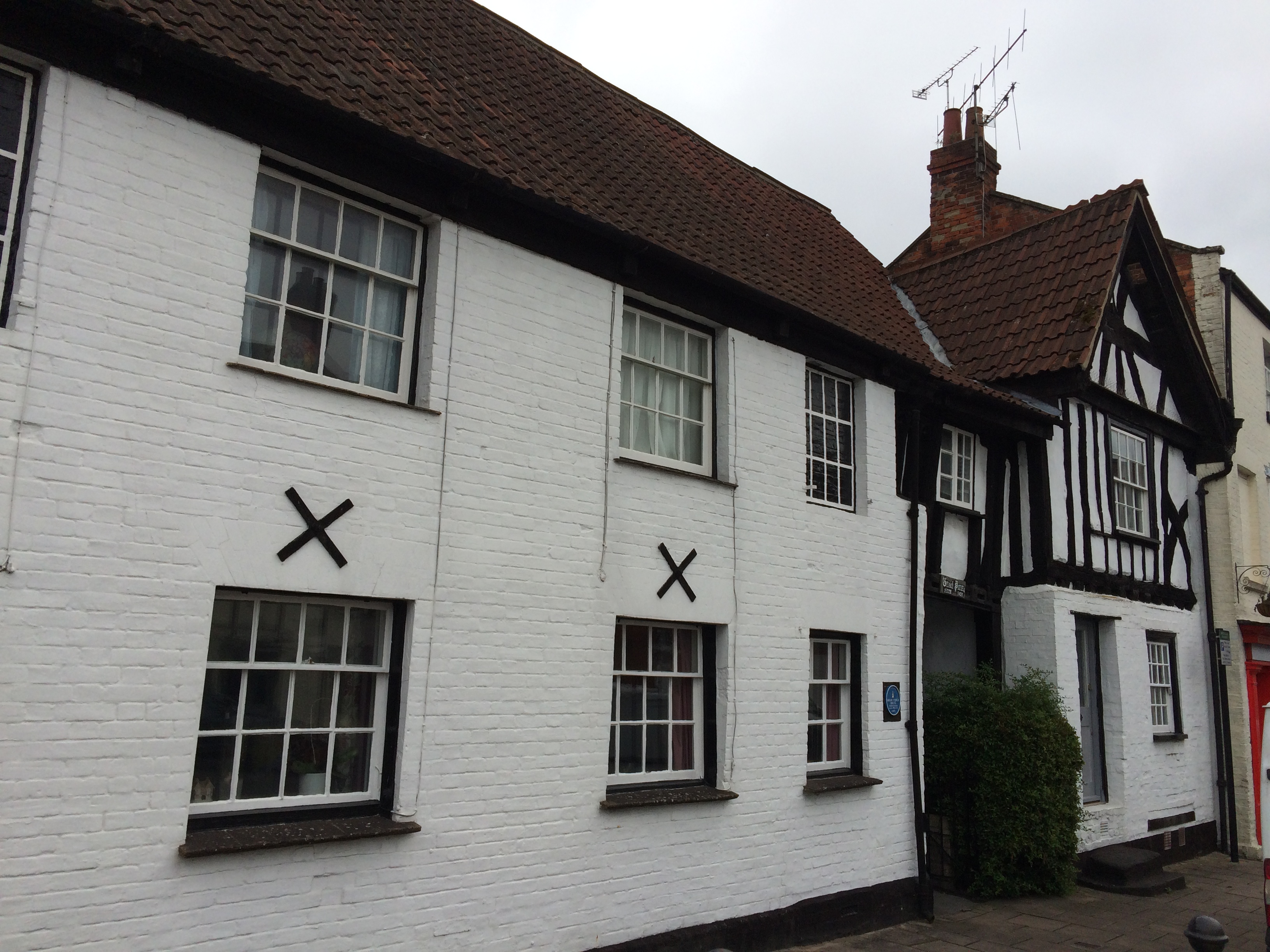
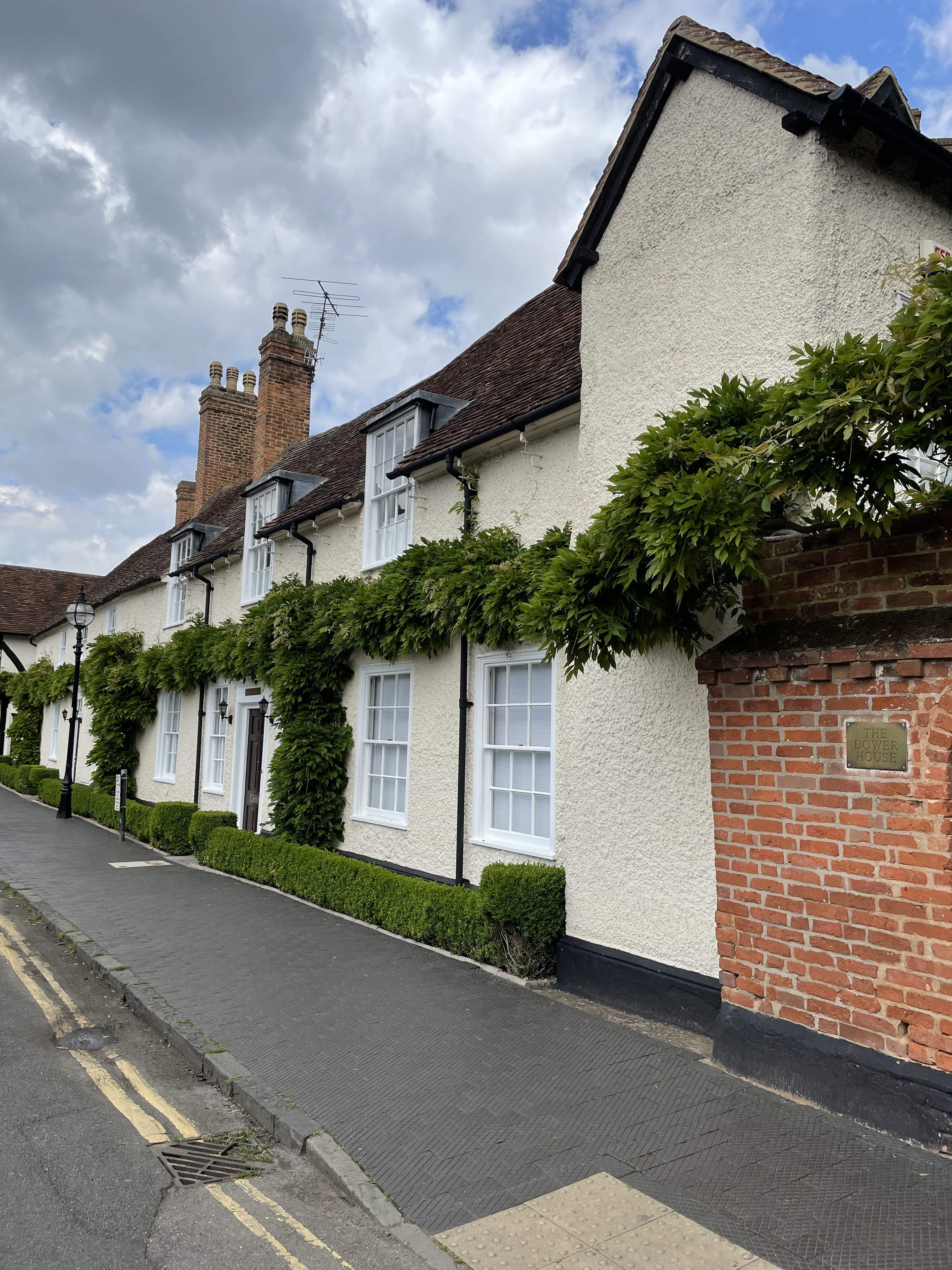
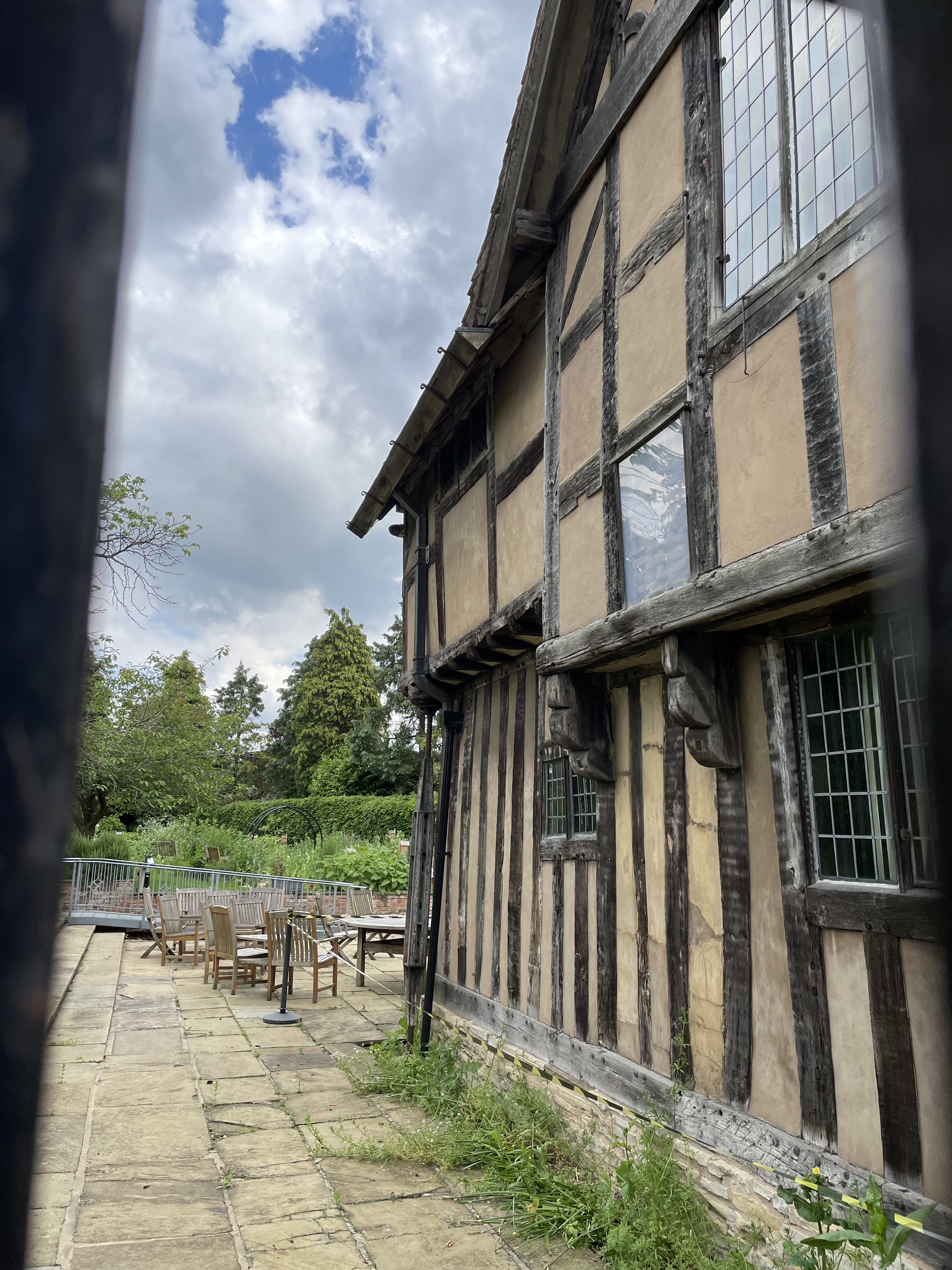
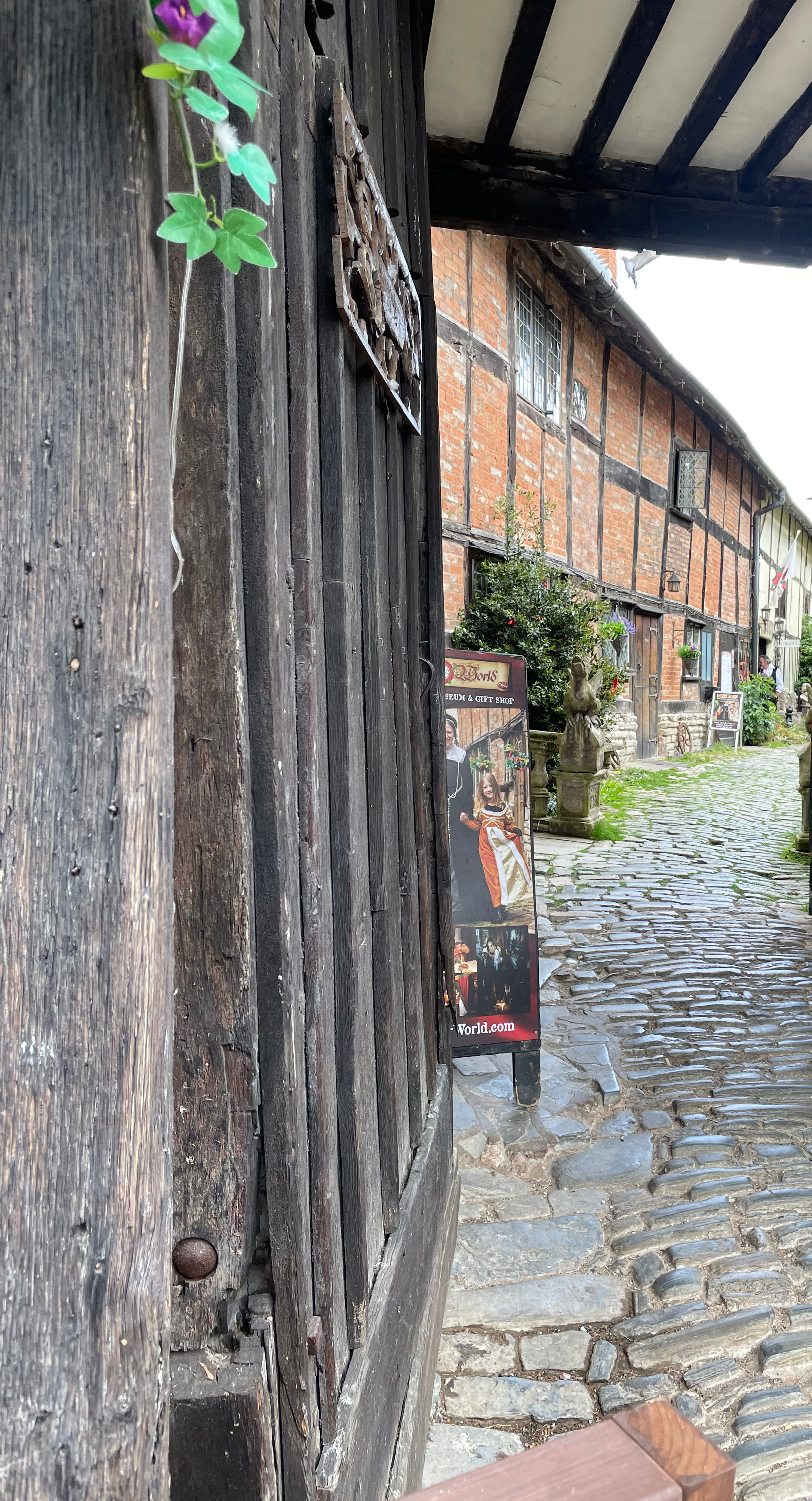
What I think is particularly wonderful about this adulation for Shakespeare’s home town that began in the late 18th and early 19th centuries, is that it meant Stratford upon Avon was saved from being completely dressed in Georgian architecture. What I mean by this is shown in the town where I live…

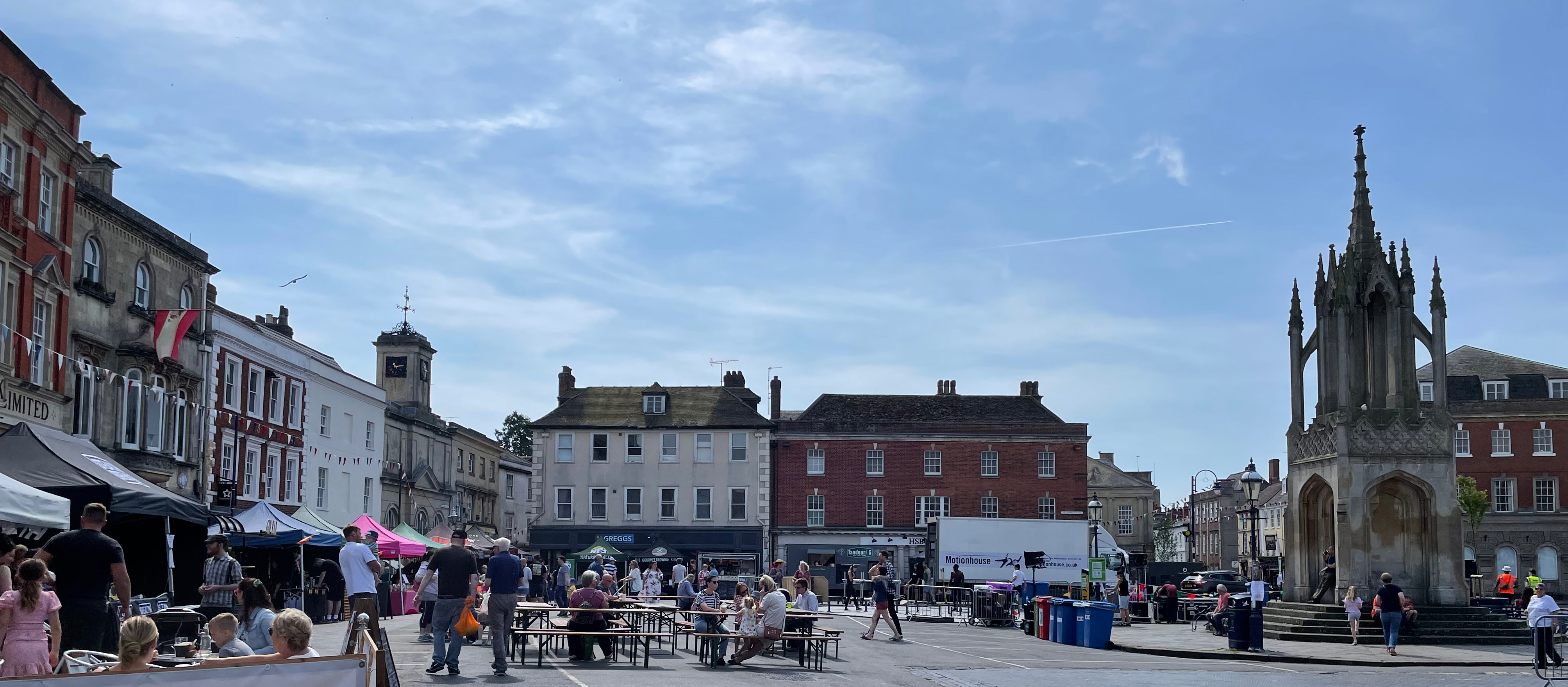
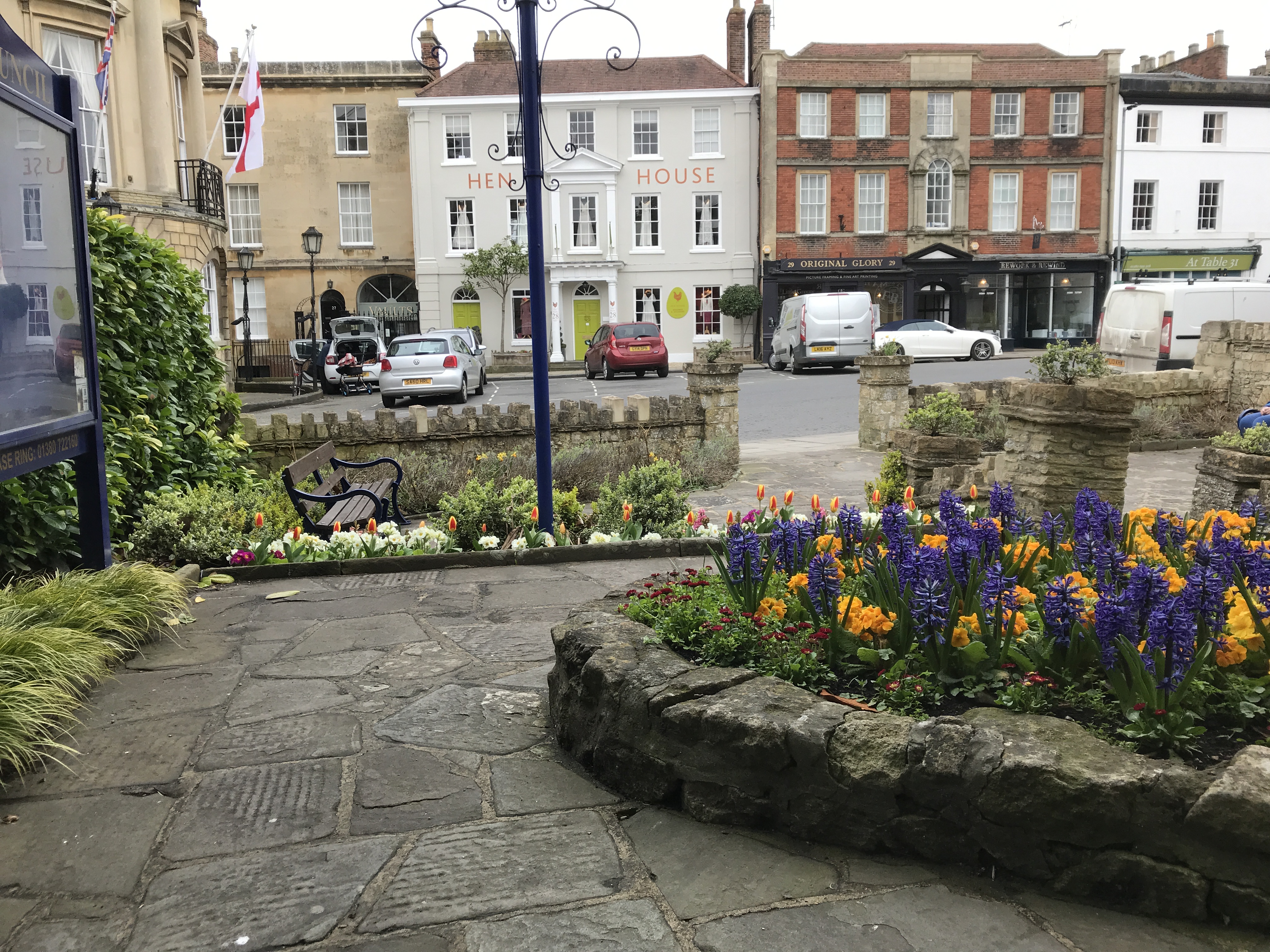
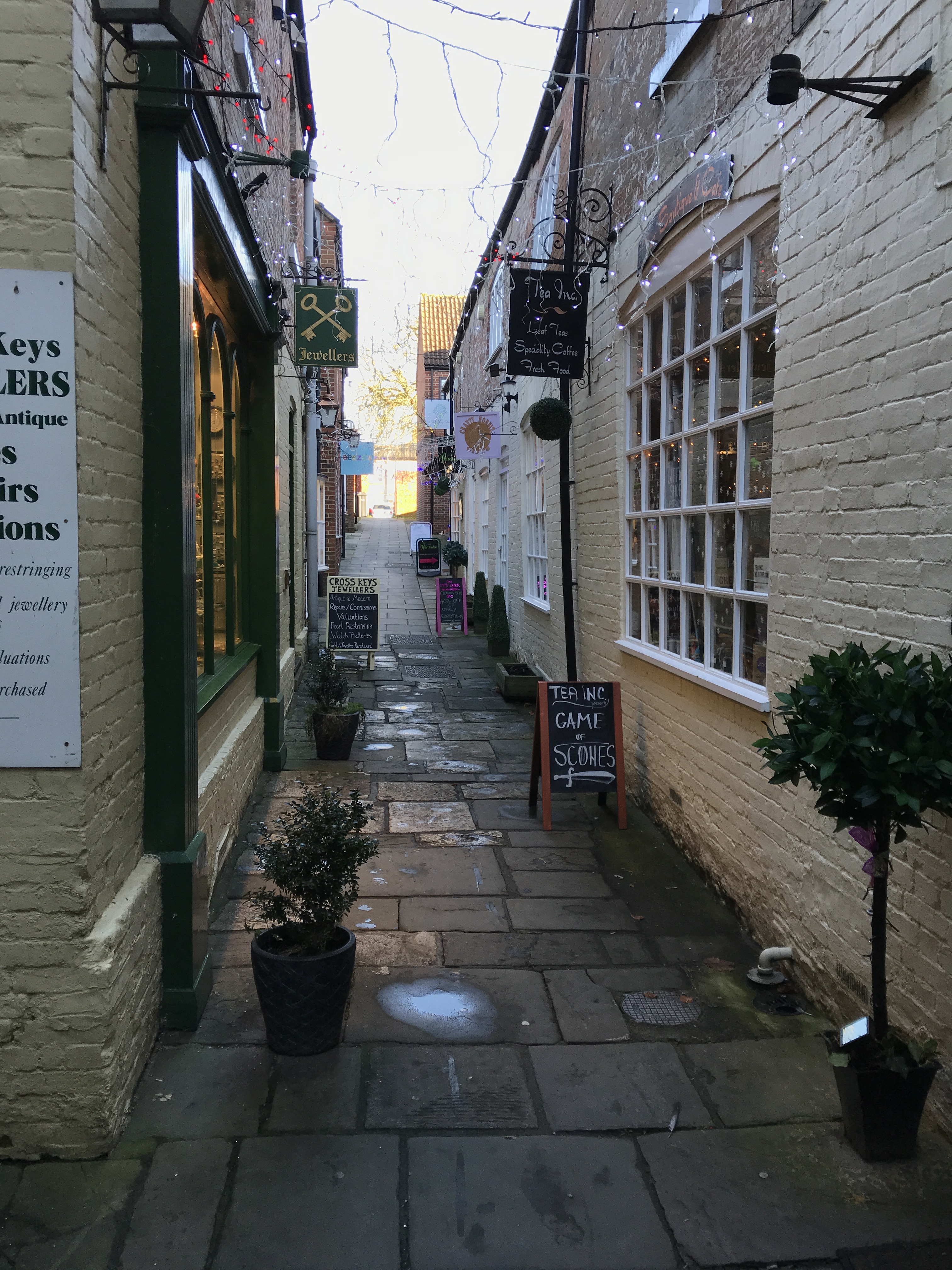
The Castle Town of Devizes, like many towns in Britain, in appearance is full of properties built in the Georgian period…
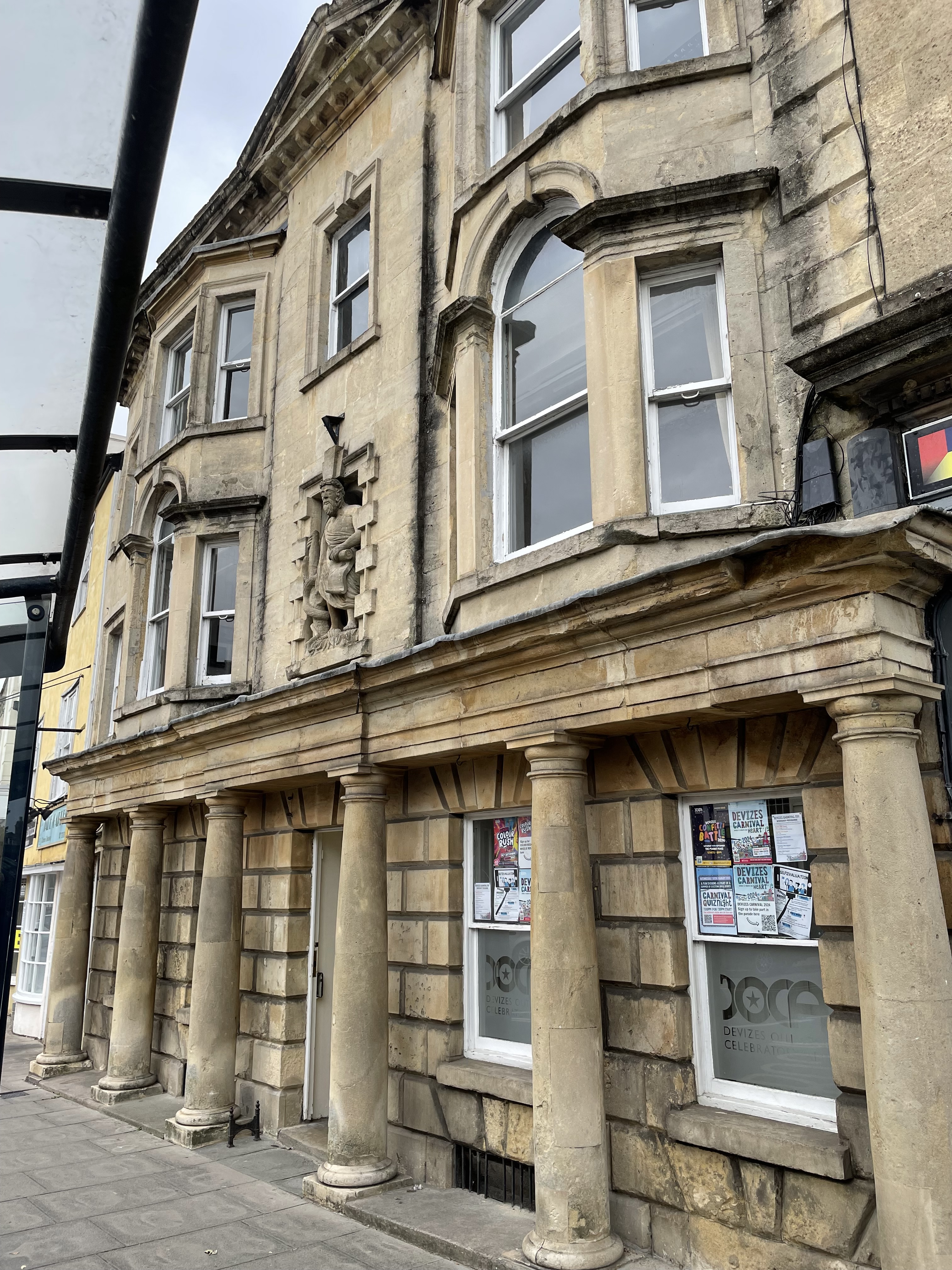
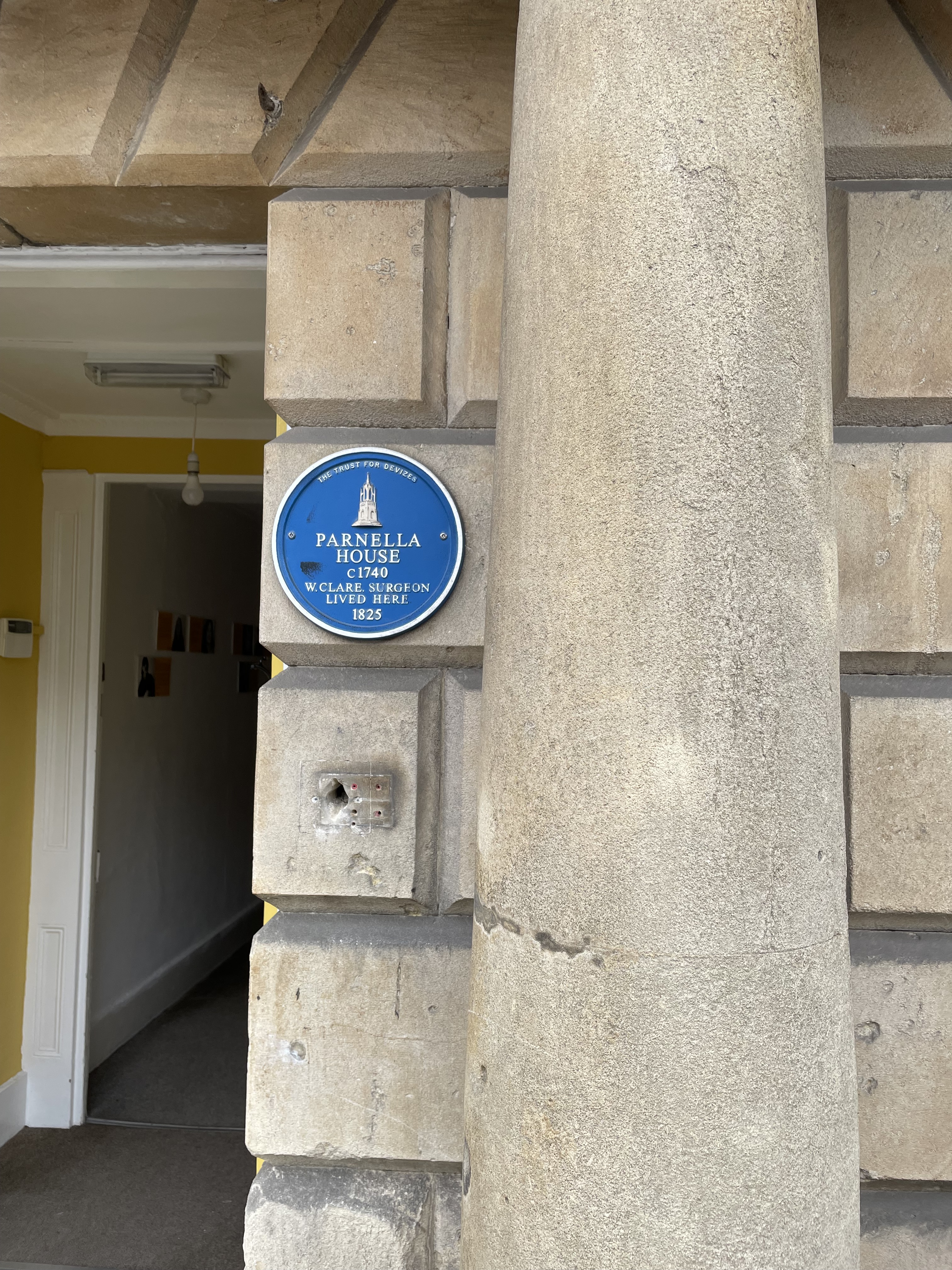
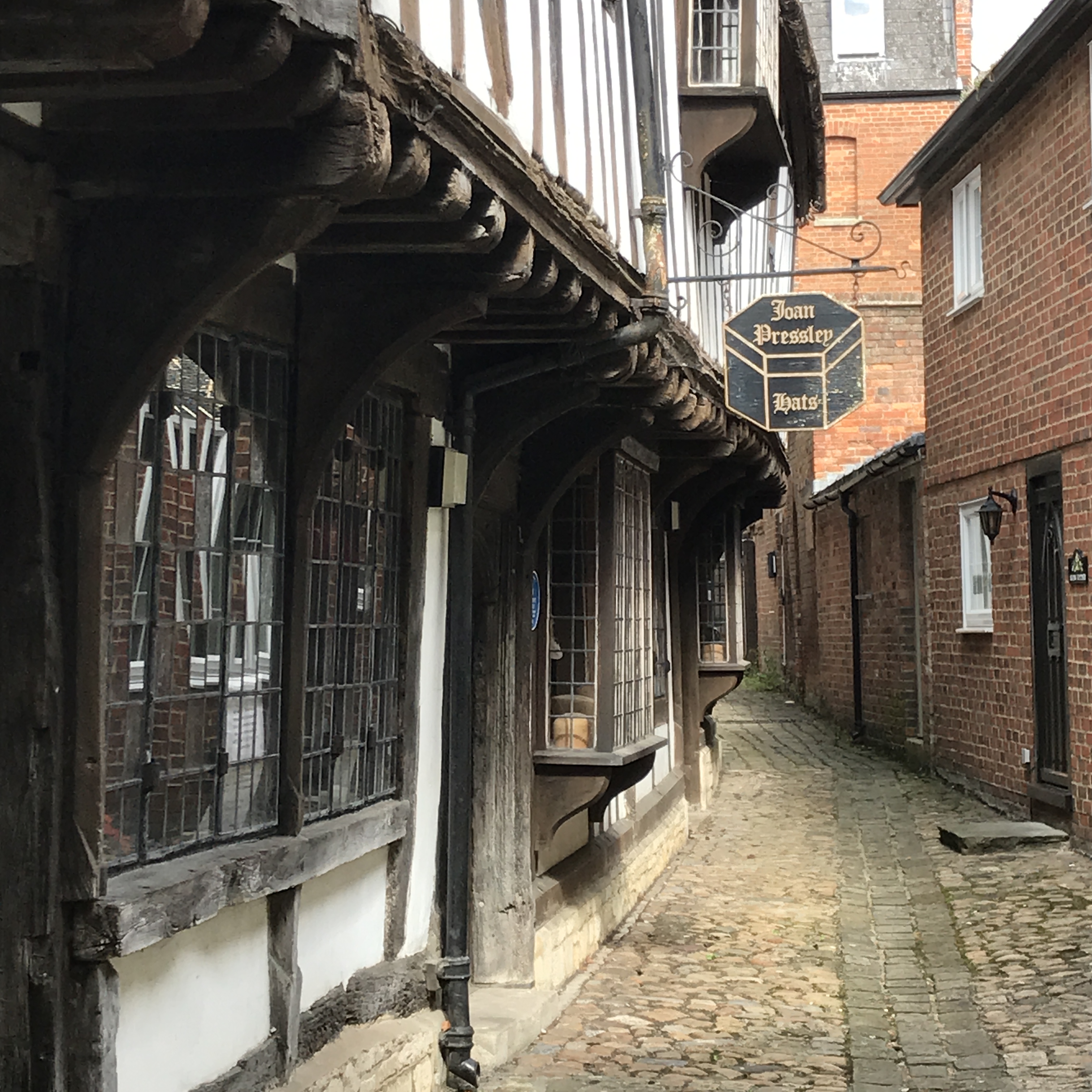
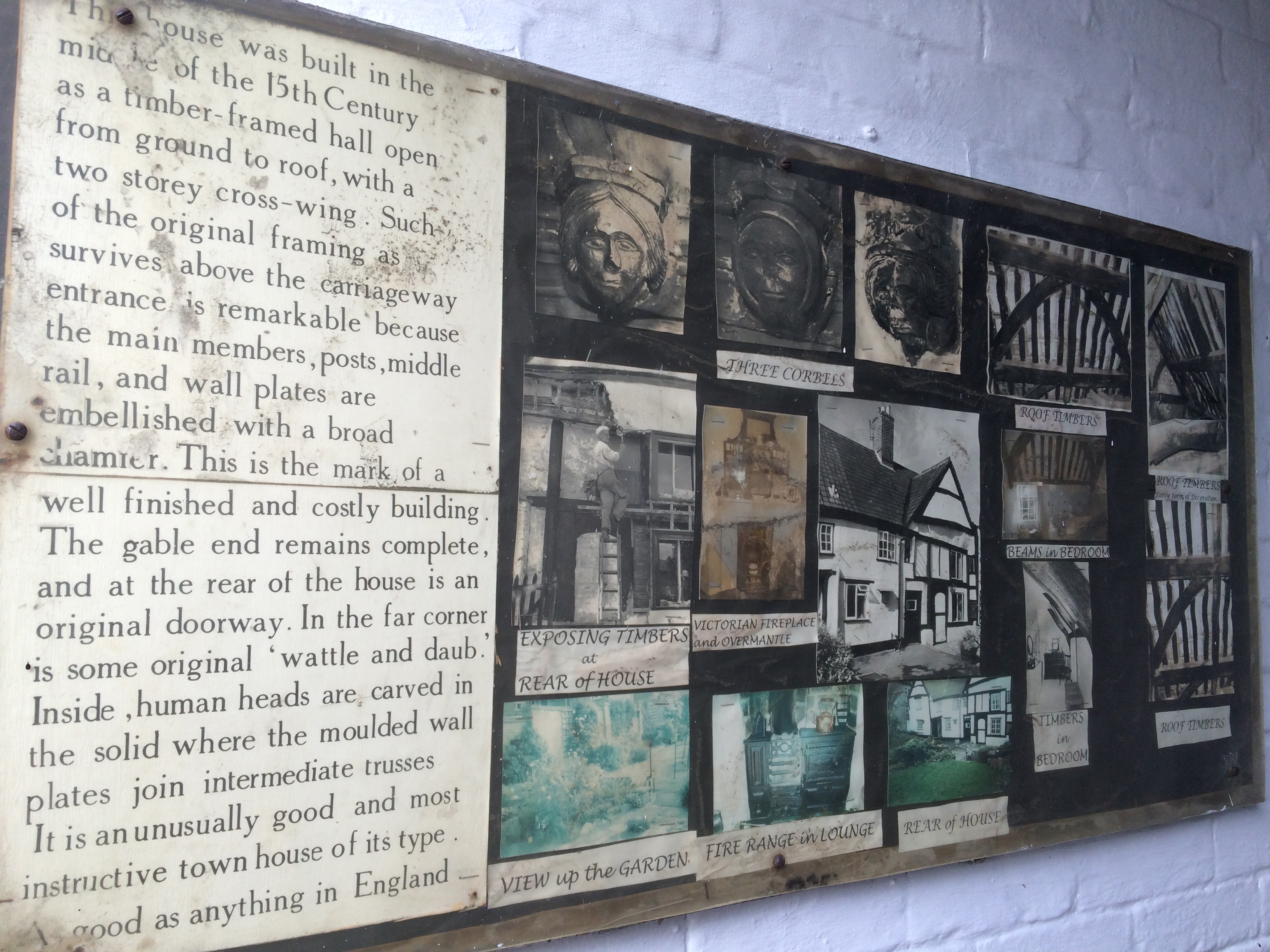
But behind the scenes…
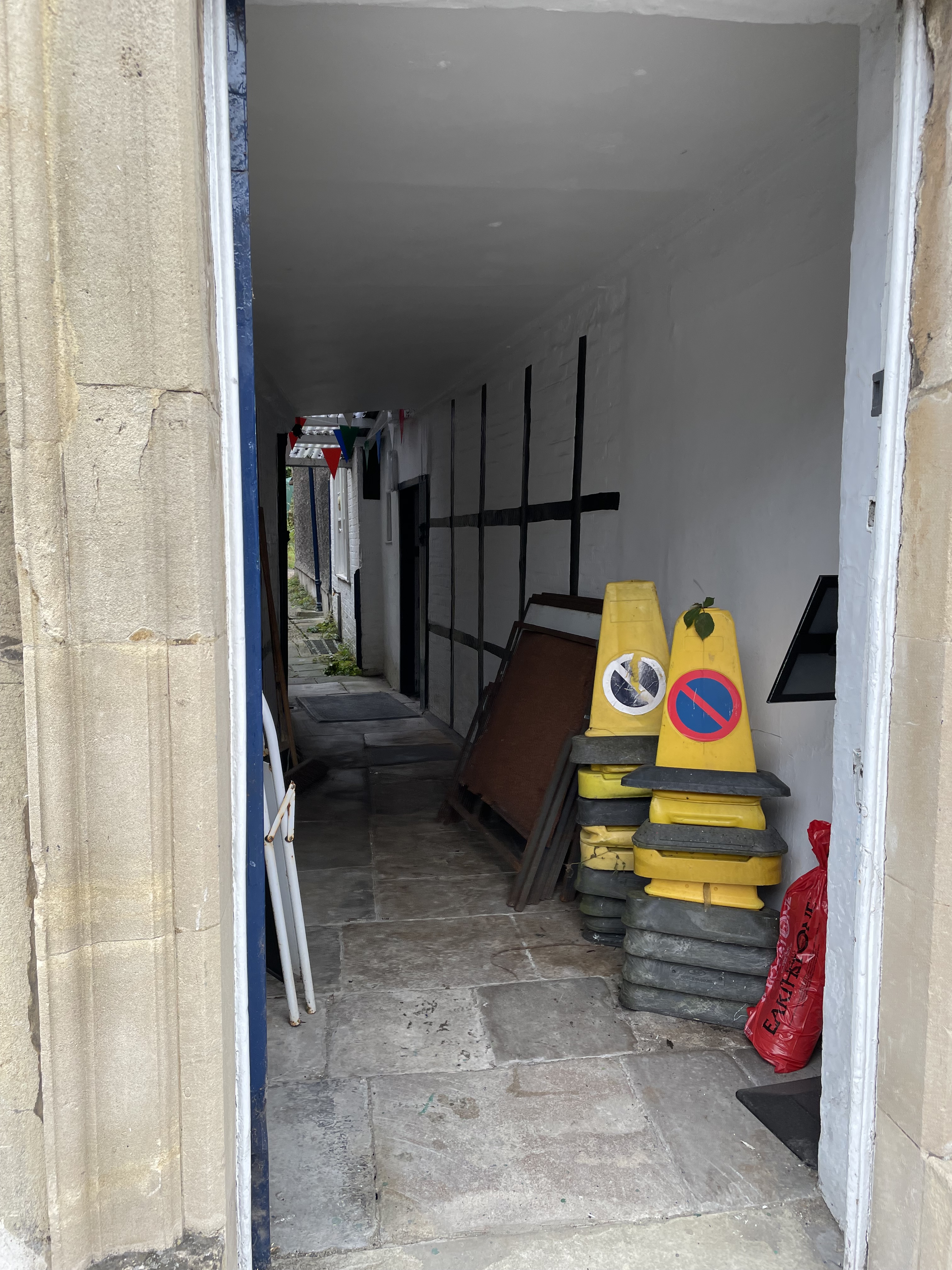
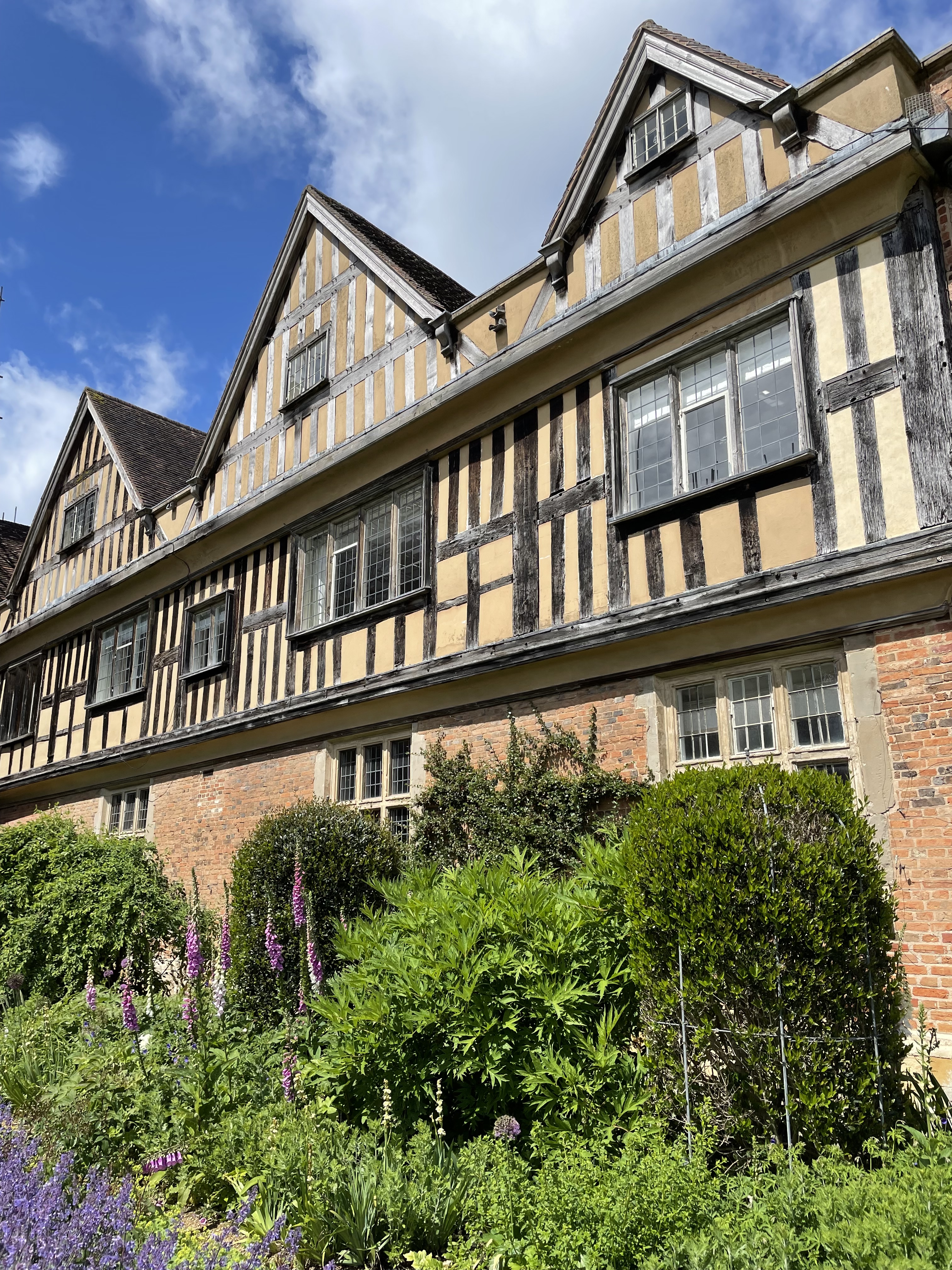
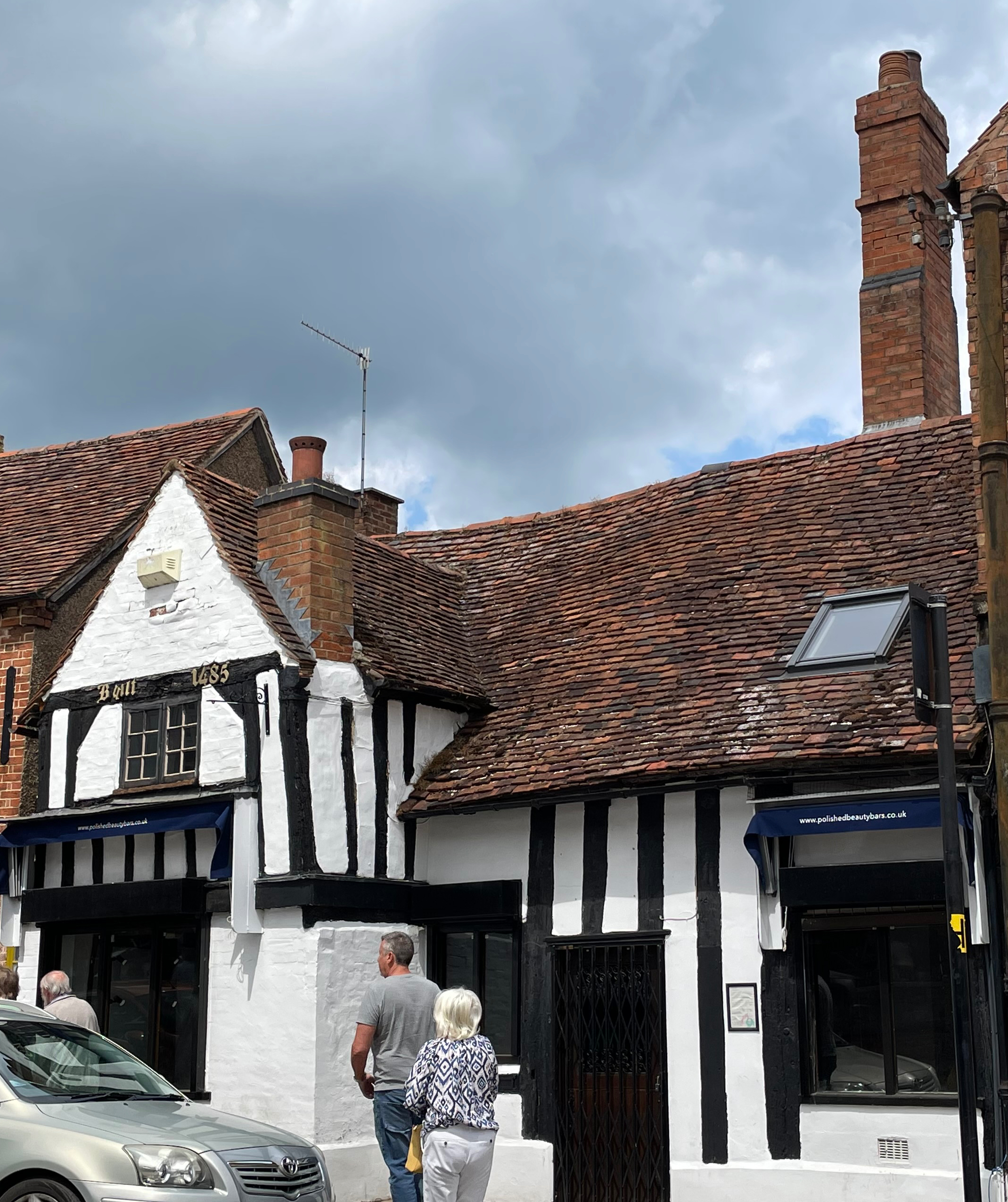
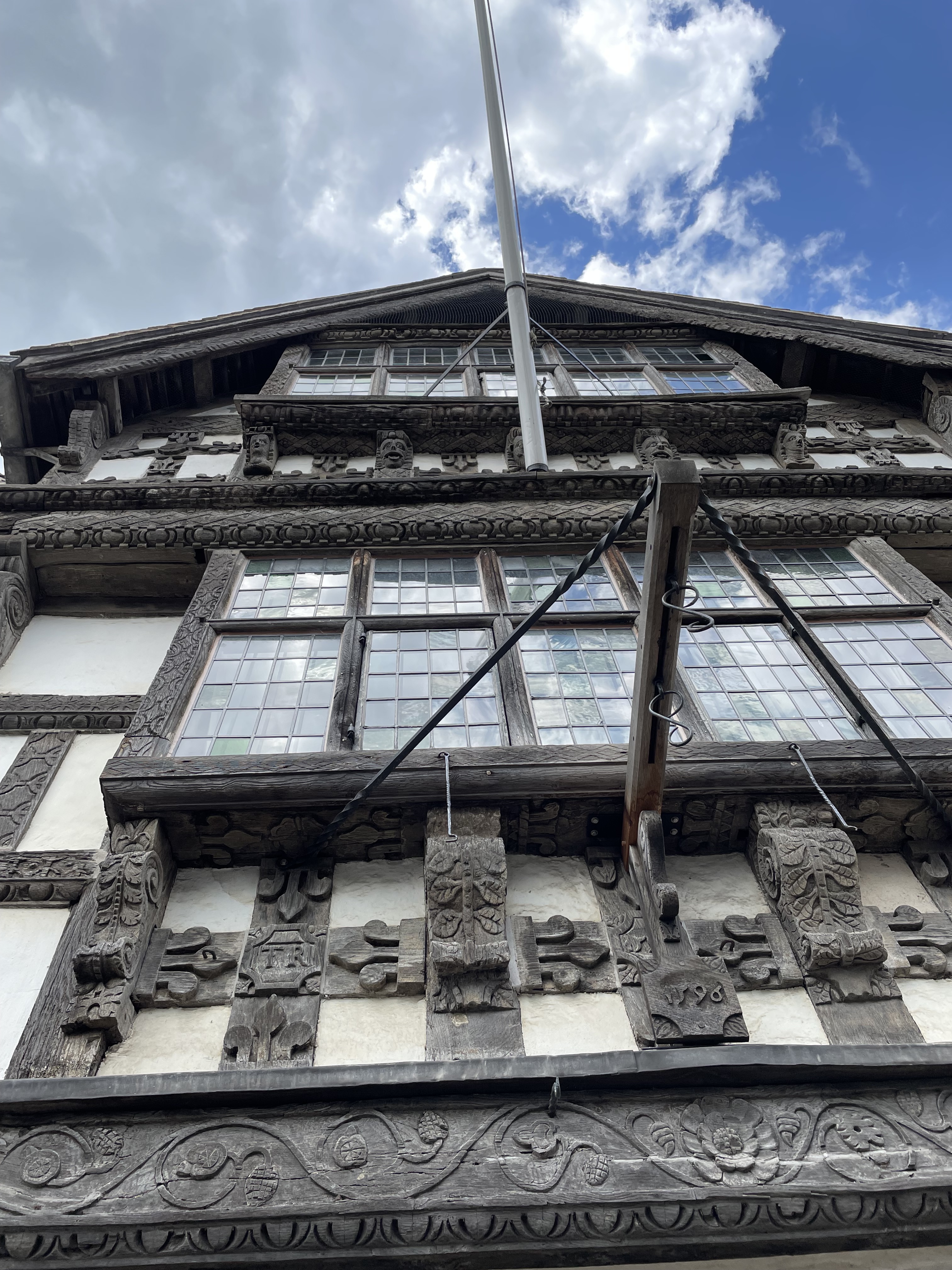
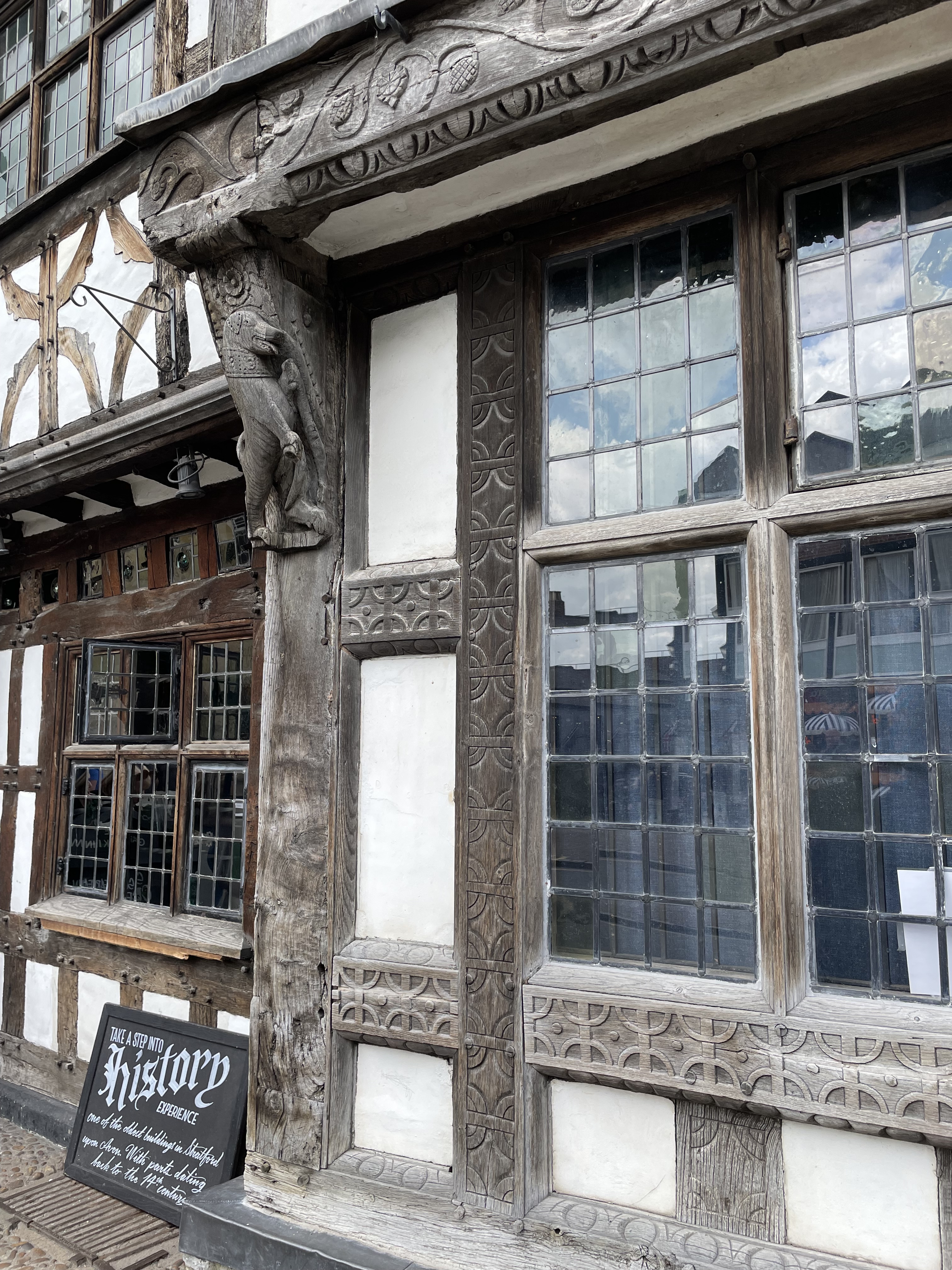
Because the Georgians, in the 1700s, travelled the world, and were inspired by European architecture, they wanted their properties in our towns to look like the grand places they’d seen in Europe – resembling Roman and Greek buildings. They wanted the outside of their properties to be an architectural artwork, with blind pilasters, balustrades and carvings. Of course, rebuilding would cost a lot of money, so often, the Georgians just built a new front wall, literally face-painting our medieval towns. This is most apparent in the pictures top left in the above two galleries, the wooden framed walkway is behind the front door of Parnella House in Devizes marketplace. But because Stratford upon Avon was being celebrated for its historical beauty in remembrance of Shakespeare’s life, the Georgians restrained this desire and left much of the Tudor and earlier architecture untouched…
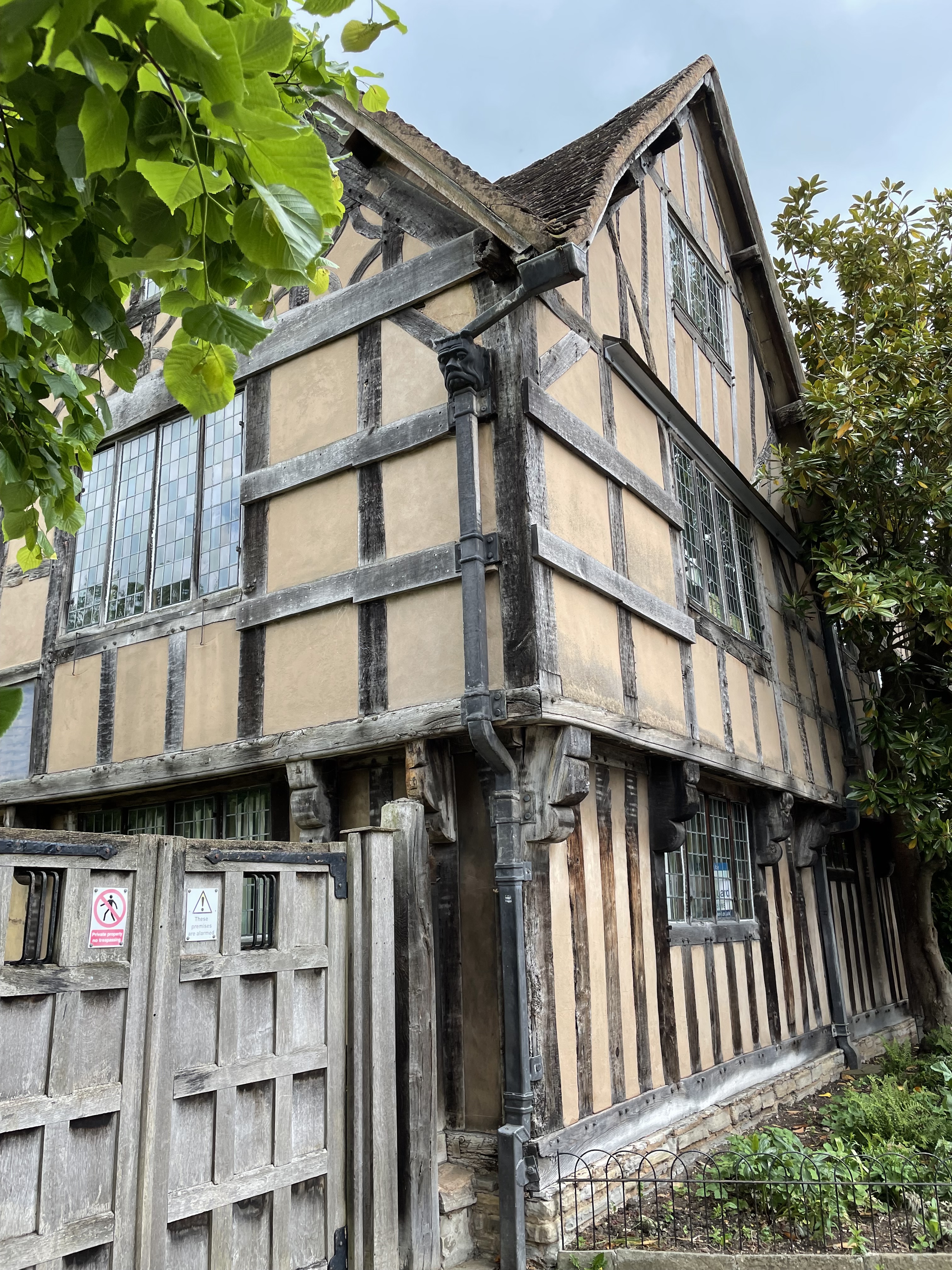
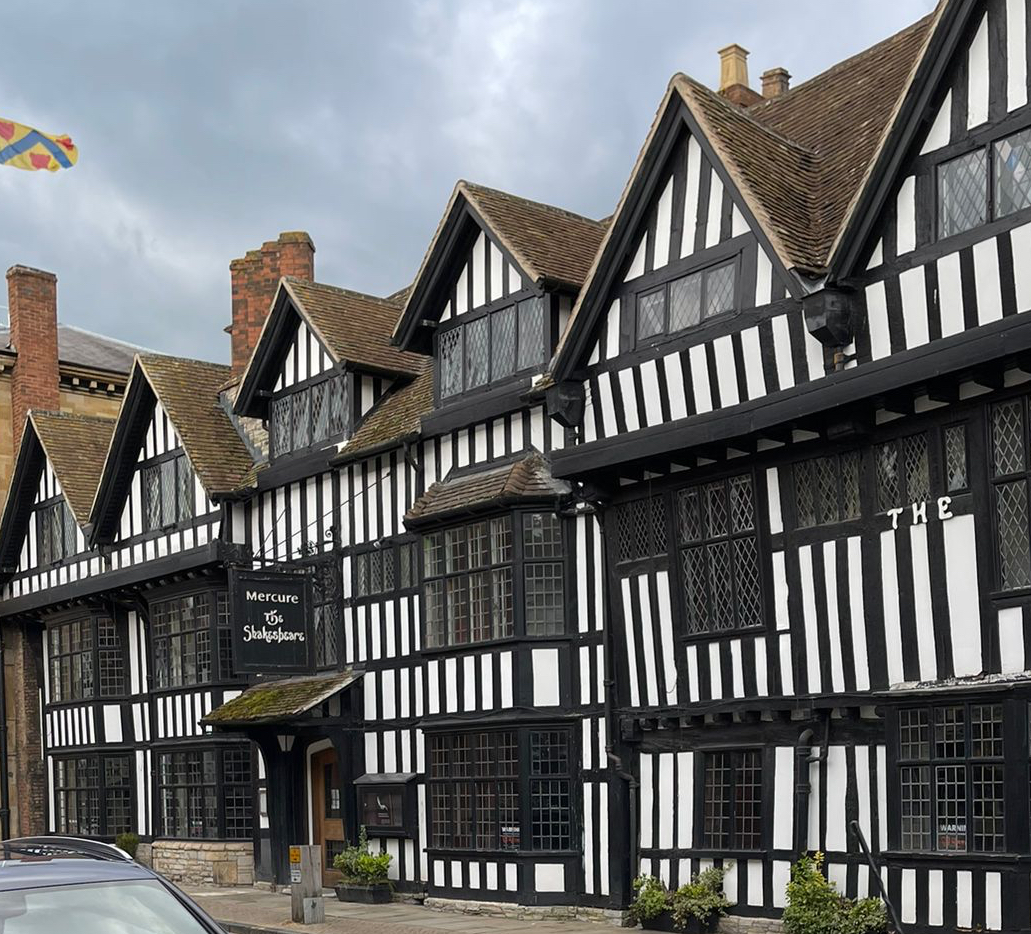
So, we have David Garrick’s 18th century failed jubilee and then Stratford upon Avon town Corporation’s investment in continuing this theme, and lastly those who established Stratford’s ‘Shakespeare Club’ in 1824, to thank for preserving the historical buildings in the town, and for it’s recognition as the home town of Shakespeare. That is why so many people still visit Stratford upon Avon today.

“In the words of Mrs Hart – a descendant of Shakespeare and one time custodian of Shakespeare’s Birthplace, ‘People never thought so much of it till after the Jubilee’.”

Quotes taken from – https://www.shakespeare.org.uk/explore-shakespeare/shakespedia/aftermath-jubilee/

There’s lots more for me to say about the things I discovered, and the places I visited in and around Stratford upon Avon, so follow my blog if you don’t want to miss a post.
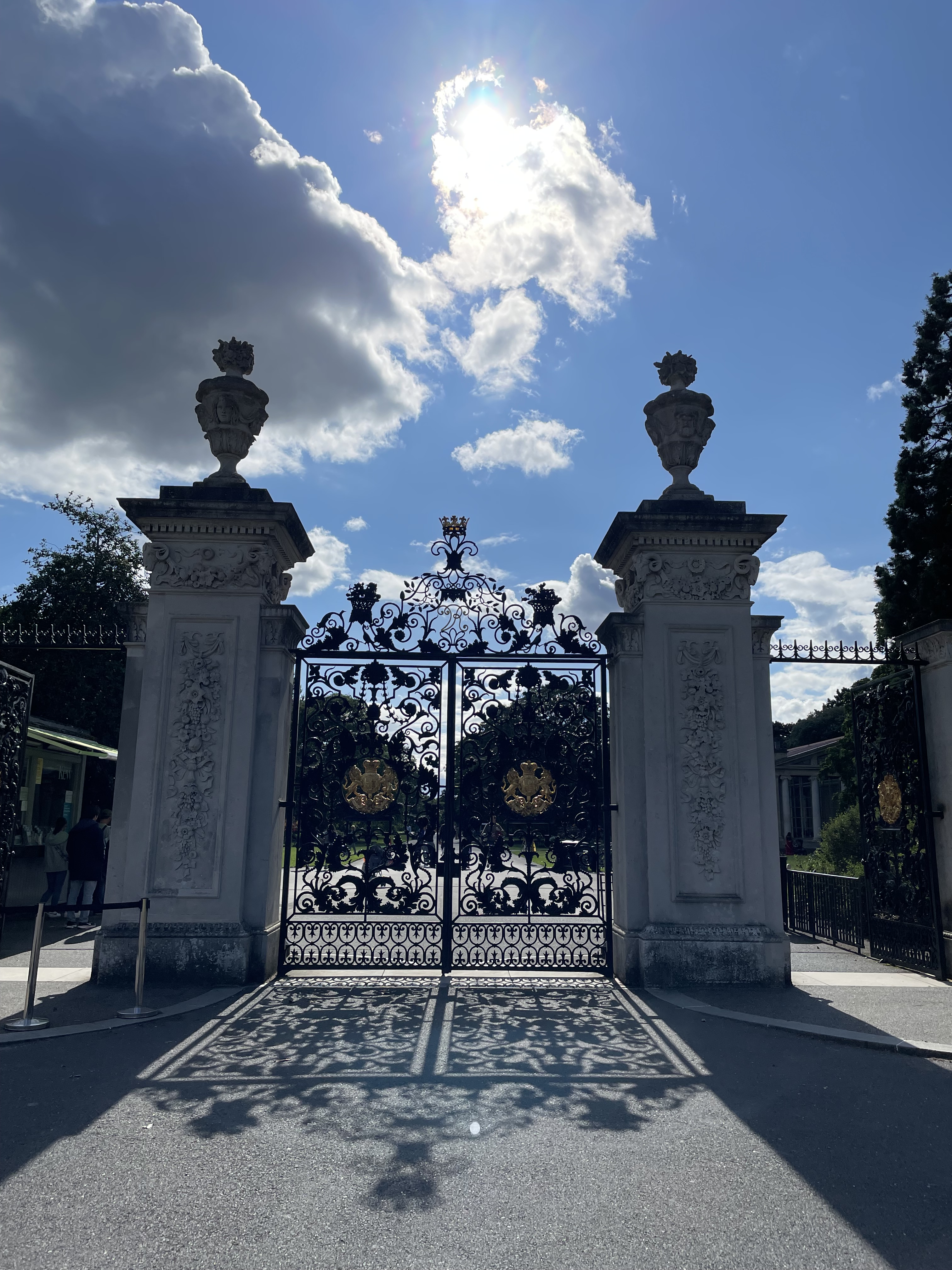
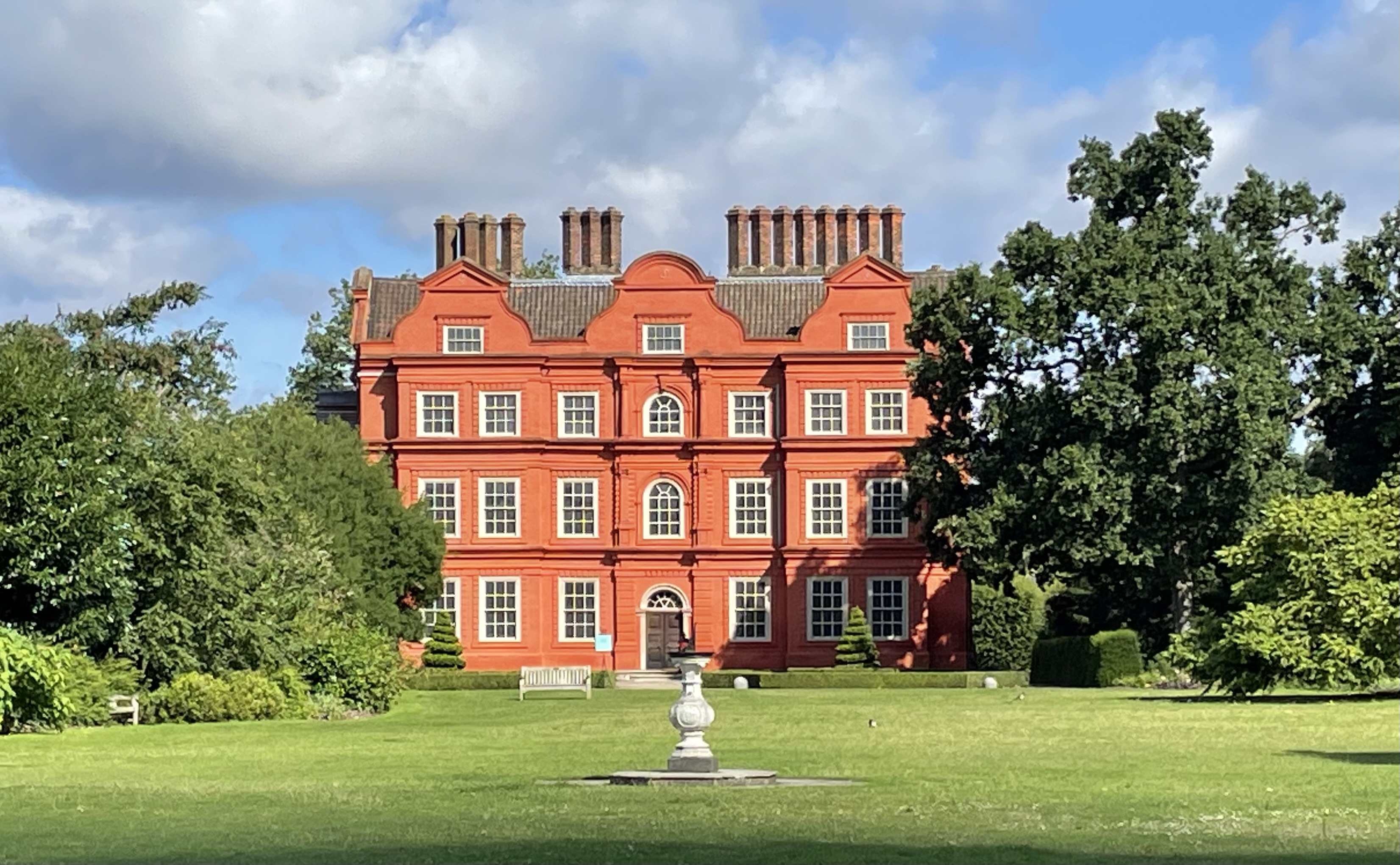
Kew Palace and Gardens – The story of a house that became a palace

In the summer I spent a couple of nights in London, staying near Kew Palace and Gardens, just on the other side of what was once the green of Kew village. I have wanted to visit Kew for years. Even though I don’t write regency romance now I have been fascinated by history since my childhood and I will never rid myself of my amateur historian, the draw of wanting to know how people lived historically, what happened and why will never leave me. I love research and investigating, looking for clues of the things that aren’t generally known. Many of the things I discovered would have once upon a time crept into my regency stories because I do love hiding true aspects and moments within my fiction, and you never know there maybe a time-slip thriller in the future to incorporate some of the things I found out so I will keep some things to myself.

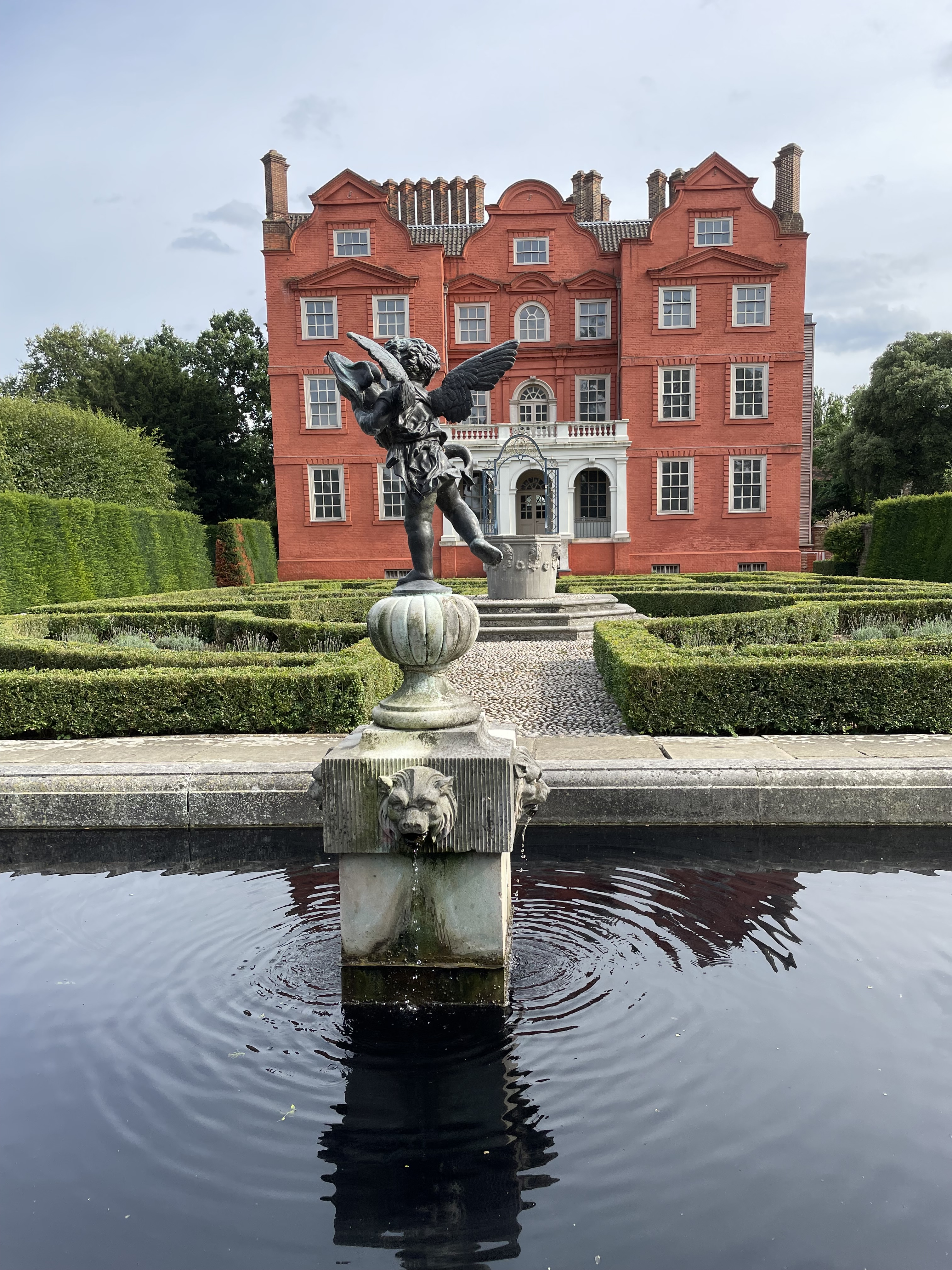
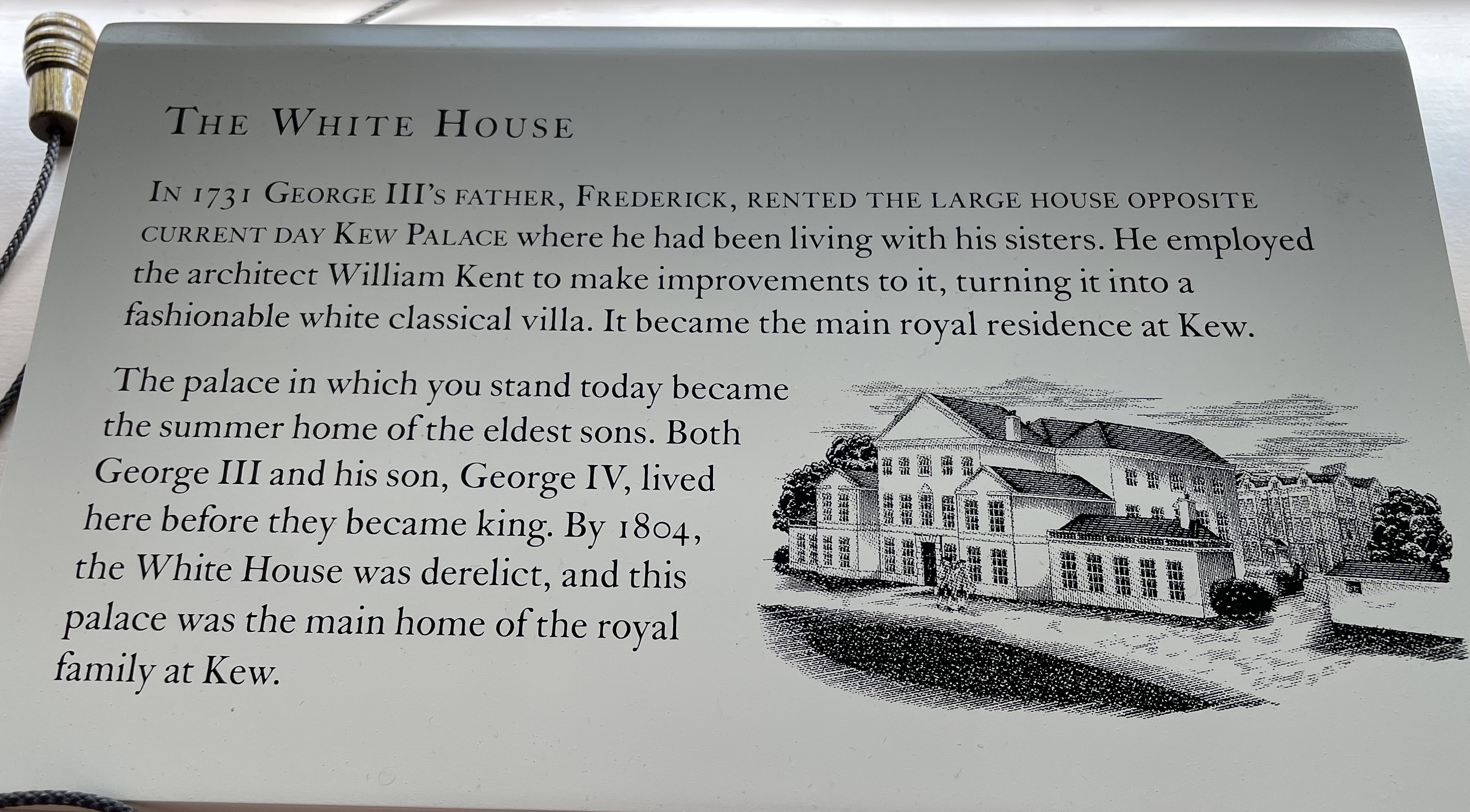
I was very surprised by the size of Kew Palace, the home of King George III and Queen Charlotte (now of Bridgerton storytelling fame). The palace is more like a Manor House in size and nature. Not at all palatial, and yet the park around the house that is now Kew Gardens, is palatial. That is because the main house at Kew that was originnaly used by the Royal family, known as The White House, was rented as a holiday home. A little like the royal family use Balmoral now, the Royal family would spend their summers at Kew escaping London life for the summer season. The White House fell out of use and became derelict, but the property ‘little kew’ continued to be used by the Royal family.

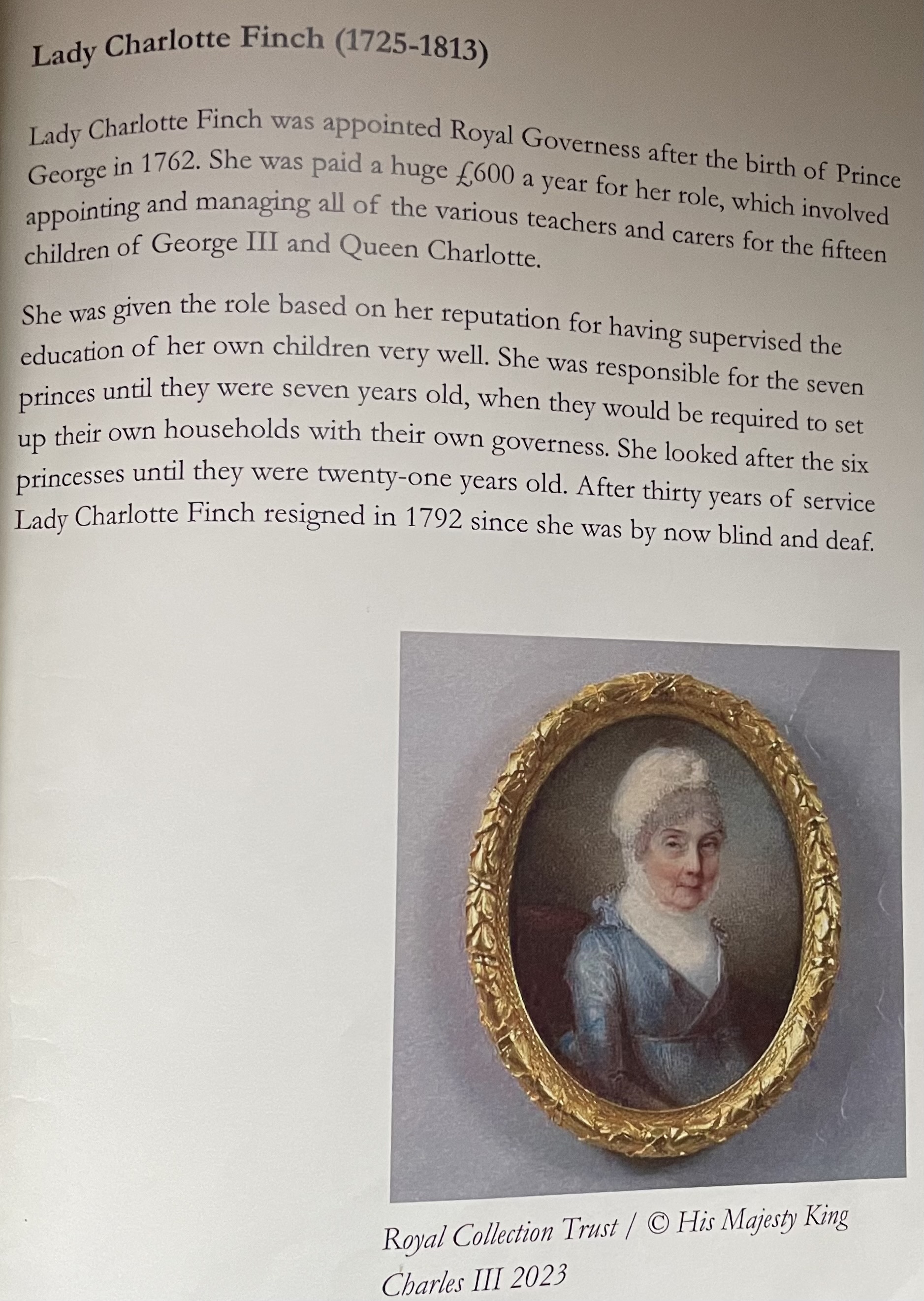
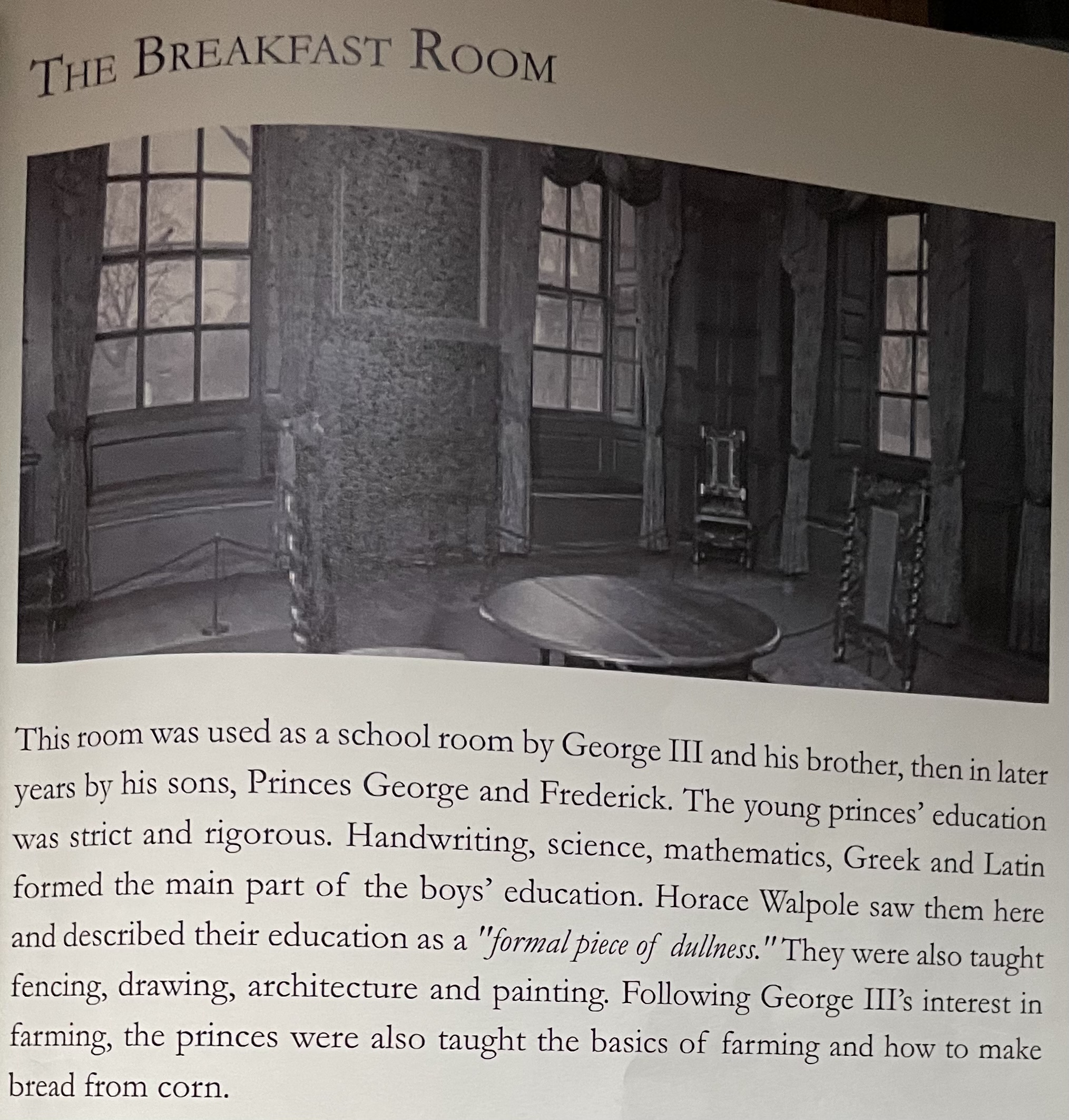
What became Kew Palace, once the land had been purchased by the Royal family, was a much smaller house that had stood in the grounds of The White House. Kew Palace was King George III’s childhood school house, and also where he sent his sons to learn after they were seven years. The following article about the governess King George III and Queen Charlotte employed mentions that from the age of seven a separate household was established for young princes.

As a child, King George III, with his brother, was taught by a tutor in the house for long days from 7 a.m. until 10 p.m. But as heirs to the throne they had to be knowledgable, capable and wise in numerous subjects.

Kew Palace gardens, as with all the older palaces, in or around London, run up to the bank of the Thames. It was the position along the river which probably made the Royal family decide to rent a property in Kew. It was a popular, a fashionable, area for the wealthy from the 1600s. Allowing them to escape the sickness harboured in the narrow London streets. And, of course, in the 1500s and 1600s rivers were like motorways. Rowing boats were the quickest form of travel over longer distances, because narrow and often muddy roads were slower to navigate for carriages and carts and even on horseback. Officials and family could easily travel up the river and then return to the City of London, to Westminster, or continue upriver to Hampton Court Palace or Windsor Castle. and yet be close enough should they need to return to parliament or to undertake business.

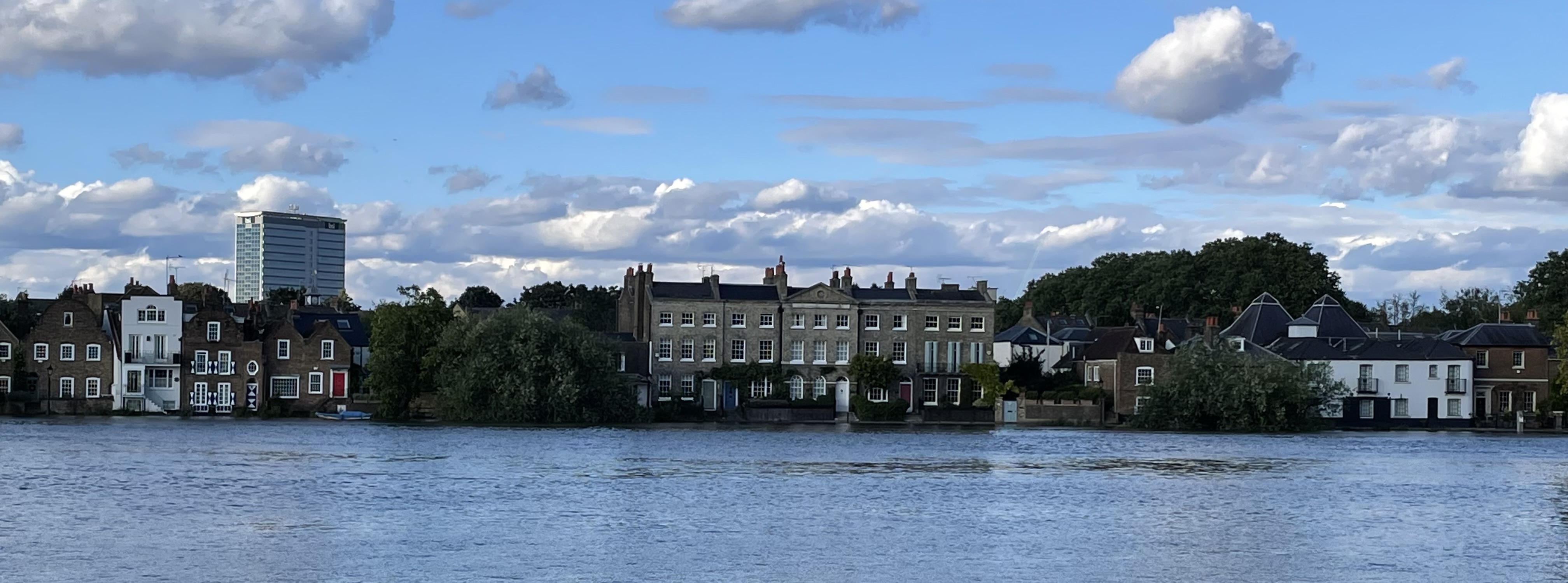
You can see in this image below, on the opposite bank, older houses still have their steps leading down to the river where they would have called over one of the many ferrymen who rowed boats on The Thames in river in the same taxis now operate on the roads.

There are some images of historic paintings on this site where you can see just how many boats were on the river on a daily basis even in the 1700s.

I was very lucky when I visited Kew Palace to have a one to one tour of the areas of the building people don’t usually see. The historians know very little about the history of the property, other than it was previously developed as a Silk Merchant’s home in 1631, a man who would have also valued access to the river. This was the house King George II and Queen Caroline rented, they turned it into a more modern property for the time and later purchased the land. It became a palace when it became the property of the crown. But In the attic and the basement you can see hints of the house that became a palace and clues that a house stood here before 1631.

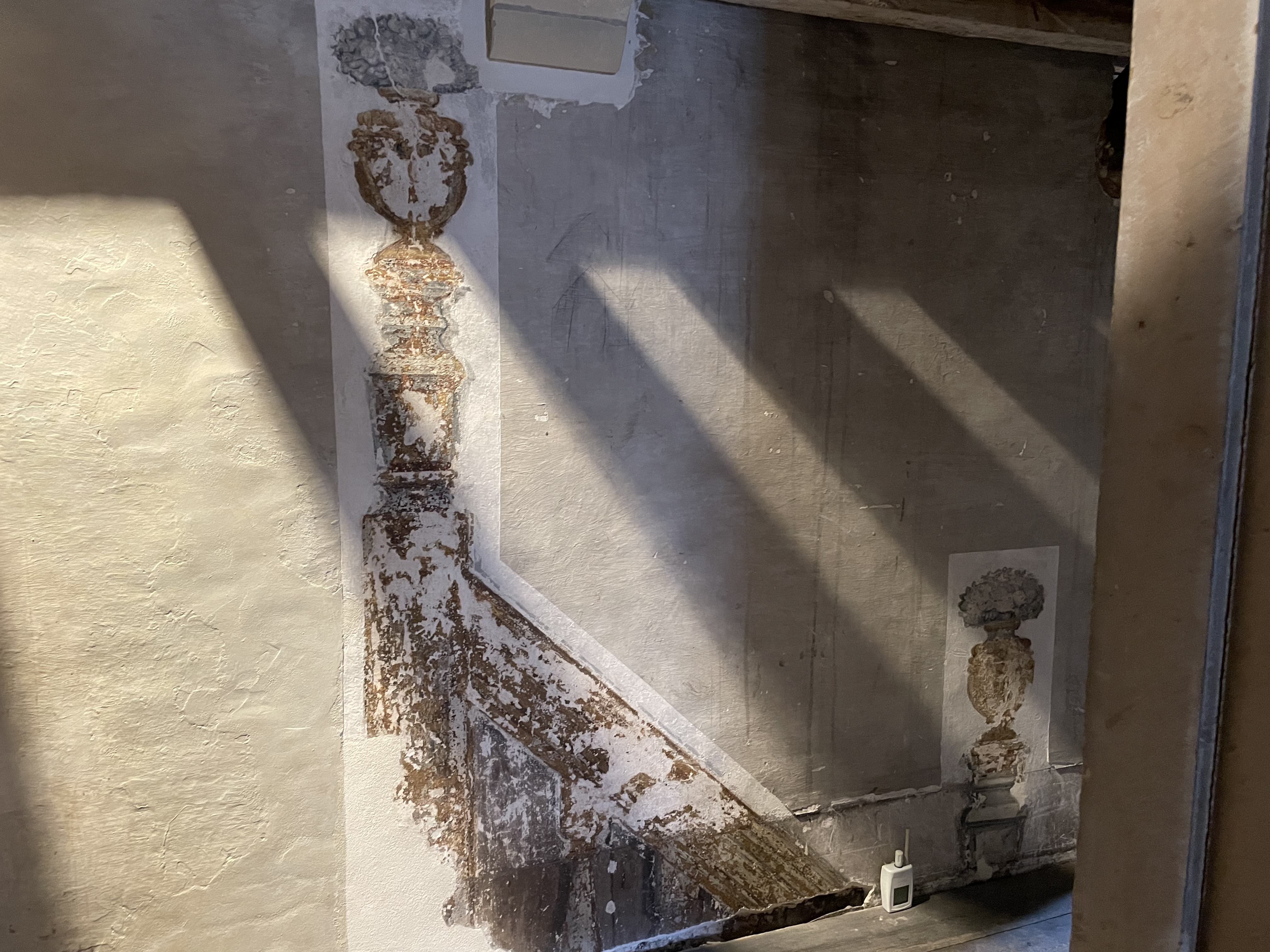
This paint work was found beneath other layers of paint in the attic, in the position where a Tudor staircase must have been removed during the 1700s renovations.

I have seen this approach in somewhere much closer to where I live and in a much more humble abode. The Merchant’s House in Marlborough Hight Street was built after the English Civil War, and when you walk around that house you will see that they painted everything at that time, one room has the walls and even the door painted in a striped pattern that matches the fabric on the chairs.

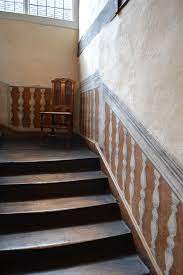
On the wall there, opposite the staircase, is also a painted stair rail. It is not as glamorous as the one painted in Kew Palace above, though, so perhaps that is a hint that the London silk merchant had more wealth to make a greater impression with.

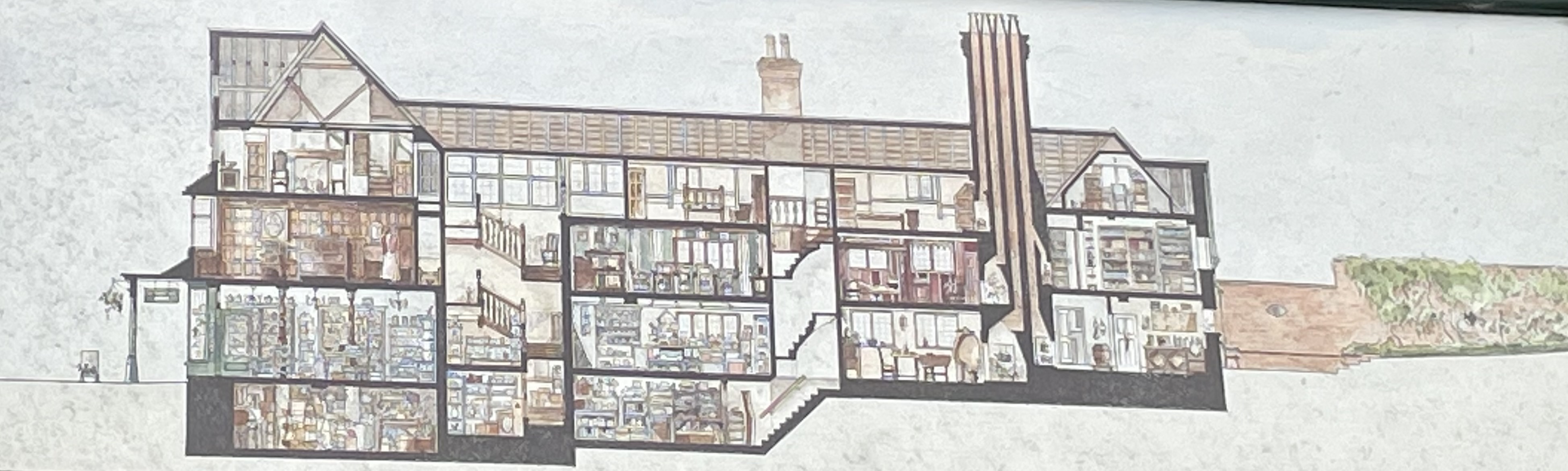
The image below is of the house in Marlborough, which was also owned by a silk merchant, who did travel to Venice for his silks so he was not poor. He may well have known the London merchant as there would have only been a few trading routes for silk. The staircase leads from the shop up to the drawing room and dinning room above, and then up to the bedrooms. I can only imagine then, if the house at Kew was grander how much grander would it have been, if not a palace, nor to the standard of a stately home then what was the middle ground.

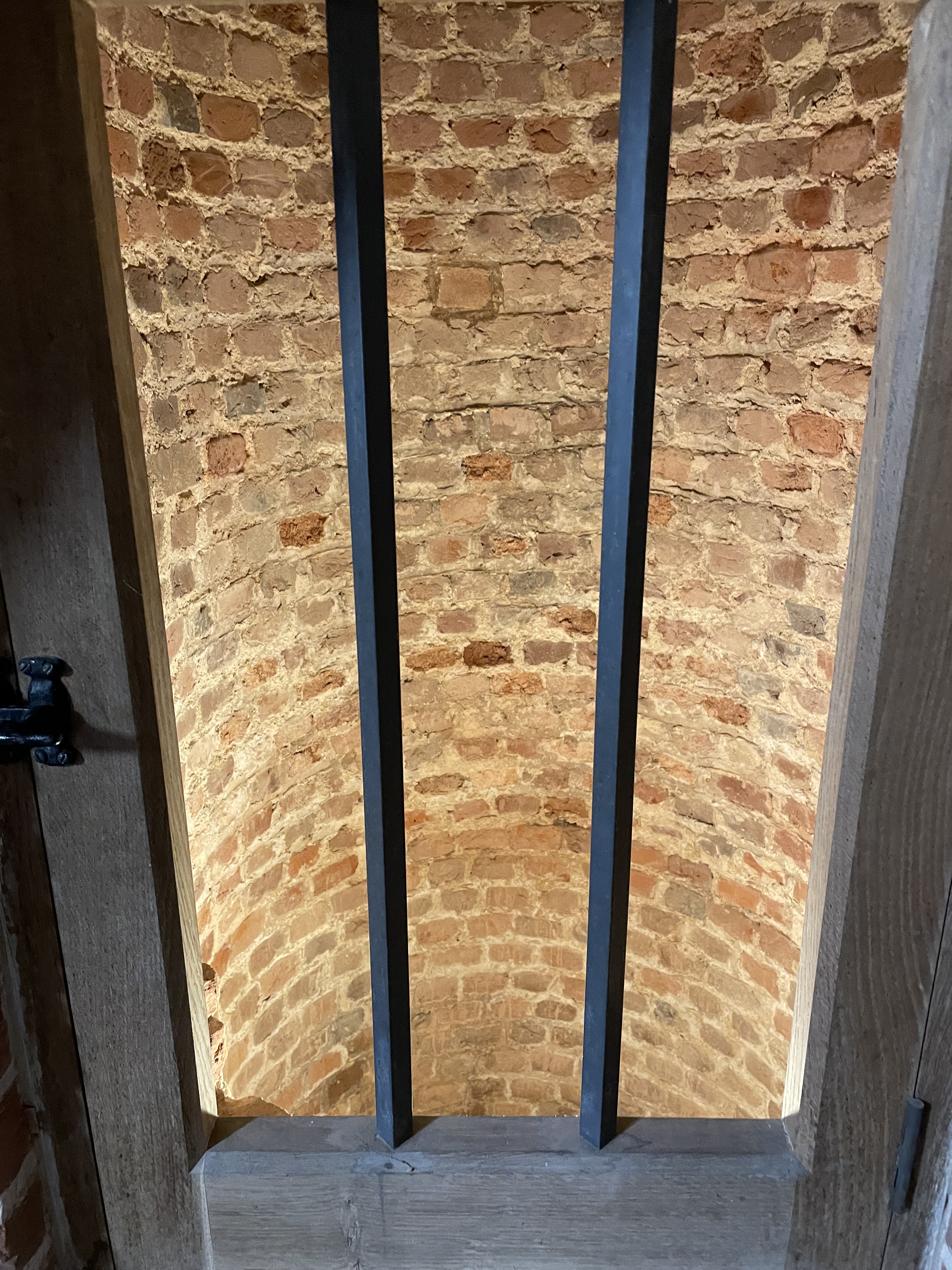
There was a further mystery in the cellar, which I was told was not used for storage during the period the Royal family lived there, and has very unusual architecture that was described as earlier than 1631. Even though historians know a Tudor property was updated in the Georgian period, they have not identified when a well was incorporated into the house and in use. There is no access to the well from the house above. Nor do they know why the arches are so unevenly built, and crossed. They only thing people do know is that an old iron door means there was something or someone owners of the house wanted to keep safe down here.

I have a couple more stories to share about Kew Palace, so more next week.