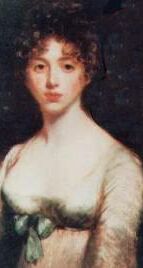
 Here is another insight into the true stories which inspire my books, and Caroline Lamb’s letters are such wonderful gems of reality that so many readers would not think true. But before I share today’s treasures here is the recap of the background behind this series of posts. If you have read this before, as always, just skip to the text highlighted in bold.
I was drawn to Lady Caroline Lamb, who lived in the Regency era, because Harriette Wilson the courtesan who wrote her memoirs in 1825, mentions the Ponsonby and the Lamb family frequently. Also the story of Caroline’s affair with Lord Byron captured my imagination. Caroline was also a writer, she wrote poems, and novels in her later life. I have read Glenarvon.
Her life story and her letters sucked me further into the reality of the Regency world which is rarely found in modern-day books. Jane Austen wrote fictional, ‘country’ life as she called it, and I want to write fictional ‘Regency’ life rather than simply romance. But what I love when I discover gems in my research like Caroline’s story is sharing the real story behind my fiction here too.
Lady Caroline Lamb was born Caroline Ponsonby, on the 13th November 1785. She was the daughter of Frederick Ponsonby, Viscount Duncannon, and Henrietta (known as Harriet), the sister of the infamous Georgiana, Duchess of Devonshire.
Caroline became an official lady when her grandfather died, and her father became Earl of Bessborough earning her the honorific title ‘Lady’ and she grew up in a world of luxury, even Marie Antoinette was a family friend. Caroline was always renowned as being lively, and now it is suspected she had a condition called bipolar. As a child she earned herself a title as a ‘brat’, by such things as telling her aunt Georgiana that Edward Gibbon’s (the author of The Decline and fall of the Roman Empire) face was ‘so ugly it had frightened her puppy’.
And when she grew up Byron once described Caroline as “the cleverest most agreeable, absurd, amiable, perplexing, dangerous fascinating little being that lives now or ought to have lived 2000 years ago.”
In my previous post we left Caroline in the spring of 1806. She and William had lived out the honeymoon period of their marriage, lost a child, and fought at times, so now when William’s brother, George, began courting Caroline St Jules, the illegitimate daughter of Bess and the Duke of Devonshire, who Caroline had grown up with, Caroline watched them with what in her letters appears some jealousy, ‘the difference between a husband and a lover…’
Yet their misfortunes did not prevent their happiness, or Caroline’s desire to please her husband. She began copying William’s favourite portrait, of himself, which hung in his parents’ home in London, Melboure House. She had it taken down from ‘an amazing height‘ on a regular basis in order to study it so she might recreate it, but then tragedy happened as it was being taken down the tip of the ladder punctured the canvas, Lord Melbourne was not happy with her, he recorded in his letters, ‘The Devil of a hole.’
But Caroline continued to try to please her husband, she wrote to her cousin, ‘as William does not like my hand I have got a writing master,’ and in the September she told G, ‘I try & keep as free from all irritation & disputing as I possibly can & though I feel enough how far I am from what I ought to be I think I may venture to say I am very much improved. Wm & I have had no quarrels of any consequence since I fancied myself with child & I believe a month before which you know is very near four months together & I do not even believe now I know how to quarrel with him he is so indulgent and kind.’
When William was invited to read an address at the opening session of parliament, Caro was supportive of him. She knew that he had wished to speak in the House of Commons, which he attended regularly, and yet he feared stumbling describing himself, ‘too vain to expose myself to the disgrace of speaking in a hesitating manner.’ So the opportunity of a speech he could rehearse was ideal, and he had shared his fears with Caro, so she would sit and listen to him practice, as if it was a play they rehearsed.
In the November she was pregnant again, and yet despite her claims to stay out of disputes she was recorded as reading out a letter at a dinner with her parents and her uncle the Duke of Devonshire, his consort, Lady Elizabeth, and among her cousins, it detailed a story about Madame Mainenon, setting herself up as the confident of Louis XIV, it was a very deliberate jab at Bess, and I presume her cousins were in on it, as Harryo wrote to Caro the next day saying, ‘I fancied Lady E was embarrassed.’ However Lady E had now stolen Harryo’s rightful role as hostess in the Duke’s home, and she was not to be persuaded out of it.
Nor did Caro’s pregnancy prevent her from enjoying life, in fact her new happiness encouraged her to throw herself into life with greater gusto; while William and she enjoyed a period alone at his family home in Brocket Hall she attended a Ball with her married sister-in-law Emily, Lady Cowper, ‘Emily and I went to the Hartford Ball last Night both dressed and looking very pretty she the prettiest both dancing in great spirits all the evening – I the longest. We came home at near four quite tired neither of us having danced I believe above once since we were married.’
William addressed Parliament on the 19th December 1806, and it was an event which Caro would frequently look back upon throughout her life and use as an example of how much she loved her husband. Because she was so anxious on his behalf, Caroline told his mother and father she was going to Holland House, to visit her literary friend Lady Holland. But instead, she dressed in her little brother’s, breeches, shirt and coat and entered the gallery in the company of a family friend, disguised as a man (because woman were not allowed to attend), to be able to hear William speak, and from there she applauded him, and then ran out and across Whitehall to return in time to change and greet him as herself.
Yet Lady Melbourne discovered her intrigue, which not even William had known she’d intended, yet she did not chastise Caro because William did not, and Caro welcomed her conquering hero home, bursting with pride.
~
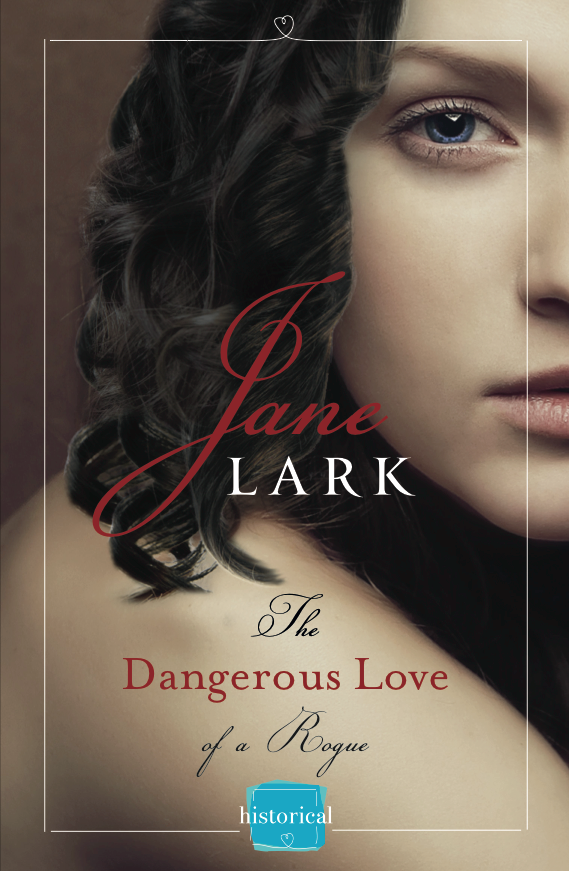 If you would like to read my historical romance story that was inspired by Caroline’s life… it is available for pre-order The Dangerous Love of a Rogue, will be out in ebook in January and can be pre-ordered for Paperback release in March and don’t forget you can see images of my inspirations on my Jane Lark Facebook page, just scroll down and click ‘Like‘ in the link on the sidebar to follow.
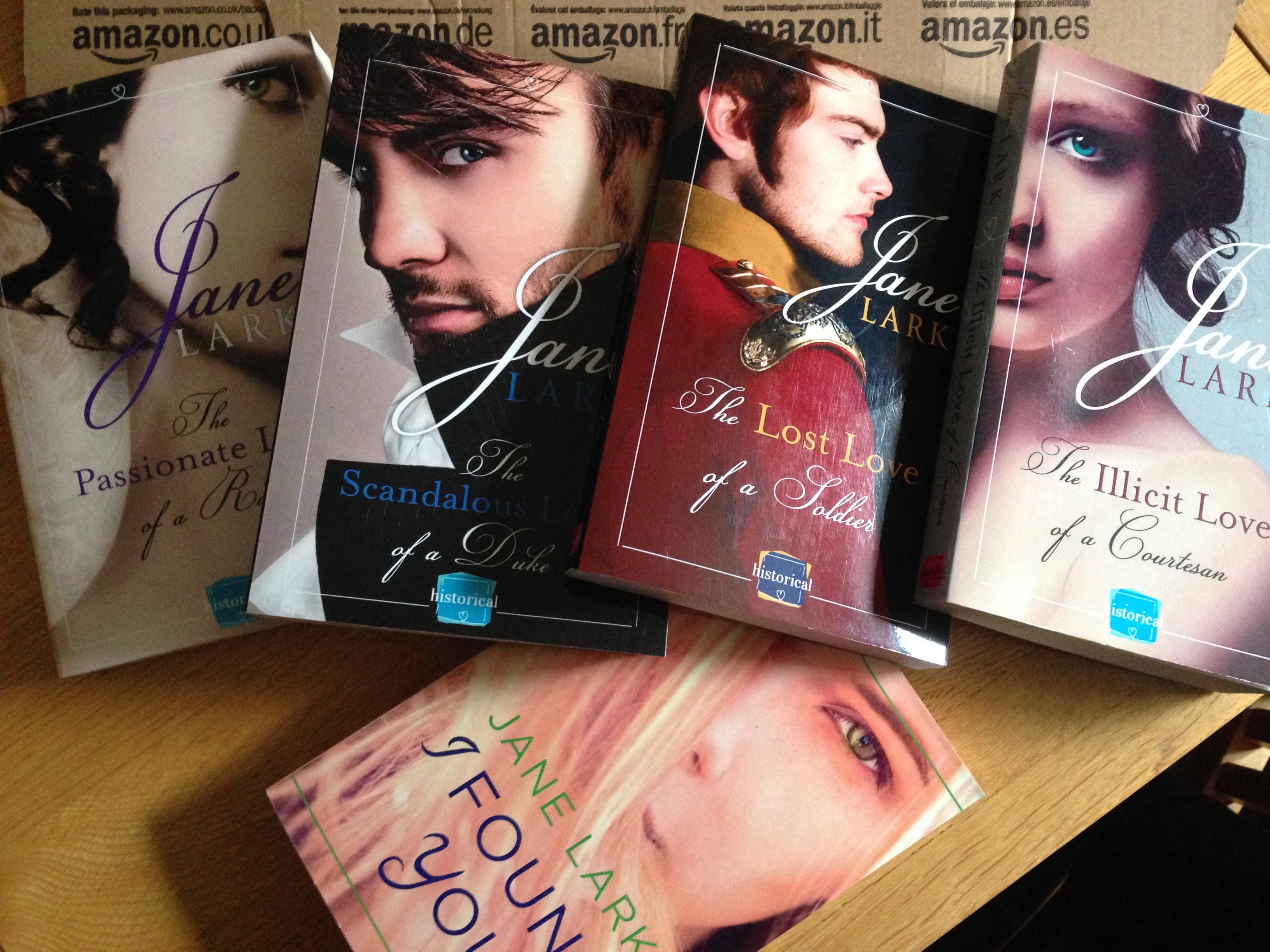
But if you can’t wait for Regency stories, then grab one of my books many of them are currently on offer in the UK from 69p and in the USA from $1.99 and there are couple of little extras for free…
Go to the index
For
- the story of the real courtesan who inspired The Illicit Love of a Courtesan,
Jane Lark is a writer of authentic, passionate and emotional Historical and New Adult Romance stories, and the author of a No.1 bestselling Historical Romance novel in America, ‘The Illicit Love of a Courtesan’.
Click here to find out more about Jane’s books, and see Jane’s website www.janelark.co.uk to learn more about Jane. Or click ‘like’ on Jane’s Facebook page to see photo’s and learn historical facts from the Georgian, Regency and Victorian eras, which Jane publishes there. You can also follow Jane on twitter at @janelark
Jane’s books can be ordered from amazon by clicking on the covers in the sidebar, and are available from most booksellers.
 Author, Jane Lark's stories