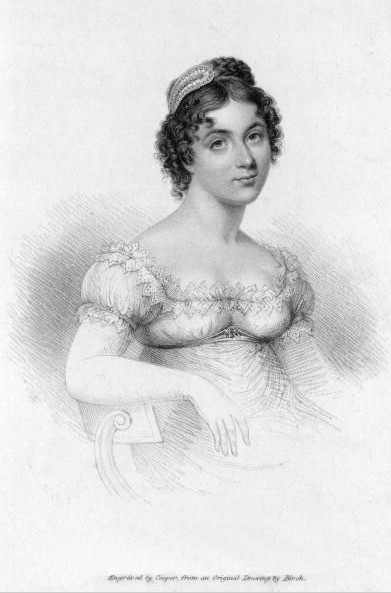
The Regency courtesan, Harriette Wilson’s arrival at the Marquis of Worcester’s love nest

Harriette_Wilson00The way Harriette Wilson speaks of her agreement with Lord Worcester is poles apart from how she told her love story when she wrote about Lord Ponsonby. But his affection for her bleeds from her words, while her own affection seems to be only a shallow liking and perhaps gratitude (or gloating) for his adoring behaviour.

But before I progress, as usual, for anyone joining this series of posts today let me do a quick recap on the history, and if you’ve read it before, please skip to the end of the italics.

In 1825 Harriette Wilson, a courtesan, published a series of stories as her memoirs in a British broad sheet paper. The Regency gentleman’s clubs were a buzz, waiting to see the next names mentioned each week. While barriers had to be set up outside the shop of her publisher, Stockdale, to hold back the disapproving mob.

Harriette was born Harriette Debochet, she chose the name Harriette Wilson as her professional name, in the same way Emma Hart, who I’ve blogged about previously, had changed her name. Unlike Emma, it isn’t known why or when Harriette changed her name.

She was one of nine surviving children. Her father was a watchmaker and her mother a stocking repairer, and both were believed to be from illegitimate origin.

Three of Harriette’s sisters also became courtesans. Amy, Fanny and Sophia (who I have written about before). So the tales I am about to begin in my blogs will include some elements from their lives too.

For a start you’ll need to understand the world of the 19th Century Courtesan. It was all about show and not just about sex. The idle rich of the upper class aspired to spending time in the company of courtesans, it was fashionable, the thing to do.

You were envied if you were linked to one of the most popular courtesans or you discovered a new unknown beauty to be admired by others.

Courtesans were also part of the competitive nature of the regency period too, gambling was a large element of the life of the idle rich and courtesans were won and lost and bartered and fought for.

So courtesans obviously aspired to be one of the most popular, and to achieve it they learnt how to play music, read widely, so they could debate, and tried to shine in personality too. They wanted to be a favoured ’original’.

The eccentric and outspoken was admired by gentlemen who liked to consort with boxers and jockeys, and coachmen, so courtesans did not aim for placid but were quite happy to insult and mock men who courted them, and demand money for any small favour.

Harriette had a two-day journey from London to her new love nest in Brighton. But in his dedicated style of romantic hero, unlike her other lovers, Lord Worcester did not await her arrival; instead he rode out to meet her carriage. Unlike the view Jane Austen gave the Bennets in Pride and Prejudice, when Harriette sees a young man in uniform riding up the road, she is not impressed ‘A gentleman always looks so much better in plain clothes.’ But she had forgotten that Worcester’s purpose for being in Brighton was to join the regiment.

She describes the young Marquis as blushing and bowing by the side of her carriage as he welcomes her, and explains that he has a servant readying the new house he has rented for her in Rock Gardens.

Again here she stirs up my suspicions over her interest in the young wealthy future duke. I still believe she’s busy picturing her happy ever after.

She says, when they arrive, the servant has readied the house with such a desire for her comfort, that she could have been the Duchess’s chosen daughter-in-law, and then only two paragraphs below, when she complains about the servants, she describes herself as having, ‘very unmarchionesslike humility’ then adds, ‘but then I never set up for anything at all like a woman of rank.’ – again, I think she doth protest too much.

She describes their first night together in a lot of detail, and once more Worcester is passive and charming. She says when his servant leaves them alone downstairs, Lord Worcester holds her hand to his lips and then his heart, and cries over the fact he has finally won her, then offers not to invade her bed that night, but to let her sleep alone to recover from her journey; offering to sleep on the servants’ bed in his dressing room.

Harriette accepts the chance of escape, again showing her lack of any deep feeling when she says, ‘At present everything is a little strange here, therefore, if I am a little melancholy, you must not, my dear Worcester fancy it proceeds from want of regard for you.’  (Protesting too much again).

However after sharing a very pleasant dinner with him, when he walks her so charmingly up to her room, she declares herself regretting her decision not to take him to bed, and in the style of jolly, scheming, teasing and confident Harriette, she says, ‘Do you think there are any ghosts in this part of the world?’ Hoping the young Marquis will offer to keep her company and safe, by sharing her bed. But the innocent young man does not pick up her hint, and merely declares himself only a bell pull away 😀

Next week I’ll share just how Harriette settles into life as the mistress of a young member of the regiment…

Jane Lark is a writer of authentic, passionate and emotional love stories.

See the side bar for details of Jane’s books, and Jane’s website www.janelark.co.uk to learn more about Jane. Or click  ‘like’ on Jane’s Facebook  page to see photo’s and learn historical facts from the Georgian, Regency and Victorian eras, which Jane publishes there. You can also follow Jane on twitter at @janelark


Harriette begins an intrigue with a new protector – perhaps with a happy ending on her mind

Harriette_Wilson00So let me continue my posts on Harriette Wilson’s story where I left off, just skipping a little ahead to when the Duke of Leinster leaves.

But as usual for those joining this series of posts today here’s the background, if you’ve read it before skip to the end of the italics.

In 1825 Harriette Wilson, a courtesan, published a series of stories as her memoirs in a British broad sheet paper. The Regency gentleman’s clubs were a buzz, waiting to see the next names mentioned each week. While barriers had to be set up outside the shop of her publisher, Stockdale, to hold back the disapproving mob.

Harriette was born Harriette Debochet, she chose the name Harriette Wilson as her professional name, in the same way Emma Hart, who I’ve blogged about previously, had changed her name. Unlike Emma, it isn’t known why or when Harriette changed her name.

She was one of nine surviving children. Her father was a watchmaker and her mother a stocking repairer, and both were believed to be from illegitimate origin.

Three of Harriette’s sisters also became courtesans. Amy, Fanny and Sophia (who I have written about before). So the tales I am about to begin in my blogs will include some elements from their lives too.

For a start you’ll need to understand the world of the 19th Century Courtesan. It was all about show and not just about sex. The idle rich of the upper class aspired to spending time in the company of courtesans, it was fashionable, the thing to do.

You were envied if you were linked to one of the most popular courtesans or you discovered a new unknown beauty to be admired by others.

Courtesans were also part of the competitive nature of the regency period too, gambling was a large element of the life of the idle rich and courtesans were won and lost and bartered and fought for.

So courtesans obviously aspired to be one of the most popular, and to achieve it they learnt how to play music, read widely, so they could debate, and tried to shine in personality too. They wanted to be a favoured ’original’.

The eccentric and outspoken was admired by gentlemen who liked to consort with boxers and jockeys, and coachmen, so courtesans did not aim for placid but were quite happy to insult and mock men who courted them, and demand money for any small favour.

Harriette declares herself melancholy when Lord Leinster leaves London, and she has sworn her other young beau, Lord Worcester, not to call on her for three days, as she knows he will be gleeful, and she will be in no mood for his joy.

The Duke of Leinster has promised to write to her if his trip to Spain is delayed by the weather at Portsmouth, and when he does write advising his delay maybe as long as a week, Harriette decides to play more games, and leaves Lord Worcester behind in London, with hurried notes apologizing for deserting him, and hurtles off to Portsmouth for a last and final farewell to Lord Leinster. When she arrives, she says ‘His Grace was very glad to see me, in his dry way; but it was impossible to avoid making comparisons between my two young lovers as were most favourable to Worcester.’

But then we hear another insight into Harriette’s calculating mind. She takes this moment to highlight that ‘her sister’ (this was not Harriette’s thinking – not Harriette’s at all – ha, ha) highlighted the fact the Duke had not thought to enquire after Harriette’s finances before he intended leaving. Then Lord Leinster added insult to injury and instead of spending his mornings entertaining Harriette by walking out with her, he instead went sailing. That was the final straw when there was the perhaps less wealthy (as he had not yet come into his title), but certainly more ardent and willing to flatter, Lord Worcester back in London. Harriette was not going to sit in Portsmouth twiddling her thumbs to hang about a Duke who did not even pay her (perhaps she had only gone in the hope he would pay up after he’d left London without giving her a final settlement).

So ‘coolly’ wishing Lord Leinster ‘un bon voyage’ to his utter astonishment, she hastens back to town.

And on her return to London ‘I found a great many cards and letters on my table in town; and what was better still, another blank cover, directed to me, containing two banknotes for one hundred pounds each!’

Harriette says very little else about why she specifically agrees to accept Lord Worcester’s protection, and become his mistress, all she says about meeting him again in London is, ‘I will not attempt to describe his rapture, or how violently he was agitated at meeting with me. My readers, besides accusing me of vanity, would not believe such exaggerated feeling as he evinced to be in human nature… Therefore without love, I agreed to place myself under his protection.

As I said last week and the week before, I have a suspicion that Harriette held some hope in Lord Worcester as her potential happy ending, as a pathway to respectability and constant fortune. And here, Harriette makes me believe it again, when in the paragraph after saying she has accepted Lord Worcester without love she goes on to say, ‘Many women… intrigue (have affairs in modern language) because they see no prospect nor hopes for getting husbands; but I, who might as everybody told me, and were incessantly reminding me, have, at this period, smuggled myself into the Beaufort family, by merely declaring to Lord Worcester, with my finger pointed towards the North––that way leads to Harriette Wilson’s bedchamber; yet so perverse was my conscience, so hardened by what Fred Bentinck calls, my perseverance in loose morality, that I scorned the idea of talking such advantage of the passion I had inspired…

Me thinks she doth protest too much 😀

Harriette’s tale continues next week – but just for a little humorous aside, it makes me laugh how things circle about – The Beauforts, of course, are descended from Katherine Swynford who had an affair/intrigue with the Prince, John of Guant, in the 14th Century which lasted years and produced four children who he later had legitimized. Oddly this was the love story which inspired me to write historical novels when I was very young, as John of Gaunt married Katherine when his second wife died… The happy ending perhaps Harriette was seeking.

Jane is currently running a competition offering a night in The Regency Hotel, London, amazon vouchers, and free copies of Illicit Love, which continues until 19th July 2013. To support the release of her new novella, Captured Love, telling the story of subsidiary characters from Illicit Love. Click on the cover on the side bar to purchase through Amazon, or go to the Old Victorian Quill to find out more.

Jane Lark is a writer of authentic, passionate and emotional love stories.

See the side bar for details of Jane’s books, and Jane’s website www.janelark.co.uk to learn more about Jane. Or click  ‘like’ on Jane’s Facebook  page to see photo’s and learn historical facts from the Georgian, Regency and Victorian eras, which Jane publishes there. You can also follow Jane on twitter at @janelark