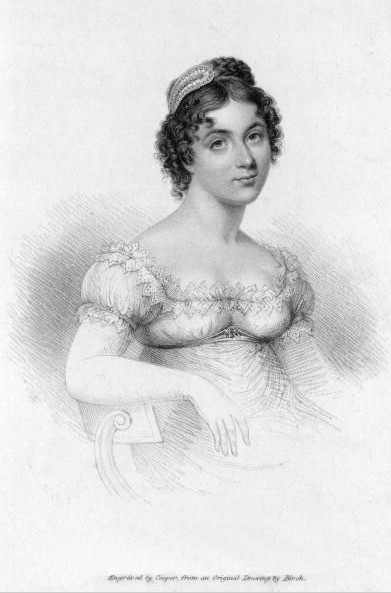
 Last week, Harriette Wilson, the 19th Century Courtesan, who’s story I have been telling for the last few weeks, met the man she’d fallen in love with face to face for the first time. They’d spent an evening together, innocently. But Harriette is a courtesan, so their relationship is hardly likely to remain innocent. As Harriette said herself. She held virtue at a distance.
So here, as usual, for those who may not have read my blog before, is the background to this series of stories from Harriette Wilson’s memoirs. If you have already read this then please skip to the end of the italics.
In 1825 Harriette Wilson, a courtesan, published a series of stories as her memoirs in a British broad sheet paper. The Regency gentleman’s clubs were a buzz, waiting to see the next names mentioned each week. While barriers had to be set up outside the shop of her publisher, Stockdale, to hold back the disapproving mob.
Harriette was born Harriette Debochet, she chose the name Harriette Wilson as her professional name, in the same way Emma Hart, who I’ve blogged about previously, had changed her name. Unlike Emma, it isn’t known why or when Harriette changed her name.
She was one of nine surviving children. Her father was a watchmaker and her mother a stocking repairer, and both were believed to be from illegitimate origin.
Three of Harriette’s sisters also became courtesans. Amy, Fanny and Sophia (who I have written about before). So the tales I am about to begin in my blogs will include some elements from their lives too.
For a start you’ll need to understand the world of the 19th Century Courtesan. It was all about show and not just about sex. The idle rich of the upper class aspired to spending time in the company of courtesans, it was fashionable, the thing to do.
You were envied if you were linked to one of the most popular courtesans or you discovered a new unknown beauty to be admired by others.
Courtesans were also part of the competitive nature of the regency period too, gambling was a large element of the life of the idle rich and courtesans were won and lost and bartered and fought for.
So courtesans obviously aspired to be one of the most popular, and to achieve it they learnt how to play music, read widely, so they could debate, and tried to shine in personality too. They wanted to be a favoured ’original’.
The eccentric and outspoken was admired by gentlemen who liked to consort with boxers and jockeys, and coachmen, so courtesans did not aim for placid but were quite happy to insult and mock men who courted them, and demand money for any small favour.
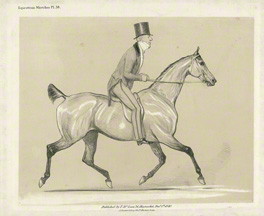
John Ponsonby, 4th Earl of Bessborough
When Lord Ponsonby called on Harriette for a second evening, he arrived in evening dress, and he was slightly tipsy, but the sort of tipsy that made him more relaxed and talkative and less shy, rather than drunk.
Yet, his exuberance, light-hearted and witty conversation, and ready smiles, only made Harriette annoyed, she did not wish his company for conversation. I said last week, that Harriette’s retelling of her intrigue (affair) with Lord Ponsonby, was very different to all her other descriptions of relationships. It’s the same here, instead of speaking of prevarication, Harriette, speaks of ending any prevarication.
She says to Lord Ponsonby ‘You are so proud of being dressed tonight…’ I love Harriette, she makes me laugh so much, what a hint.
Lord Ponsonby’s response, is to say that in fact what has put him in such a high-spirited mood, is that he is proud to have won a place in Harriette’s heart. Well if you’ve read my earlier blogs, you will know that such a statement is just what Harriette loved to hear.
Lord Ponsonby blushes. Harrriete moves to kiss him, but he turns aside. ‘I have a thousand things to tell you.’
‘I cannot listen to one of them,’ said Harriette.
Then they kissed, and I will tell you in Harriette’s words, ‘our lips met in one long, long delicious kiss! so sweet, so ardent! That it seemed to draw the life’s warm current from my youthful heart, to reanimate his with all its wildest passion.
And then! – yes, and then, as Sterne says-
And then – and then – and then – and then – and then we parted.’
Harriette recalls that he visited her every night for more than a week after this. He would arrive just after dark and stayed until five or six in the morning. But unlike her other relationships, this was kept secret.
They would arrange to meet in the day too, in the park, but only to see one another from a distance and not to speak.
It was in the park, Harriette says, that she saw his beautiful young wife for the first time, and this does not stir her conscience but eases it, because Fanny Ponsonby is smiling, and therefore Harriette tells herself the young woman is happy, so unhurt by her husband’s inconstancy.
She even speaks of his wife to Ponsonby, agreeing that should their affair be discovered, he must end it to save his wife’s happiness, he says he would die rather than distress her. Yet they continue their affair.
Then Harriette speaks of another evening, an evening when Lord Ponsonby is due to come to her at midnight. She retires to bed, and tells her maid to send him to her room when he arrives. But then she wakes in the day light, confused, and upset that he hasn’t come. Until… She sees a new gold chain on the watch he’d given her days before, and a new pearl ring on her finger.
Her maid tells her he came, and spent an hour in her room, but he hadn’t made her wake up. Then he’d left a note to say the he had not liked to wake her, when she did not wake naturally, and left.
Harriette’s heart was stirred even more deeply that he had chosen not to think of his own desires, but hers.
The story continues next week…. 🙂
Jane Lark is a writer of authentic, passionate and emotional love stories.
See the side bar for details of Jane’s books, and Jane’s website www.janelark.co.uk to learn more about Jane. Or click ‘like’ on Jane’s Facebook page to see photo’s and learn historical facts from the Georgian, Regency and Victorian eras, which Jane publishes there. You can also follow Jane on twitter at @janelark
 Author, Jane Lark's stories