Part four ~ Inspirations behind The Great Western Railway (GWR) Girls ~ People, Places and Pictures 

As I said in my previous post, three of the things that lead me to ideas for books are people, places and pictures. Previously, I have told you about some of the people and two of the places, so let me carry on from where I left off and tell you about another place behind the GWR Girls series.  

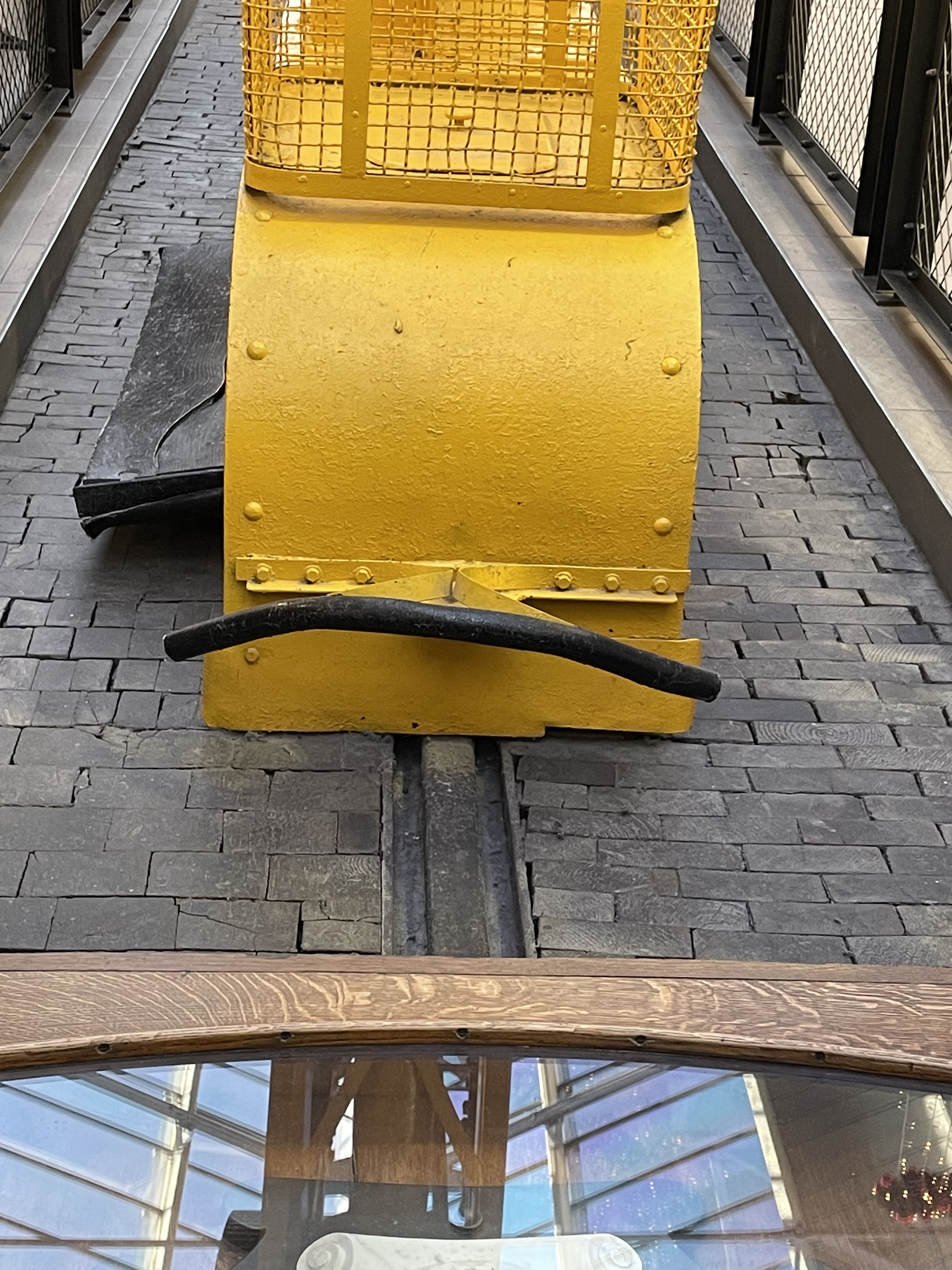
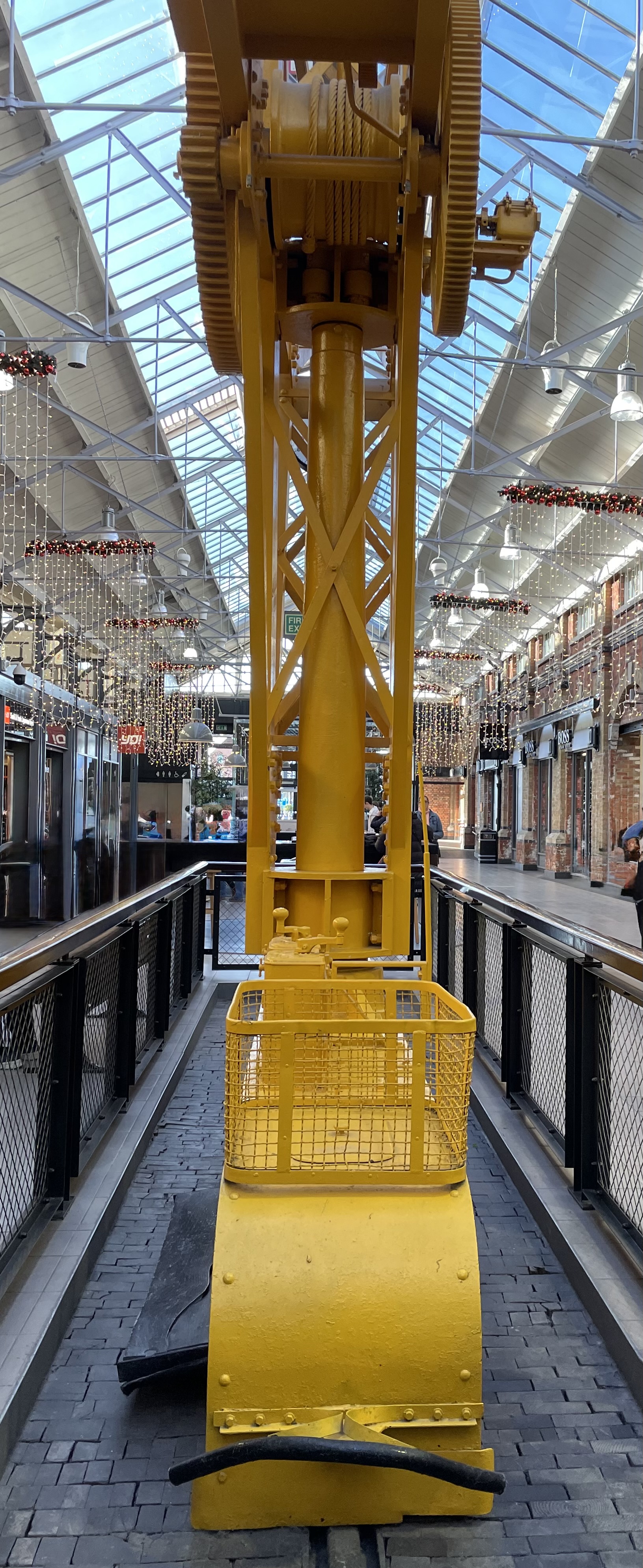
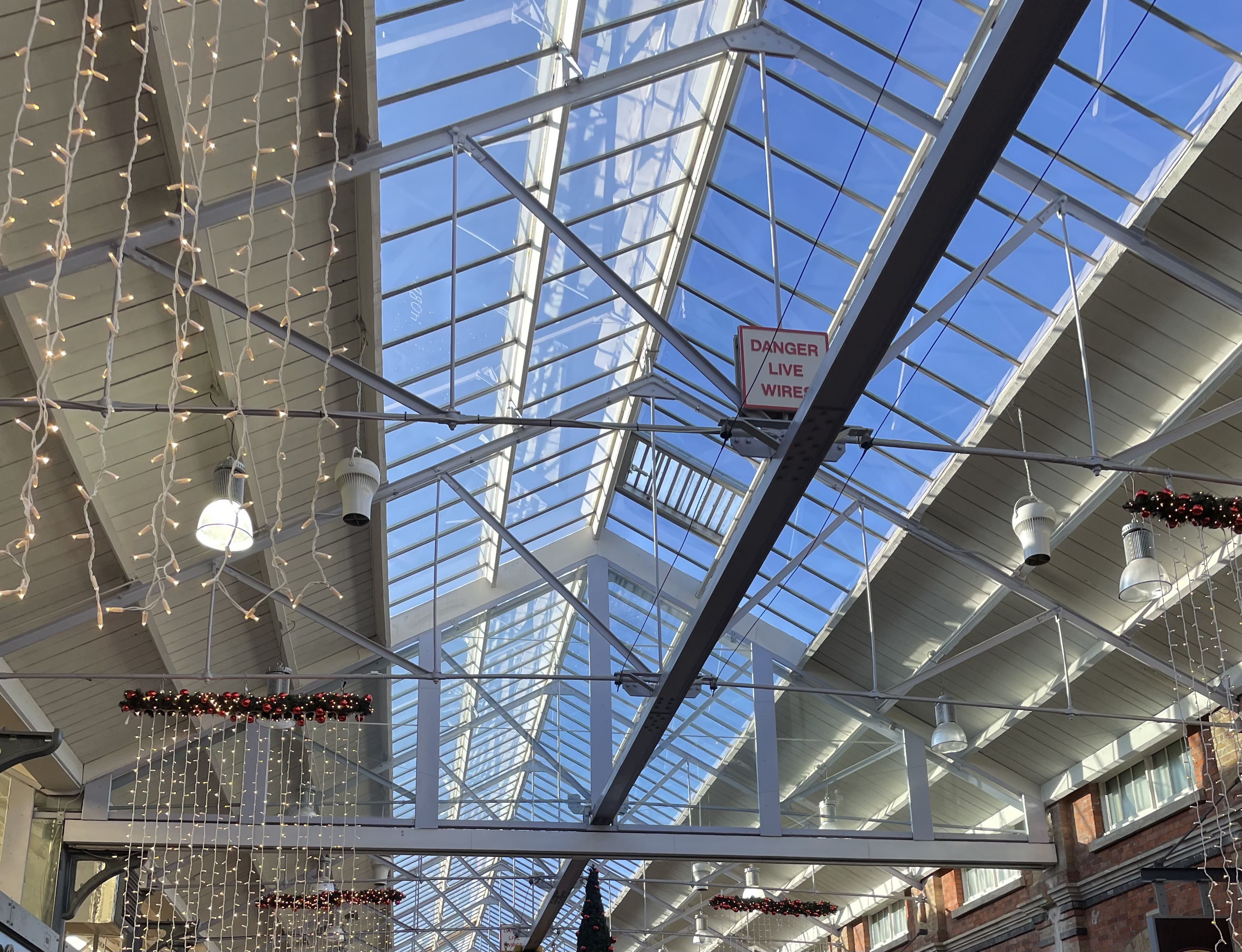
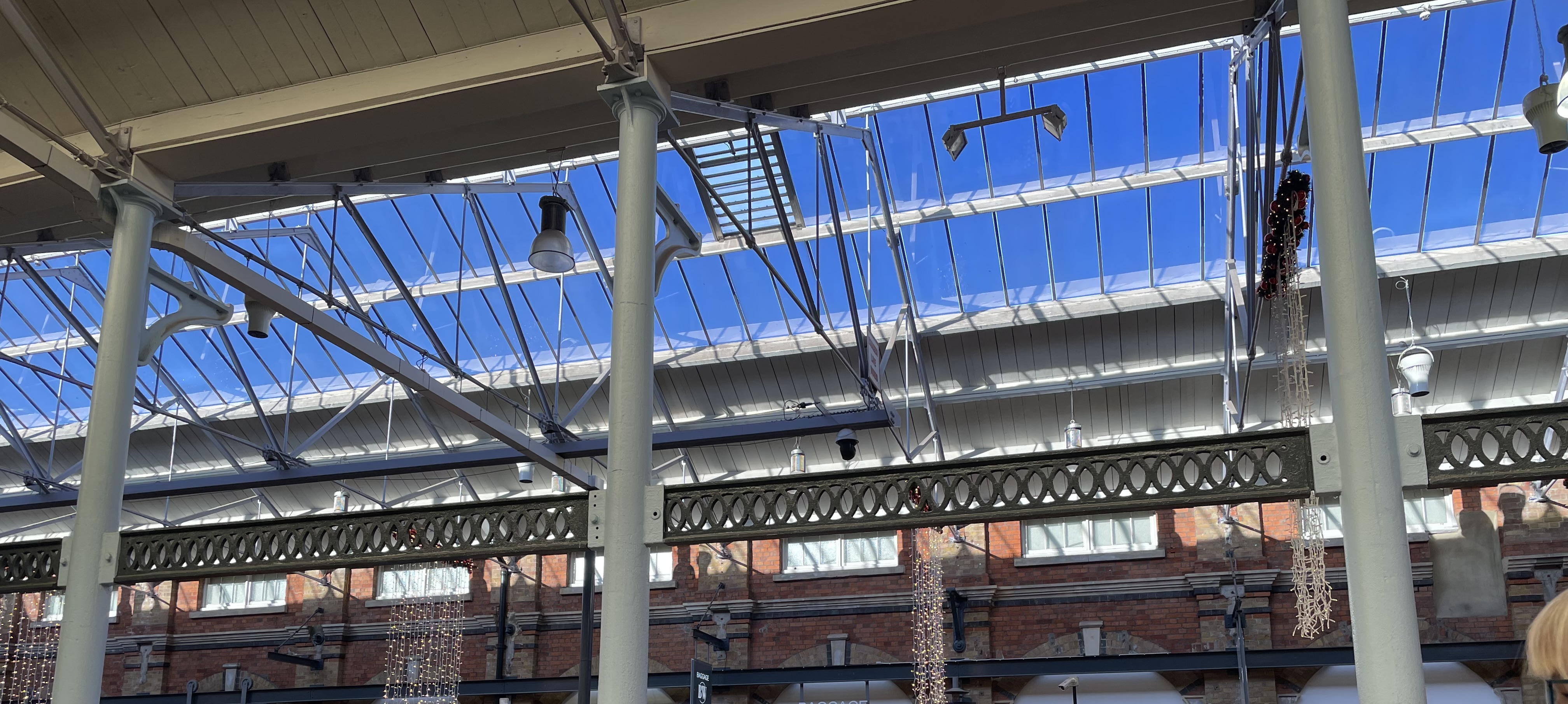
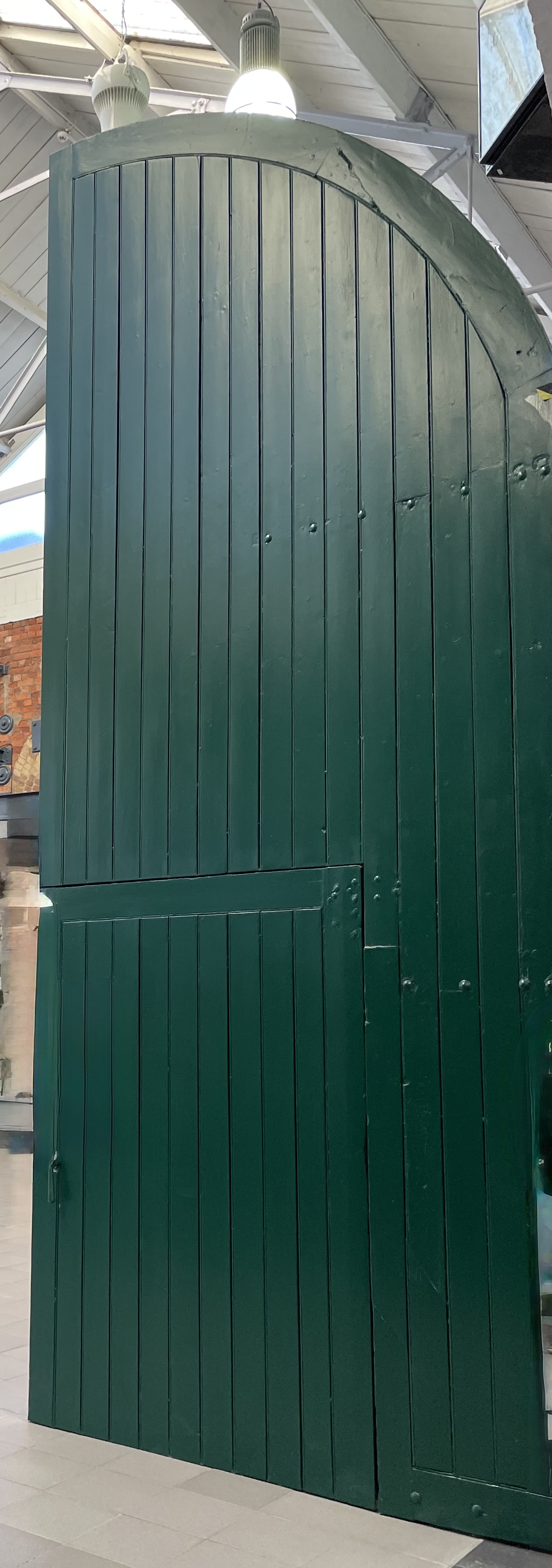
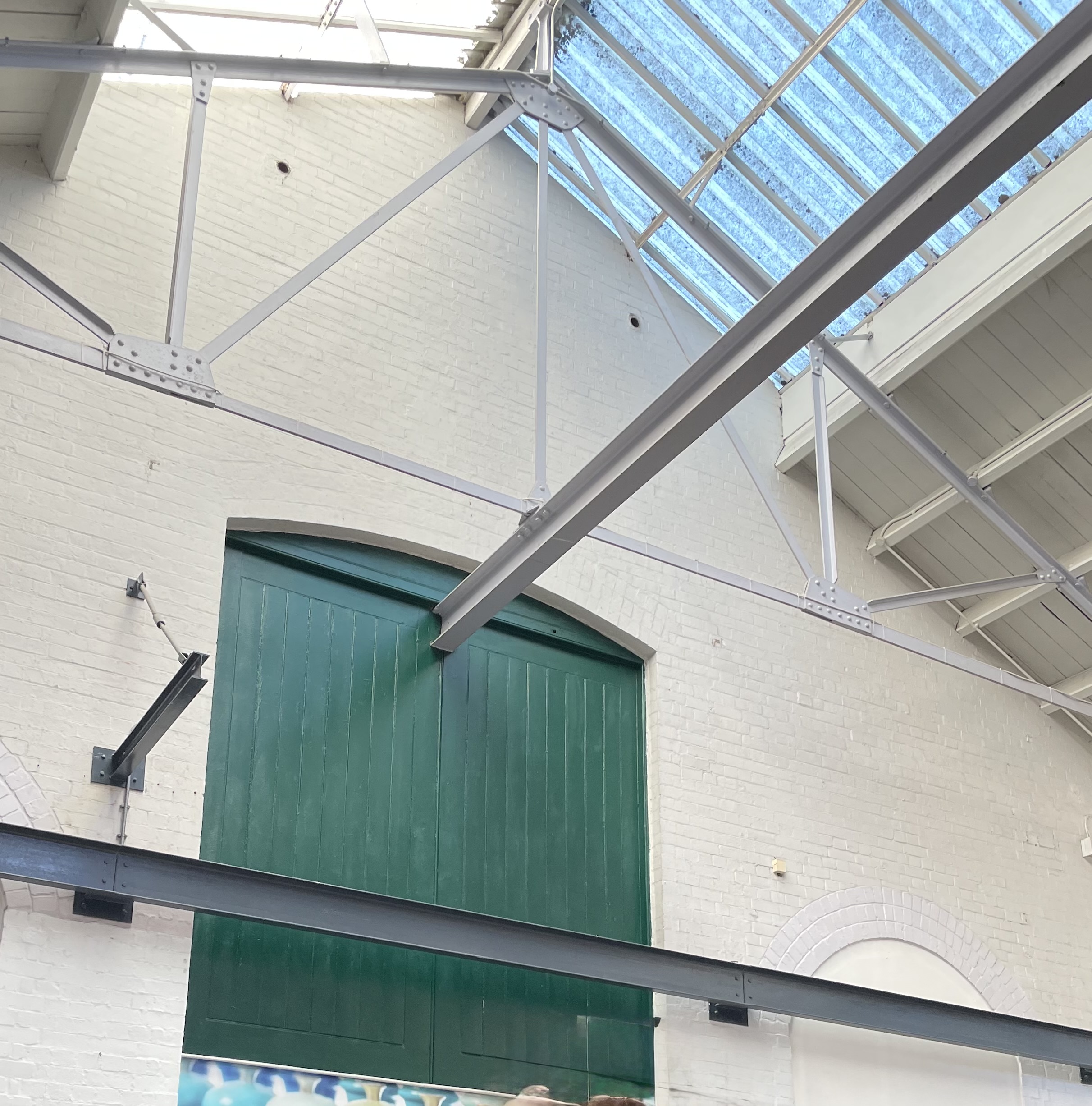
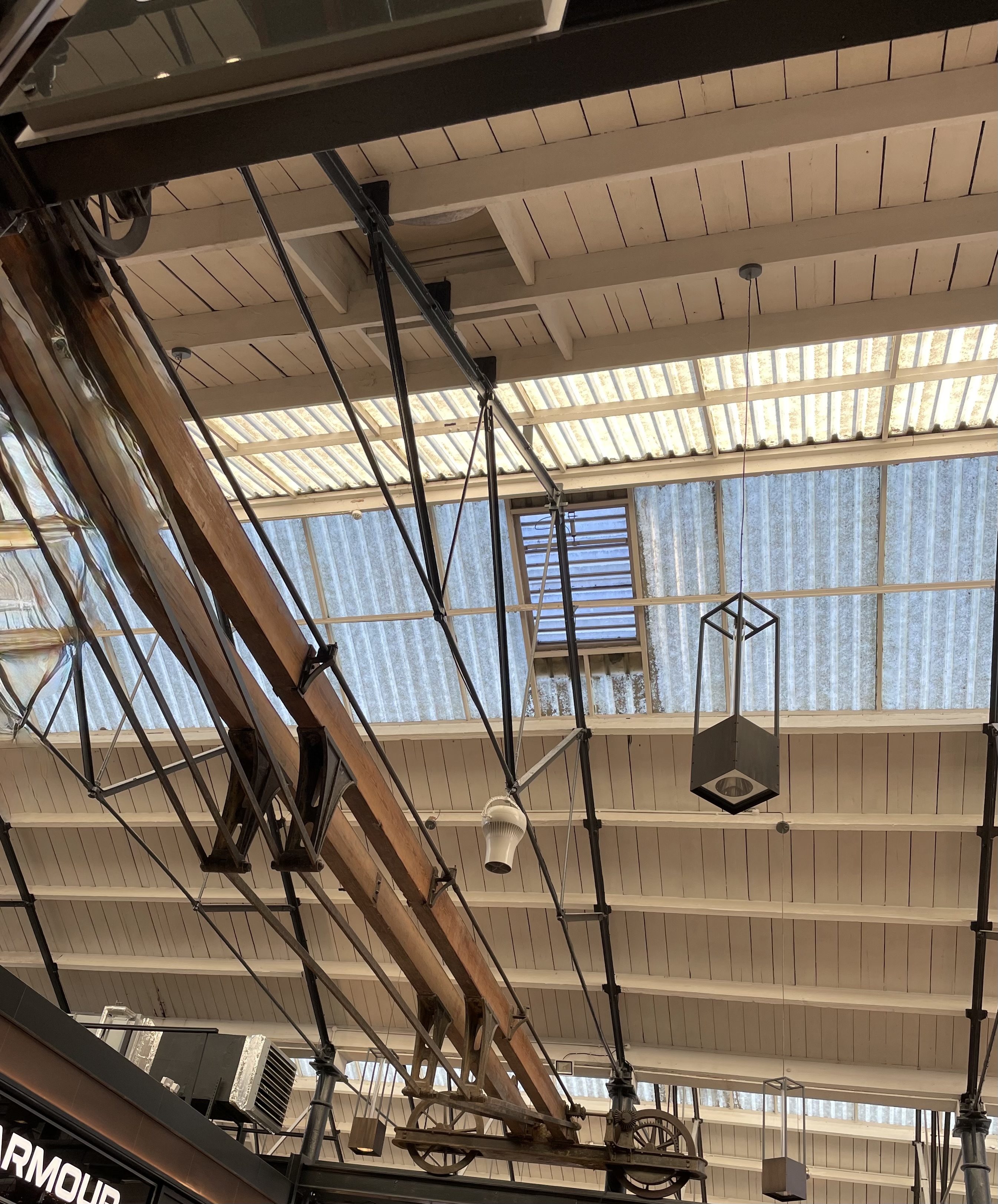
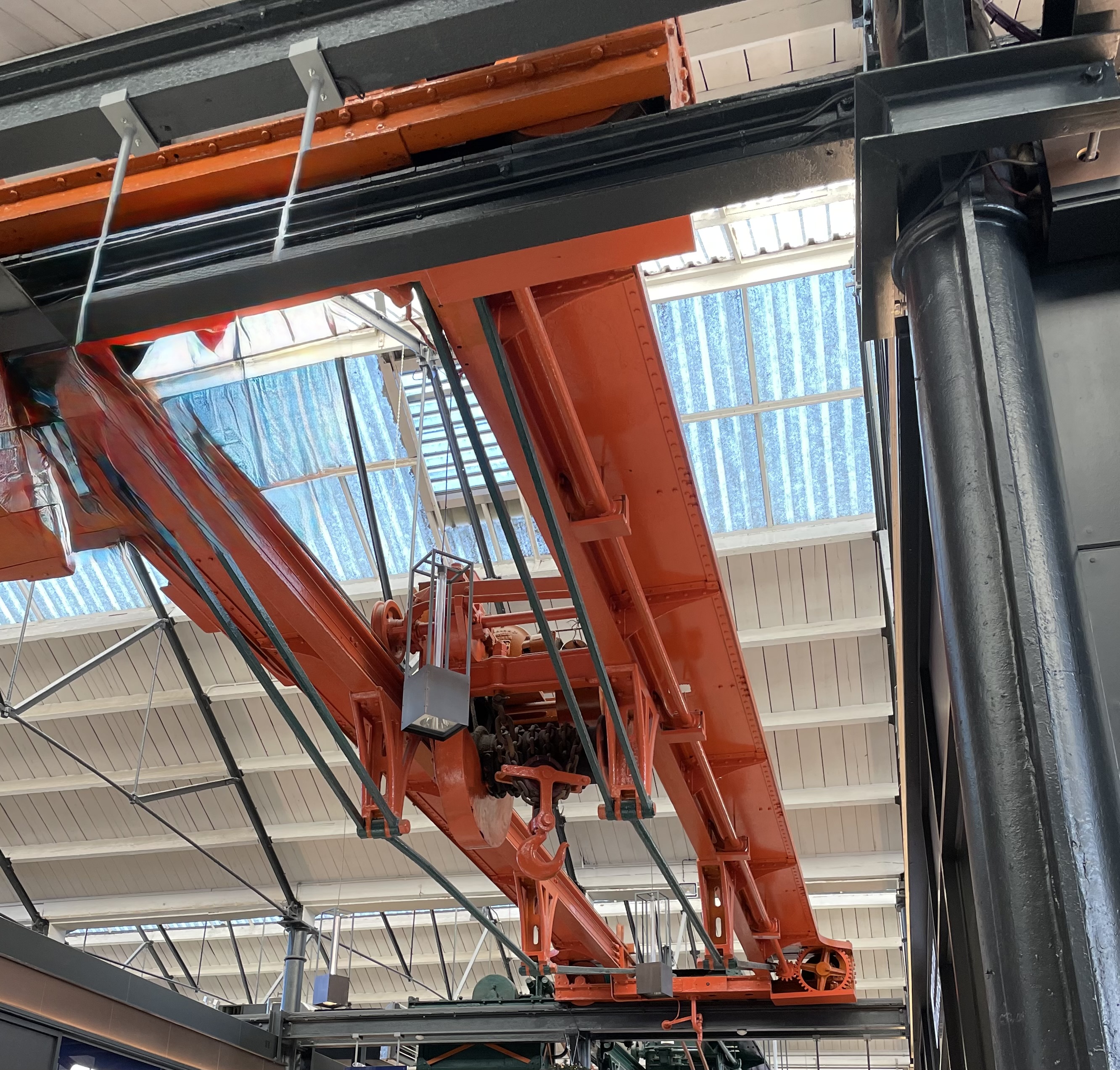
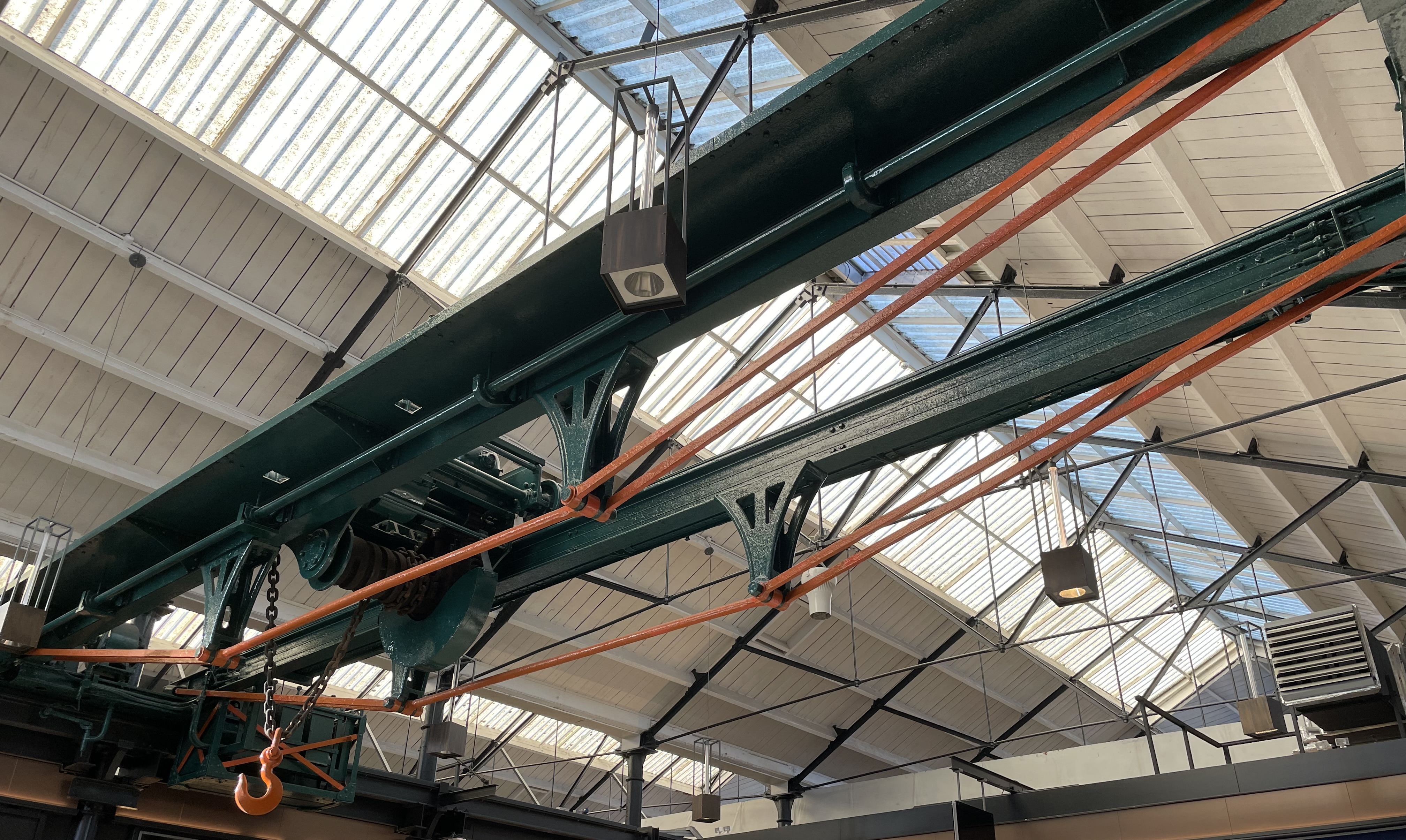
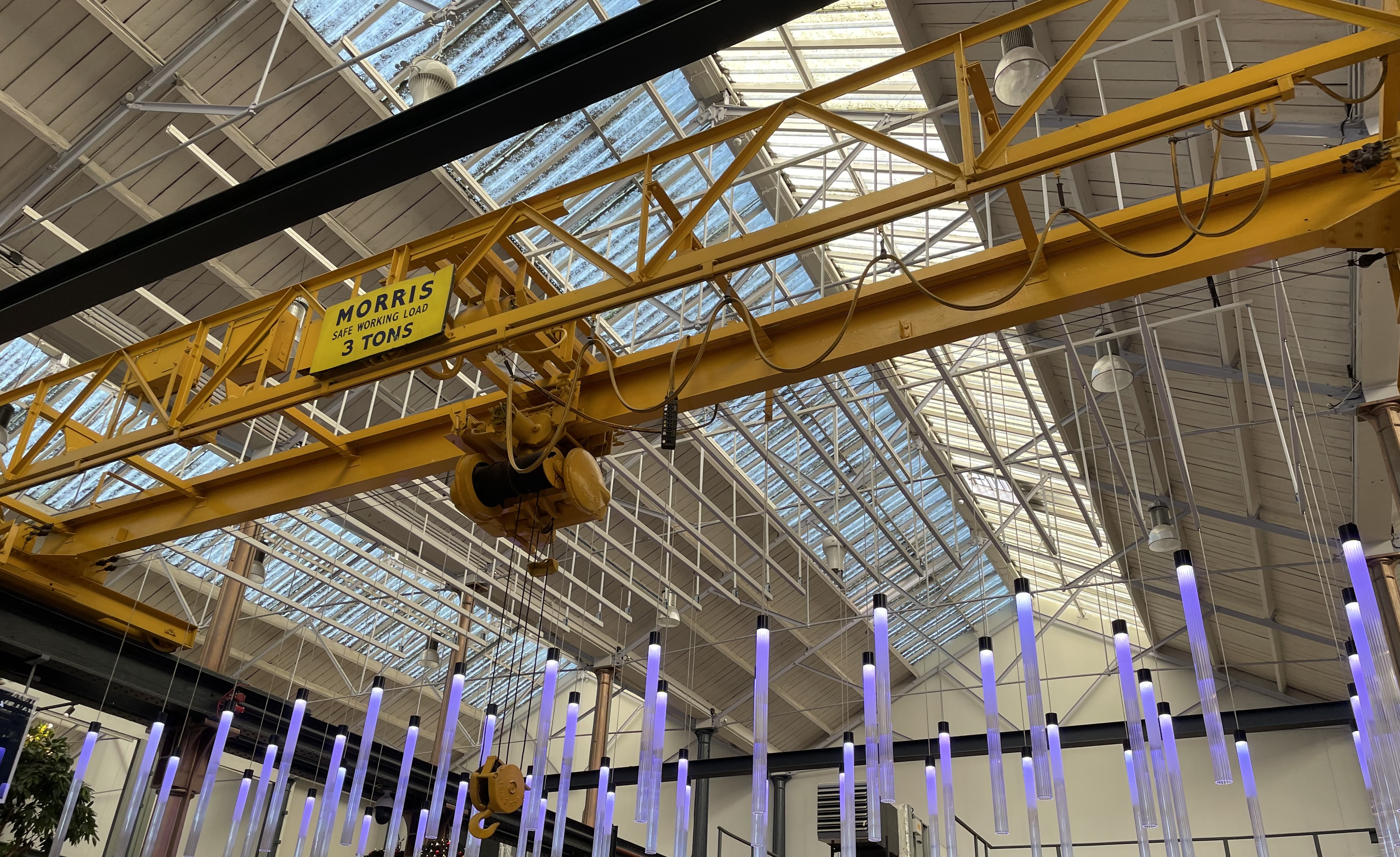
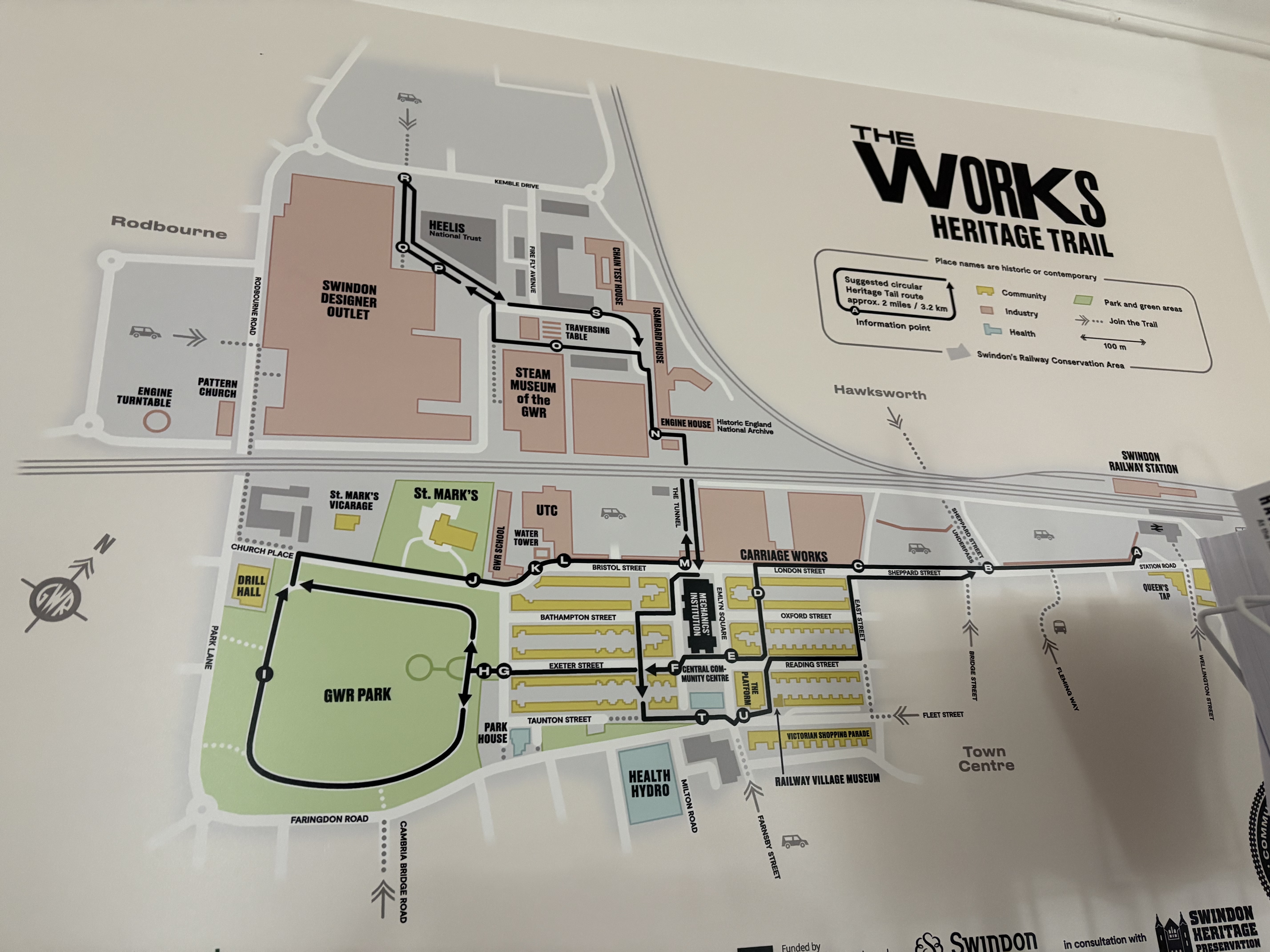
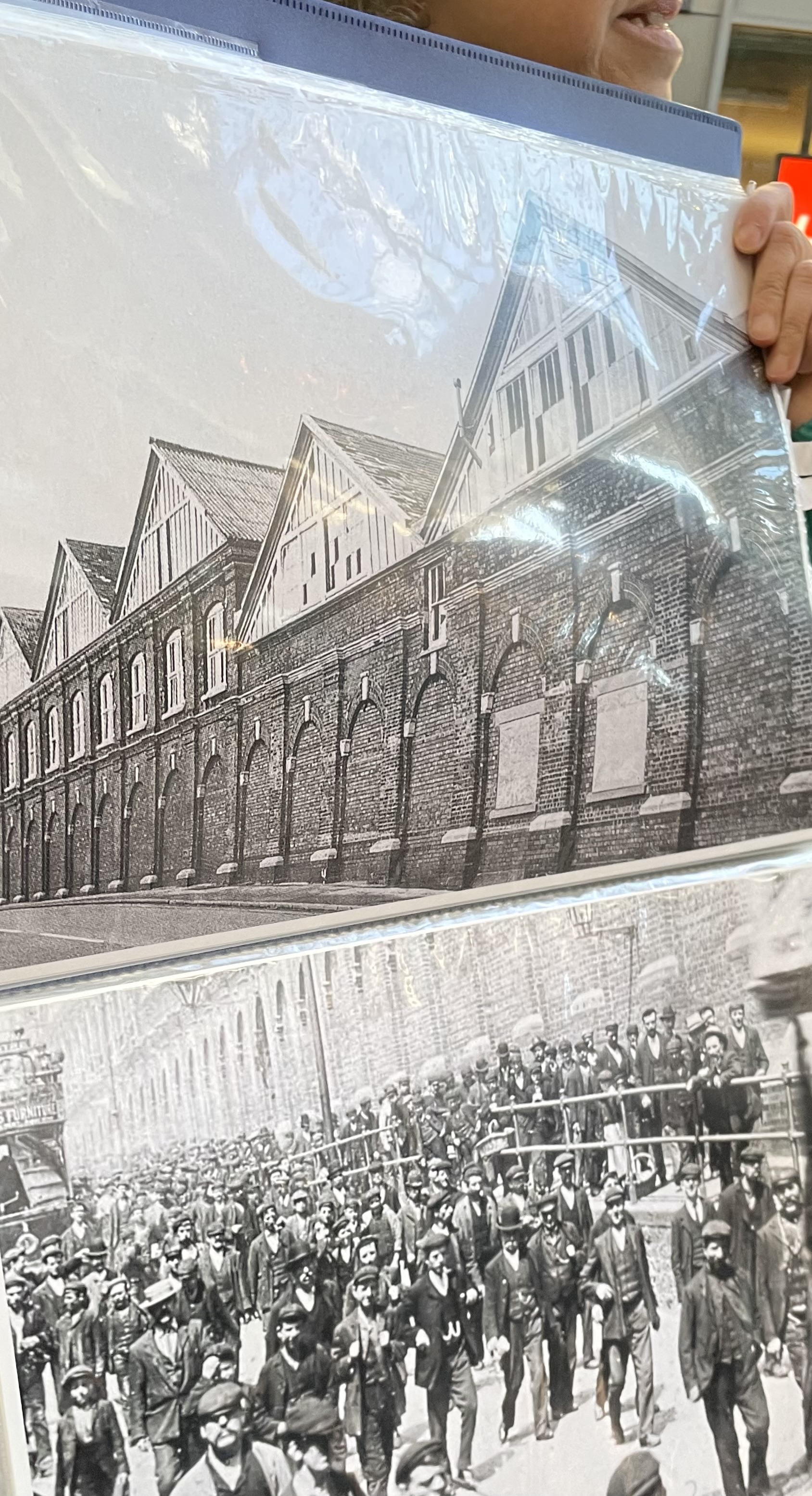
The third place I will tell you about is Swindon’s Mcarthur Glen Designer Outlet. This shopping centre has been built in a large expanse of the old Great Western Railway workshops. This is another space I have walked around often in the years since it was built. I knew it was the old railway works. It has an obvious flavour of the old railway works because it still has industrial items on display and the workshop structures are left, as much as they can be, as they were. However, three years ago I joined a tour of the outlet village led by Gordon Shaw who used to work in the factory and had since spent time researching the history of the working environment and the way of life within it. This tour opened my eyes to things I had not noticed before, so, if you go to the outlet village in Swindon, look up and look around and you’ll be surprised what you see.
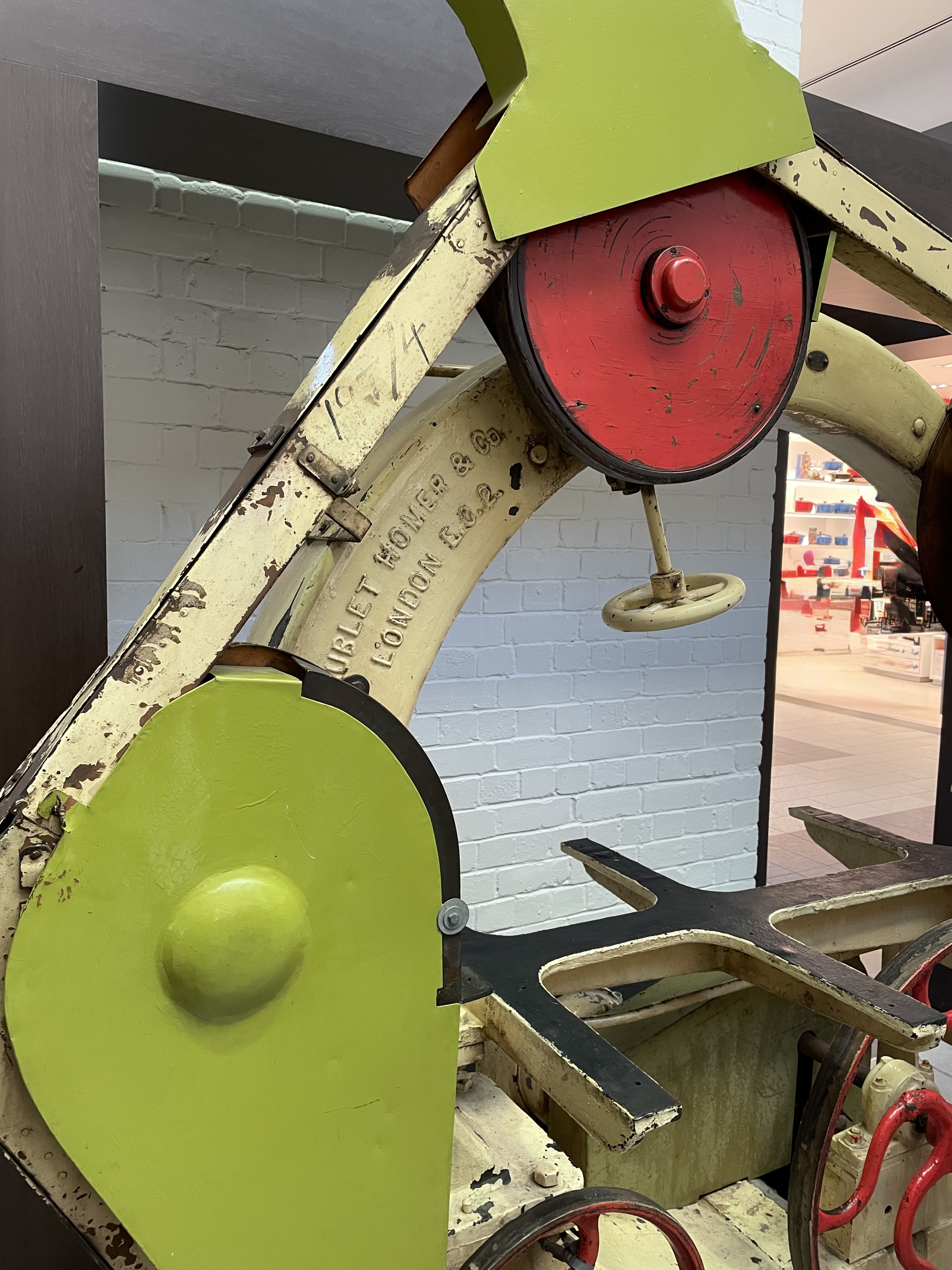
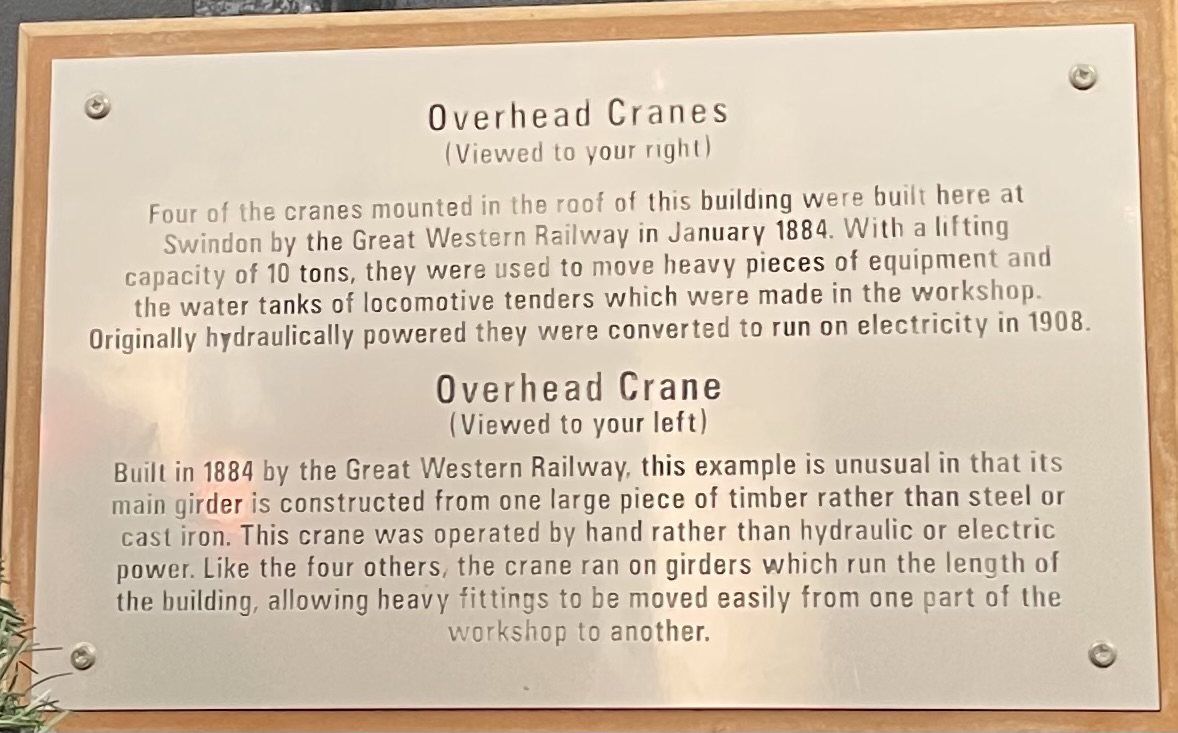
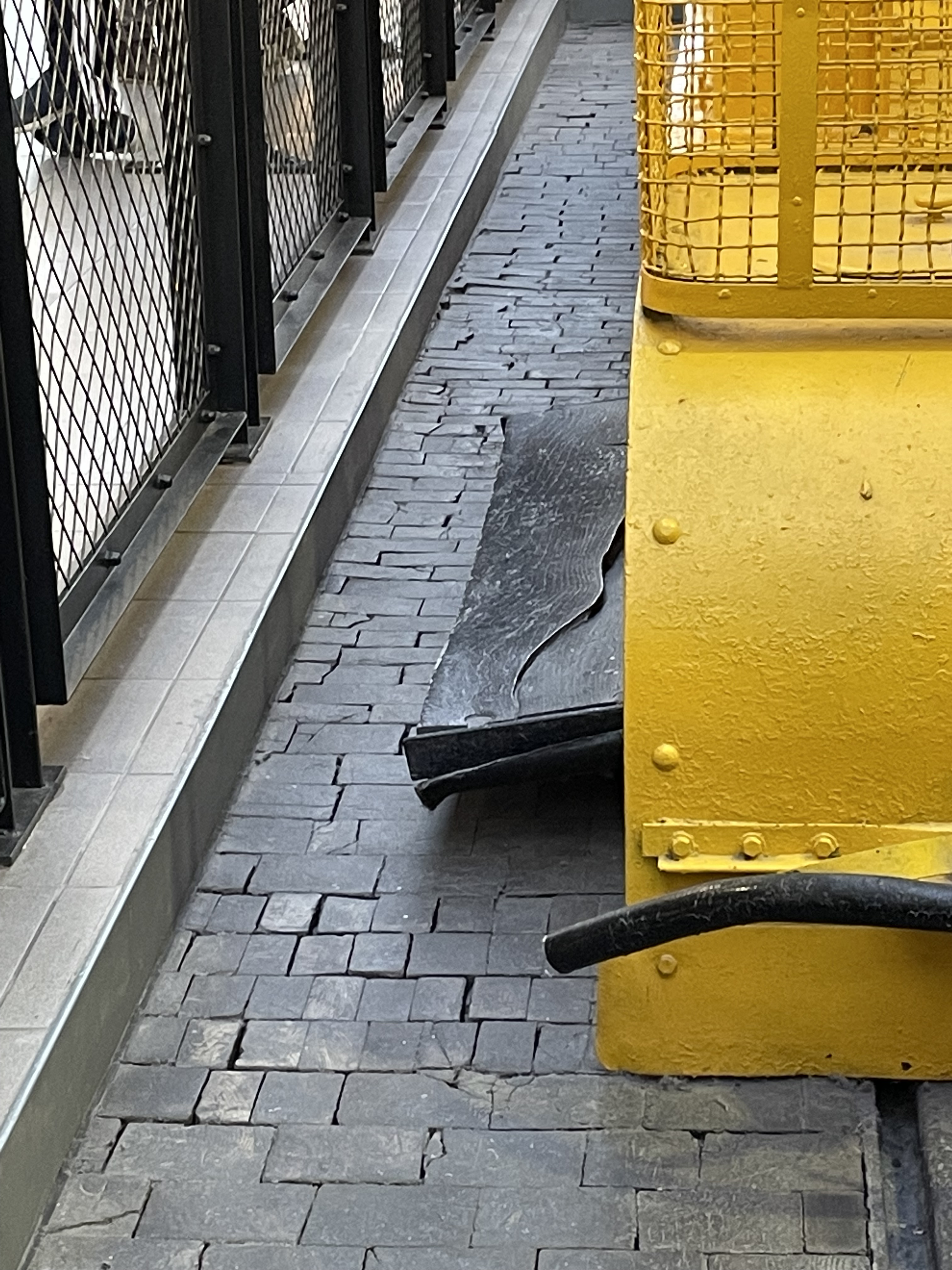
For instance, right in the middle of the front entrance hall, near what was the old pattern store on Rodbourne Road, is a large crane. Of course, I’ve seen the large piece of machinery that is hard not to notice, but on the floor around it you can see wooden cobbles. The cobbles in most of the workshops were made of wood, and that’s because in the workshops that were ‘hot workshops’ (that’s what the workshops containing furnaces were called then), stone flooring would have become too hot. The wood was soaked with oil during processes, so they changed the flooring once a year and men were given the wood to burn. There are so many more things I could say, but another fascinating one for me was one of the earliest cranes. The man would sit up on a crane and move it by turning the mechanism by hand so the crane slid along a system on the roof, and apparently the night shift workers would sometimes hide up on the cranes to sleep.

The old iron workshop is where the Clarks and Marks and Spencer shops are now, and in the John Lewis Outlet there’s still some equipment on display.  
I think I will share just one more place next week, before I share some photographs…
Part one ~ Inspirations behind The Great Western Railway (GWR) Girls ~ People, Places & Pictures

Three of the things that lead me to ideas for books are people, places and pictures. Today, I thought I would tell you about some of the people that inspired the GWR Girls series. 

Most of my books contain elements of a story that someone, somewhere, has lived. That story will be fictionalised, exaggerated and twisted, frequently to a point it barely resembles the real-life story. But the idea is sparked from a true story I have heard or read. Often, more than one story moulds a book, as snippets of people’s life stories merge into a collage that becomes a good plot idea. So, here are three of the life stories in my inspirational collage for this series. But as I say, please remember my characters are not at all representative of these real people, other than the idea was stimulated because of something they said, or something that was written about them. 

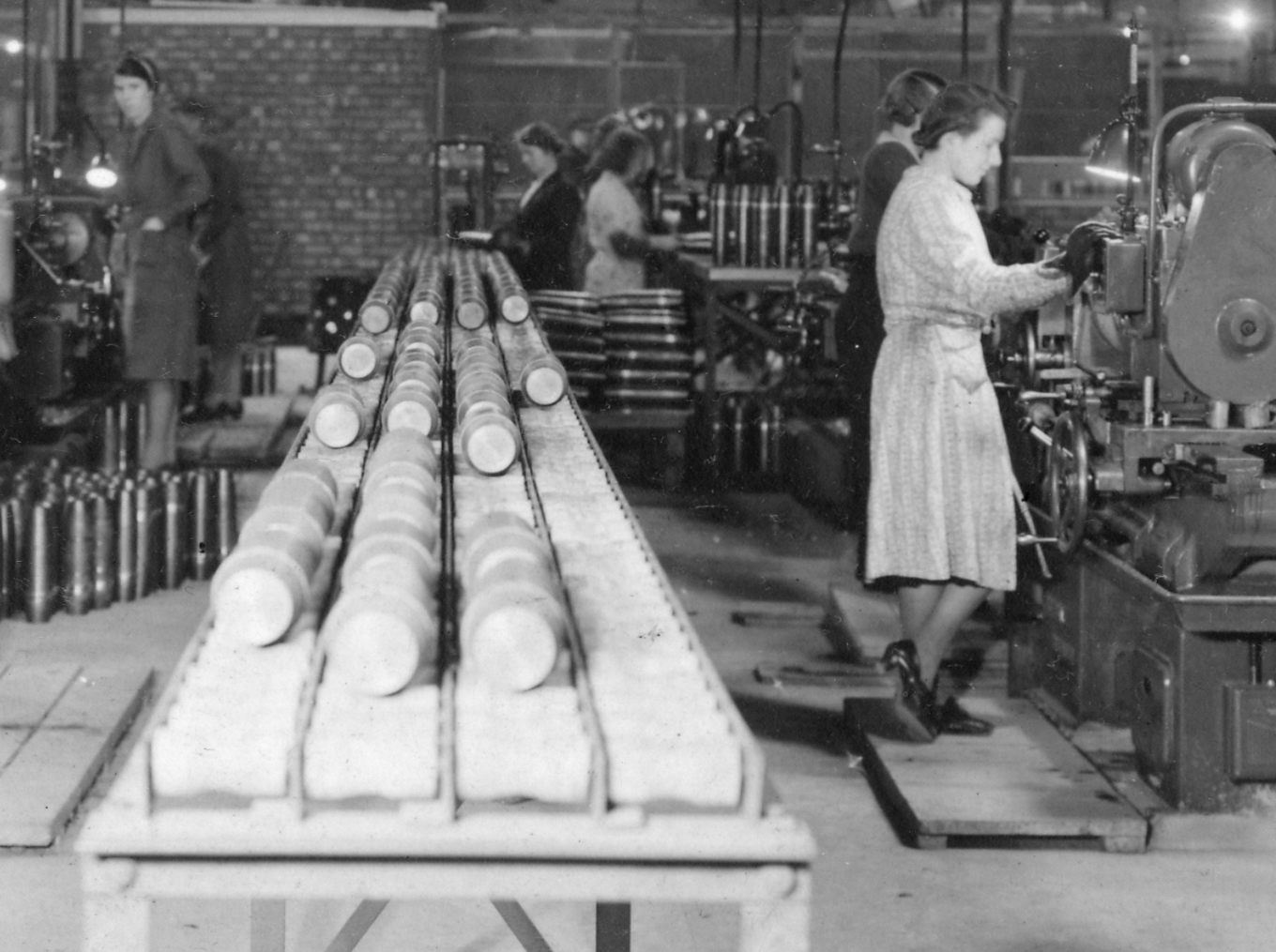
Firstly, let me introduce you to, Peggy Thompson, a lady who began working for Swindon’s Great Western Railway factory in 1940. In the late 1980s she recorded her story for Swindon Borough Council to use in the newly created ‘STEAM’ – the Museum of the Great Western Railway. She even met Prince, later King, Charles, when he opened the museum. The Evening Advertiser article on the event is here, which quotes Peggy’s words. I have visited STEAM many times over the years. However, it was only when I began thinking about writing a saga series, that I stopped and listened to Peggy’s story that played in one of the museum’s video stands. Peggy talks about working in the Bomb Gang, as she called it, making 25-pounder bombshells during World War II. There we go, right there. What a great premise for a story about women in WWII. She also shared a cheeky little story about meeting up with her boyfriend for a kiss while they were working and rushing back so they didn’t get into trouble! Such a character incentive.

Image © STEAM Museum of the GWR

Next, there’s a young Jewish teenager in The Great Western Railway Girls. It is important to me to include diverse characters in my stories, to represent more of the breadth of our society. In this series, I particularly wanted to include a Jewish family. I looked up lots of information about the Jewish community in Swindon and discovered that there was no recognisable Jewish community in Swindon until the refugees arrived during in WWII. Then I came across a story about a German, Jewish, teenager who came to England in the Kindertransport. He was one of about one thousand of the older children who were separated out and interned in an ‘Enemy Alien’ camp, either on the Isle Wight or in Cumbria. This was done just in case the teenagers supported the Nazi cause. 

A Swindon family fought with the authorities to free him, and of course, right there is another great back story for characters, for the family who took him in as much as for a teenage character. 

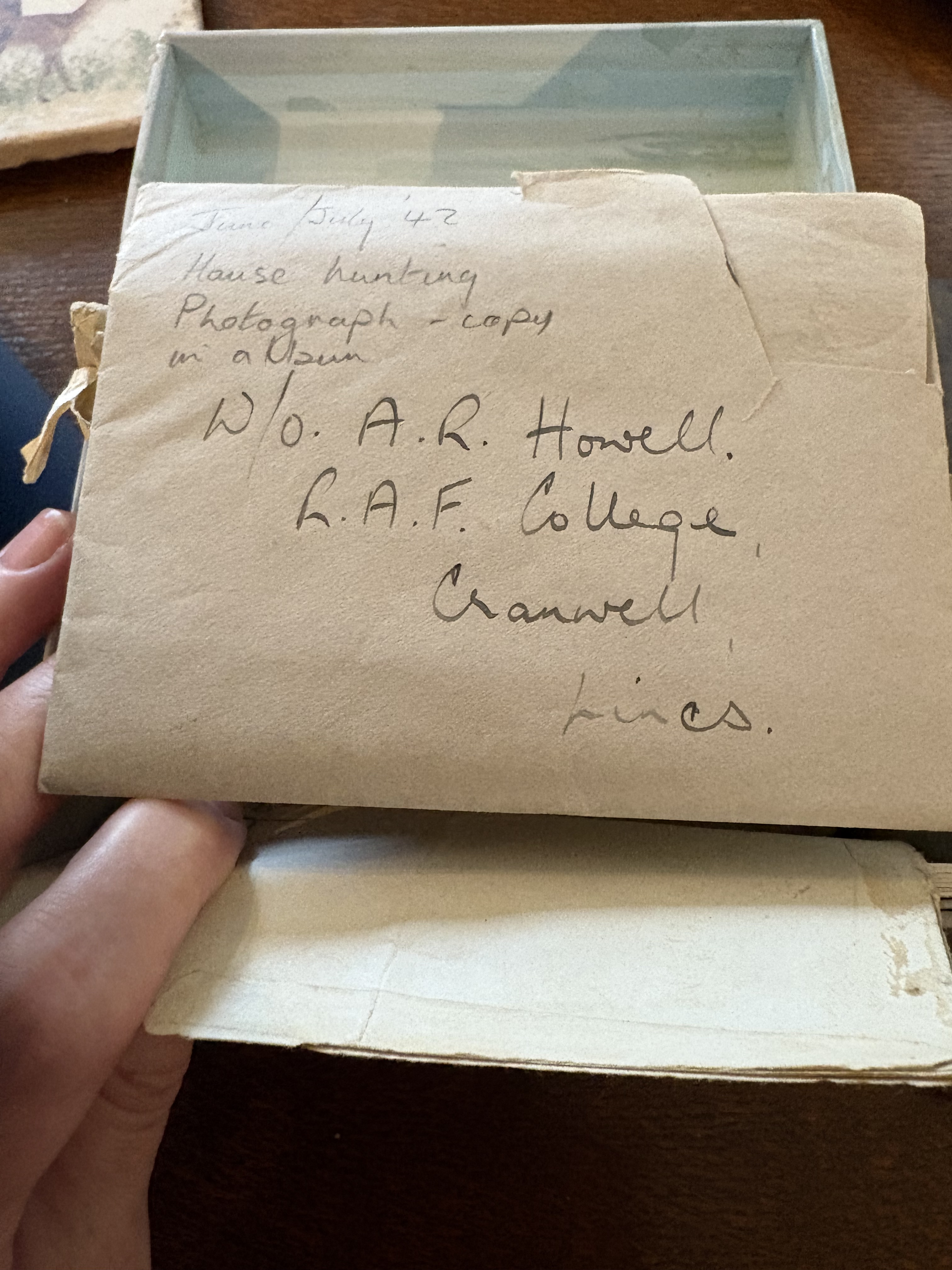
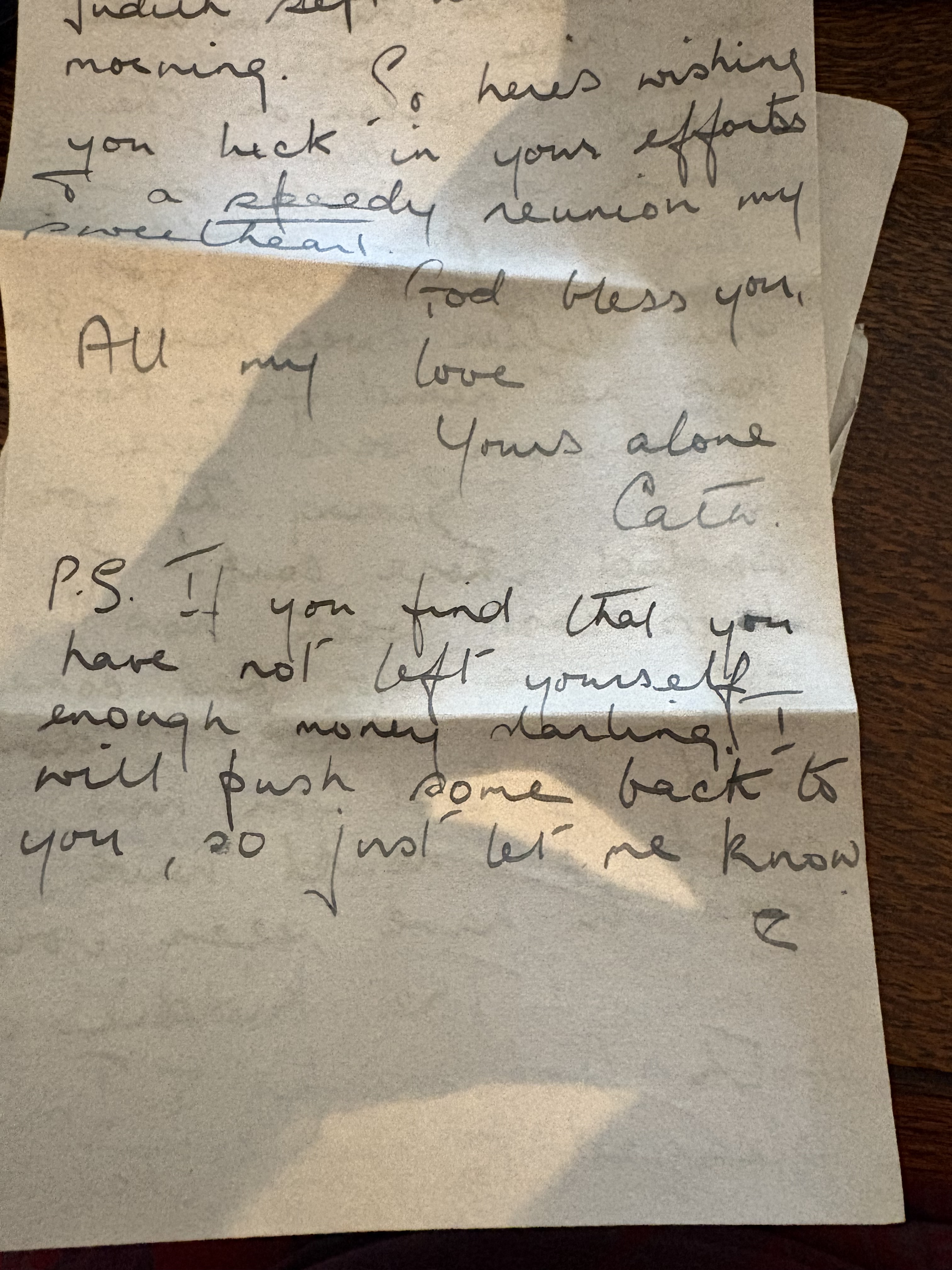
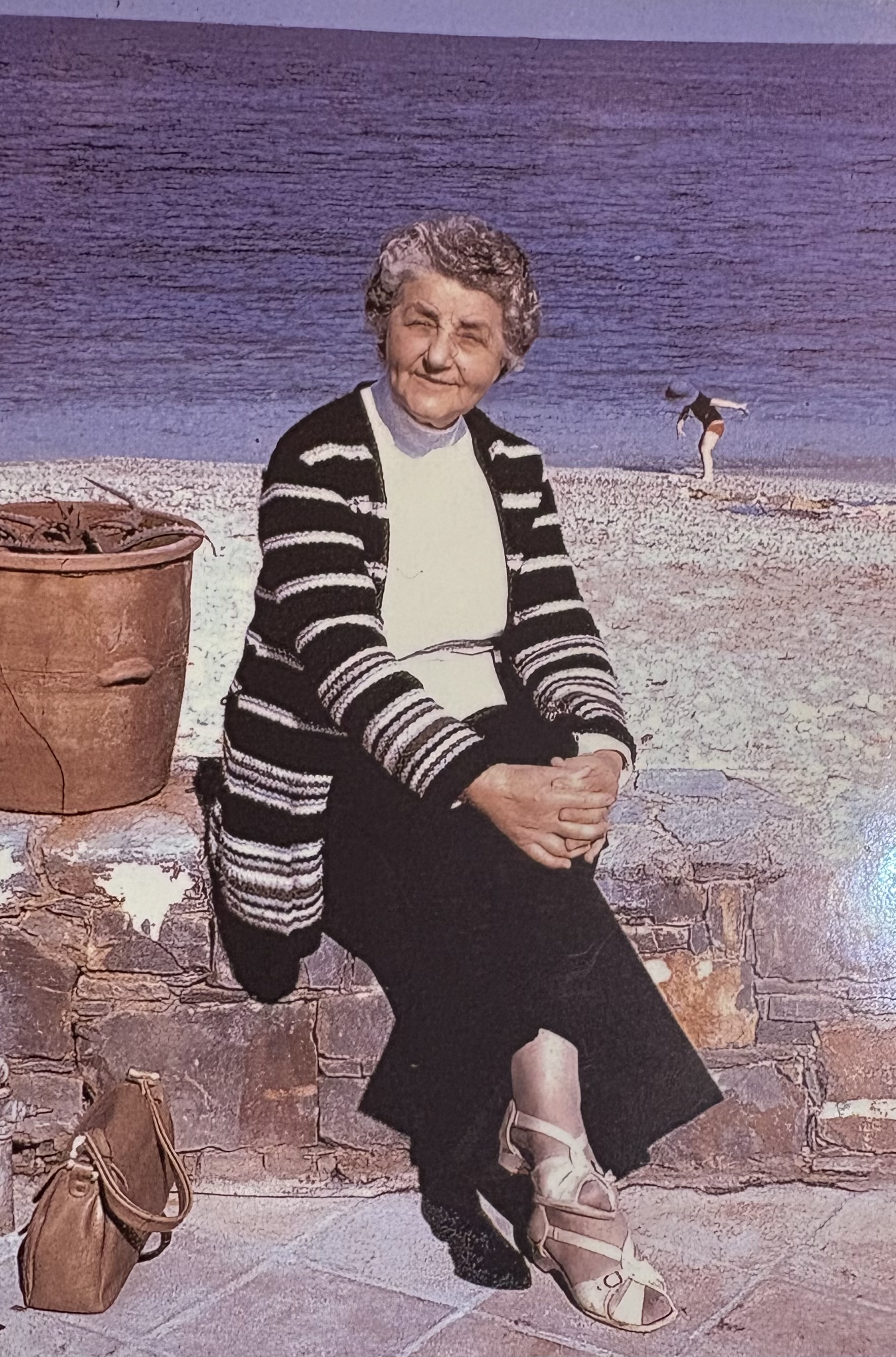
Last of all, I’ll tell you about my grandma. Catherine May Howell, nee Smith. Yes, my character Catherine is named for her. I have the letters that she received from my grandfather during the war years. He was a pilot. She didn’t live in Swindon in the war years but she had lived in Lagos Street in Swindon in the mid 1930s. So, when I moved into Swindon in the 1990s, she shared lots of stories of the town. Including telling me about a butcher that used to serve the nicest faggots. That butcher shop was still there then. I think it was in Market St, or Havelock St. It’s not there now. It’s the family stories that are passed down from her and my other grandparents, that have helped to add the day-to-day picture of life for my girls.

So, that is just a taster, a quick view, of some of the stories of people who helped me come up with the ideas for my characters, because, lots more people have created the collage that makes up my railway girls. Of course, there are a lot more stories to come through in later books in the series.

The pictures at the top of the post are of a letter my grandmother wrote to my grandfather in 1942…

Preorder the first book in The Great Western Railway Girls series here… https://amzn.to/3WoM3ig