Skip to the bold lettering if you’ve already read the introduction 🙂
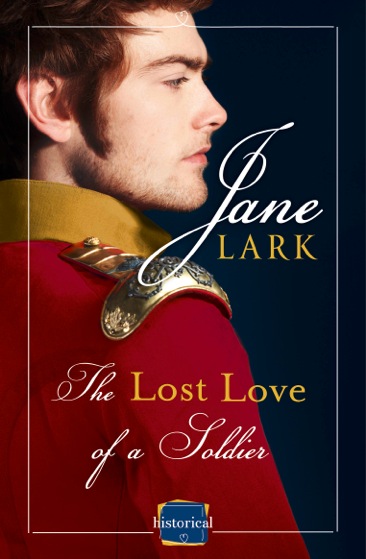 On the 18th June 2015 it will be 200 years since the battle of Waterloo took place, which was fought near Brussels in Belgium. This is the setting for scenes in my novel The Lost Love of a Soldier so I want to take this chance to share some of the things which I learned while researching the story of the 52nd (Oxfordshire) Regiment of foot which my fictional character, Paul, had a place within, to commemorate the anniversary of the battle.
I picked the name of a real regiment randomly when I began writing Paul’s and Ellen’s fictional story, in The Illicit Love of a Courtesan, and chose the 52nd (Oxfordshire) Regiment of foot. So when I decided to place the characters in a prequel, which would incorporate the battle of Waterloo, I had to research the background of the 52ndand develop an understanding of what happened to them before they reached the battle. Looking up where they’d come from before the battle? How they had lived? How would they have felt during the lead up to Waterloo?
This is the true story I am sharing on my blog in the lead up to the bicentenary commemoration of the battle. Read part one
Part Two
When they arrived in Belgium, people travelled from the city of Ostend, where the ships crossing the channel and the North Sea came into port, to Ghent, by barge. Personal memoirs of the time speak about the barges being like pleasure boats, with one man travelling back and forth just for fun. Then the journey from Ghent to Brussels which was made by road must have been full of hundreds of men marching, while the elite who’d come to watch travelled in carriages waving, excitedly.
The details of Ellen’s and Paul’s journey, and the accommodation they used, are drawn from a number of different written accounts of events in the build-up to Waterloo, and I know many romance writers use the view of the tourists who were there to set their scenes within picnics in the woods, and parties in Brussels. Life continued for the tourists as though they were not heading towards war. But knowing the impact war has on soldiers as we do now, I instead made Paul a much more sober man who is constantly aware that the battle is only a distance away. He is forever aware of the fear of leaving Ellen alone in Brussels and losing her and yet his not afraid of the battle only for his wife.
The truth of the time is, while the elite held their balls and entertainments in Brussels, in the fields and villages beyond it, Wellington had over a hundred thousand men encamped and waiting, while the Prussian army, Britain’s allies, had even more men than that ready and waiting to fight, and while they waited they learned the terrain, choosing the places they would prefer to fight.
 But the soldiers did not keep themselves entirely distant from the revelry, there would have been different personalities responding different ways, and different ranks of soldiers behaved in different ways. There was a lot of gambling going on amongst all ranks, though, charged by fear and boredom as they waited around Brussels for weeks. And for the officers one of the things they used to escape thoughts of war was dancing. The waltz was a dance that found its greatest favour with the army in Brussels, when many were still hesitant about it. The army brought their love of it back to Britain after Waterloo. It was a very intimate dance, (danced more closely and more intimately than the Venetian Waltz most often danced today) in a time when previously dancing had not included holding your partner close.
The first sign that things would progress to a battle came on the 10th June 1815 when word reached Brussels that the leaders representing all the European countries involved in the war against Napoleon had signed a charter declaring that Napoleon was not an emperor and had no right to France. In defiance, Napoleon had signed a new constitution claiming his Empire, and he’d paraded through Paris, to the cheers of thousands of supporters. The tourists heard this news with excitement. The soldiers who had spent weeks waiting, trying not to think of battle, must then have seen its eventuality, and Napoleon’s army had a reputation for moving fast; one of the key elements of their earlier successes was their ability to march long distances swiftly. It was at this point that a few tourists decided to get out of the way and the crowds in Brussels first began to thin.
I’ll post again about the lead up to the Battle of Waterloo on June 14th, and I am lucky enough to be heading over to Brussels for the commemoration, so I will share everything I discover later this month when I come back too or maybe even when I’m out there on my Facebook page Jane Lark Author ~see the righthand column to ‘Like’. I think the days are going to be packed with reenactments and museums and site visits, though, so I am not sure how much time I will have to share while I’m there 🙂 But I will definitely share when I get back, if not before.
Check out the exceptional discounts Harper Collins have placed on The Lost Love of a Soldier during June 2015 to commemorate the Battle of Waterloo
~
ONE TIME ONLY OFFERS
click on the cover in the righthand column


 Author, Jane Lark's stories