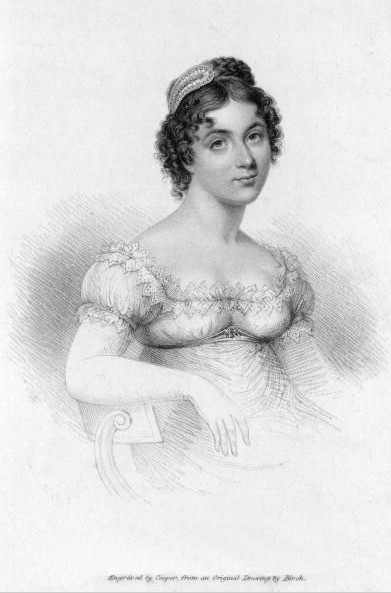
Another chapter in my Harriette Wilson series; the true story of a Regency courtesan

Harriette_Wilson00Last week we left Harriette at the point she commenced a new engagement, with Lord Lorne, the future 8th Duke of Argyll.

She was not happy to discover that alongside keeping her as his mistress, he was also undertaking a long-standing intrigue (affair) with a married woman, Lady W.

But before I begin this story, let me do a quick recap of the background, for anyone joining the story today. Skip to the end of this block of italics if you’ve already read it.

In 1825 Harriette Wilson, a courtesan, published a series of stories as her memoirs in a British broad sheet paper. The Regency gentleman’s clubs were a buzz, waiting to see the next names mentioned each week. While barriers had to be set up outside the shop of her publisher, Stockdale, to hold back the disapproving mob.

Harriette was born Harriette Debochet, she chose the name Harriette Wilson as her professional name, in the same way Emma Hart, who I’ve blogged about previously, had changed her name. Unlike Emma, it isn’t known why or when Harriette changed her name.

She was one of nine surviving children. Her father was a watchmaker and her mother a stocking repairer, and both were believed to be from illegitimate origin.

Three of Harriette’s sisters also became courtesans. Amy, Fanny and Sophia (who I have written about before). So the tales I am about to begin in my blogs will include some elements from their lives too.

For a start you’ll need to understand the world of the 19th Century Courtesan. It was all about show and not just about sex. The idle rich of the upper class aspired to spending time in the company of courtesans, it was fashionable, the thing to do.

You were envied if you were linked to one of the most popular courtesans or you discovered a new unknown beauty to be admired by others.

Courtesans were also part of the competitive nature of the regency period too, gambling was a large element of the life of the idle rich and courtesans were won and lost and bartered and fought for.

So courtesans obviously aspired to be one of the most popular, and to achieve it they learnt how to play music, read widely, so they could debate, and tried to shine in personality too. They wanted to be a favoured ’original’.

The eccentric and outspoken was admired by gentlemen who liked to consort with boxers and jockeys, and coachmen, so courtesans did not aim for placid but were quite happy to insult and mock men who courted them, and demand money for any small favour.

Lord Lorne, who became 8th Duke of Argyll

Lord Lorne, who became 8th Duke of Argyll

Harriette’s description of sharing Lord Lorne’s attentions was ‘all this was a dead bore’.

I said in one of my early blogs, what comes across in Harriette’s memoirs, is that she is a woman who craves attention, she wants to be flattered and adored.

So taking second place to a long-time favourite in a gentleman’s heart wasn’t something I imagine Harriette enjoyed. But needs must, she needed a house and food, and wanted a good life. She had that with Lord Lorne, so she wasn’t just going to give up and walk away without a fight.

One night when Lord Lorne returned wearing his lover’s rose, Harriette plucked the rose from his breast and threw it aside.

Another time she hid the chain he wore which she imagined this woman had given to him.

Lord Lorne was blind to the fact these actions were deliberate, and Harriette says, ‘for who with pride, and youth, and beauty, would admit they were jealous?

One night, when Harriette was with him in his town house, and as she said, ‘he really seemed passionately fond of me’, Harriette describes a sudden awareness of the fact that ‘this’ was being shared and he must be just as passionate with the other woman.

She couldn’t stand that. She left Lord Lorne in bed declaring she was going home, at three in the morning on a cold December night.

Blind, or rather unobservant, Lord Lorne believed Harriette was sleep walking. I wonder then if what she doesn’t describe is that she had been laying there in the dark stewing on thoughts of his other lover and not knowing how to break that agreement, and then decided she’d had enough.

She told Lord Loren she didn’t wish to stay with him or sleep with him anymore, and then burst into tears.

Now Lord Lorne realises something is wrong, and asks what he has done to upset her.

Harriette still did not speak of jealously, but merely continued dressing and told him to leave her alone, and cease his pretence of tenderness.

Lord Lorne then pleaded for Harriette to tell him what was wrong, and expressed his fear she might no longer love him, or feel disgust for his attentions. (Clearly, like Harriette, he wants to be wanted).

When Harriette reached for the door handle she tells us he snatched her hand from it, pushed her away and then locked her in. Then he held her against him violently so as not to let her go.

Harreitte starts to think twice.

His anger shows an enthusiasm Harriette loves.

Then she says, he cried.

Well, Harriette is immediately won over and their argument made up, ‘on the spot’.

I think in Harriette’s form of 19th Century declaration meaning, they didn’t return to the bed.

This is why I love reading letters and memoirs, because you gather far more facts of the actual way people lived and what they felt, rather than just what did and didn’t happen in history.

Next week I’ll talk about how Harriette, her friend, Julia, and her sister, Fanny, became known in London High Society as the ‘Three Graces’.

Jane Lark is a writer of authentic, passionate and emotional love stories.

See the side bar for details of Jane’s books, and Jane’s website www.janelark.co.uk to learn more about Jane. Or click  ‘like’ on Jane’s Facebook  page to see photo’s and learn historical facts from the Georgian, Regency and Victorian eras, which Jane publishes there. You can also follow Jane on twitter at @janelark
 

The next chapter in a 19th Century Courtesan’s true story; Harriette Wilson meets Julia Storer

Harriette_Wilson00So where did I leave Harriette last week, ah, yes, still with Frederick Lamb. This week her story is not about her but about a woman she met while she lived under engagement (contract) with Frederick. But before I tell this story let me quickly review Harriette’s background for anyone joining my blog today, if you’ve already read it, skip it and read from the end of the italics.

In 1825 Harriette Wilson, a courtesan, published a series of stories as her memoirs in a British broad sheet paper. The Regency gentleman’s clubs were a buzz, waiting to see the next names mentioned each week. While barriers had to be set up outside the shop of her publisher, Stockdale, to hold back the disapproving mob.

Harriette was born Harriette Debochet, she chose the name Harriette Wilson as her professional name, in the same way Emma Hart, who I’ve blogged about previously, had changed her name. Unlike Emma, it isn’t known why or when Harriette changed her name.

She was one of nine surviving children. Her father was a watchmaker and her mother a stocking repairer, and both were believed to be from illegitimate origin.

Three of Harriette’s sisters also became courtesans. Amy, Fanny and Sophia (who I have written about before). So the tales I am about to begin in my blogs will include some elements from their lives too.

For a start you’ll need to understand the world of the 19th Century Courtesan. It was all about show and not just about sex. The idle rich of the upper class aspired to spending time in the company of courtesans, it was fashionable, the thing to do.

You were envied if you were linked to one of the most popular courtesans or you discovered a new unknown beauty to be admired by others.

Courtesans were also part of the competitive nature of the regency period too, gambling was a large element of the life of the idle rich and courtesans were won and lost and bartered and fought for.

So courtesans obviously aspired to be one of the most popular, and to achieve it they learnt how to play music, read widely, so they could debate, and tried to shine in personality too. They wanted to be a favoured ’original’.

The eccentric and outspoken was admired by gentlemen who liked to consort with boxers and jockeys, and coachmen, so courtesans did not aim for placid but were quite happy to insult and mock men who courted them, and demand money for any small favour.

Harriette describes in her memoirs, seeing a woman in her neighbourhood who had five beautiful children and a nurse who took care of them. She comments on rarely seeing the woman out and never seeing her socialise with anyone. So out-going Harriette took the opportunity when their eyes met one day to acknowledge the other woman. She smiled. Harriette bowed.

The next time they met the woman said good-morning and Harriette broke this into a conversation.

The woman must have been longing for company. Harriette says, if Harriette’s jumping around of scenes can be believed in this case, that she invited Harriette to dine with her that day. She also admitted to Harriette she had not spoken to any woman beyond her servants in four years until then.

Harriette describes this woman’s drawing-room, saying it was tasteful and elegant, implying there was rich furniture, and saying it contained both a harp and a pianoforte, and had fine needlework and voluptuous drawings. Harriette deemed her a good woman from this way of life.

When the woman welcomed Harriette she said she was unsure whether or not Mr Johnstone would join them. Harriette hadn’t known there was a Mr Johnstone, she had never seen him, although she had known the woman’s surname was Johnstone. However Mr Johnstone did arrive as they sat down to dine, and Harriette describes him as handsome, about forty and having the nature of a romantic lover not a husband.

After dinner Mr Johnstone left and Julia, the name of this new friend, took Harriette up to the nursery where they played with her children. Harriette describes dressing dolls and skipping.

The next day Julia visited Harriette and Harriette told Julia everything about herself but still Julia kept her secrets.

Slightly wary Harriette decided to continue the friendship for a month pending getting to know Julia a little better. Harriette describes her as having beautiful skin and arms and hands and feet, and describes her as seeming to be passionate of mood, but equally shy with it. She sees Julia as being a woman who must have come from her high birth due to her manner and grace, knowledge and skills.

Then we begin hearing irregularities, like the fact Mr Johnstone came twice a week, and entered Julia’s house by a route across a field and not from the road.

Harriette also describes Julia as dramatic. She says that sometimes, when she called, it was as if Julia had set a scene, like playing her harp in the soft light of a sweetly perfumed room. Though Harriette could not image who the scene was set for when she had no visitors. (This makes me think of Jane Austen’s, Pride and Prejudice, when Mr Darcy accuses the women of walking to better portray their figures. It was definitely a Regency period way of life – looking your best in any pose).

Well Harriette maintained her friendship with Julia, obviously deciding she was a worthy friend, but Julia kept the secrets of her past for many months. So in true Harriette fashion, I’ll skip to the point Julia revealed it, when Harriette and her sister insisted one night that they would cut Julia if she did not finally tell them all.

So Julia’s real name was Storer. She was the daughter of the Honourable Mrs Storer, a maid of honour to the King’s, royal mother, and the sister of Lord Carysfort.

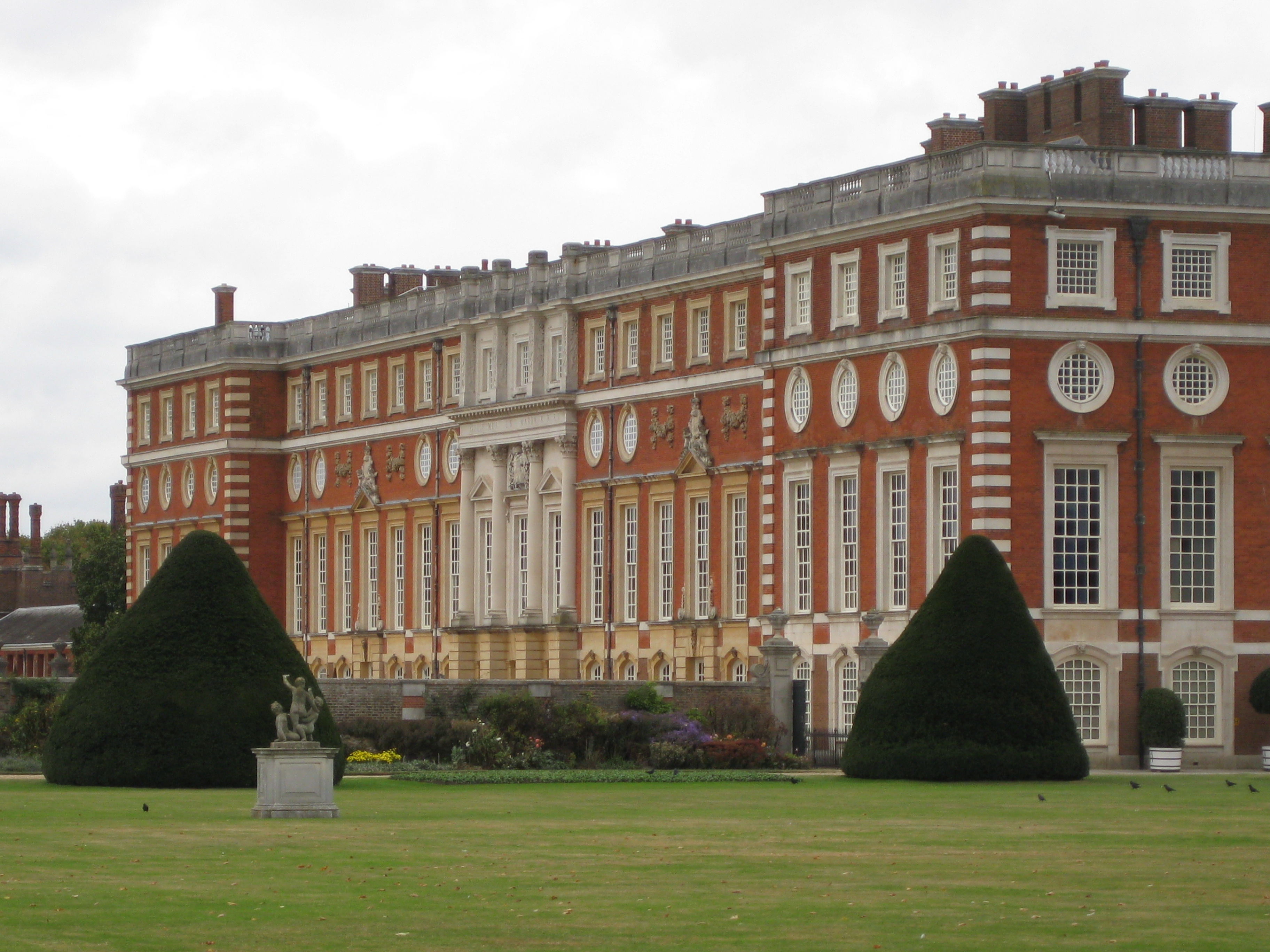
Hampton Court Palace

Hampton Court Palace

Julia was educated for part of her life in France and then at Hampton Court Palace. At Hampton Court Palace she lived with the wife of Colonel Cotton. He was an officer in the 10th Dragoons and his wife a friend of Harriette’s mother.

Harriette says that the first night Julia danced with Colonel Cotton she was ‘mad!’ and within four months pregnant by him. But Julia concealed her pregnancy from everyone (Which I’ve known people do in my life time).

She ended up, having denied her state, being taken with labour pains in the company her Majesty, the king’s mother, at Hampton Court Palace.

Apparently Mrs Cotton hurled abuse at Julia while she bore the pain, pleading for aid. No aid was given and Julia ended up giving birth without assistance but fortunately delivered a healthy boy.

Hampton Court Palace

Hampton Court Palace

The consequence was that Julia was hurried to the country by her angry mother and brother, and her still young brother then called out Colonel Cotton and fought a duel over Julia, only to be wounded, although Harriette doesn’t mention how.

Julia however was not to be parted from her lover, and her lover did not wish to be parted from her. Julia was fortunate she had an inheritance which was under her own name, not in trust, so she spent that asking Colonel Cotton to set them up a little love nest out of town.

There, Harriette says, Julia lived in perfect seclusion for eight years until she met Harriette. Harriette also says, ‘I never saw such romantic people, after nine years and five children!’  Julia, used to share these rhapsodies of romantic affection with Harriette, and Harriette just used to laugh and vex poor Julia. I am presuming therefore Mr Johnstone was Colonel Cotton, but Harriette doesn’t actually say this.

So next week, we’re back to Harriette’s own story and the demise of her relationship with Frederick Lamb…

Jane Lark is a writer of authentic, passionate and emotional love stories.

See the side bar for details of Jane’s books, and Jane’s website www.janelark.co.uk to learn more about Jane. Or click  ‘like’ on Jane’s Facebook  page to see photo’s and learn historical facts from the Georgian, Regency and Victorian eras, which Jane publishes there. You can also follow Jane on twitter at @janelark