Part two ~ Inspirations behind The Great Western Railway (GWR) Girls ~ People, Places & Pictures ~ place number one

As I said in my previous post, three of the things that lead me to ideas for books are people, places and pictures. Last time I told you about some of the people, over the next three days I will tell you about some of the places behind the GWR Girls series. 

I have split the places up so I can include lots of pictures!
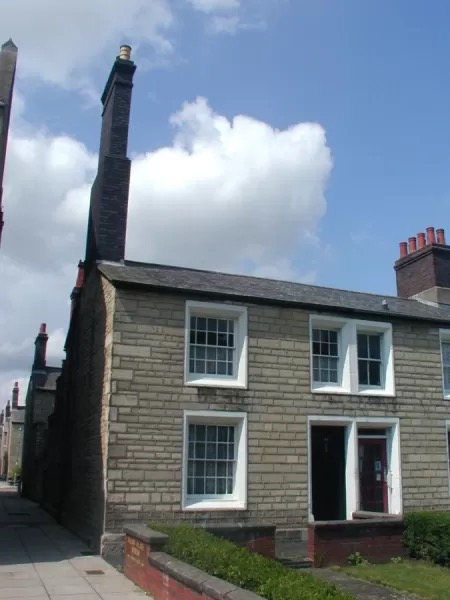
I grew up living near Swindon, in Shrivenham and then Faringdon. I often travelled into Swindon town. My father worked in a factory there. Then I started working in the town and for a couple of years I commuted daily before moving into Swindon when I was twenty-one. So, the Railway Village cottages, the hostel that was the old railway museum, and the park and swimming pool, were places I have known for as long as I can remember. However, despite having had a daughter who I took to the STEAM – Museum of the Great Western Railway a few times, I had never made the time to get to the small museum in Swindon’s historic Railway Village.

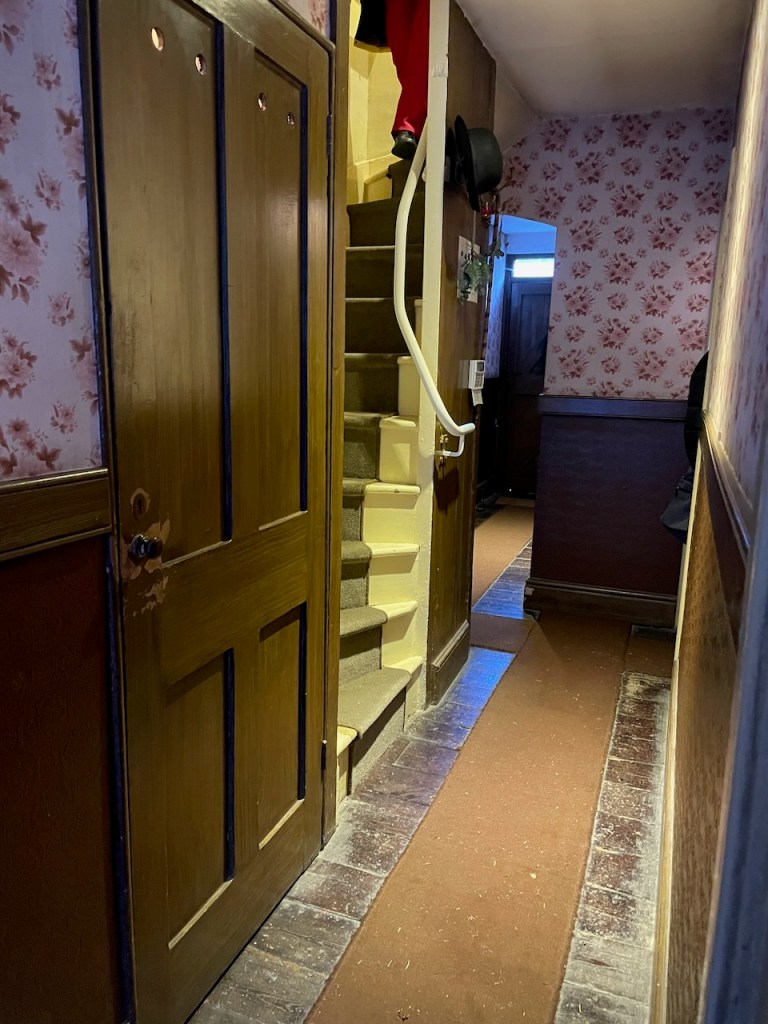
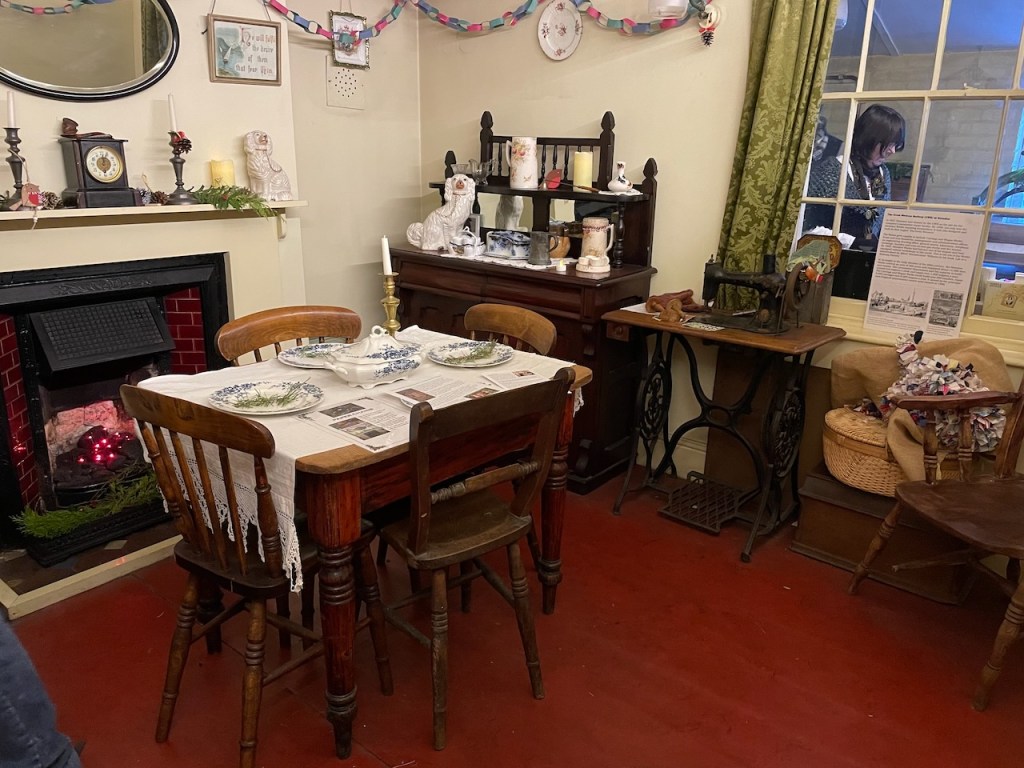
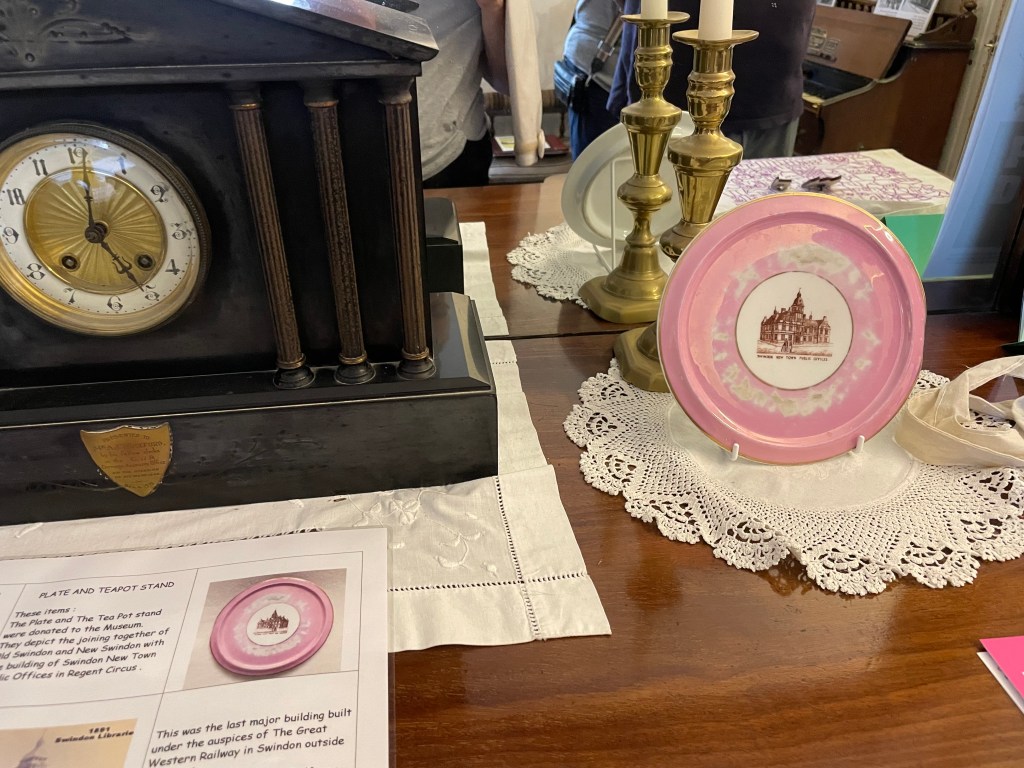
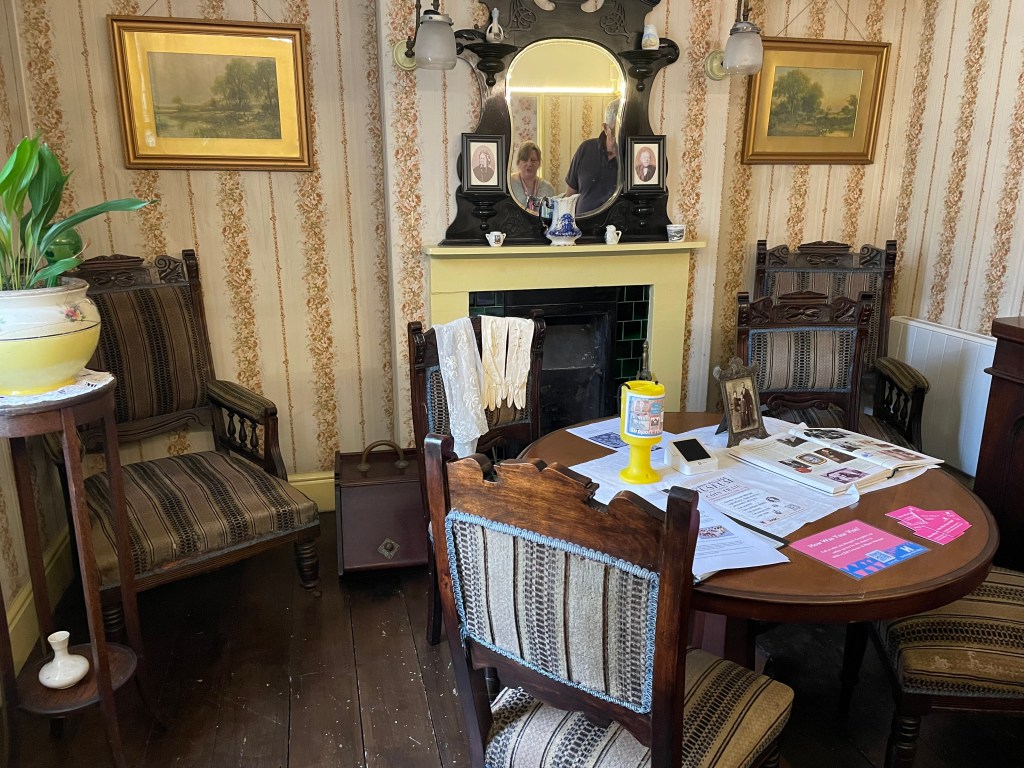
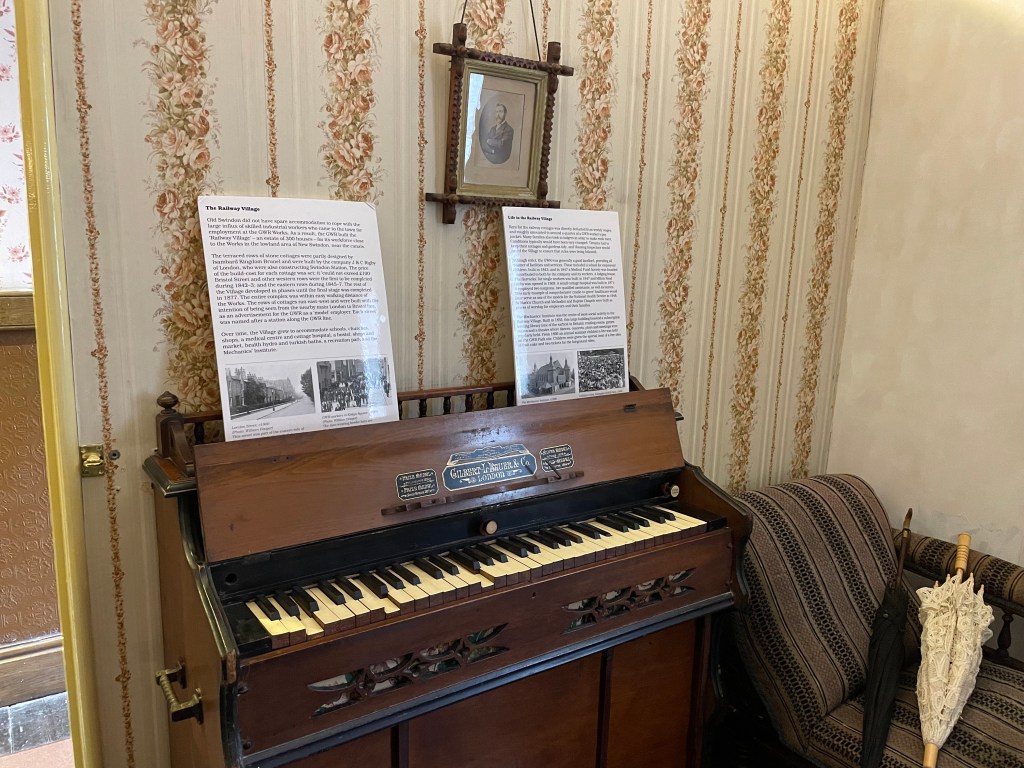
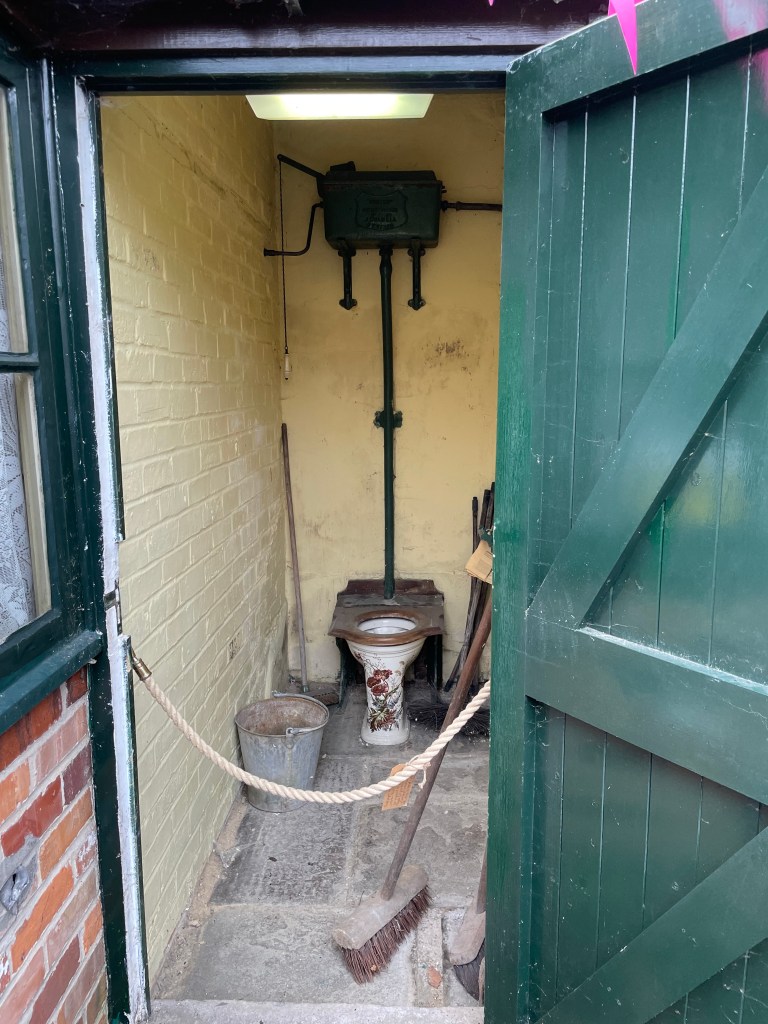
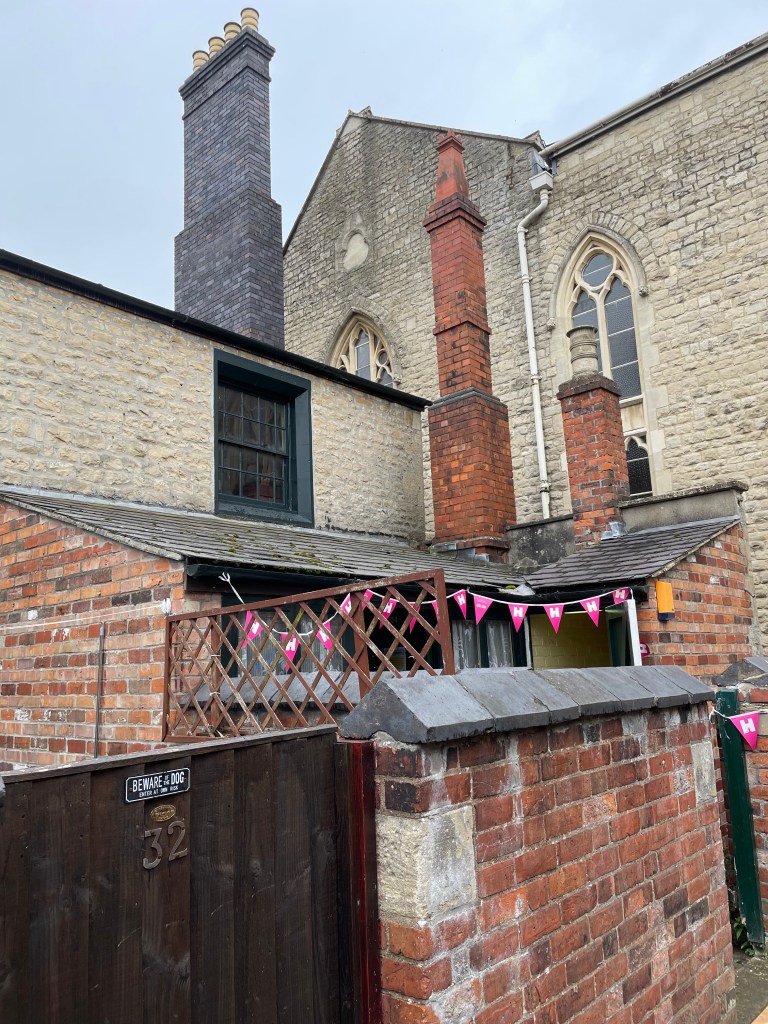
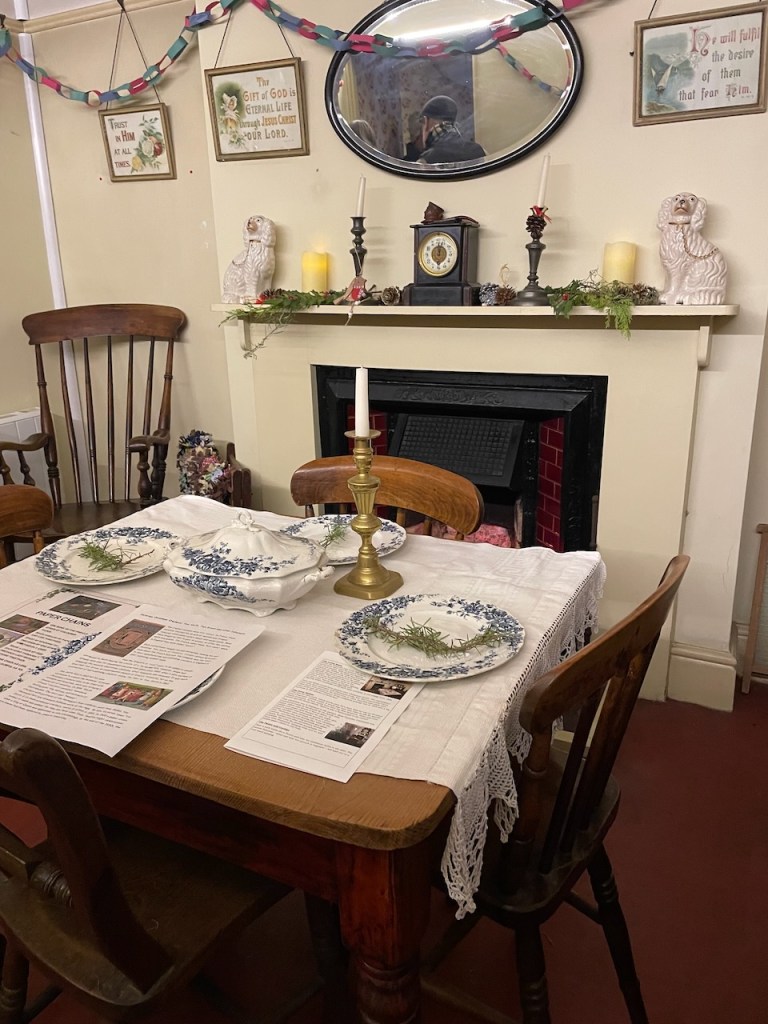
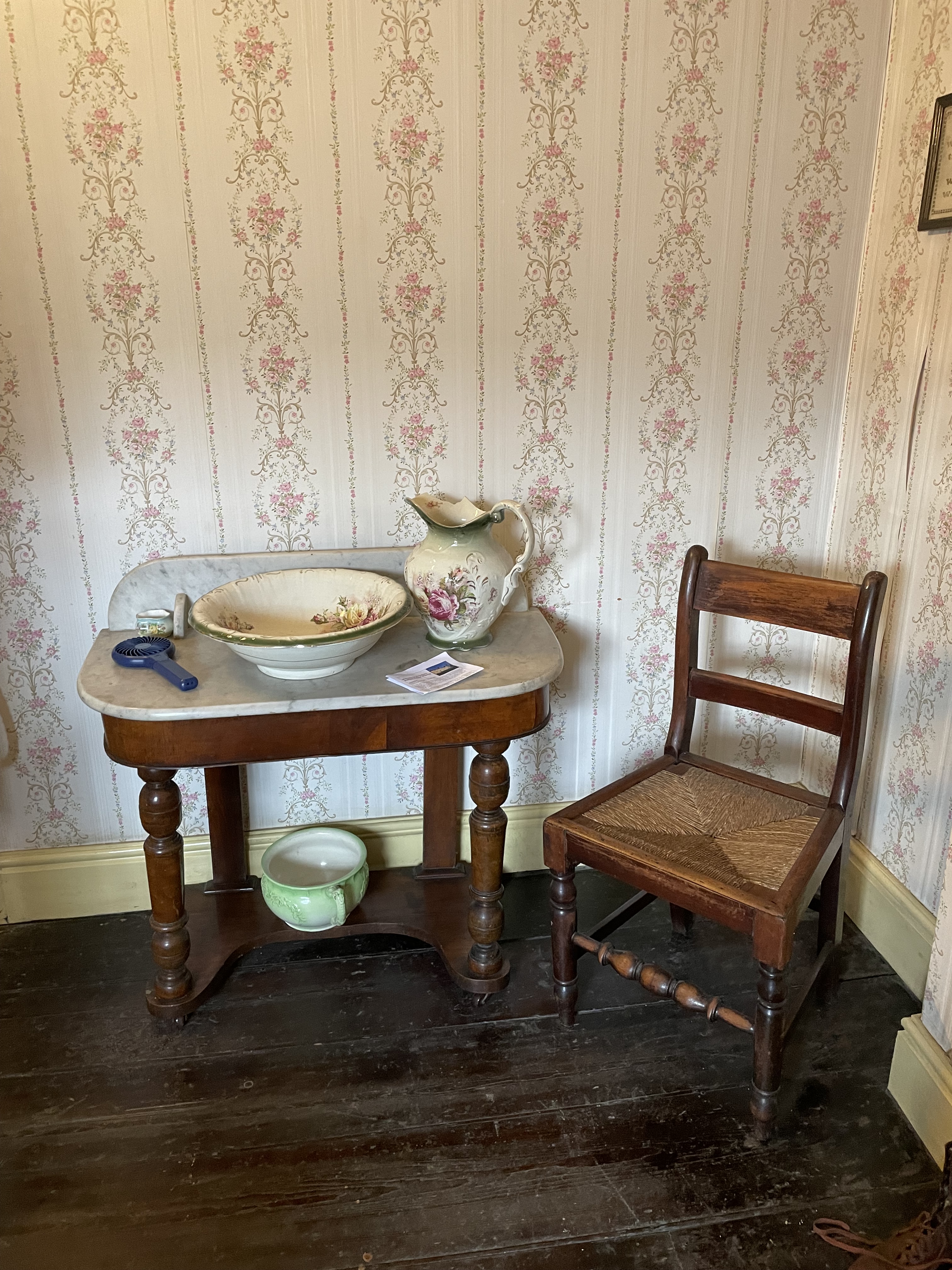
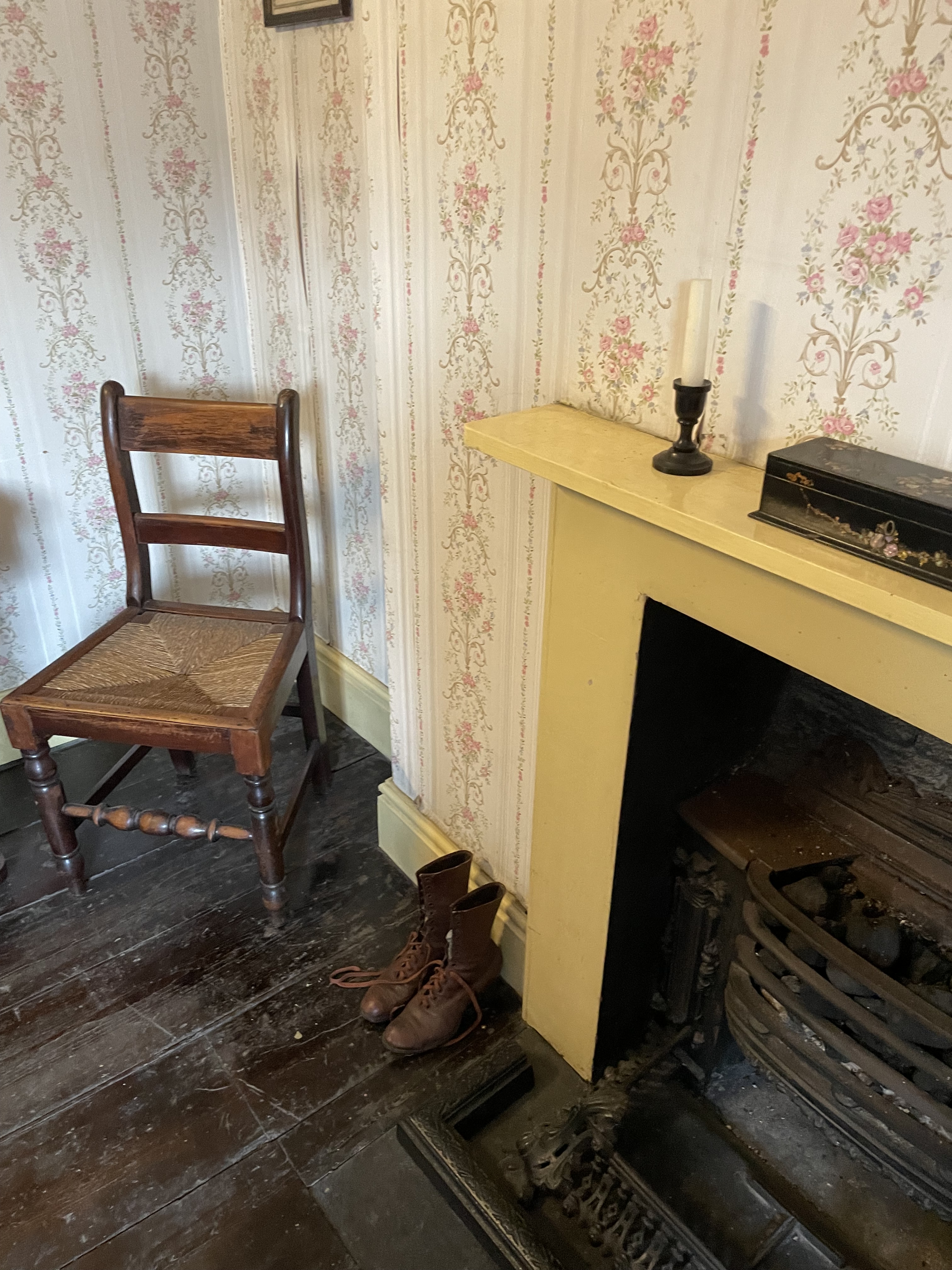
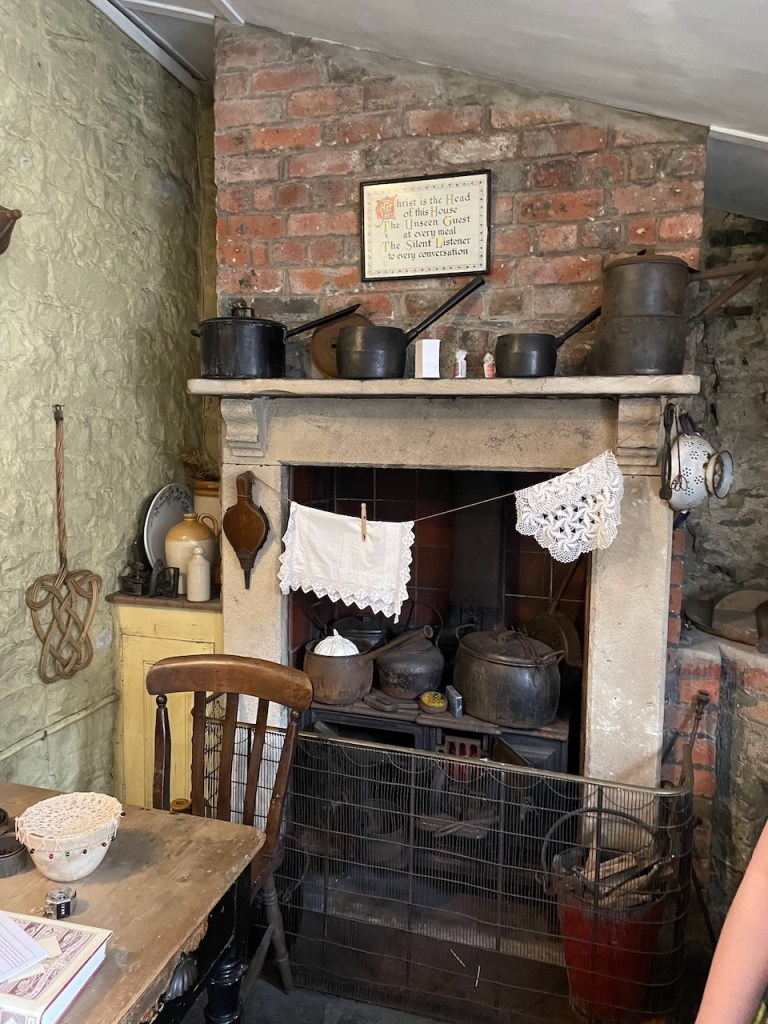
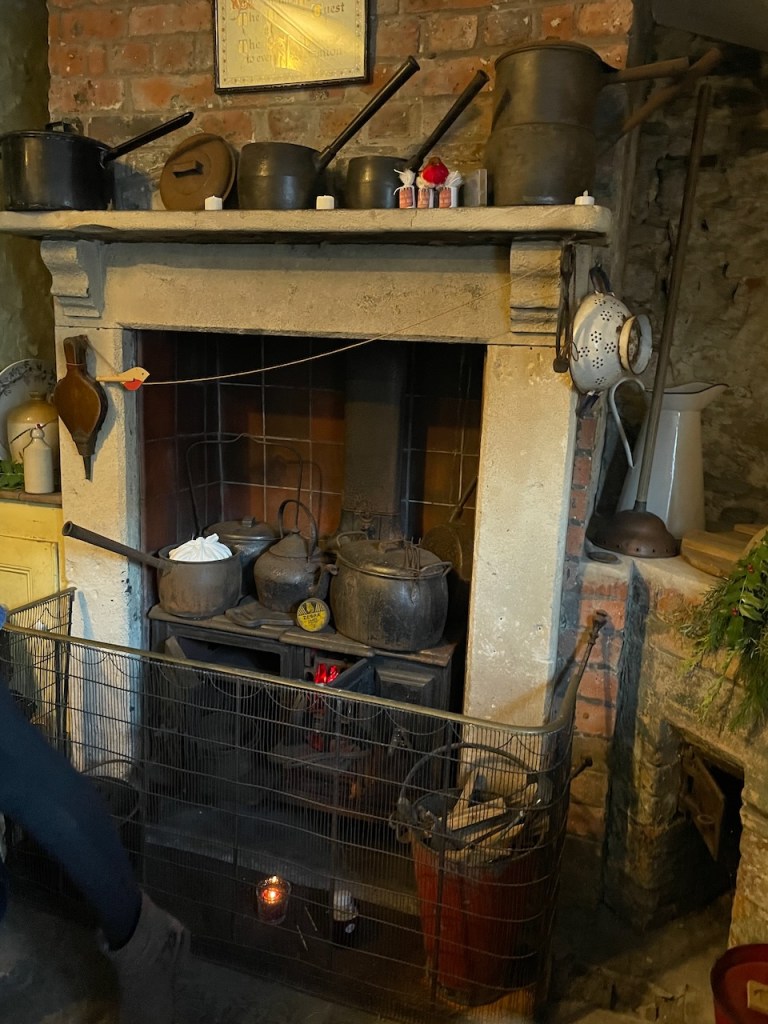
So, three years ago, I finally did make the time to go along and look around the beautiful, if compact, 34 Faringdon Road – the Railway Village Museum, that captures a moment in Victorian life in the Railway Village. The layout, though it is earlier than the date of my books, was still inspirational. For instance, I visited at Christmas and paperchains hung around the room, and of course they were using open fires as my families would have, and old stoves, as well as tin baths, and outside toilets. Seeing things in real life, feeling them and hearing them, does help a writer to bring things to life in words. 

I have included a few photos so you can see what a perfect little time capsule of a museum this is on the inside. This gallery of pictures from the ground floor. The cottage is the layout I have used for Maggie’s family in the Great Western Railway Girls.

These images are from the ground floor, there are two original rooms on the ground floor of the foreman’s cottage and a lean-to extension that incorporated the outside water pipe and created a kitchen.
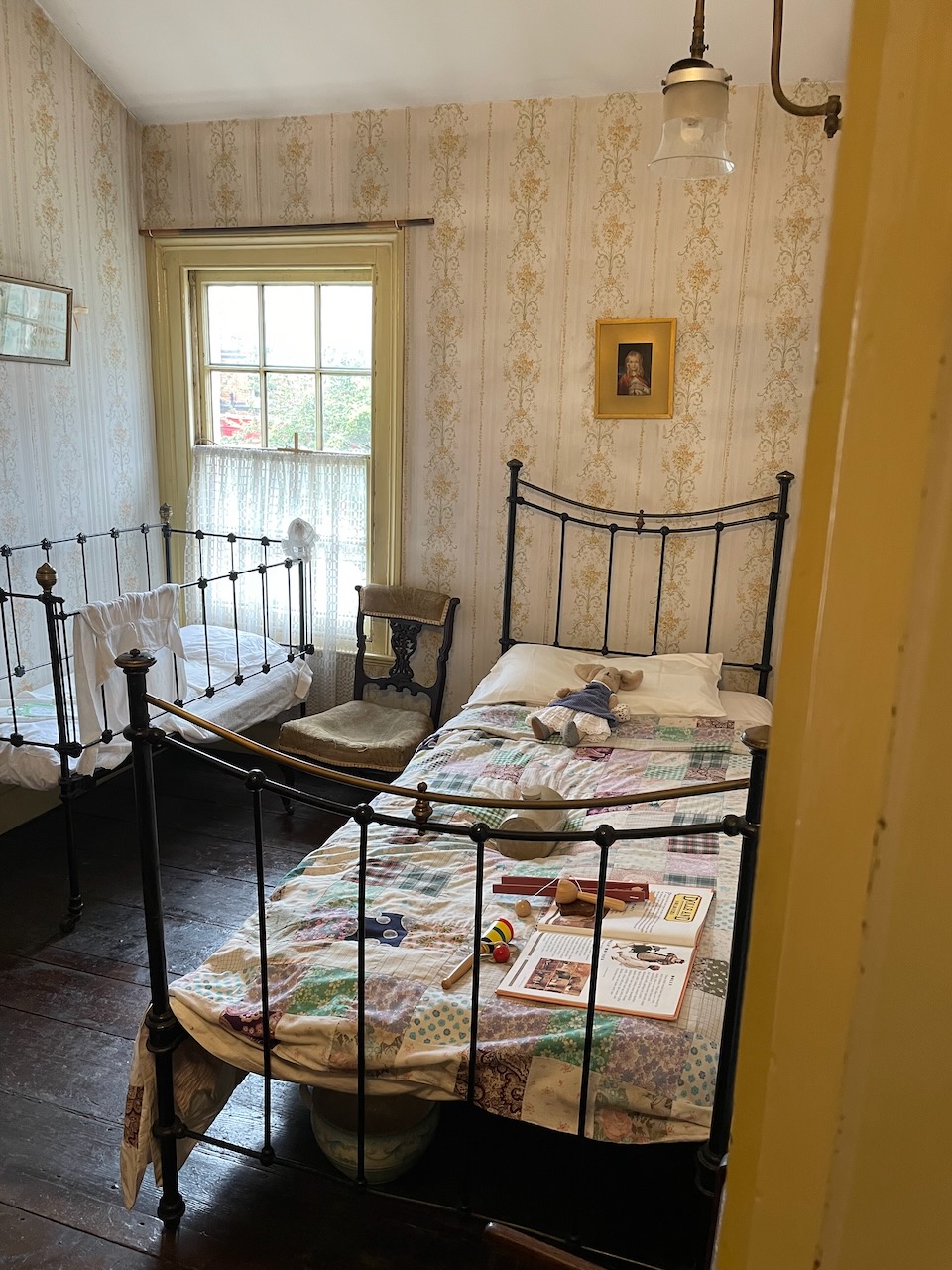
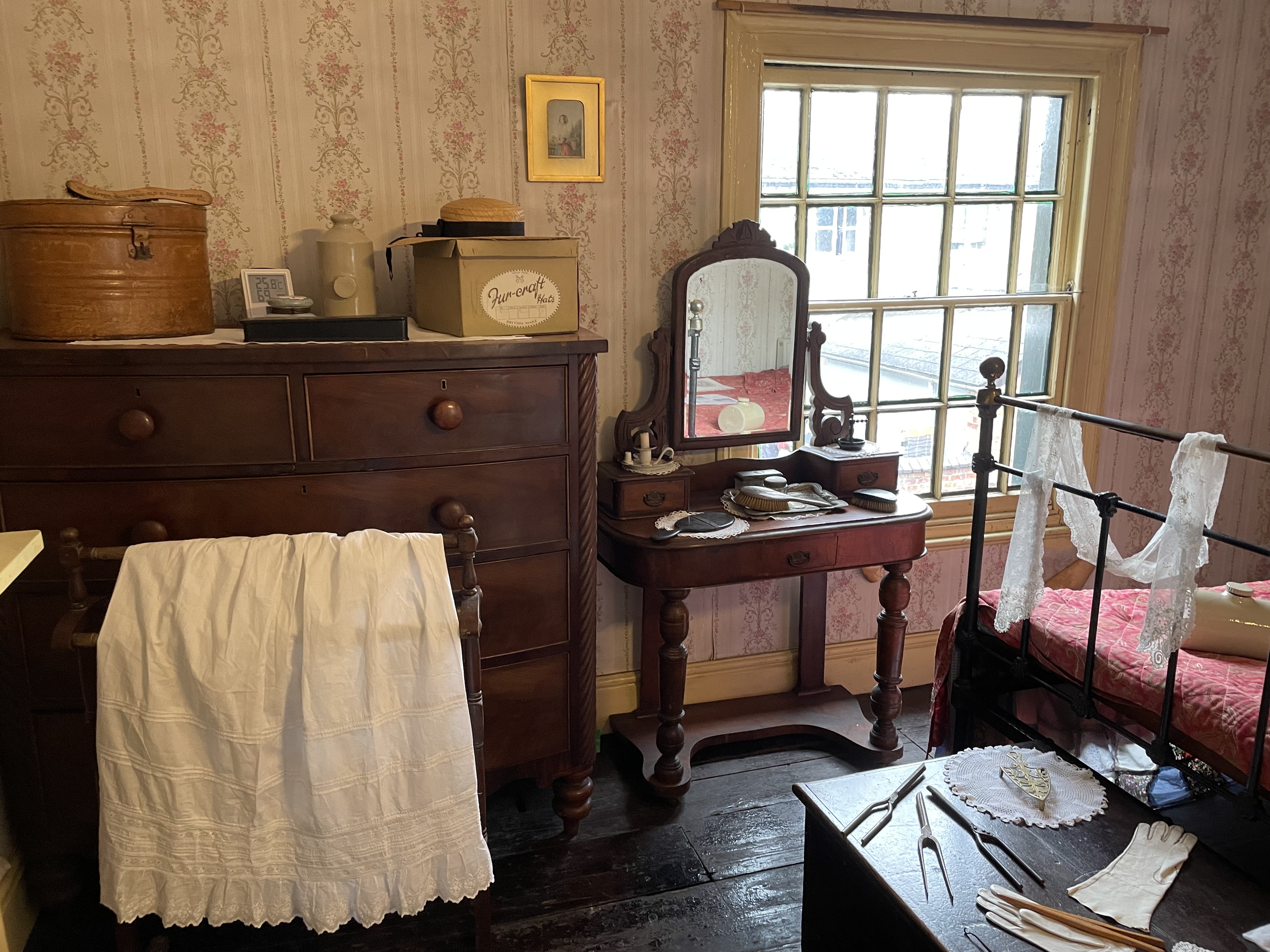
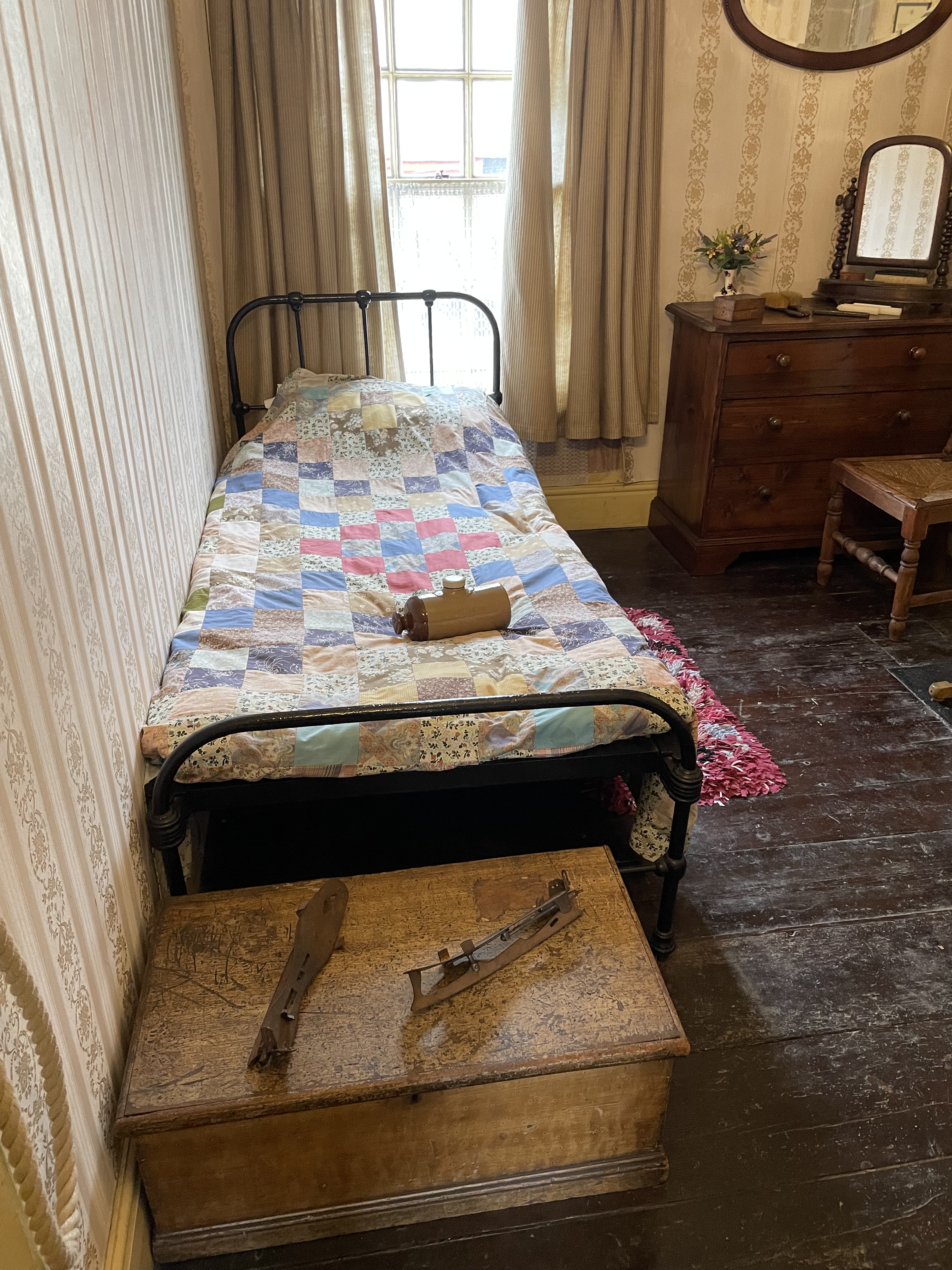
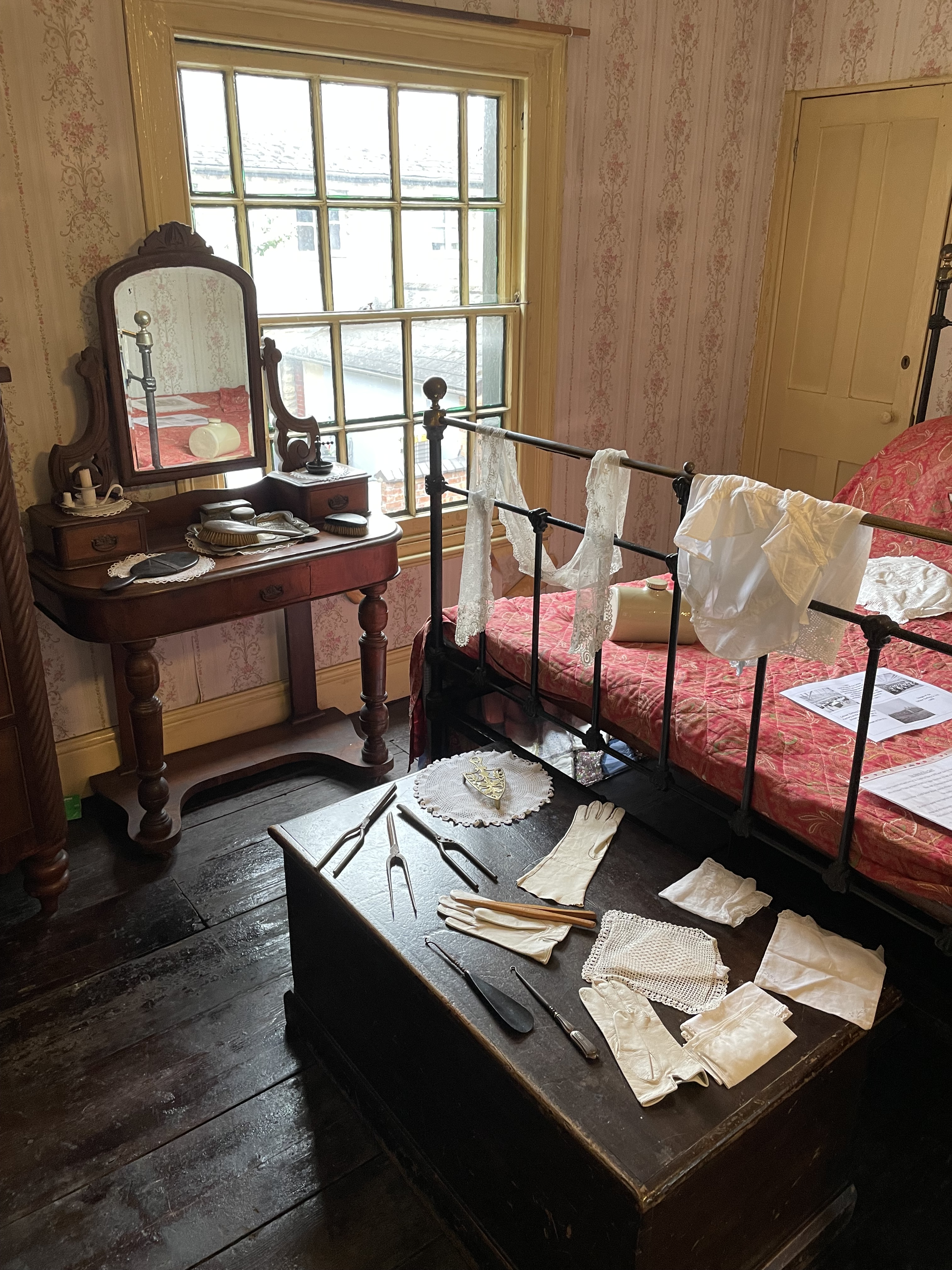
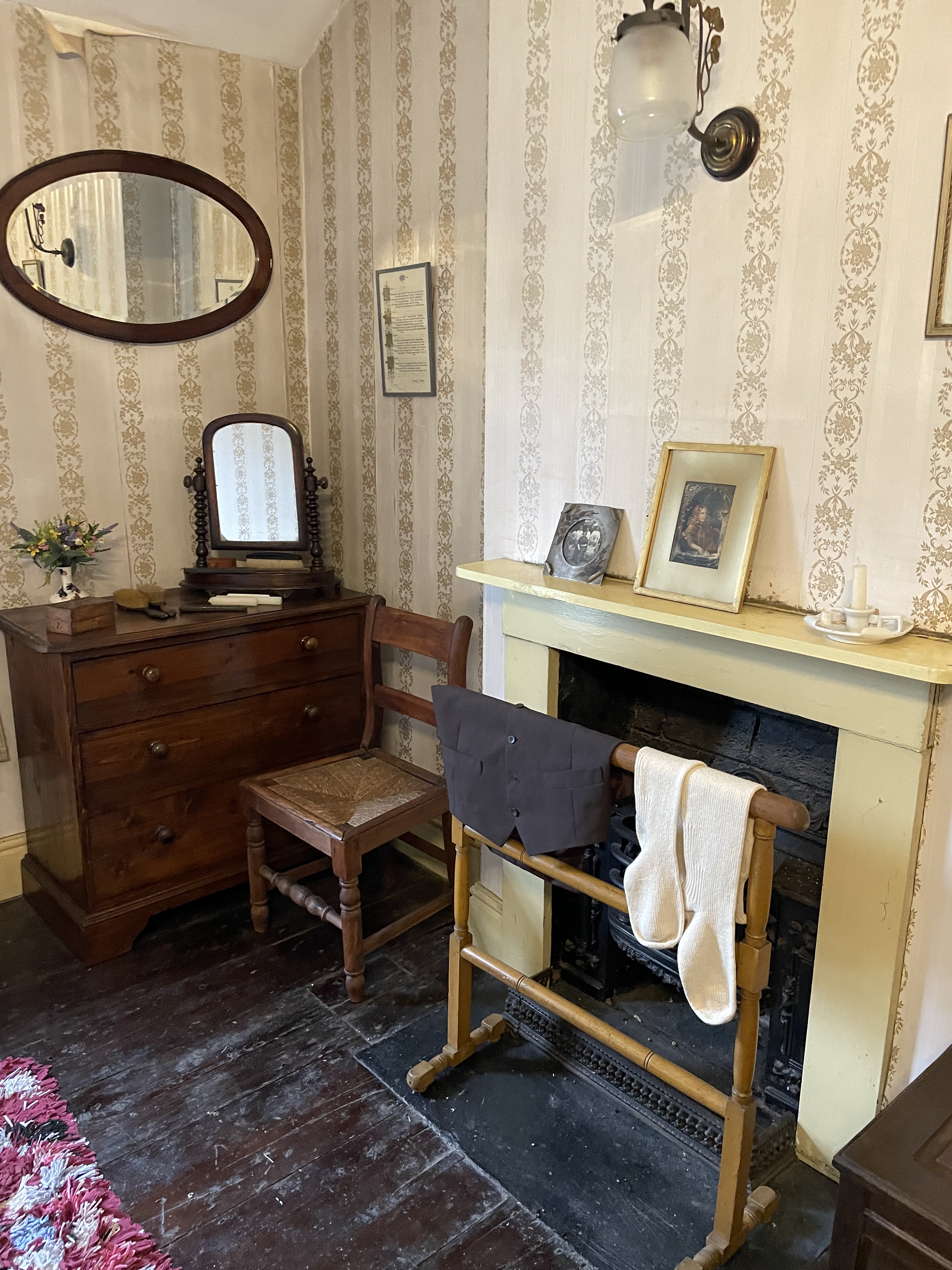
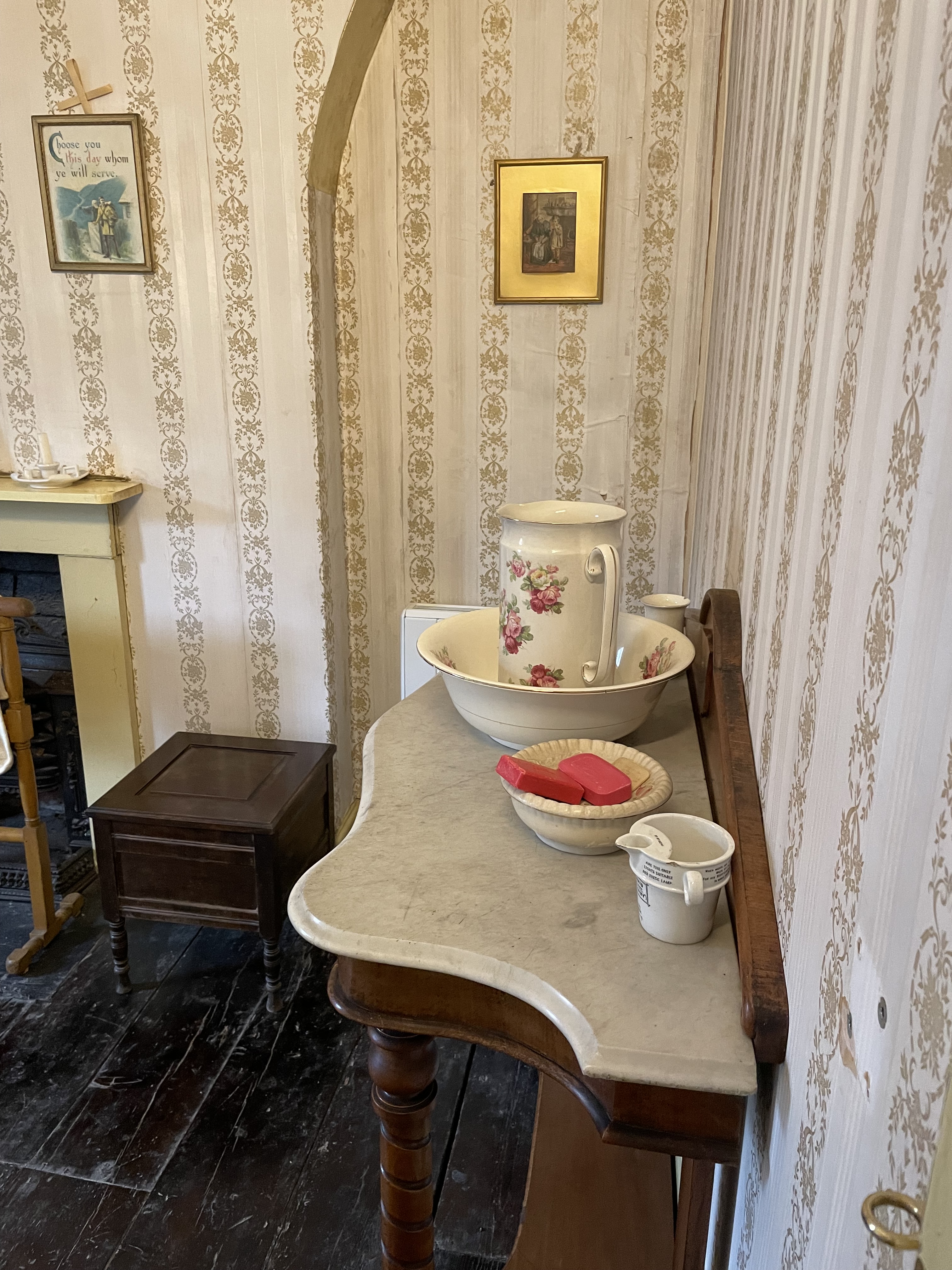
The below images are from the upstairs room. The foreman’s cottages have three bedrooms. It was a frequent reality that people rented out rooms, as Violet’s mother does in my story, to bring in more money.
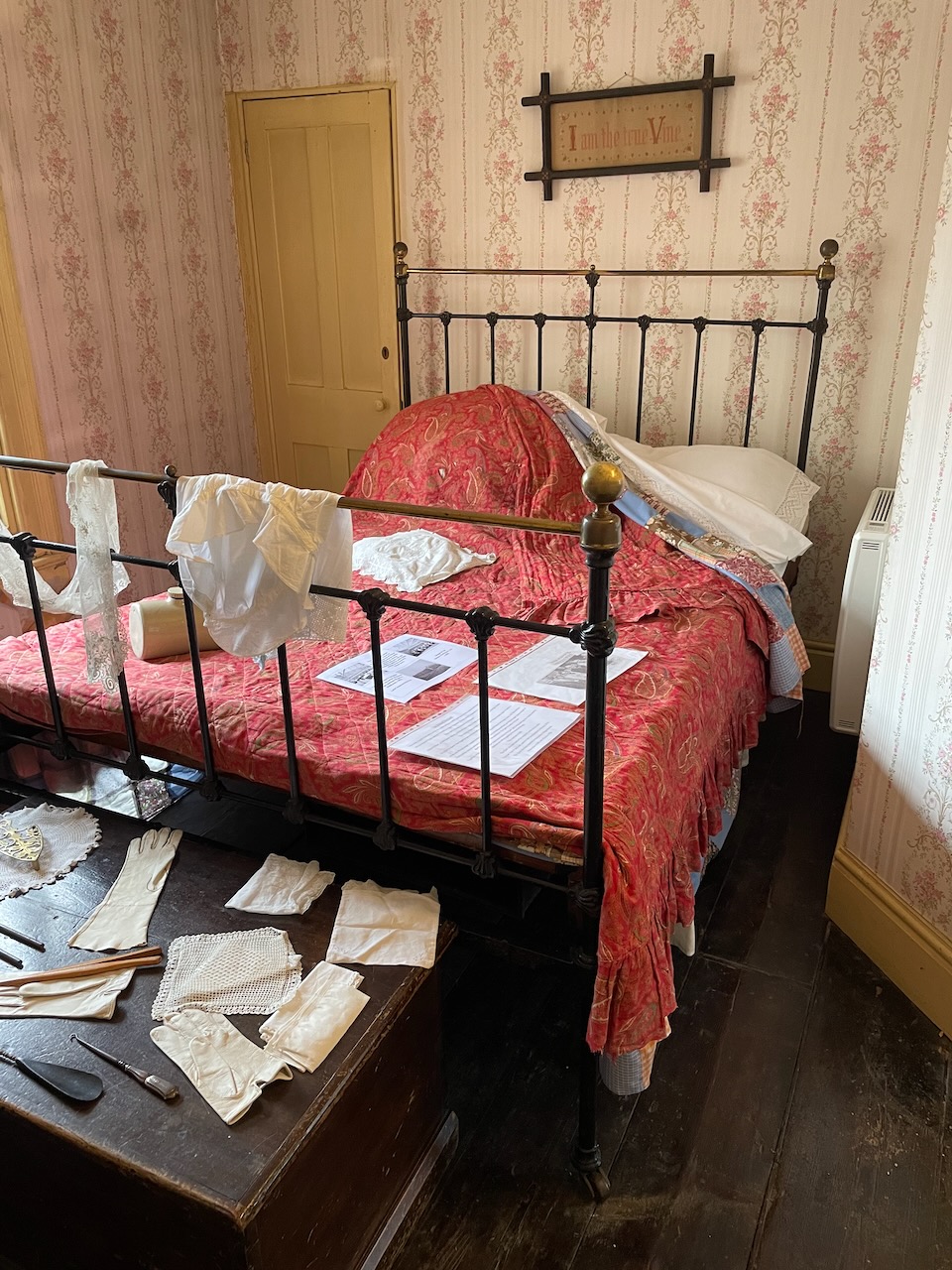
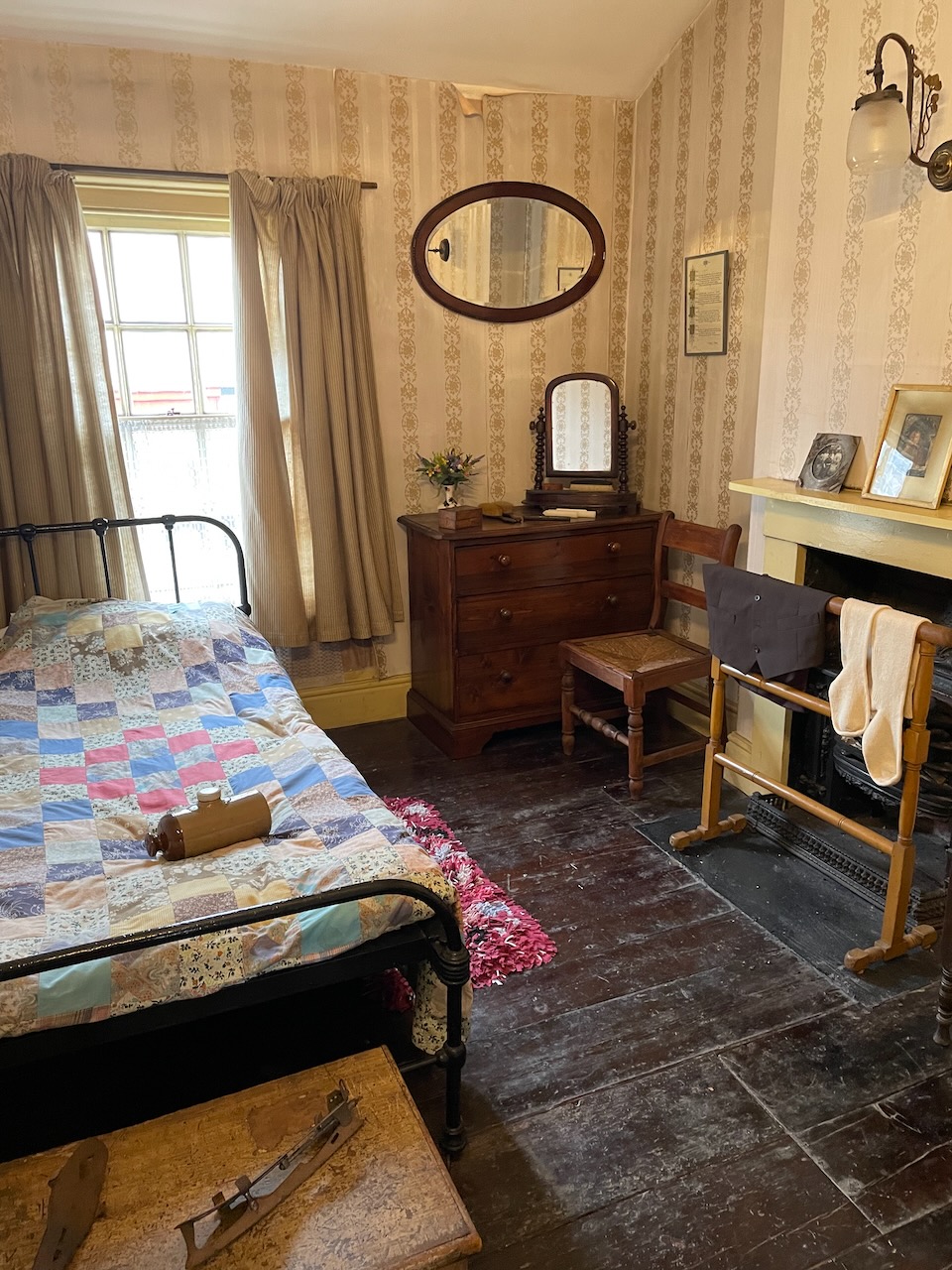
As you can see it is such a little gem of a museum, and a wonderful inspiration.
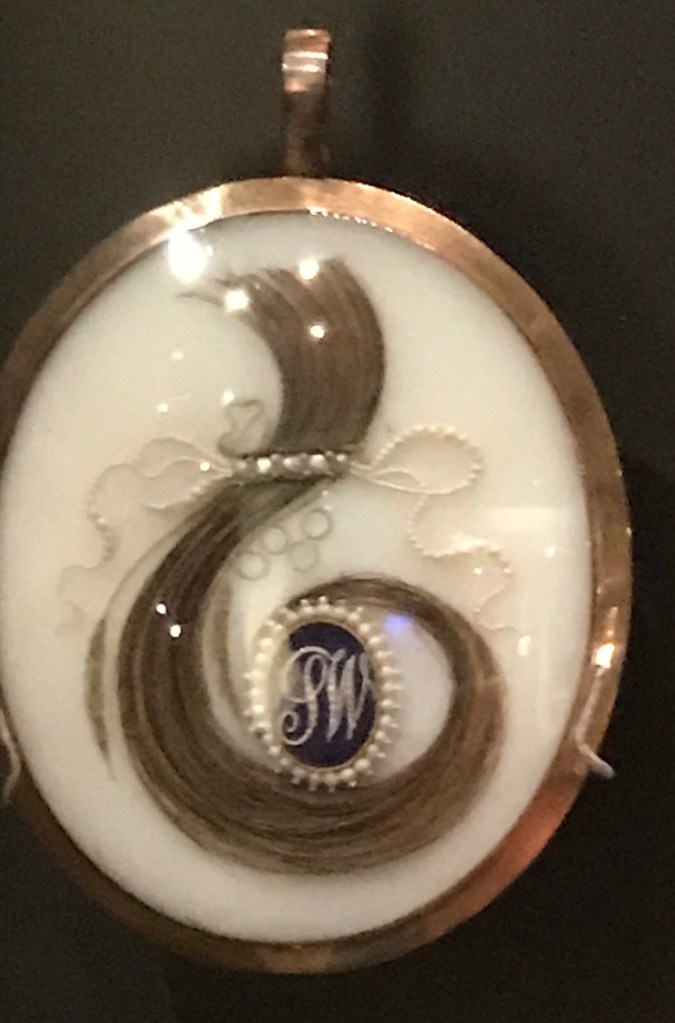
Macabre or beautiful? ~ mourning treasures

I’m going backwards again and sharing another inspiration behind the story of Entangled. I mentioned yesterday, my leaning toward the macarbe (it is definitely no wonder that I’ve ended up moving into writing thrillers). Like I said, I’d prefer to stand on Lyme Regis harbour wall watching a threatening, storming sea thrashing the stone wall, than laying flat on a sunbed on a tropical beach.

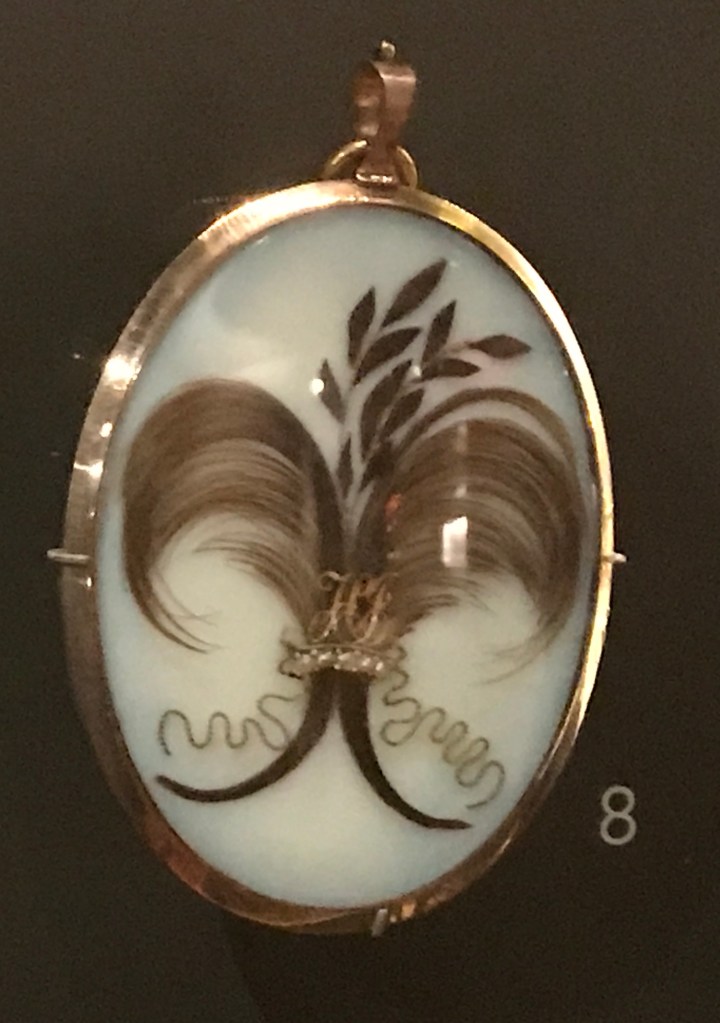
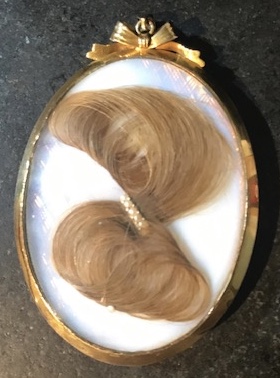
So the fascination I have with antique mourning jewellry shouldn’t really come as a surprise. Although, I don’t think I’ve shared that on my blog before. By the time of the regency period many people wore jewellry with an artfully placed lock of hair held in place by glass, to remember a loved one. It might be to remember a living person, but more often it was to remember someone who had passed. It may sound strange today, but it’s not really, they didn’t have a stack of albums or computer folders full of photographs. Perhaps they had a minature portrait, it they were lucky, often just one. Employing artists was a more expensive luxury than jewellry. There were more jewellers than artists because you can’t just learn to be a painter who can precisely capture someone’s appearance as you can learn to manipulate metals, there has to be some rarer natural skill. Therfore, a jeweller’s time was less expensive than a good artist’s. The phrase ‘paying an arm and a leg’ for something comes from the fact that a full portrait was expensive and most people, even the upperclass, would only pay for the head and shoulders. But also, someone’s hair means you retain a part of their presence.

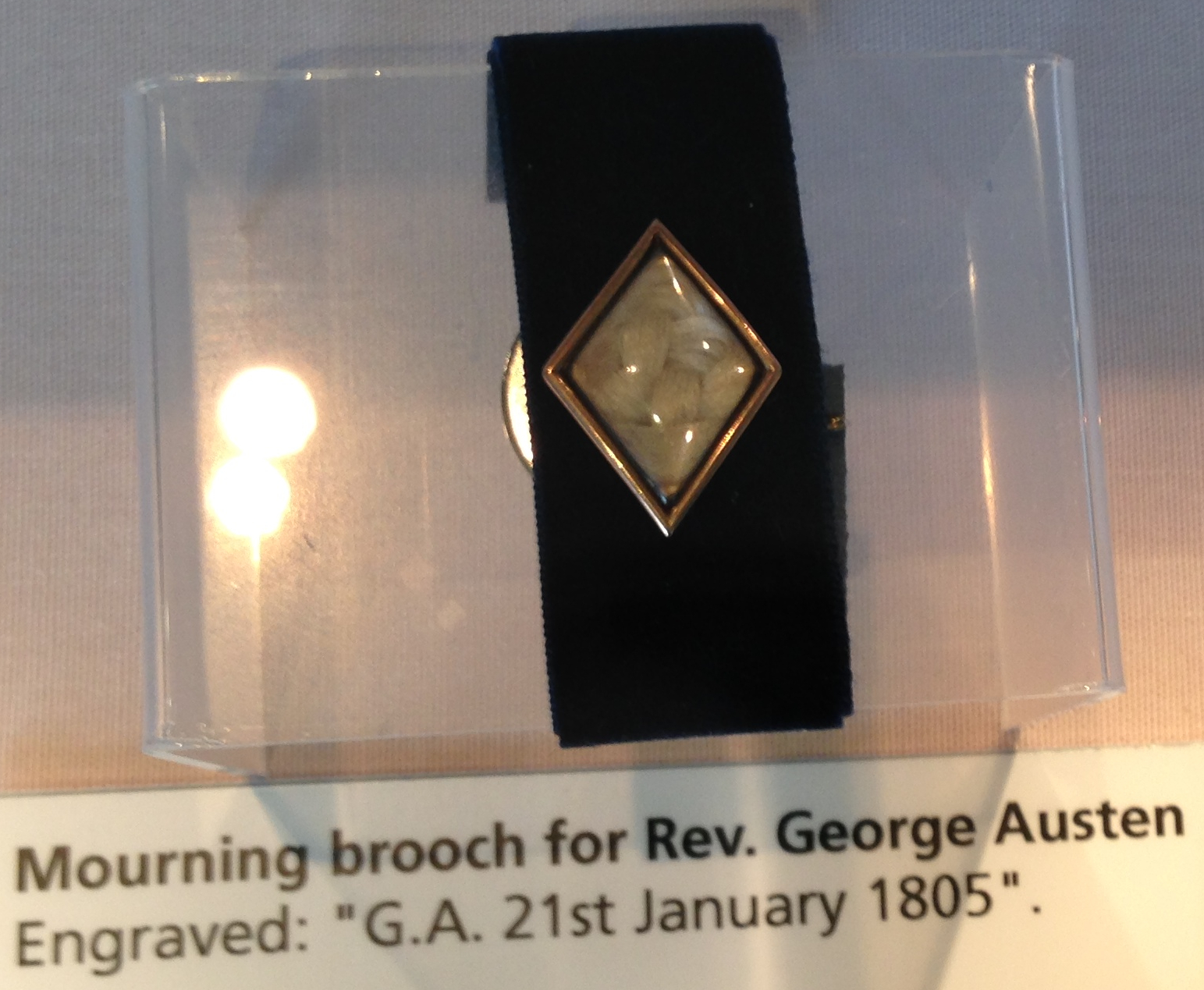
There’s a mourning brooch at Jane Austen’s cottage museum at Chawton containing her father’s hair. If you look out for peices of jewellry in museums and antiques shops, you’ll see a lot, and some, like those in the heading images are really beautiful. I think it’s brilliant. I imagine people regularly looking at their pieces or touching them, rubbing a finger or a thumb over the glass as they think of their missing loved one. It would bring the memories and the good emotions back. Wearing a brooch or a ring with a loved one’s hair inside, meant you always had a part of the person with you.

Of course, because I love mourning jewellry, I had to weave it into the story of atleast one book ( 😉 ). Remember also that last week I told you about Ed Sheeran’s song Photograph, which is about a locket, inspiring aspects of Entangled. James, one of my Wickedly Romantic Poets, is a lover of keeping hair, and that is also an intergral part of the story which links the first book in the series to the last. He cuts a lock of Clio’s hair in the prologue of the Thread of Destiny, and he’s already wearing a ring containing the hair of his deceased mother.

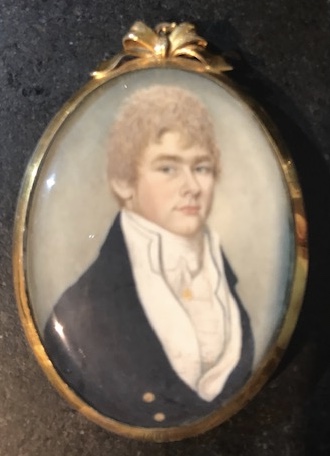
I have recently discovered that I have dyspraxia as well as dyslexia and the way my mind works perhaps makes a little more sense now, because I litterally look at a piece of mourning jewellry and my mind races with questions and the desire to see and know that person. So when I saw this minature with what I think must be a lock of his hair, I had to buy it. It makes the image of him more real, giving it a 3D context.

I’ve tried to find out who this gentleman is, without any luck unfortunately, nor can I tell who owned this, his wife, mother, lover … I don’t know. It must be someone who wanted to keep him close while he was distant, because I assume it was made when he was alive, due to the painting. But then the thing with not knowing is that I have to make it up, and that’s a joy and exactly where stories begin …

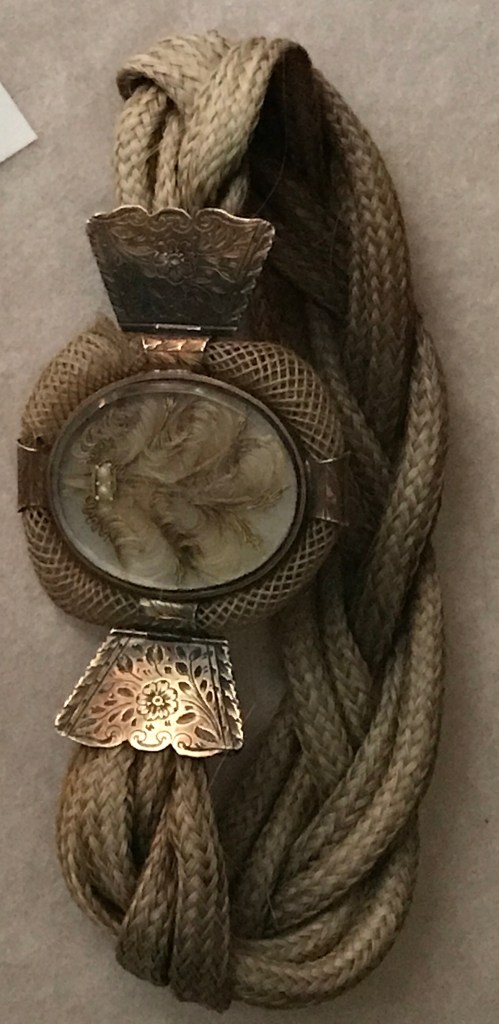
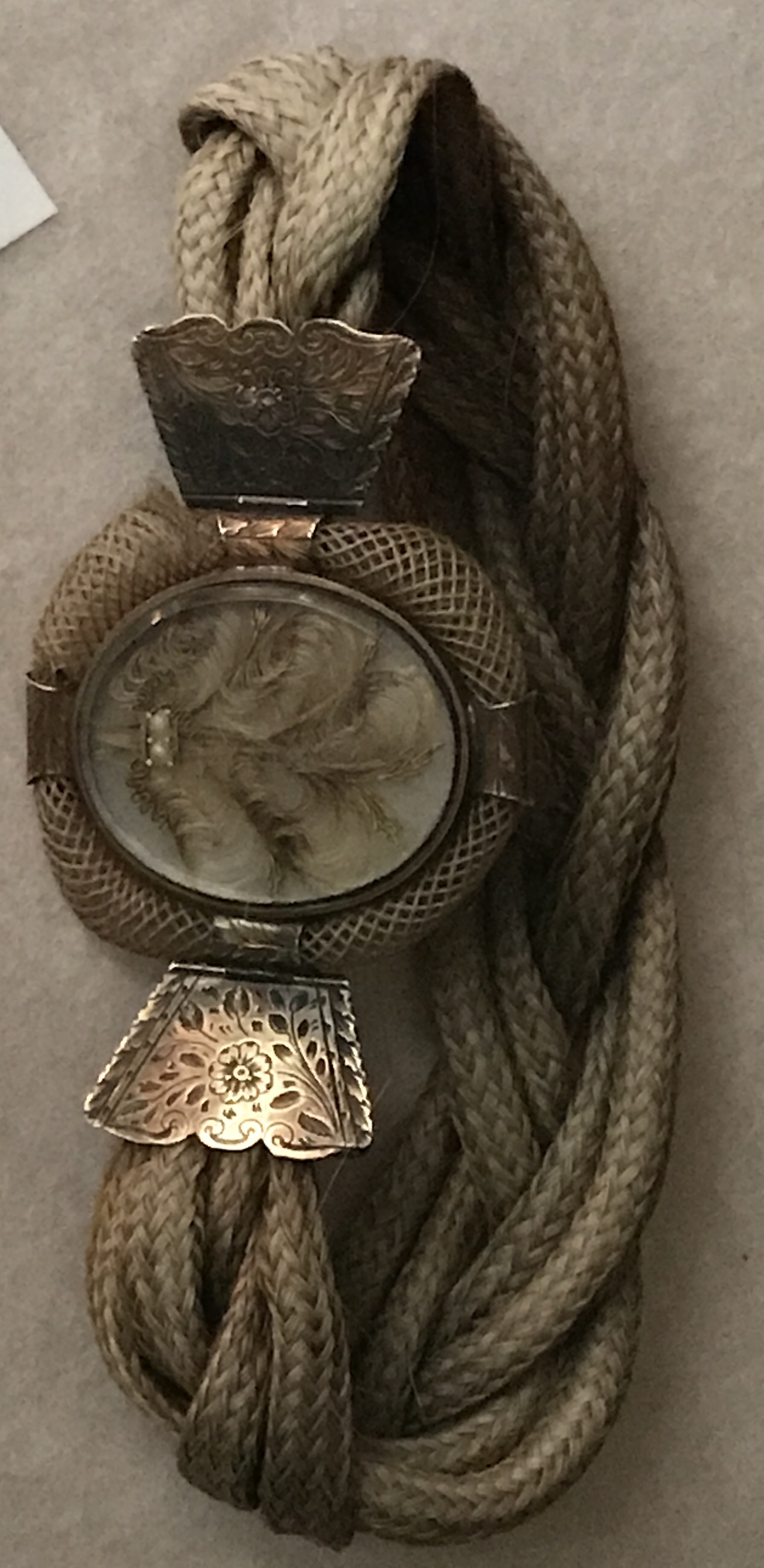
I didn’t say above, but this bracelt in Beatrix Potter’s cottage is not only displaying human hair, the actual braclet is woven peices of human hair.

Oh and one more cheeky fact before I end this post, I have said it before in my Scandalous Women posts, but I’ll share it again. Lady Caroline Lamb and Lord Byron shared pubic hair, so, I’m sure a lot of that went on too. I didn’t put that act of his in my poets novels, though. 😀

Inspirations for the Wickedly Romantic Poets Series

Share this: