As I said in my previous post, three of the things that lead me to ideas for books are people, places and pictures. Previously, I have told you about some of the people and two of the places, so let me carry on from where I left off and tell you about another place behind the GWR Girls series.
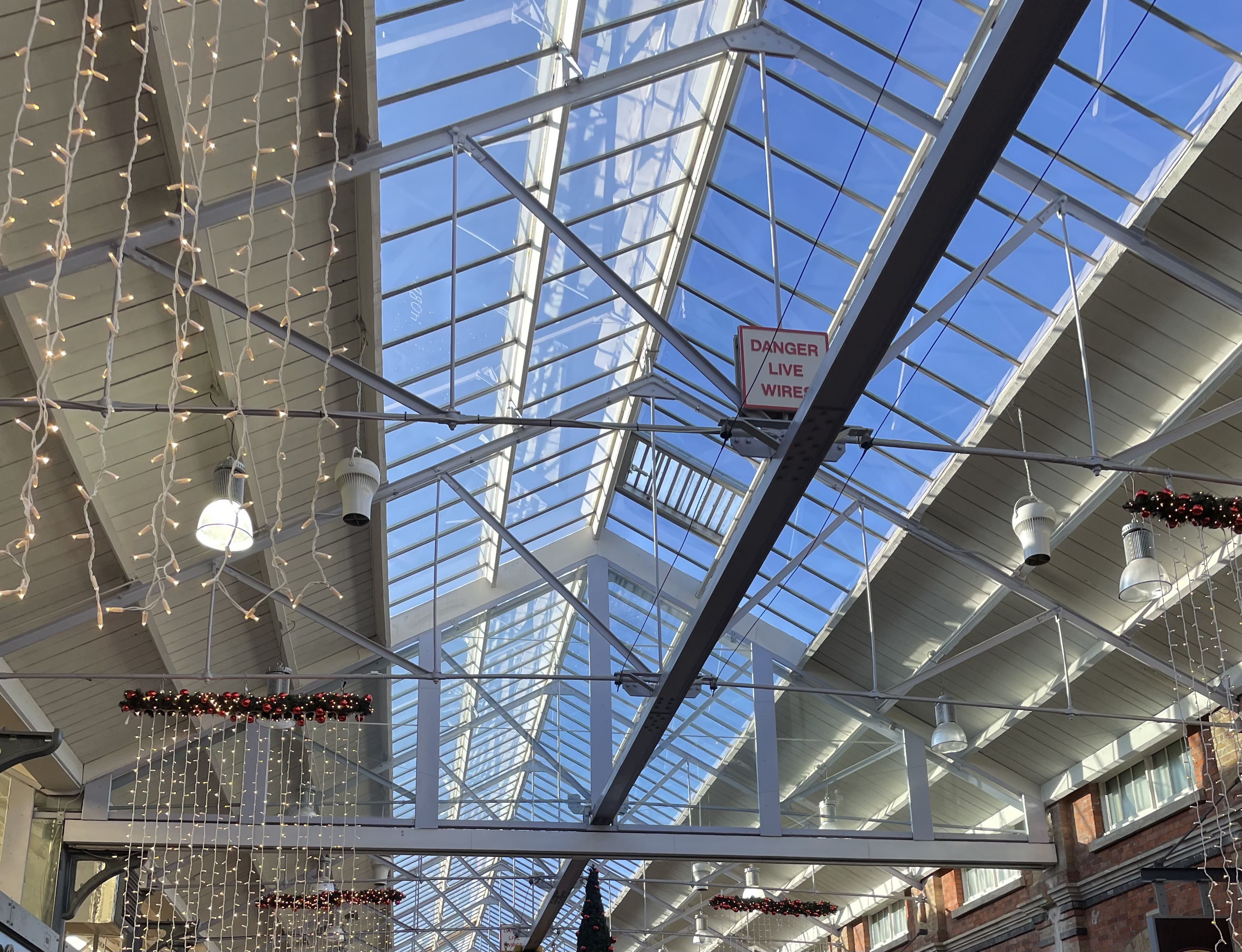
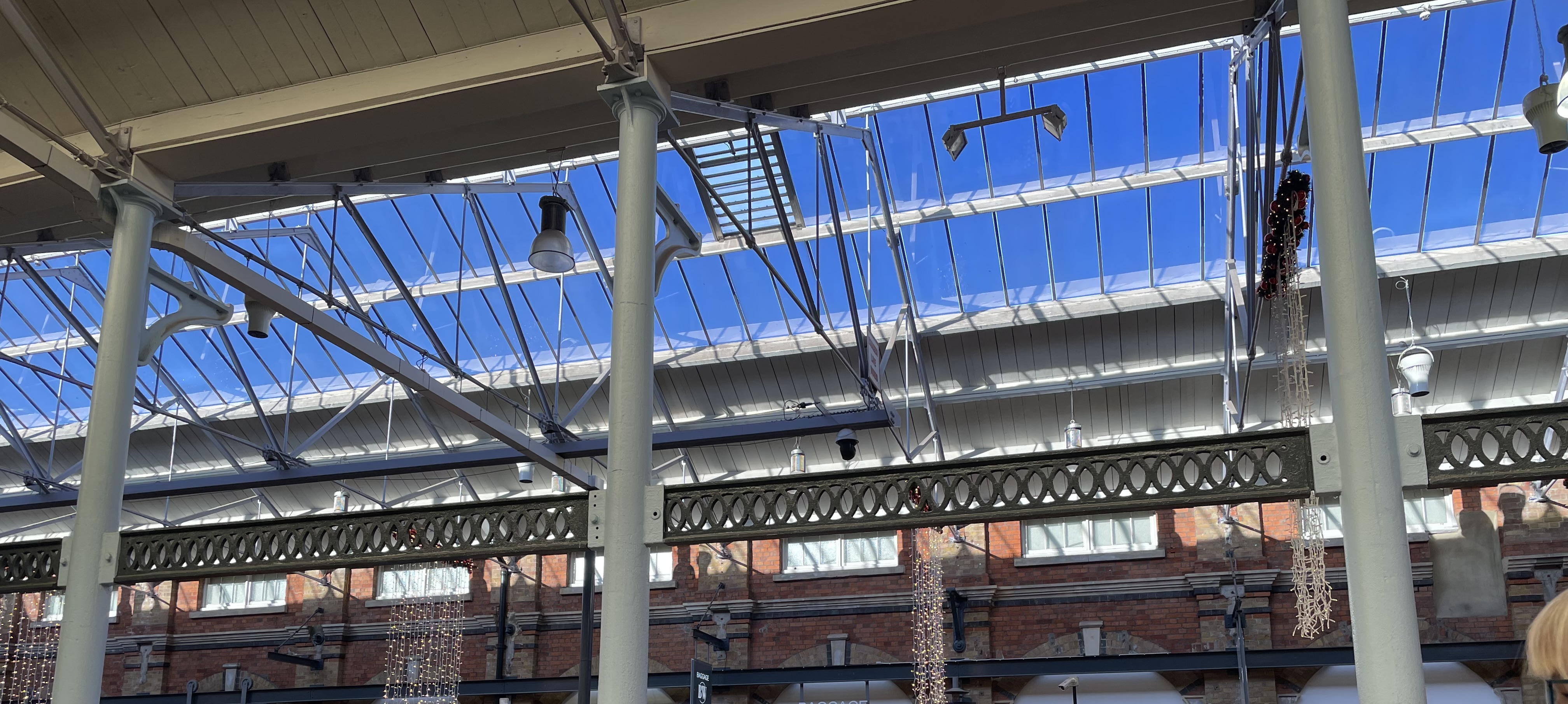
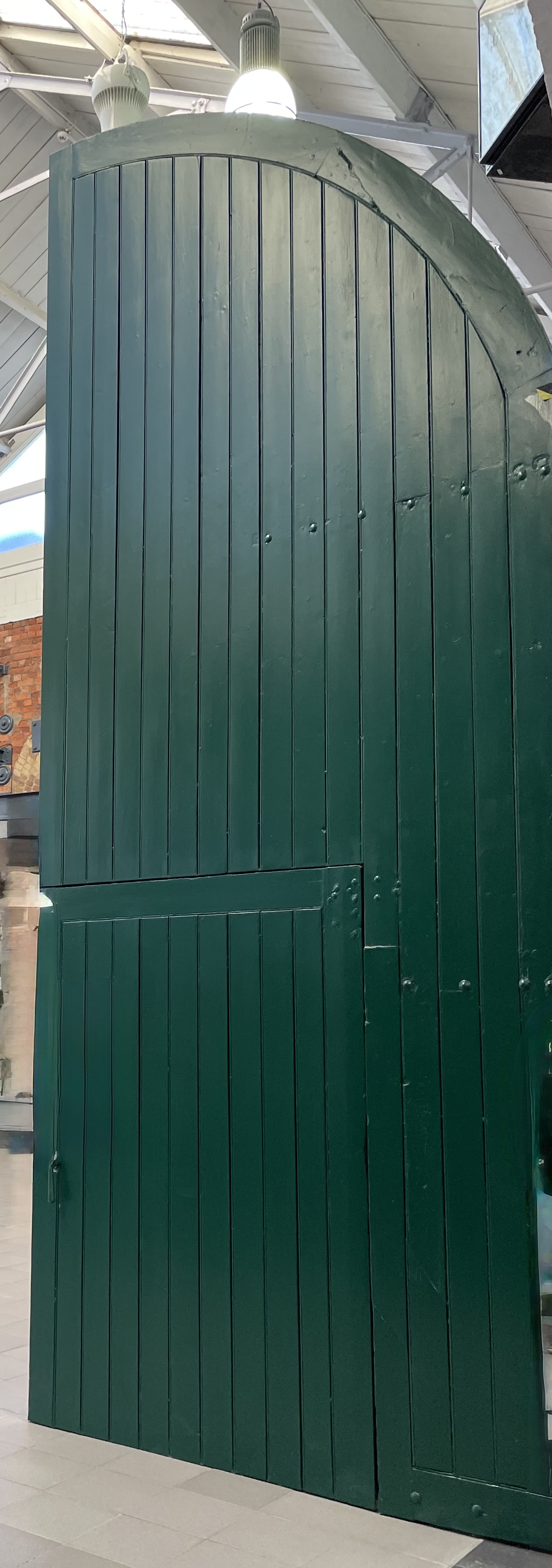
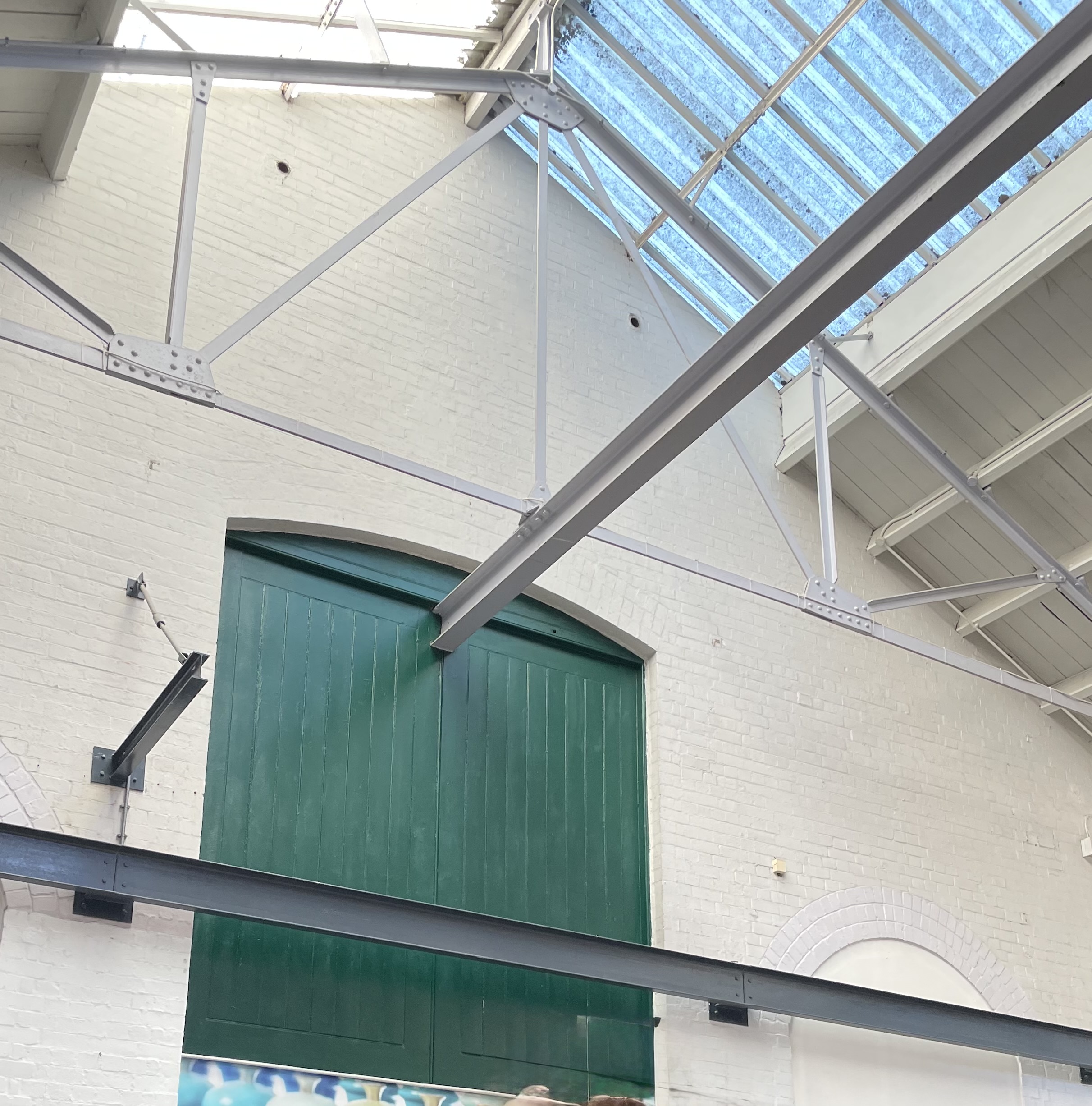
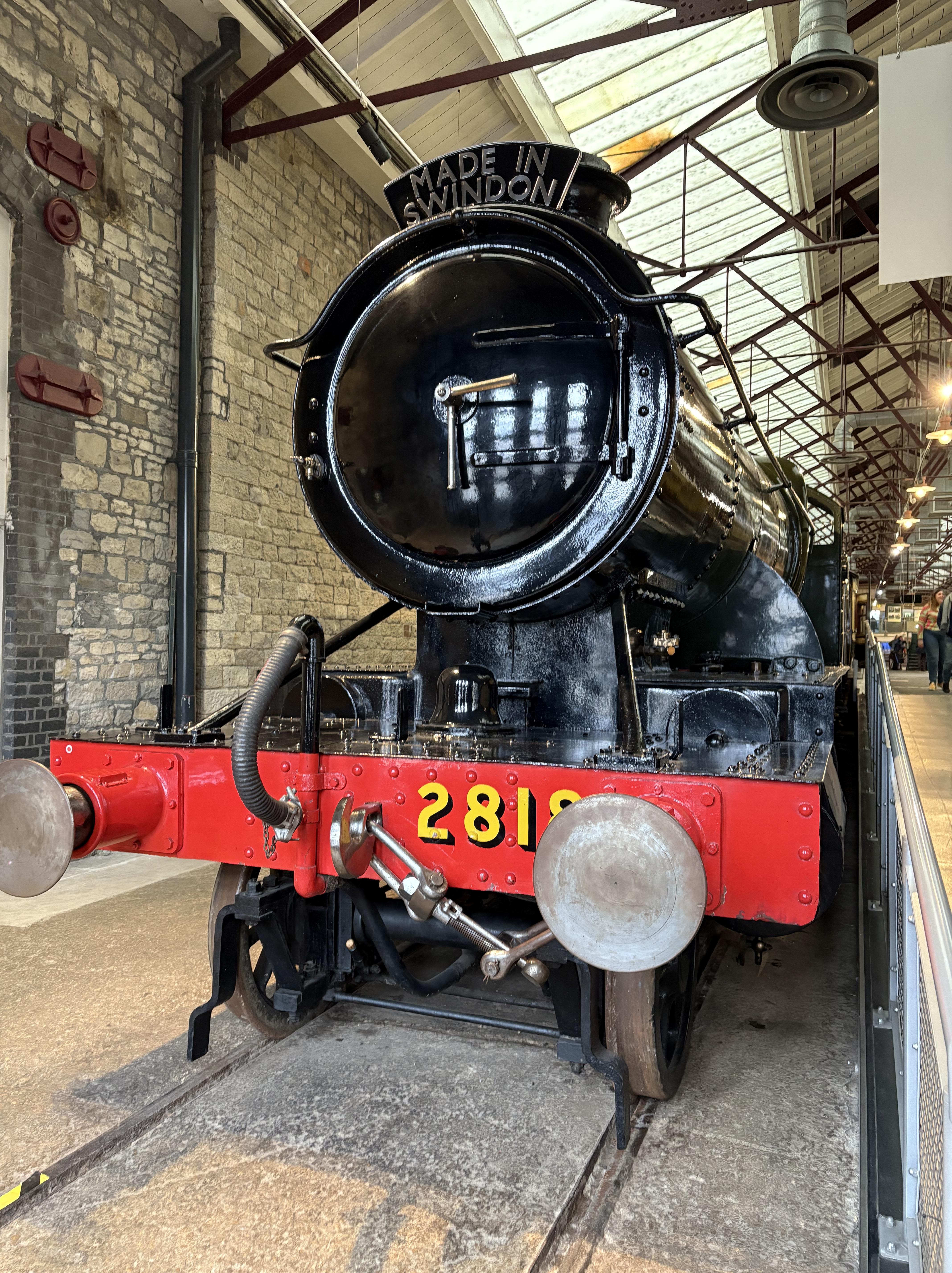
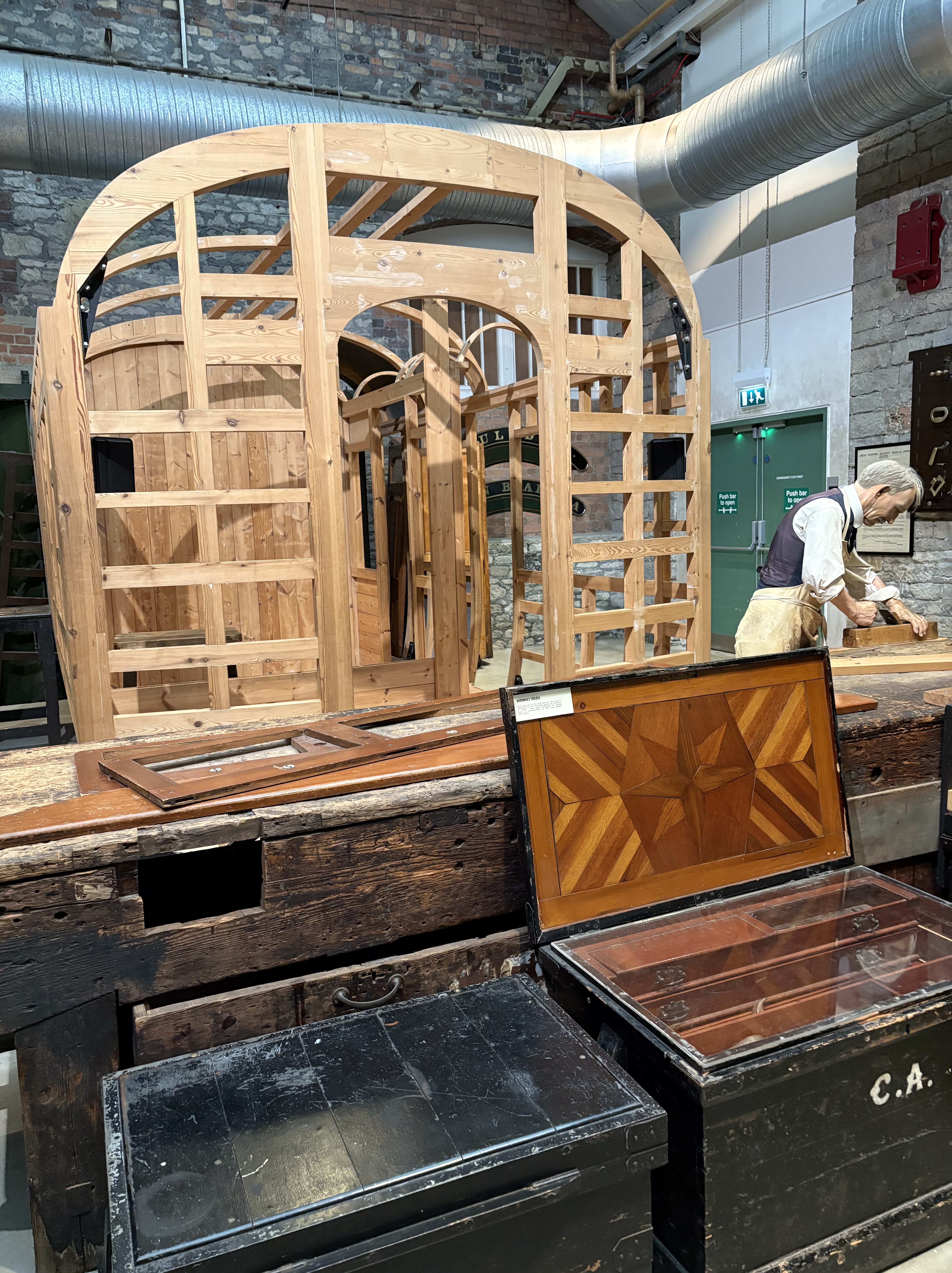
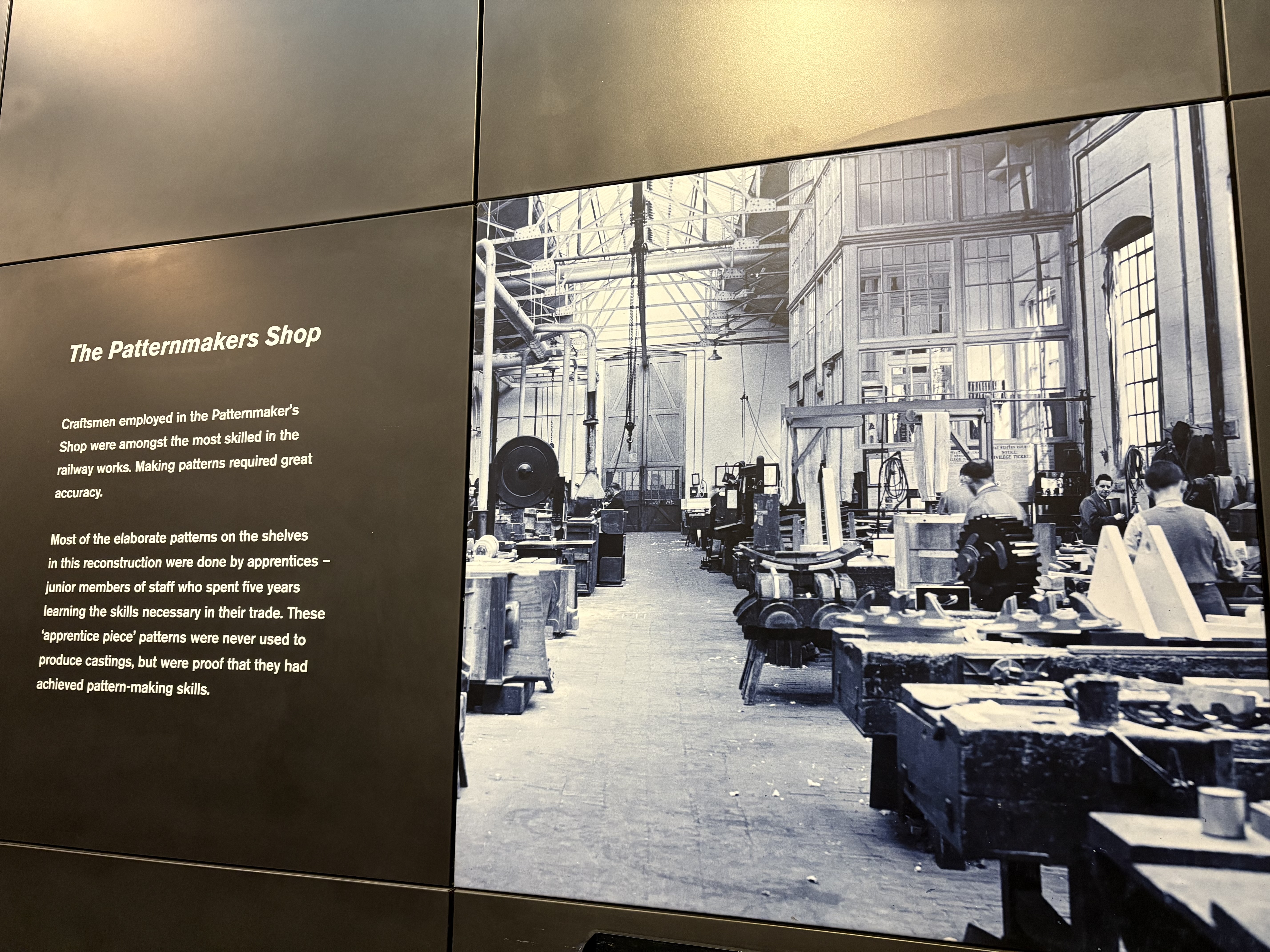
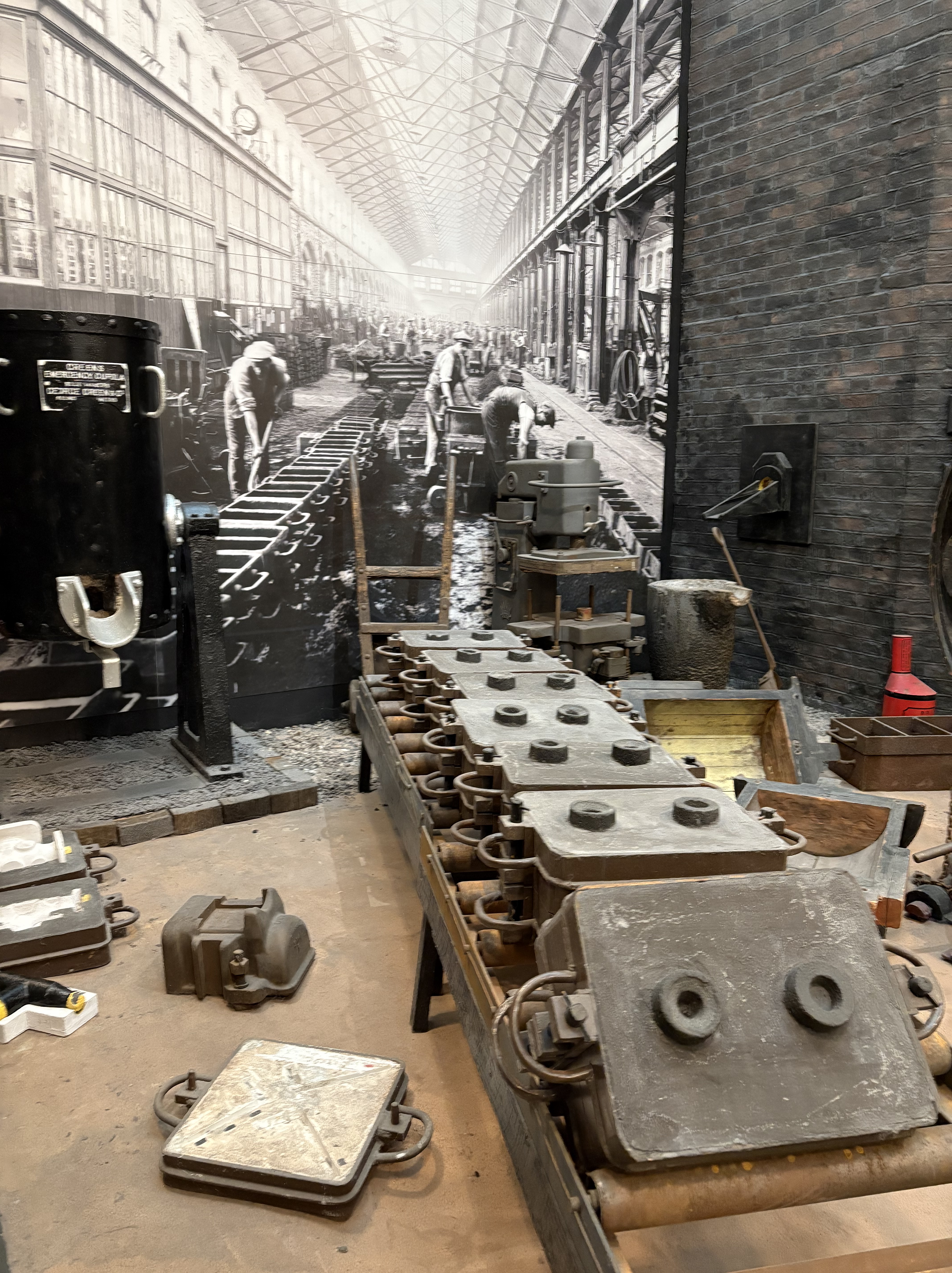
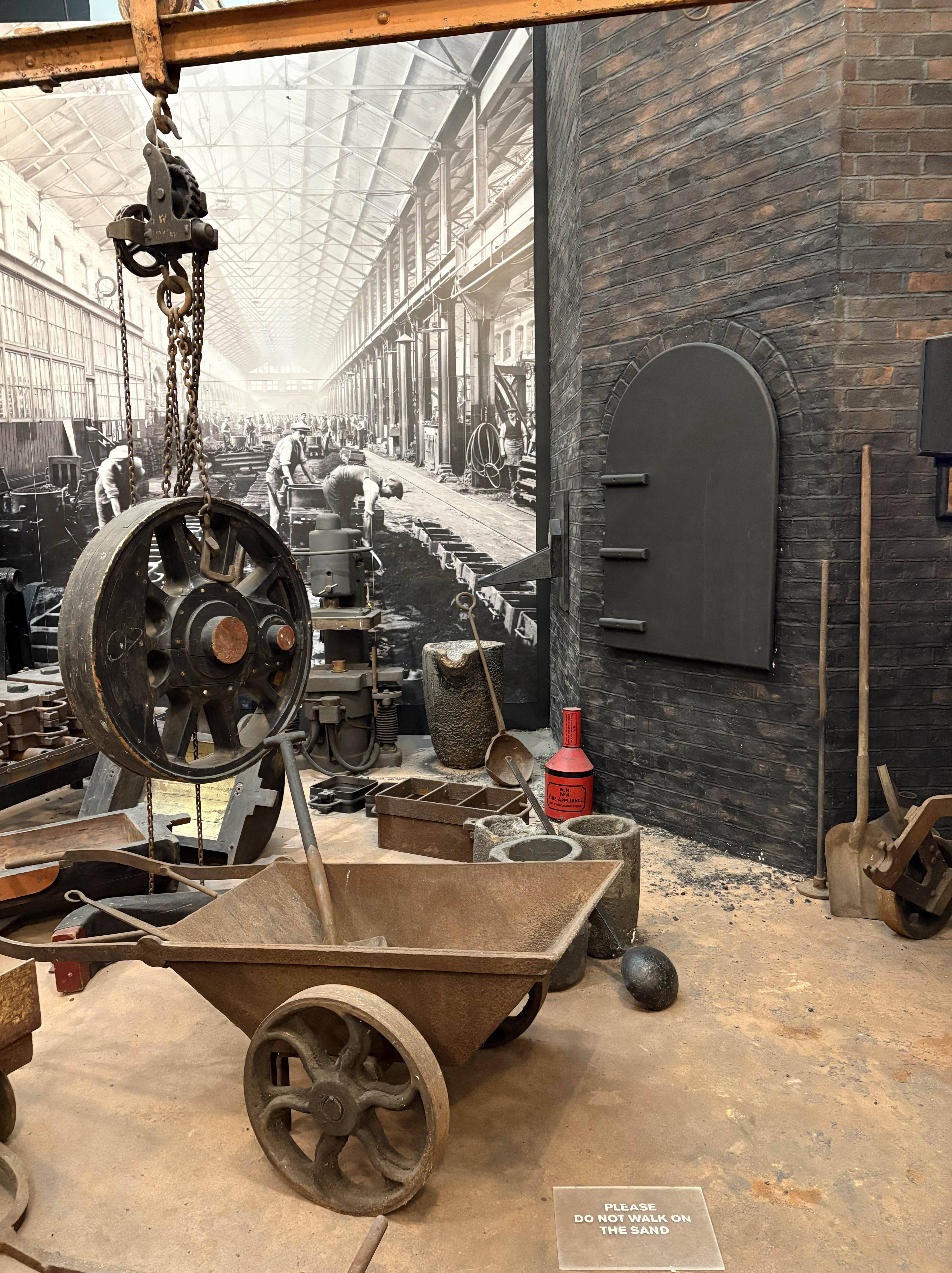
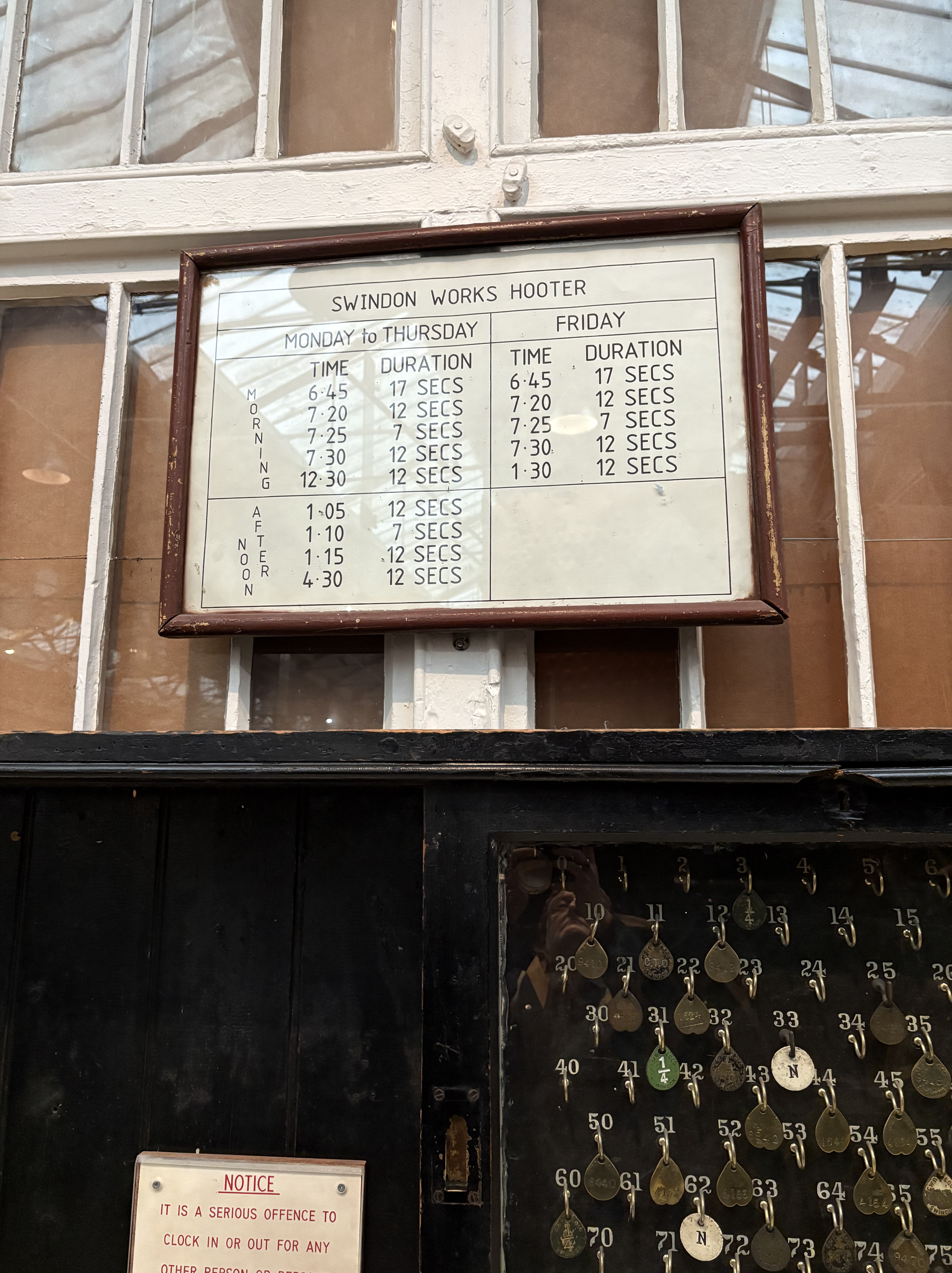
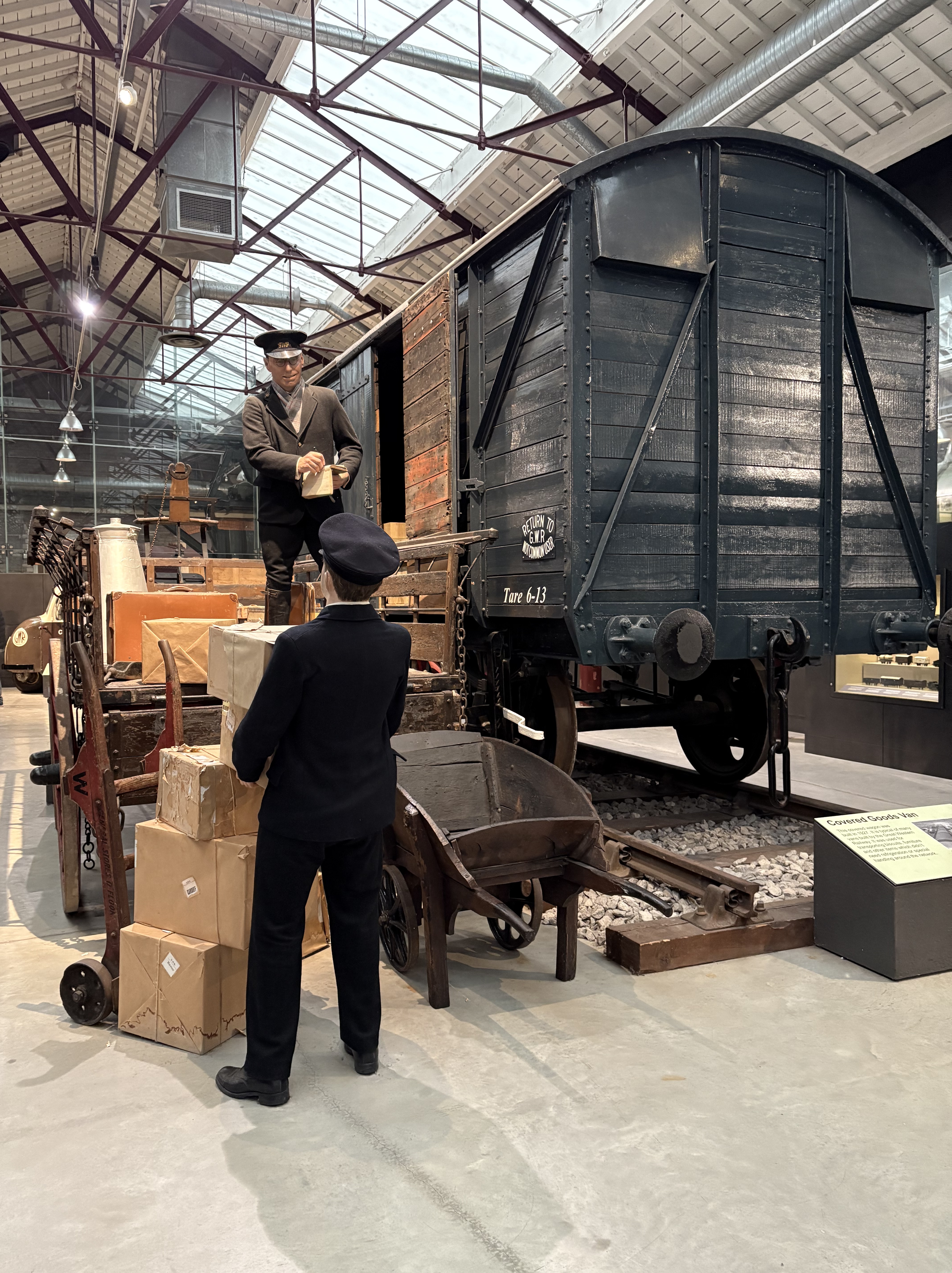
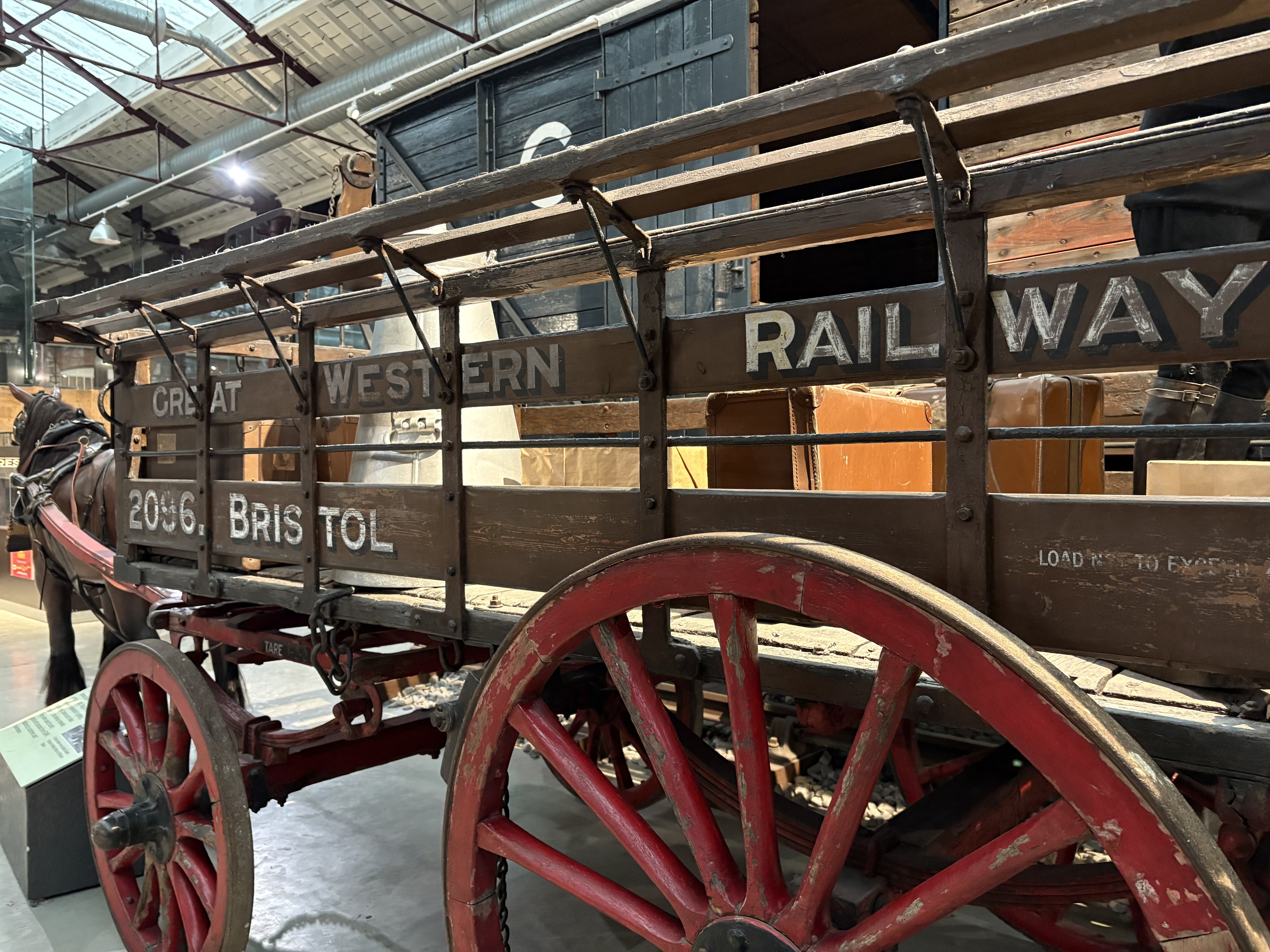
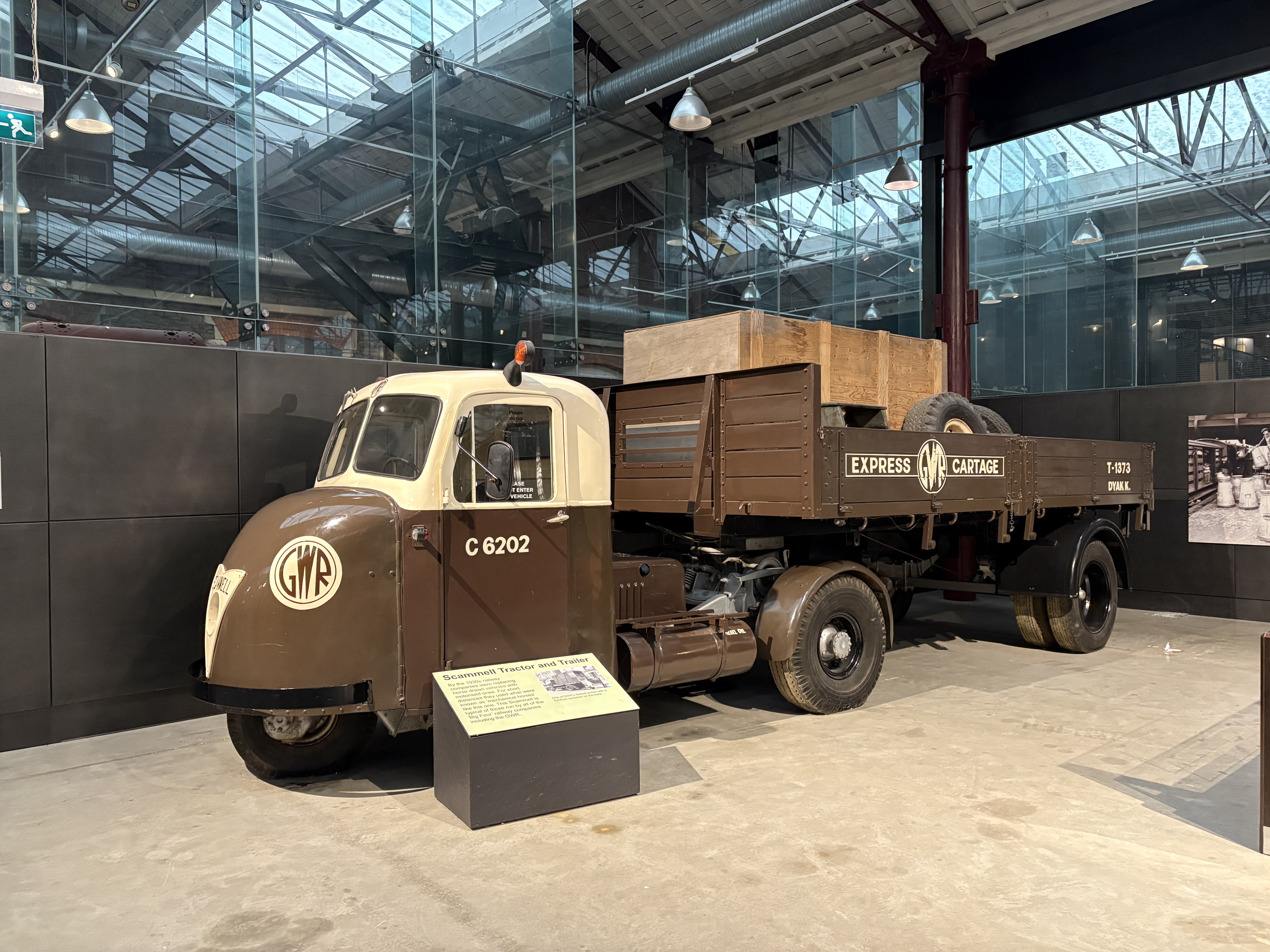
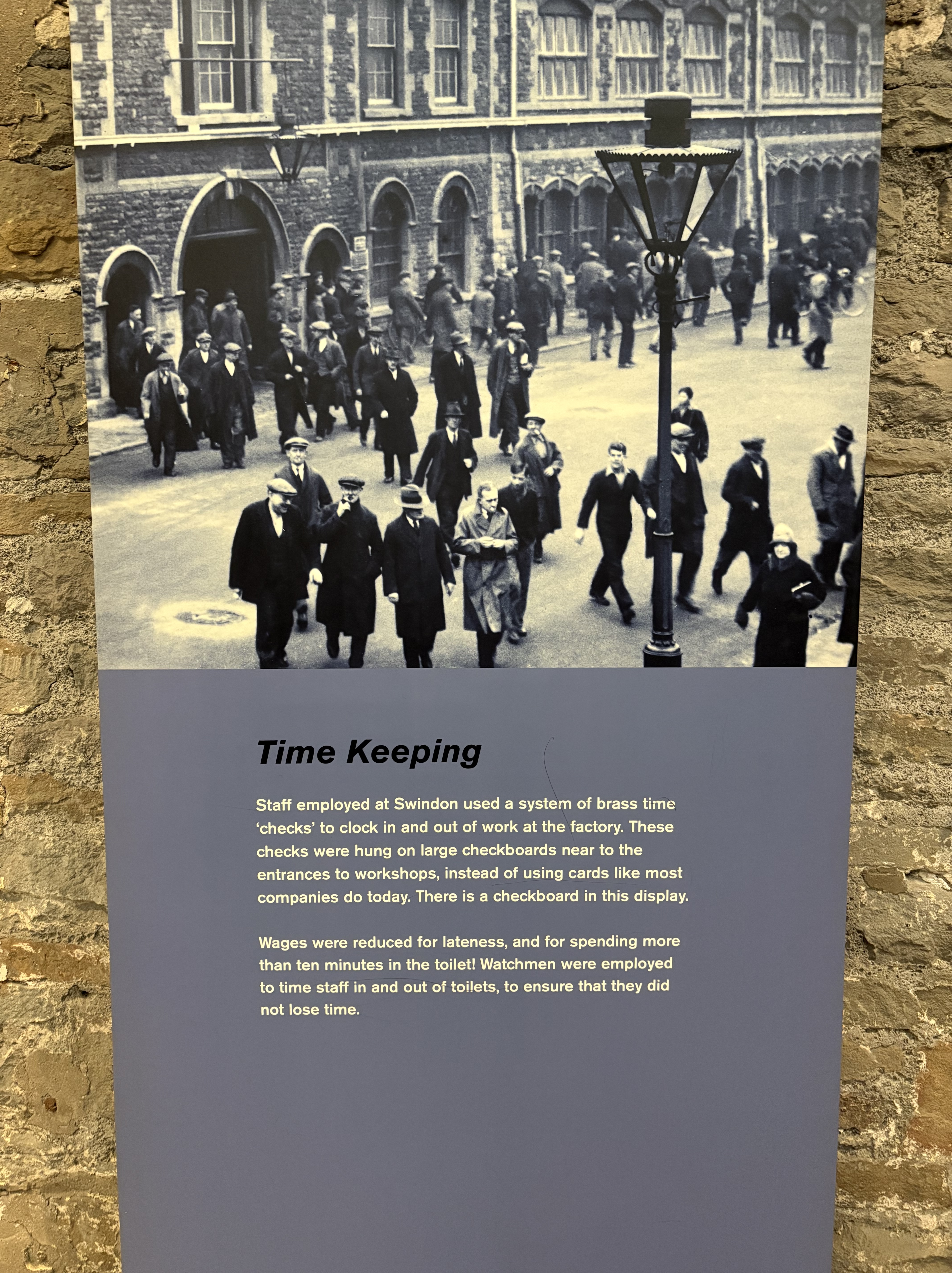
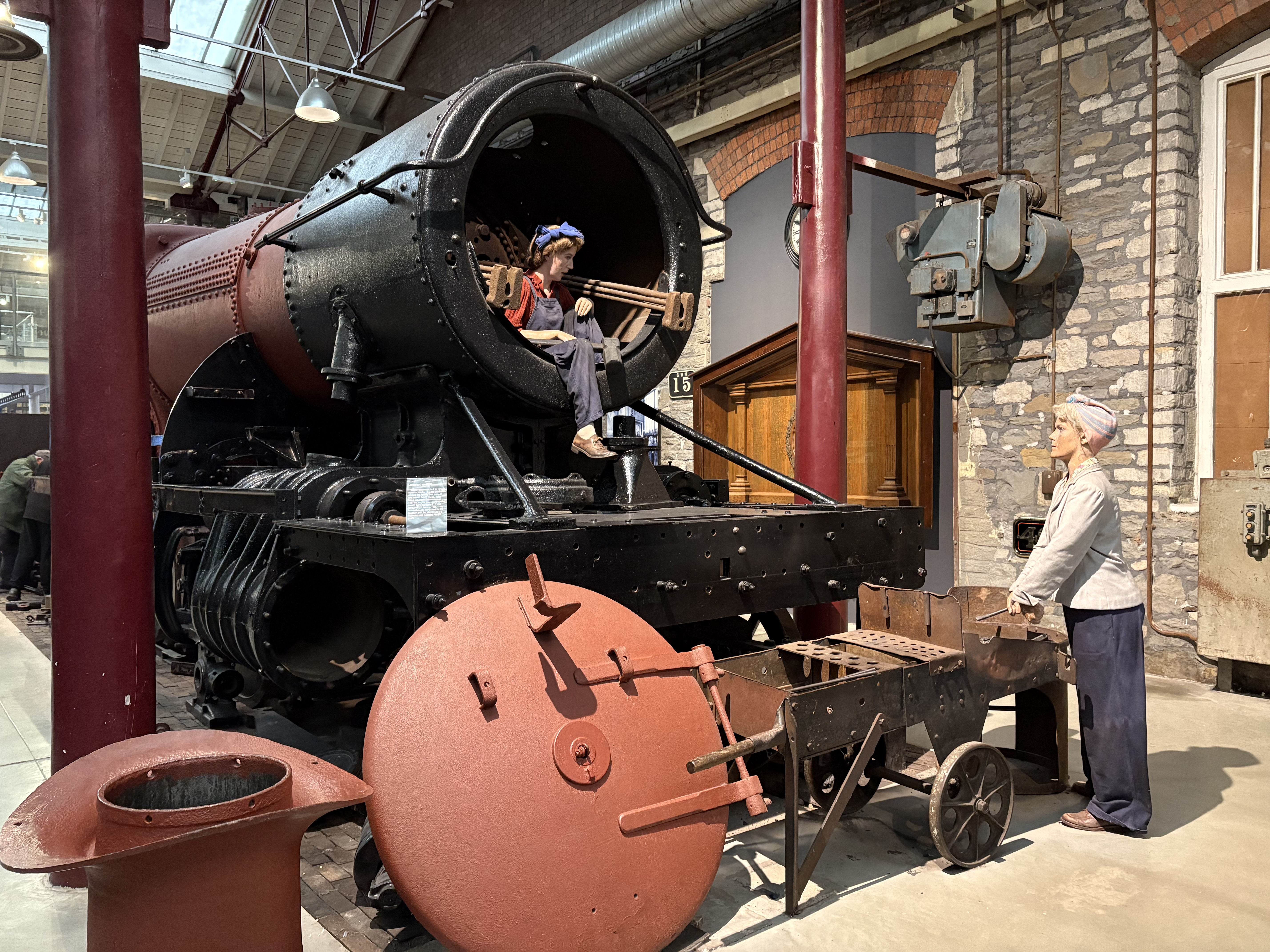
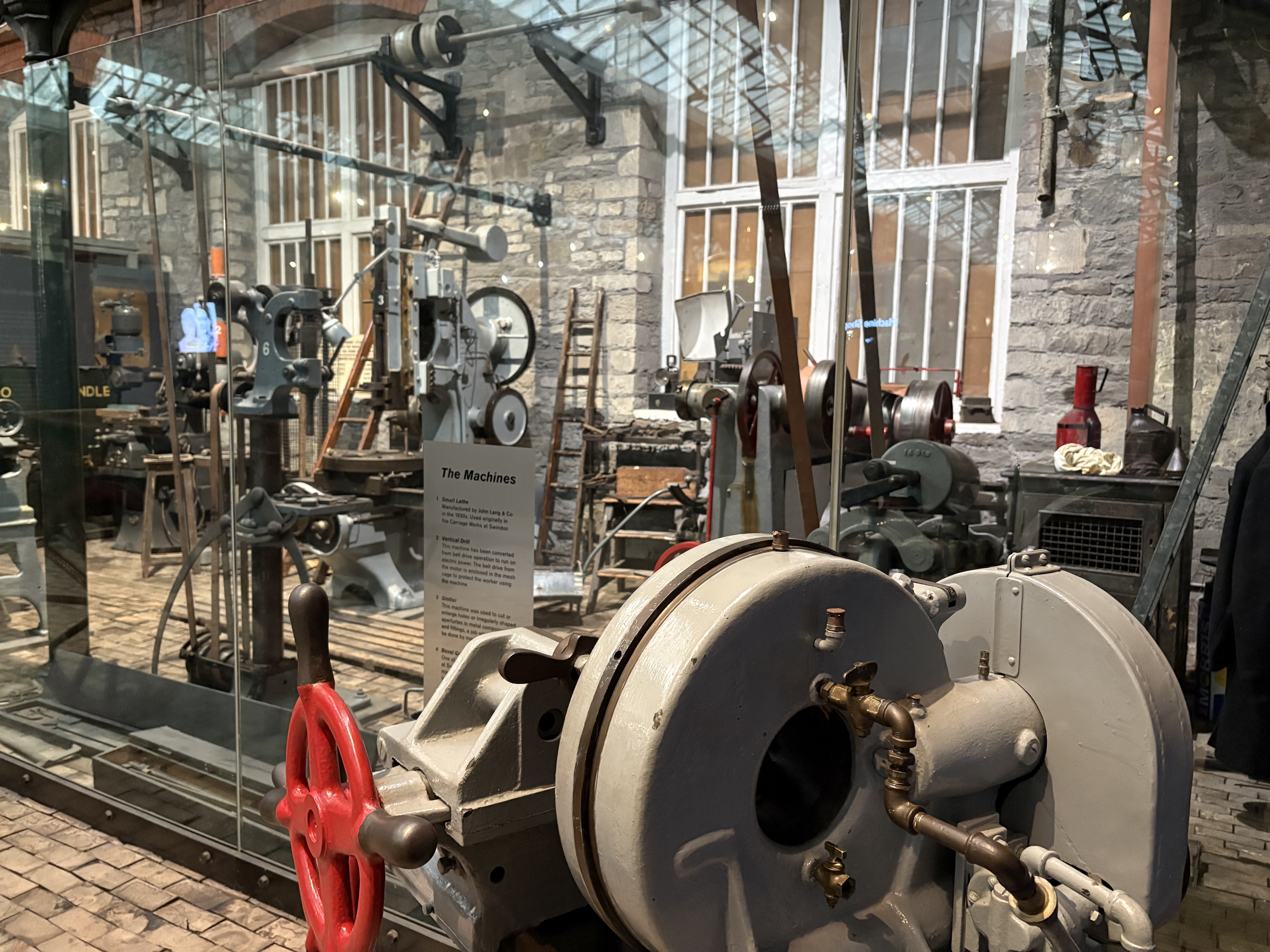
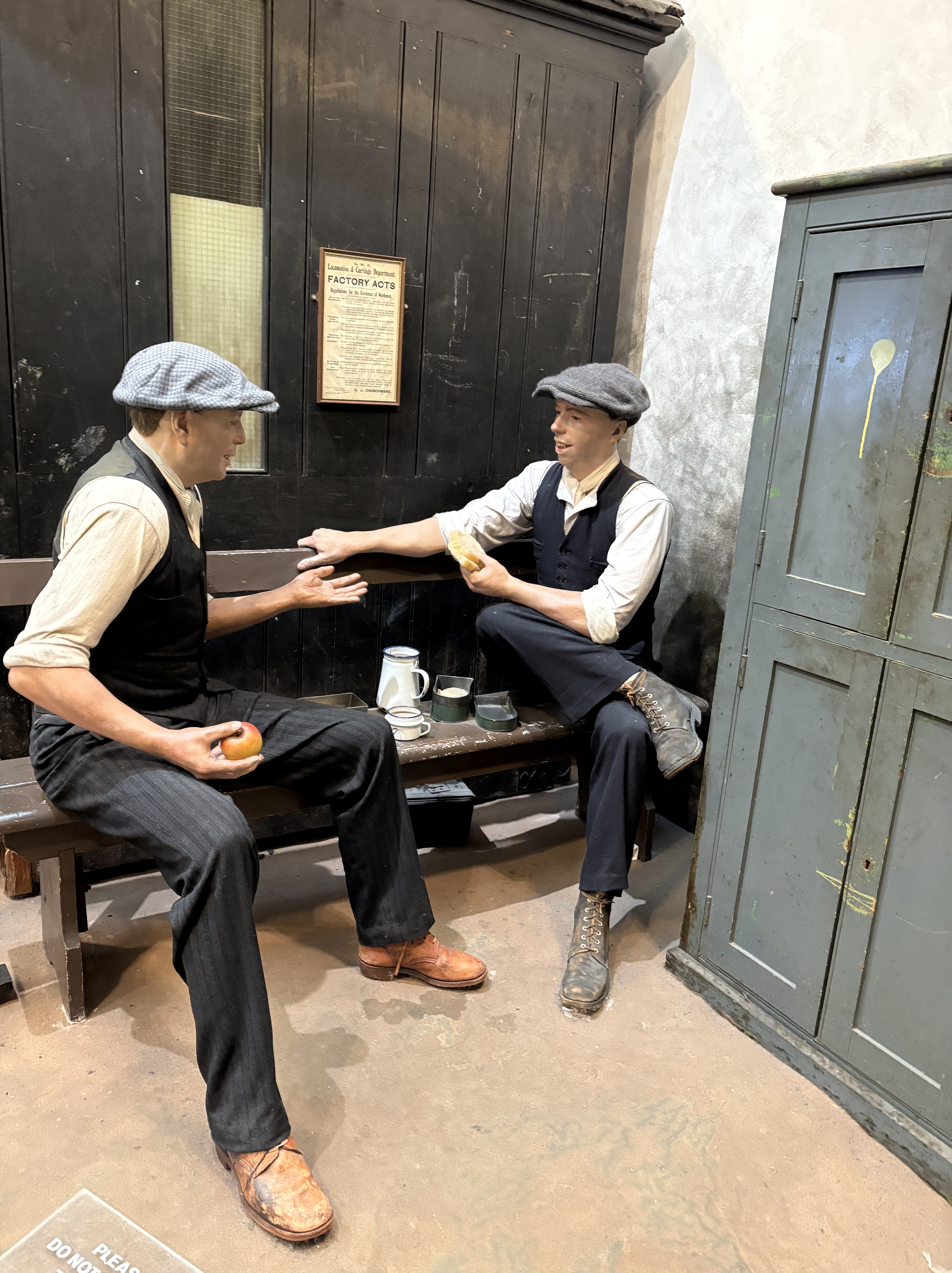
The third place I will tell you about is Swindon’s Mcarthur Glen Designer Outlet. This shopping centre has been built in a large expanse of the old Great Western Railway workshops. This is another space I have walked around often in the years since it was built. I knew it was the old railway works. It has an obvious flavour of the old railway works because it still has industrial items on display and the workshop structures are left, as much as they can be, as they were. However, three years ago I joined a tour of the outlet village led by Gordon Shaw who used to work in the factory and had since spent time researching the history of the working environment and the way of life within it. This tour opened my eyes to things I had not noticed before, so, if you go to the outlet village in Swindon, look up and look around and you’ll be surprised what you see.
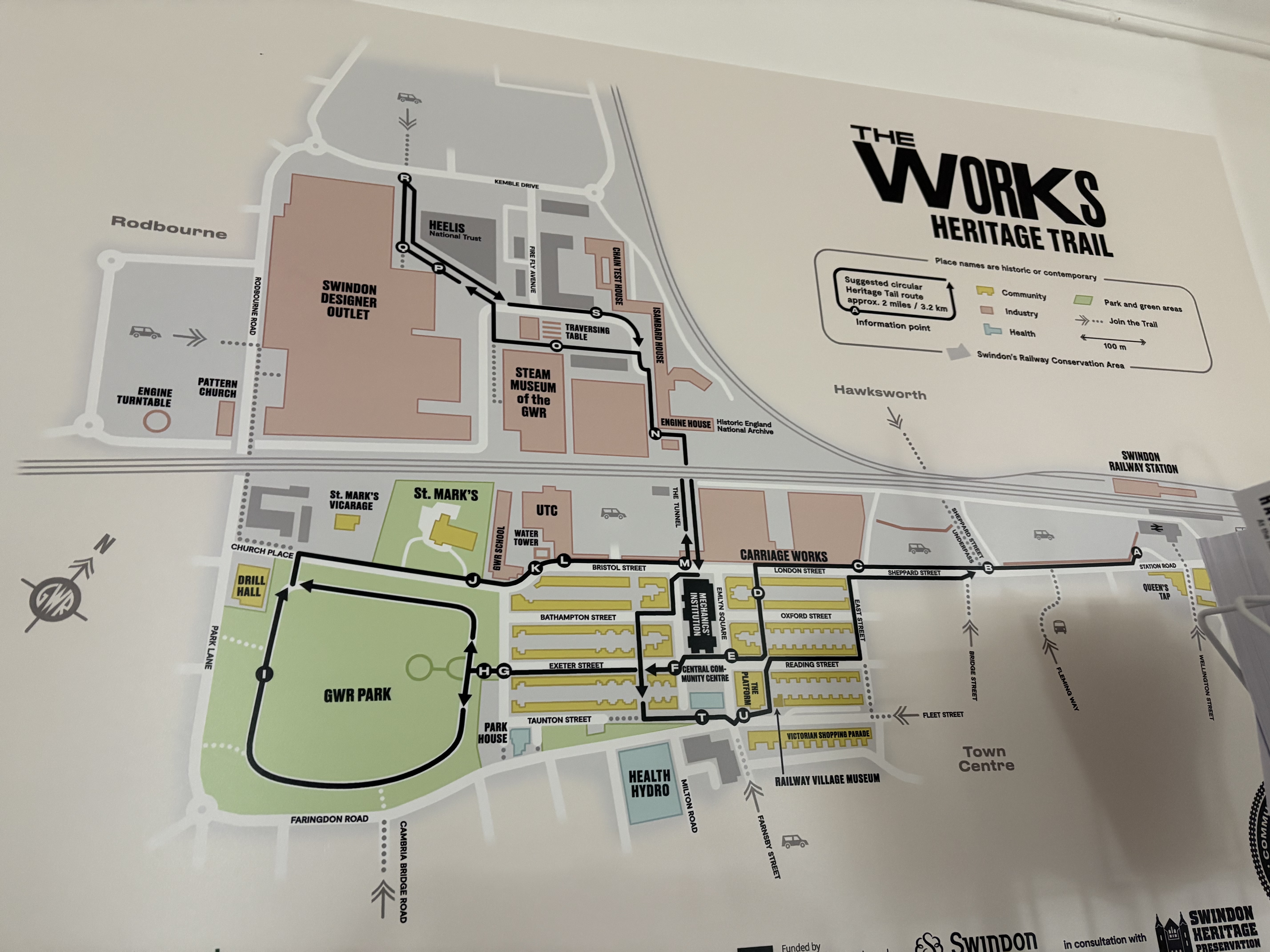
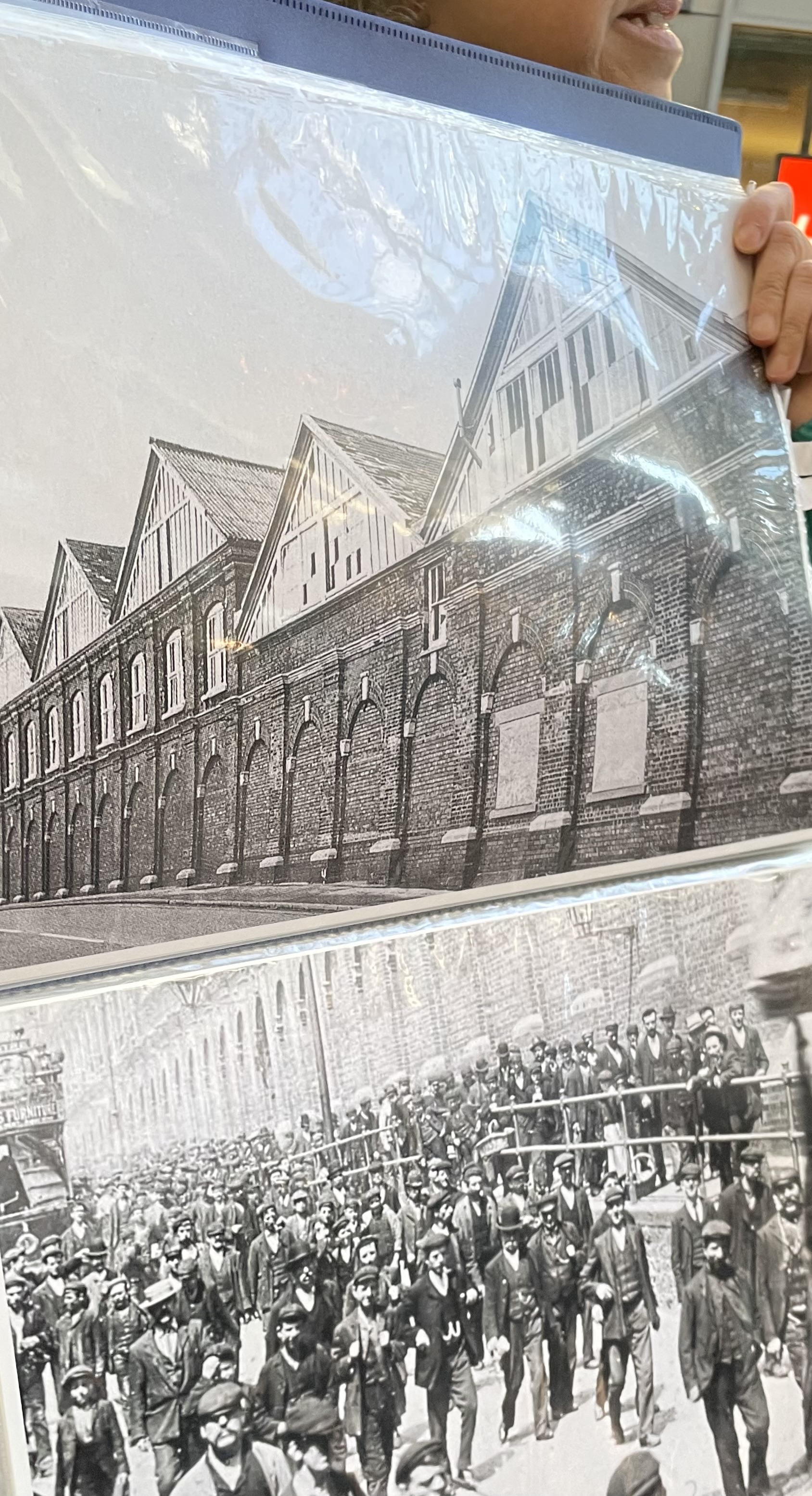
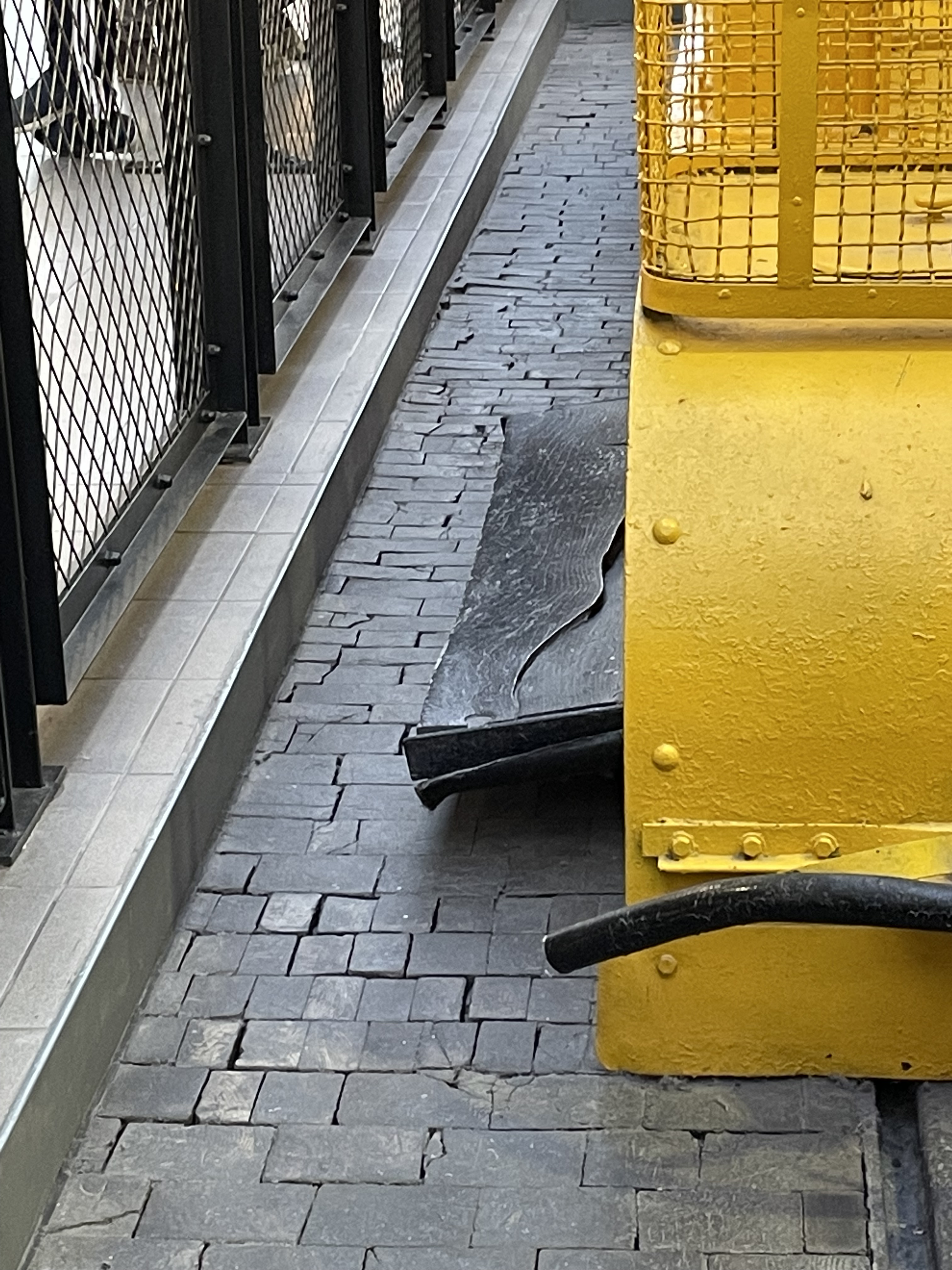
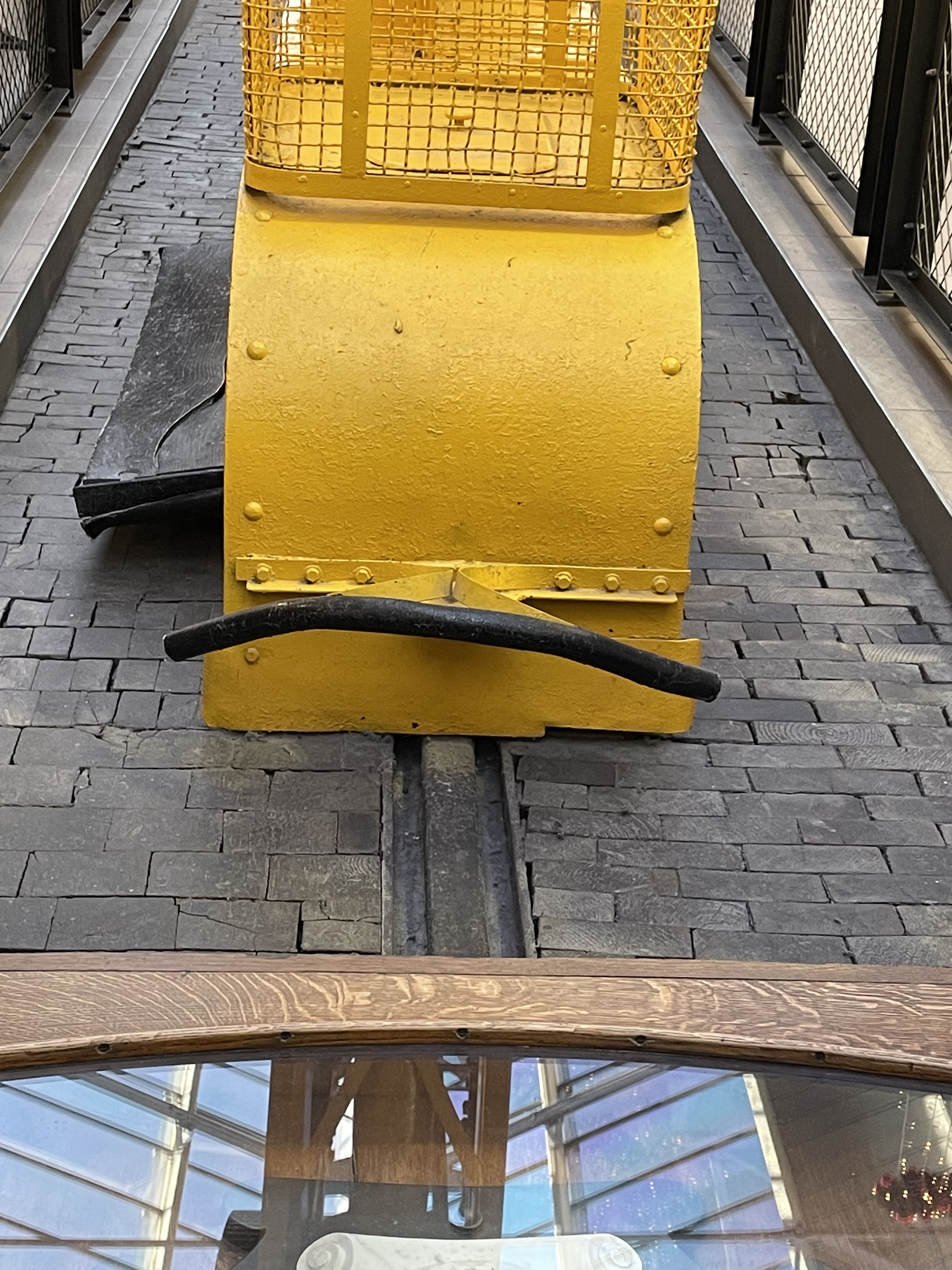
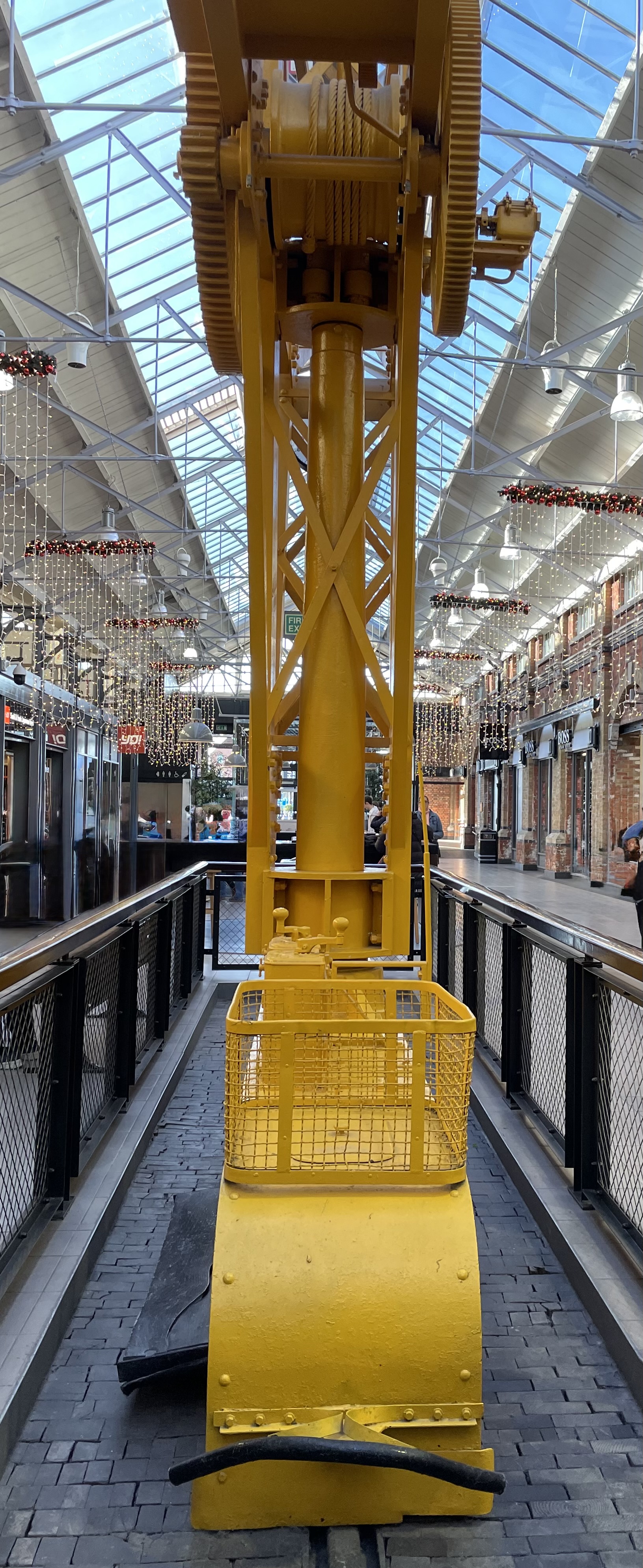
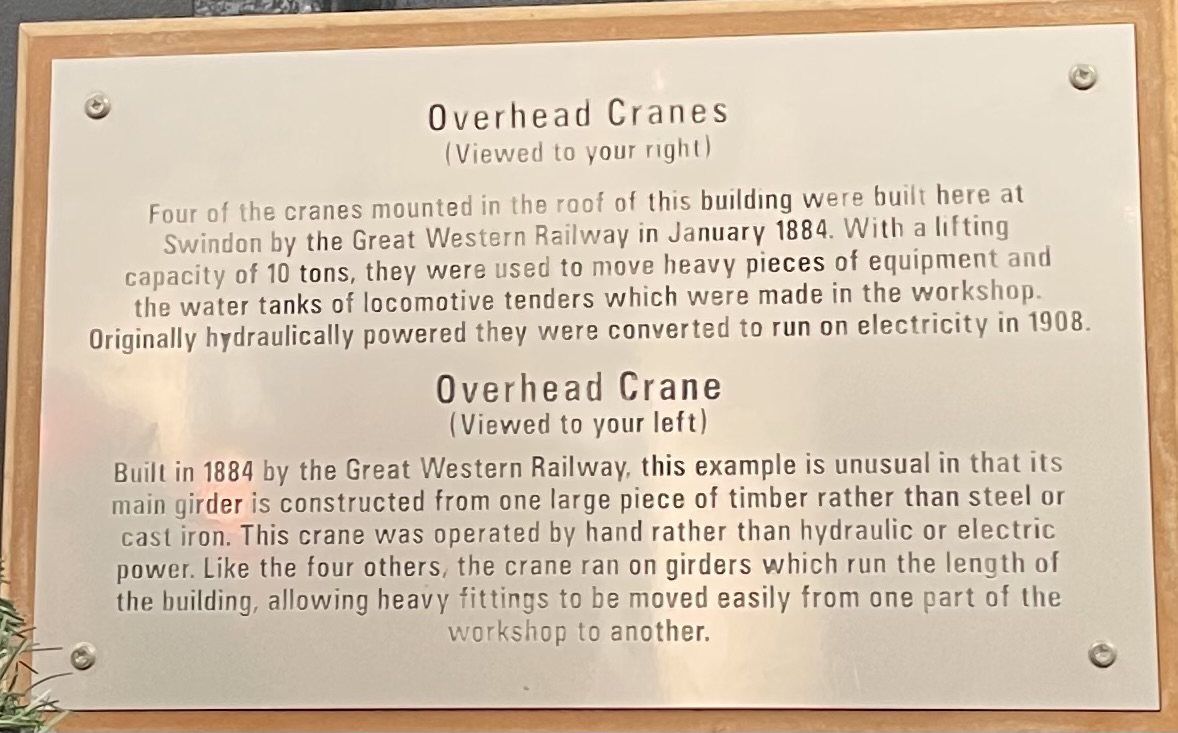
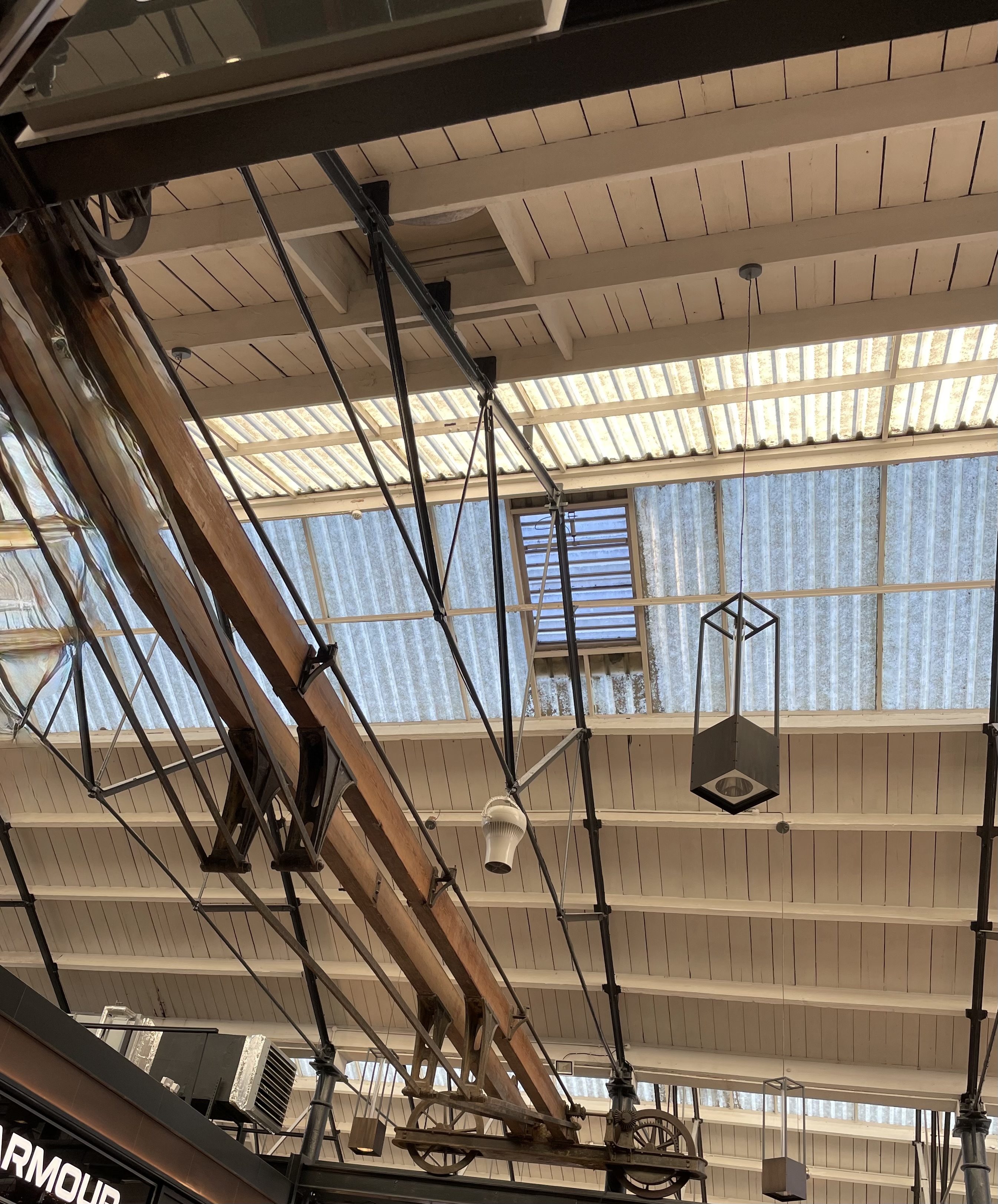
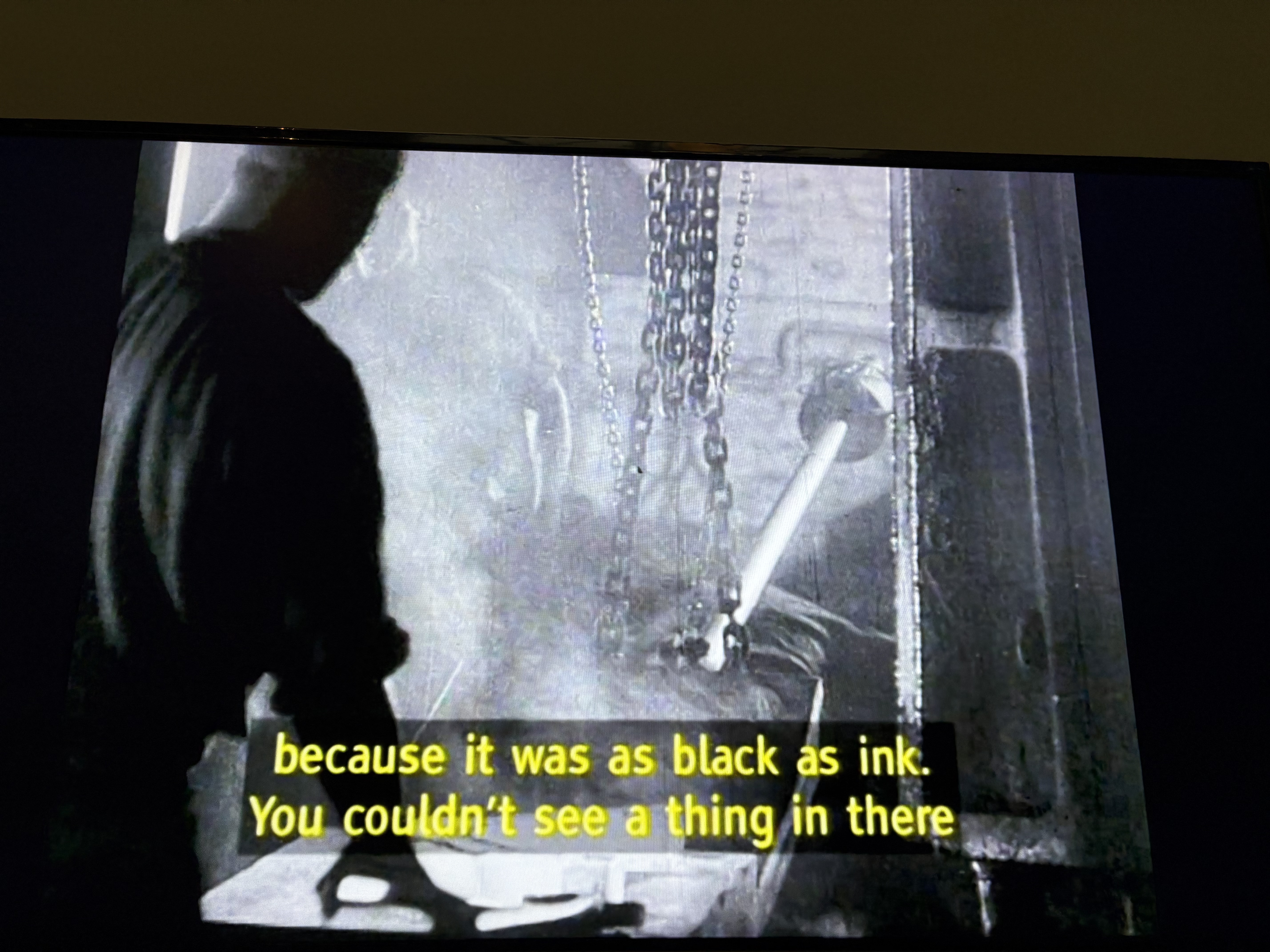
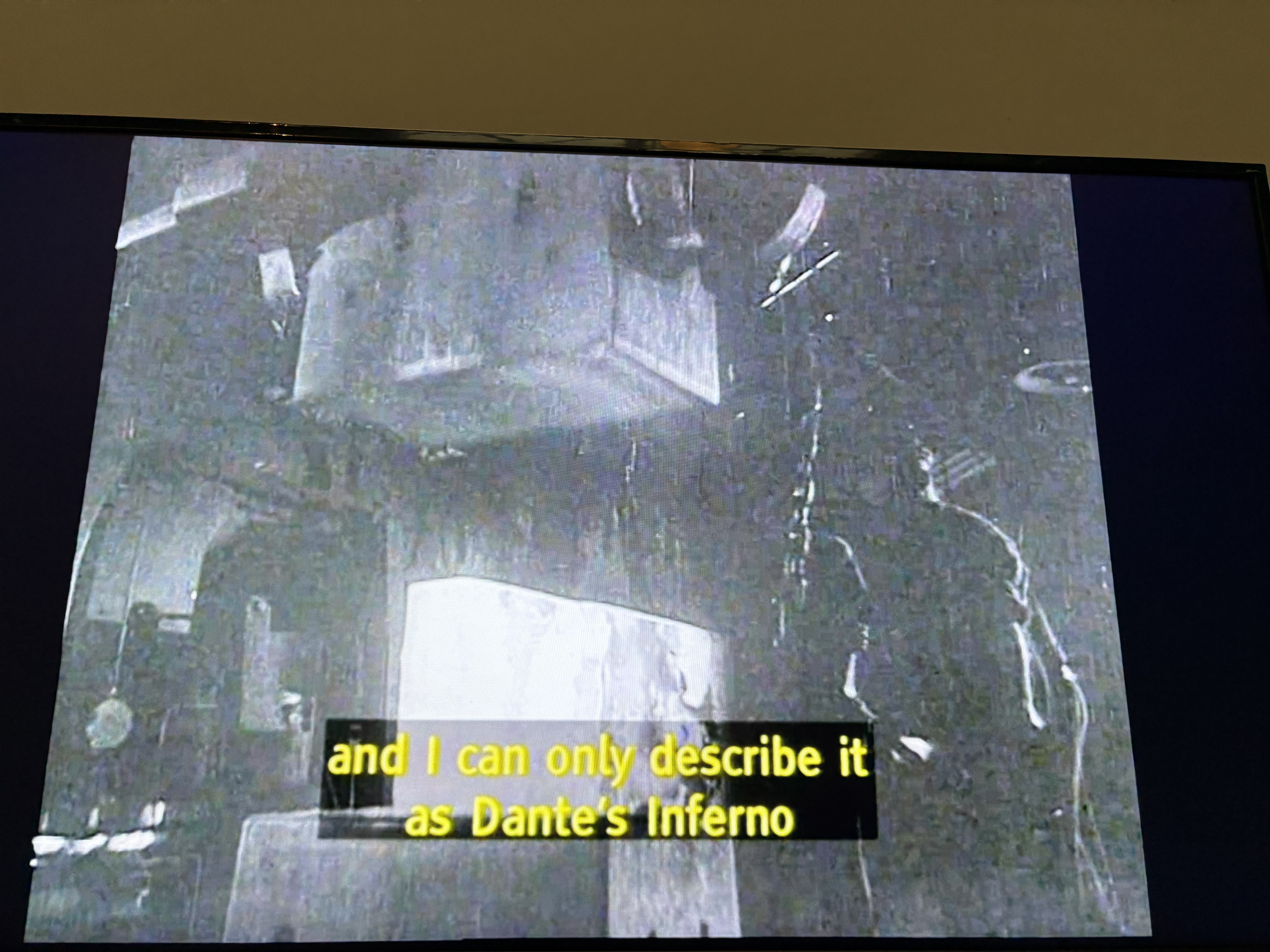
For instance, right in the middle of the front entrance hall, near what was the old pattern store on Rodbourne Road, is a large crane. Of course, I’ve seen the large piece of machinery that is hard not to notice, but on the floor around it you can see wooden cobbles. The cobbles in most of the workshops were made of wood, and that’s because in the workshops that were ‘hot workshops’ (that’s what the workshops containing furnaces were called then), stone flooring would have become too hot. The wood was soaked with oil during processes, so they changed the flooring once a year and men were given the wood to burn. There are so many more things I could say, but another fascinating one for me was one of the earliest cranes. The man would sit up on a crane and move it by turning the mechanism by hand so the crane slid along a system on the roof, and apparently the night shift workers would sometimes hide up on the cranes to sleep.
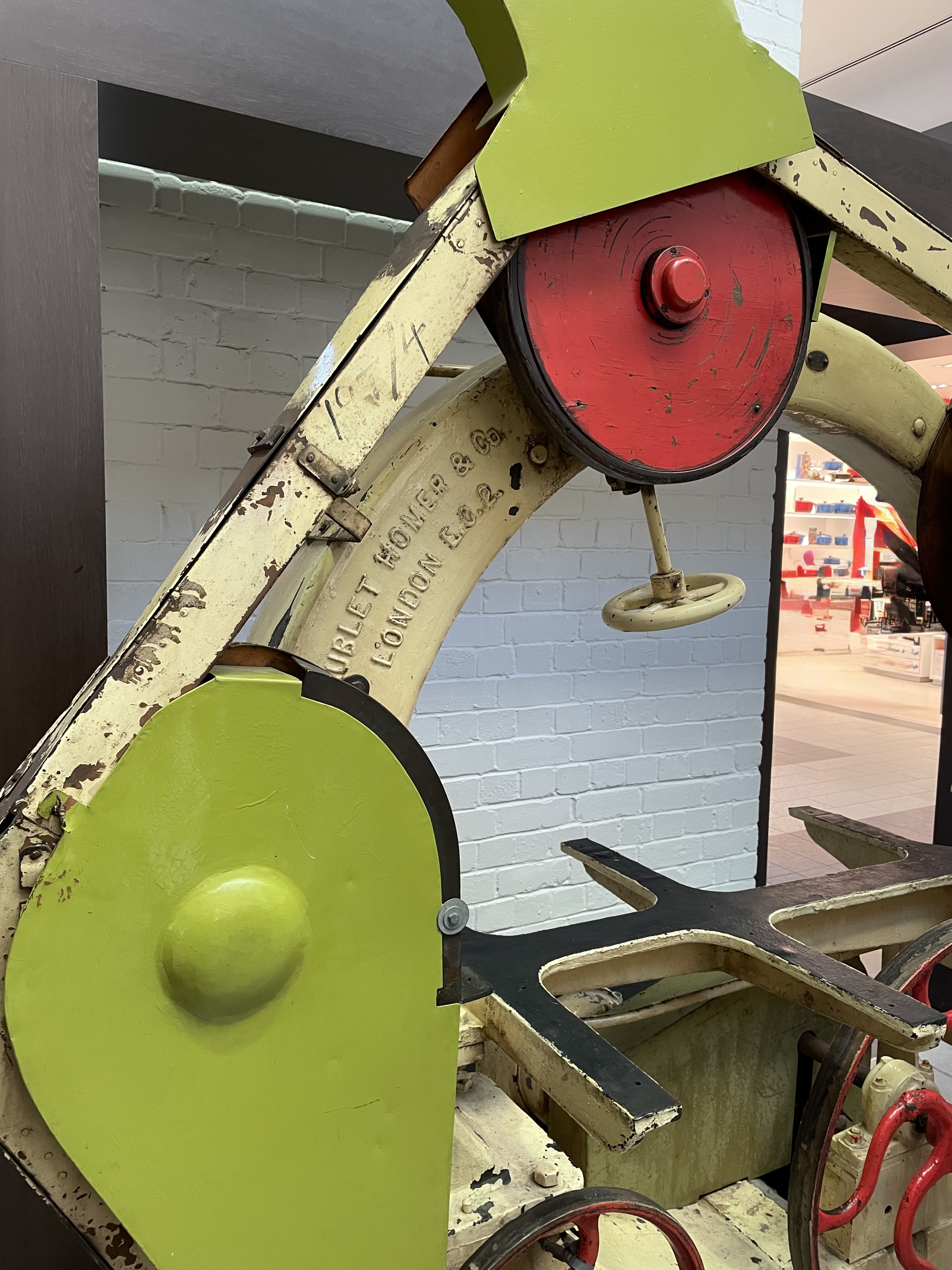
The old iron workshop is where the Clarks and Marks and Spencer shops are now, and in the John Lewis Outlet there’s still some equipment on display.
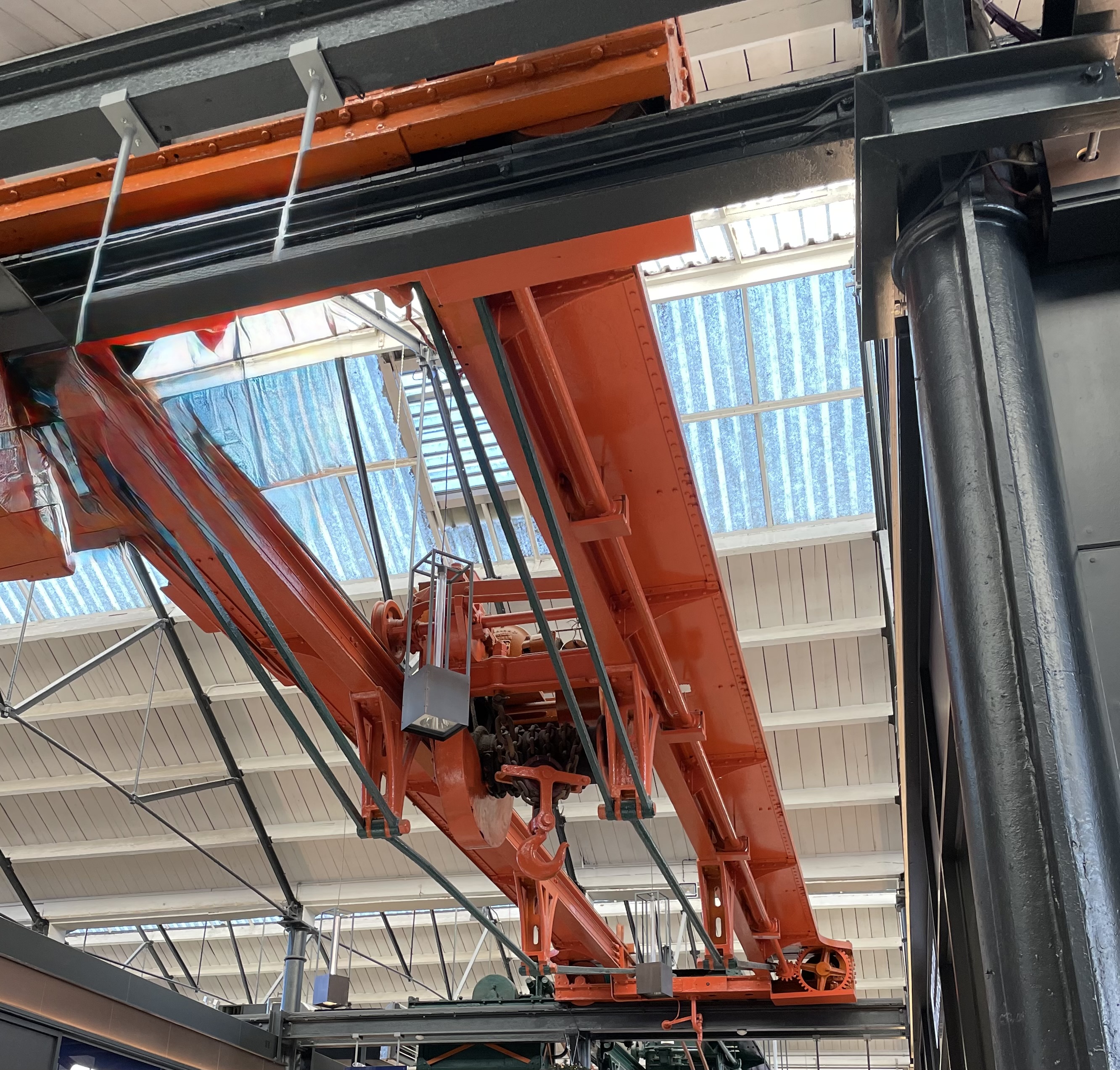
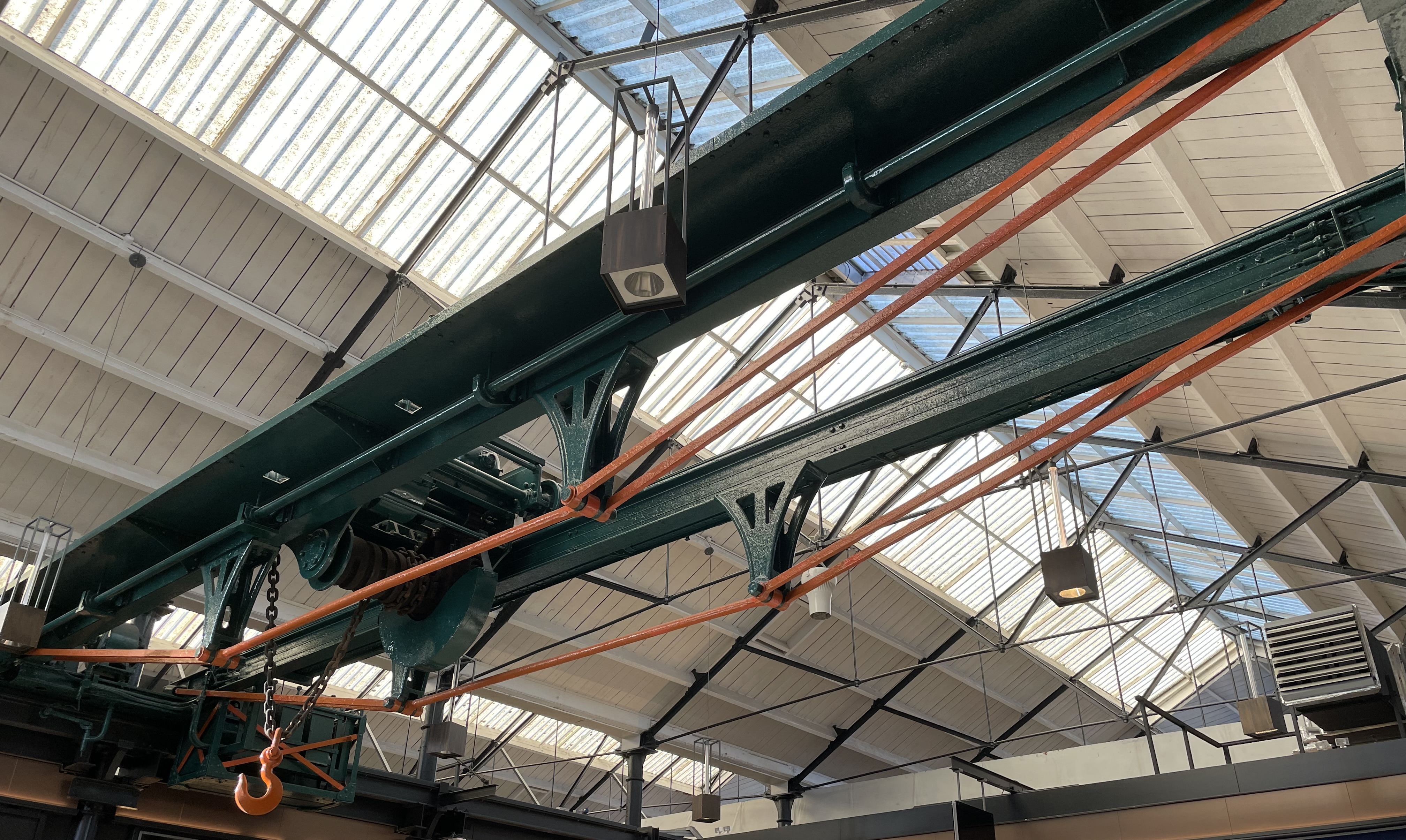
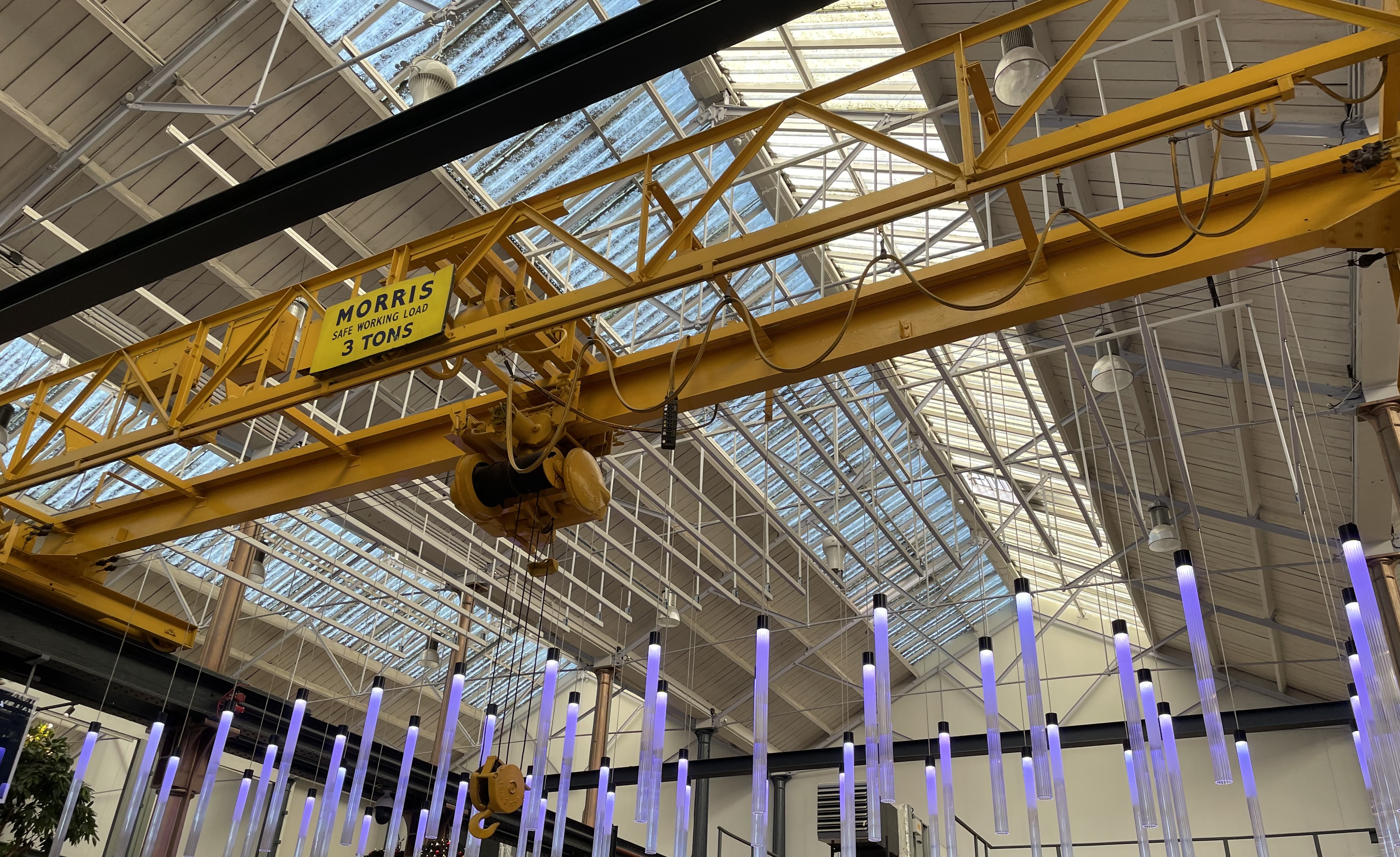
I think I will share just one more place next week, before I share some photographs…
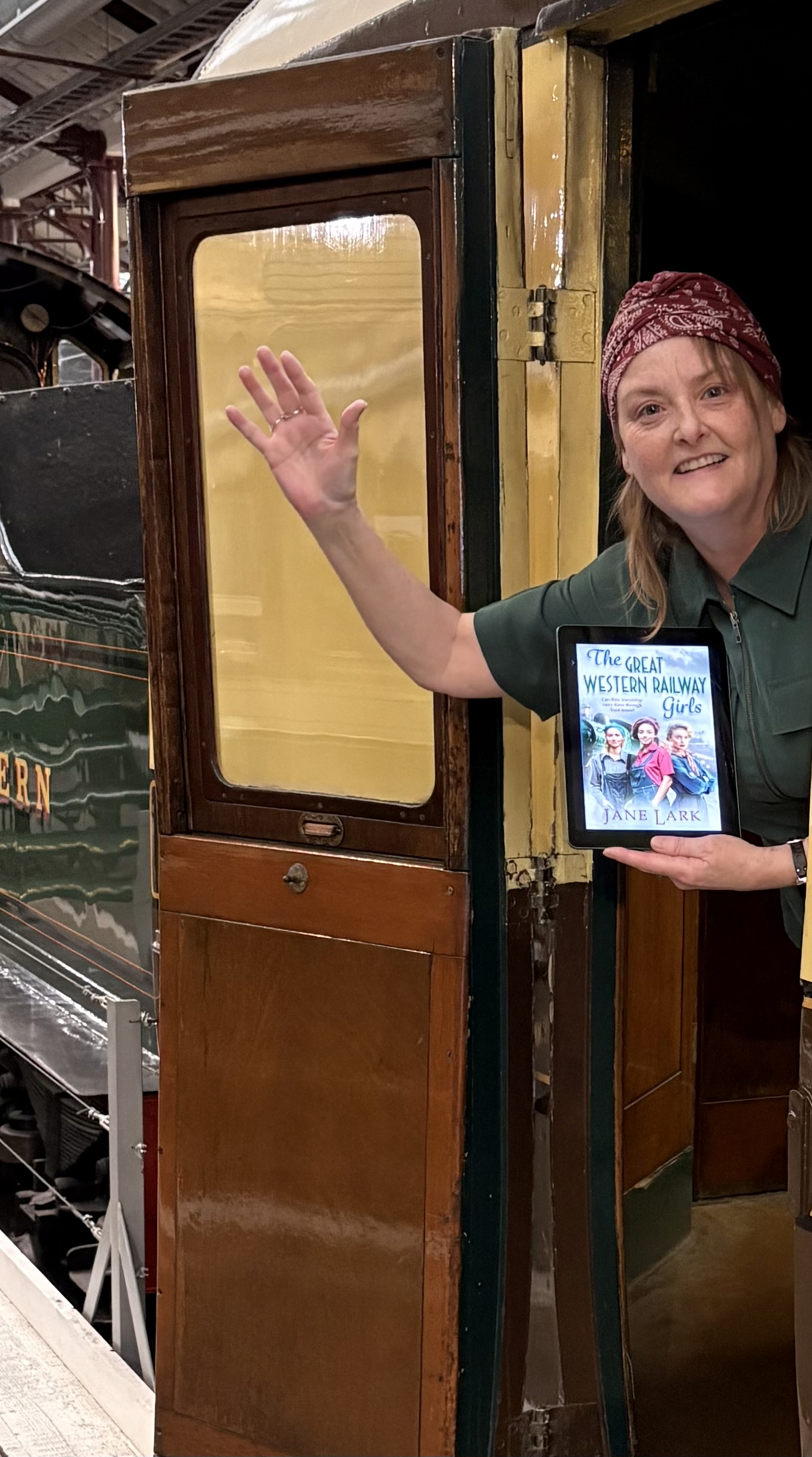
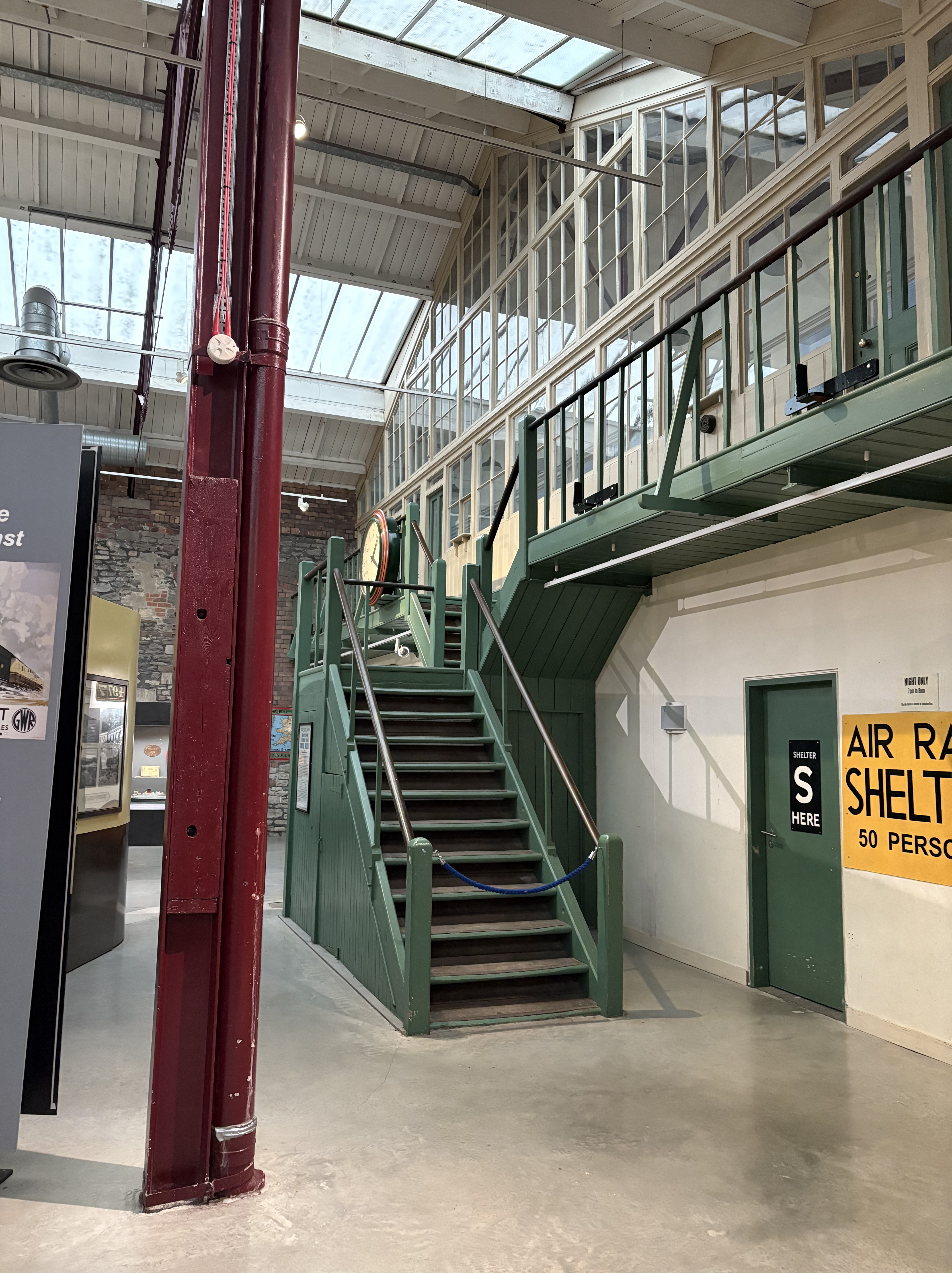
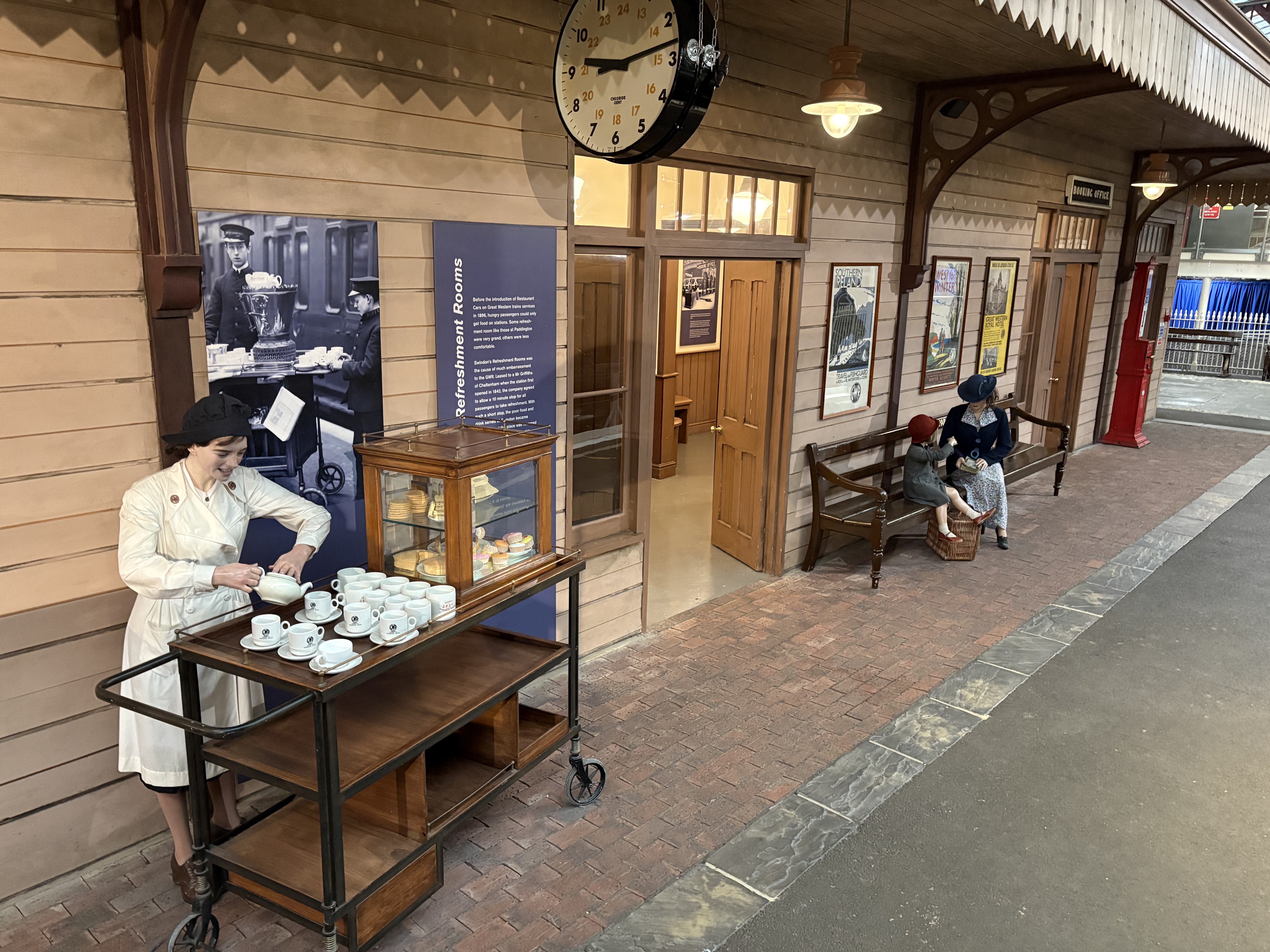
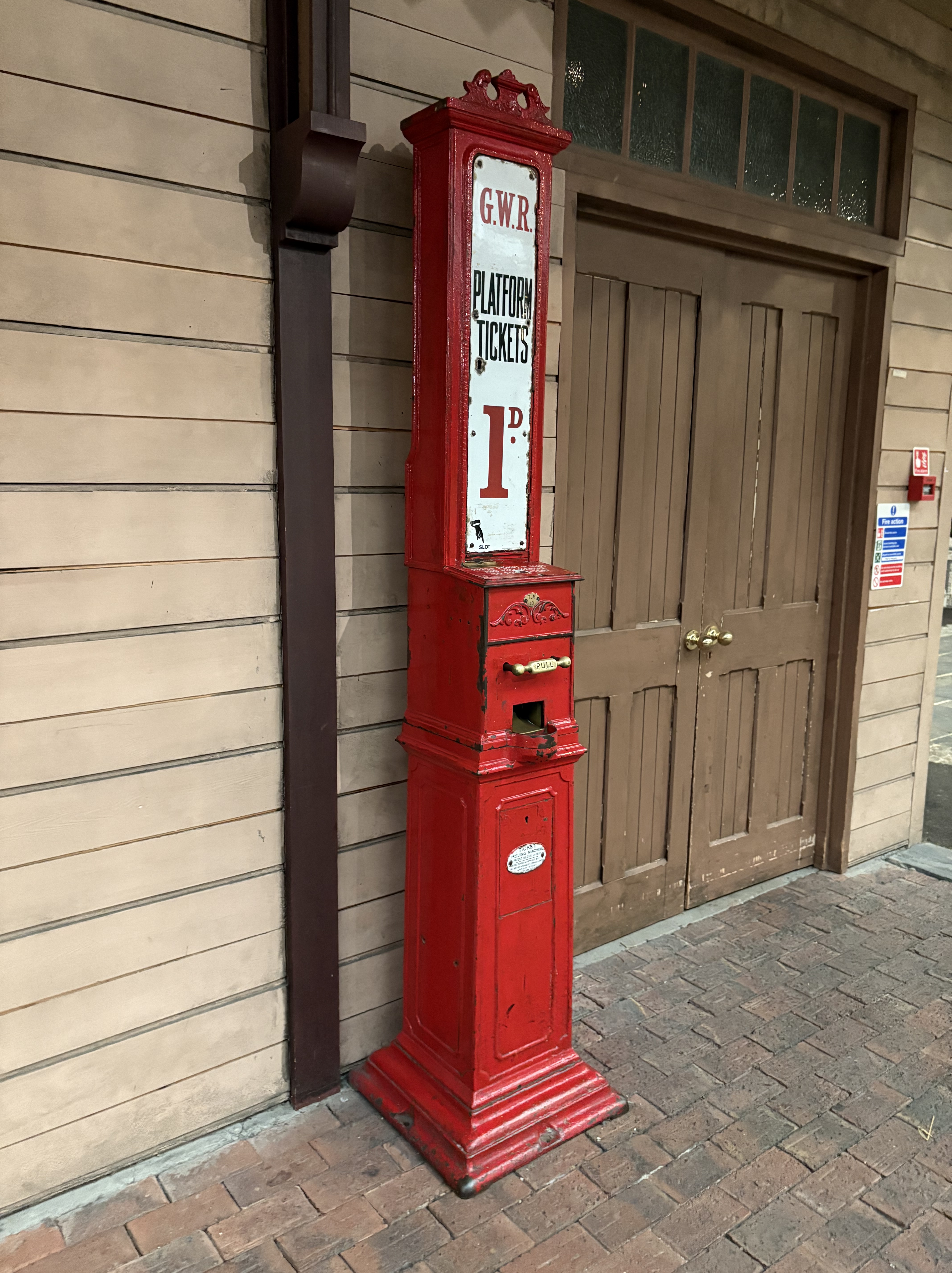
 Author, Jane Lark's stories