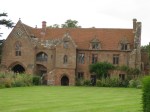
When Jane entered the grand house she must have felt utter awe and jubilation mixed. She was here not as a visitor as Lizzie was at Pemberley House in Pride and Prejudice but as a cousin to the man who had just inherited it and as a descendent of those who had built it. Her mother must have spoken of Stoneleigh to Jane from her childhood onwards.
And if you doubt Jane Austen’s feelings you can hear her describe them in the voice of Fanny Price in her novel Mansfield Park.
‘While Fanny, to whom everything was almost as interesting as it was new, attended with unaffected earnestness to all that Mrs Rushworth could relate of the family former times , its rise and grandeur, regal visits and loyal efforts, delighted to connect anything with history already known, or warm her imagination with scenes of the past.’
When Jane mentions Royal visits, if you know Jane’s work well you will know she wrote her own view of history as a child which was staunchly on the side of the Stuarts, whom Jane’s family had supported and harboured at Stoneleigh Abbey – Royal Visits.
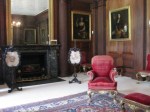
Drawing Room with family portraits
When Jane Austen’s party arrived at Stoneleigh Abbey they were taken through to the drawing room to take refreshment as the party were who visited Sotherton Court in Jane Austen’s novel Mansfield Park. ‘After the business of arriving was over, it was first necessary to eat, and the doors were thrown open to admit them through one or two intermediate rooms in the appointed drawing-parlour, where a collation was prepared in abundance, and elegance.’
And after this Jane and her mother were offered a tour of the house.
‘The whole party rose accordingly, and under Mrs Rushworth’s guidance were shown through a number of rooms, all lofty, and many large, and amply furnished in the taste of fifty years back, with shining floors, solid mahogany, rich damask, marble, gilding and carving, each handsome in its way. Of pictures there were abundance, and some few good, but the larger part were family portraits, no longer anything to anybody but Mrs Rushworth, who had been at great pains to learn all that the housekeeper could teach, and was now almost equally qualified to show the house.’
In Jane’s tour of Stoneleigh Abbey, one of the first rooms she and her mother were shown to was the picture gallery, and in letters Jane Austen records stepping from the door there onto the top of the terrace to look down at the bowling green. And there again is remembrance in Mansfield Park, ‘compared with the bowling green and the terrace.’
We have heard Jane’s comments above in the voice of Fanny Price about her experience of having the pictures of her ancestors introduced to her. Jane would have faced her great-grandfather, great-great grandfather and even her great-great-great grandfather and grandmother. Perhaps for the first time as there were no photographs for families to copy and circulate. We hear her experience again possibly in Pride and Prejudice, which was already written and must have been in Jane’s luggage when she arrived at Stoneleigh Abbey. ‘In the gallery there were many family portraits, but they could have little to fix the attention of a stranger. Elizabeth walked on in a quest of the only face whose features would be known to her. At last it arrested her––and she beheld a striking resemblance to Mr.Darcy, with such a smile over the face she remembered to have seen when he looked at her. She stood several minutes before the picture, in earnest contemplation, and returned to it again before they quitted the gallery.’
Jane’s mother comments on both the ‘collation prepared in abundance, and elegance’ for herself and Jane when they arrived, and on the pictures decorating the drawing room in a letter written a se’nnight after their arrival. ‘here we all found ourselves on Tuesday, eating fish venison and all manner of good things at a late hour, in a noble large parlour hung round with family pictures.’
In the quote I mentioned above from Mansfield Park ‘delighted to connect anything with history already known, or warm her imagination of with scenes of the past’ I have a clear picture of Jane entering the house and her imagination springing to life after it had suffered so badly during the period of her father’s illness. She would have had the manuscripts of Pride and Prejudice, Sense and Sensibility and Northanger Abbey in her bags and her head must have been spinning as she looked about and ideas to change and compliment scenes came to mind.
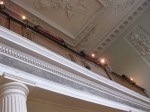
‘and the crimson velvet cushions appearing over the edge of the family gallery above’
And then of course there is the blatant description of Stoneleigh in Mansfield Park which might be considered absolute fact and its description through Jane Austen’s eyes in the scene when Fanny Price is lead into the Abbey’s chapel.
‘Having visited many more rooms than could be supposed to be of any other use than to contribute to the window tax, and find employment for house-maids, ‘Now,’ said Mrs Rushworth, ‘we are coming to the chapel, which properly we ought to enter from above, and look down upon; but as we are quite among friends, I will take you in this way, if you will excuse me.’
They entered. Fanny’s imagination had prepared her for something grander than a mere, spacious oblong room, (again we hear Jane saying her imagination was reeling in real life as she walked through the house and reached the chapel) fitted up for the purpose of devotion – with nothing more striking or more solemn than the profusion of mahogany, and the crimson velvet cushions appearing over the edge of the family gallery above.’
Jane’s mother’s words on the subject of the numbers of rooms she and her daughter were shown through when they visited Stoneleigh noted that ‘The house is larger than I could have supposed. We can now find our way about it, I meant he best part; as to the offices (which were the old Abbey) Mer Leigh almost despairs of ever finding his way about them. I have proposed his setting up directing posts at the Angles.’ Jane’s mother goes on in her letter to try to describe Stoneleigh’s size, its grandeur and dimensions. ‘I write just as things come into my head. I will now give you some idea of the inside of this vast house, first premising that there are 45 windows in front (which is quite strait with a flat roof) 15 in a row. You go up a consdirable flight of steps (some offices are under the house) into a large hall: on the right hand the dining parlour, within (i.e. beyond) that the breakfast room, where we generally sit, and reason good ’tis the only room (except the chapel) that looks towards the river.’ Do you think this inspired Jane’s description of Lizzie’s lack of interest in the housekeeper’s speech at Pemberley, in Pride and Prejudice, ‘Mrs Reynolds could interest her on no other point. She related the subjects of the pictures, the dimensions of the rooms, and the price of the furniture in vain.’
Jane Austen equally drew on real life in her description of the gardens of Sotherton Court in her novel Mansfield Park.
‘Mr Rushworth had been visiting a friend in a neighbouring county, and that friend having recently had his grounds laid out by an improver, Mr Rushworth was returned with his head full of the subject, and very eager to be improving his own place in the same way.
‘I wish you could see Compton,’ said he, ‘it is the most complete thing! I never saw a place so altered in my life. I told Smith I did not know where I was. The approach now is one of the finest things in the country. You see the house in the most surprising manner. I declare when I got back to Sotherton yesterday, it looked like a prison. – quite a dismal old prison.’
‘Oh! for shame!’ cried Mrs Norris. ‘A prison indeed! Sotherton Court is the noblest old place in the world.’
It wants improvement, ma’am, beyond anything. I never saw a place that wanted so much improvement in my life; and it is so forlorn, that I do no know what can be done with it.’
No wonder that Mr Rushworth should think so at present,’ said Mrs Grant to Mrs Norris, with a smile; ‘but depend upon it, Sotherton will have every improvement in time which his heart can desire.’
‘I must try to do something with it,’ said Mr Rushworth, ‘but I do not know what. I hope I shall have some good friend to help me.’
‘Your best friend on such and occasion,’ said Miss Bertram, calmly, ‘would be Mr Repton, I imagine.’
‘That is what I was thinking of. As he has done so well by Smith. I think I had better have him at once. His terms are five guineas a day.’
Now who do you think Jane’s Cousin who’d inherited the property used to improve his gardens at Stoneleigh? Yes, Mr Repton, who was paid at five guineas a day.
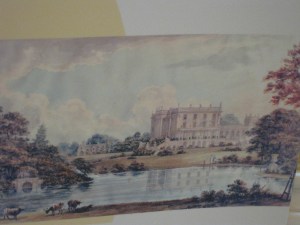
Repton’s Plan for Stoneleigh Abbey
Jane then goes on in Mrs Norris’s words to describe the difference between Sotherton’s acres and a parsonage’s half acre garden (her father’s? her mother speaking? there is an equal comparison of a parsonage to Northanger Abbey) and harvesting apricots. Jane’s mother spoke of the fruit from the garden at Stoneleigh in her letter. ‘I don not fail to spend some time every day int he kitchen garden where the quantities of small fruits exceed anything you can form an idea of.’ The characters in Mansfield Park then discuss the moving of avenues (an Avenue was put in place in Stoneleigh by Repton) and Fanny comments on wishing to see the old place before it is changed, then later states ‘it would delightful for me to see the progress’. Jane’s own thoughts perhaps?
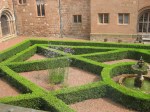
The Elizabethan Wing and Medieval Cellars
Jane had also spent some time staying at an old Abbey in Reading when she and Cassandra were sent away to school for a very short period in 1784 and now again here was an Abbey, with an ancient gothic style entrance gate, and cellars to explore. Both Jane and her mother were frequent visitors in the servants’ areas, in the cellars of what was the old Abbey, during their stay at Stoneleigh. Again Mrs Austen tells us in great detail because it was such a novelty for them. ‘a delightful dairy where is made butter, good Warwickshire cheese & cream. One man servant is called the baker, he does nothing but brew & bake. The quantity of casks in the strong beer cellar is beyond imagination: Those in the small beer cellar bear no proportion, tho’ by the bye the small beer may be called ale without a misnomer.’
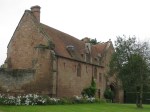
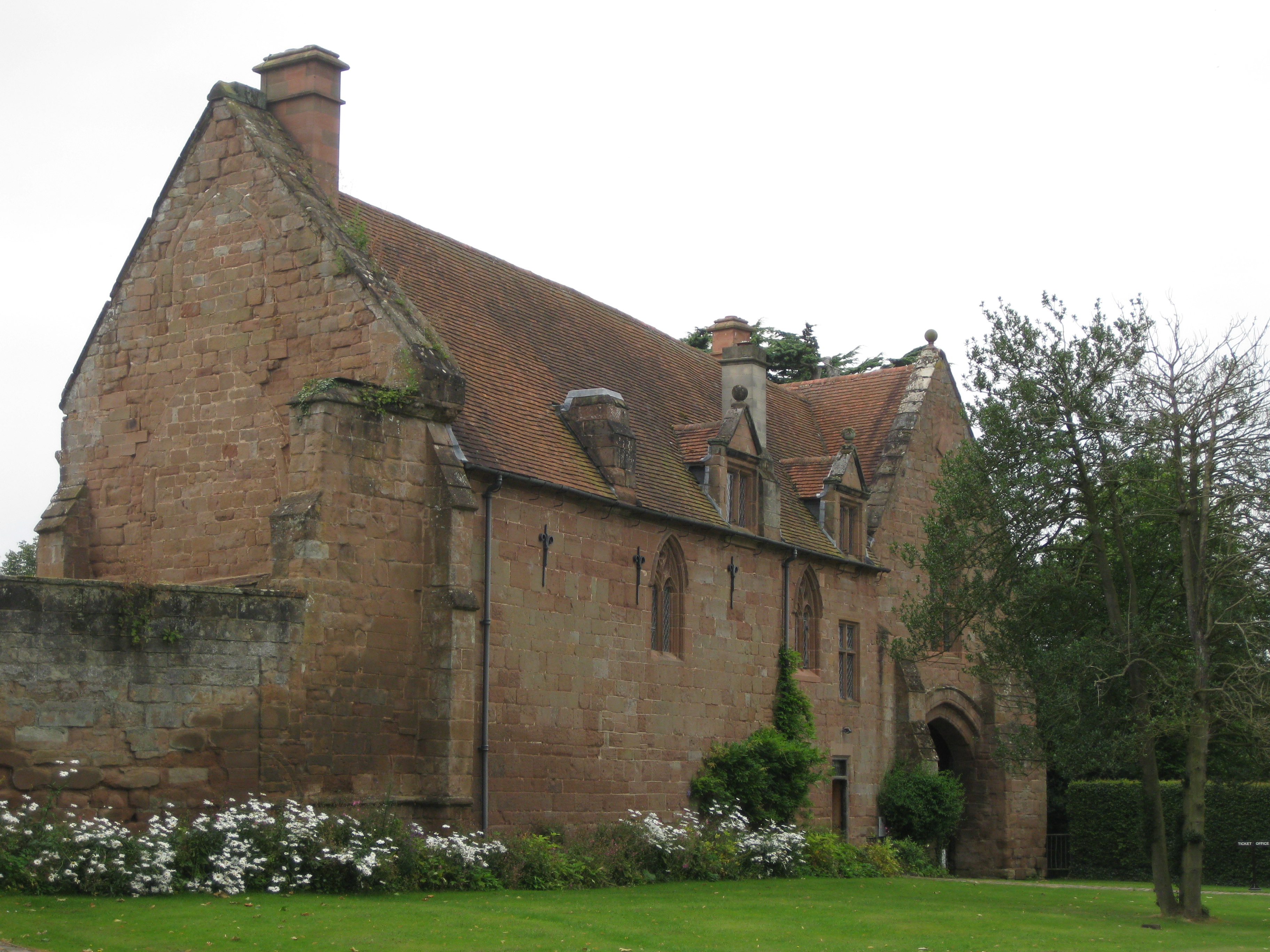
Stoneleigh Abbey 14th Century Gatehouse
If Mansfield Park draws heavily on the baroque west wing of Stoneleigh Abbey for inspiration then Northanger Abbey, I believe, equally draws on the medieval and Elizabethan aspect. ‘Her passion for ancient edifice was next in degree to her passion for Henry Tilney – and castles and abbeys made usually the charm of these reveries which his image did not fill. To see and explore either the ramparts and keep of the one, or the cloisters of the other, had been for many weeks a darling wish.’
Jane’s mother describes how they also visited castles while they stayed at Stoneleigh, ‘We have seen the remains of Kenilworth Castle which afforded us much entertainment. I expect still more from the sight of Warwick Castle which we are going to see today.’ And she also says of one of the state rooms at Stoneleigh, ‘Behind the smaller drawing room is the state bed chamber, with a high dark crimson velvet bed: an alarming apartment just fit for a heroine; the old gallery opens into it; behind the hall & parlours is a passage all across the house containing 3 staircases & two small back parlours.’ Could this chamber be the one Jane then thought of when she describes Mr Tilney’s deceased mother’s room in Northanger Abbey?
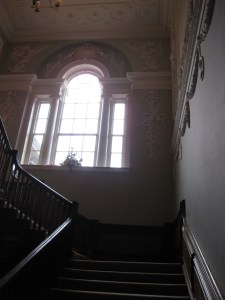
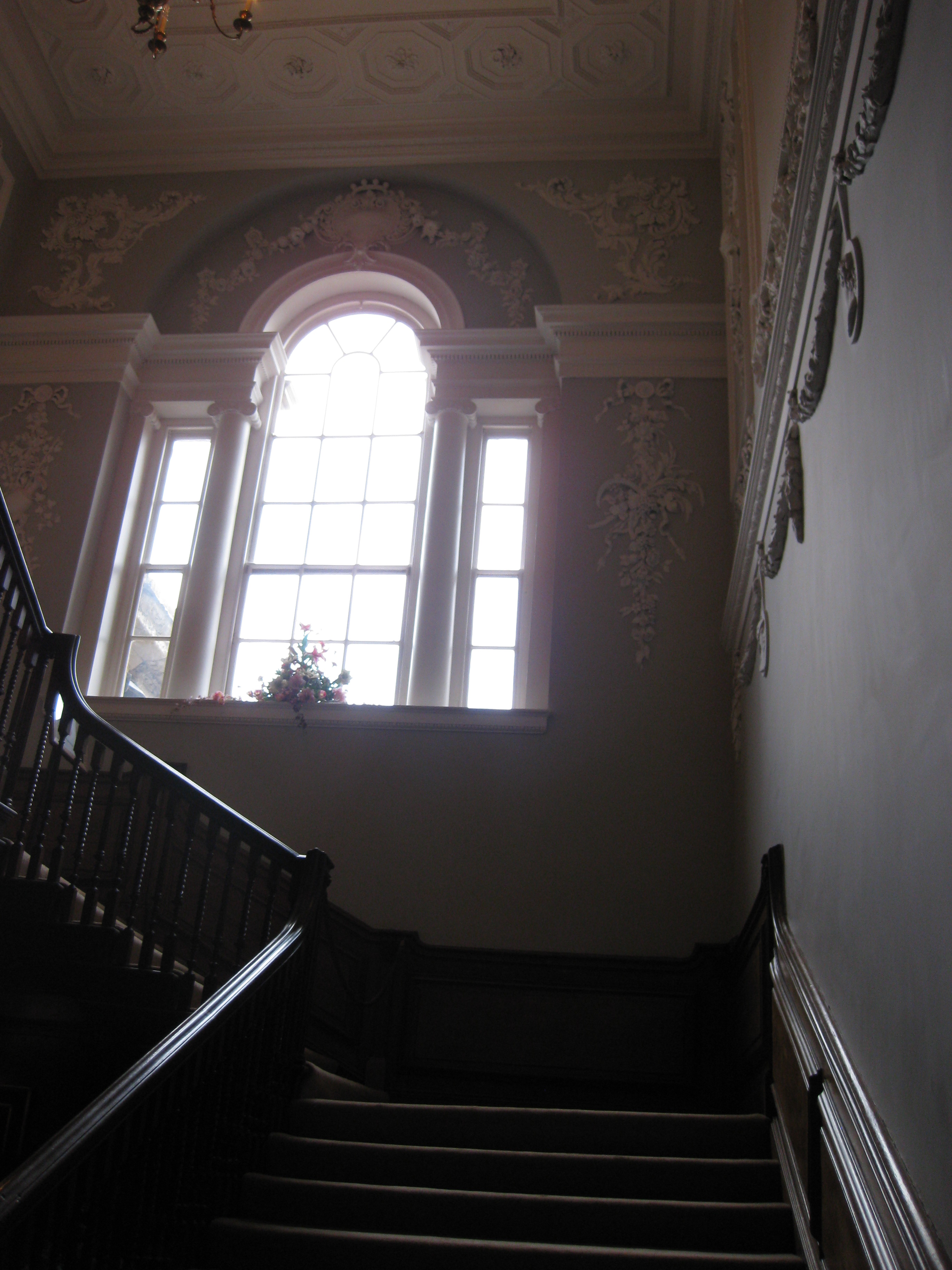
Dark Oak Staircase, Northanger Abbey?
If we wonder if Jane was possibly envious of her cousin, that opinion may also be there for us to read in her novel Northanger Abbey ‘It was wonderful that her friends should seem little elated by the possession of such a home, that the consequences should be meekly borne… ‘Northanger Abbey having been a richly endowed convent at the time of Reformation, of its having fallen into the hand of an ancestor of the Tilneys on its dissolution, of a large portion of the building still making a part of the present dwelling although the rest was decayed or of its standing low in a valley, sheltered from the north and east by rising woods of oak.’
Nest week I’ll explain how Jane’s family inherited Stoneleigh Abbey after the Reformation, it’s having fallen into her ancestors hands.
Jane Lark is a writer of authentic, passionate and emotional love stories.
See the side bar for details of Jane’s books, and Jane’s website www.janelark.co.uk to learn more about Jane. Or click ‘like’ on Jane’s Facebook page to see photo’s and learn historical facts from the Georgian, Regency and Victorian eras, which Jane publishes there. You can also follow Jane on twitter at @janelark
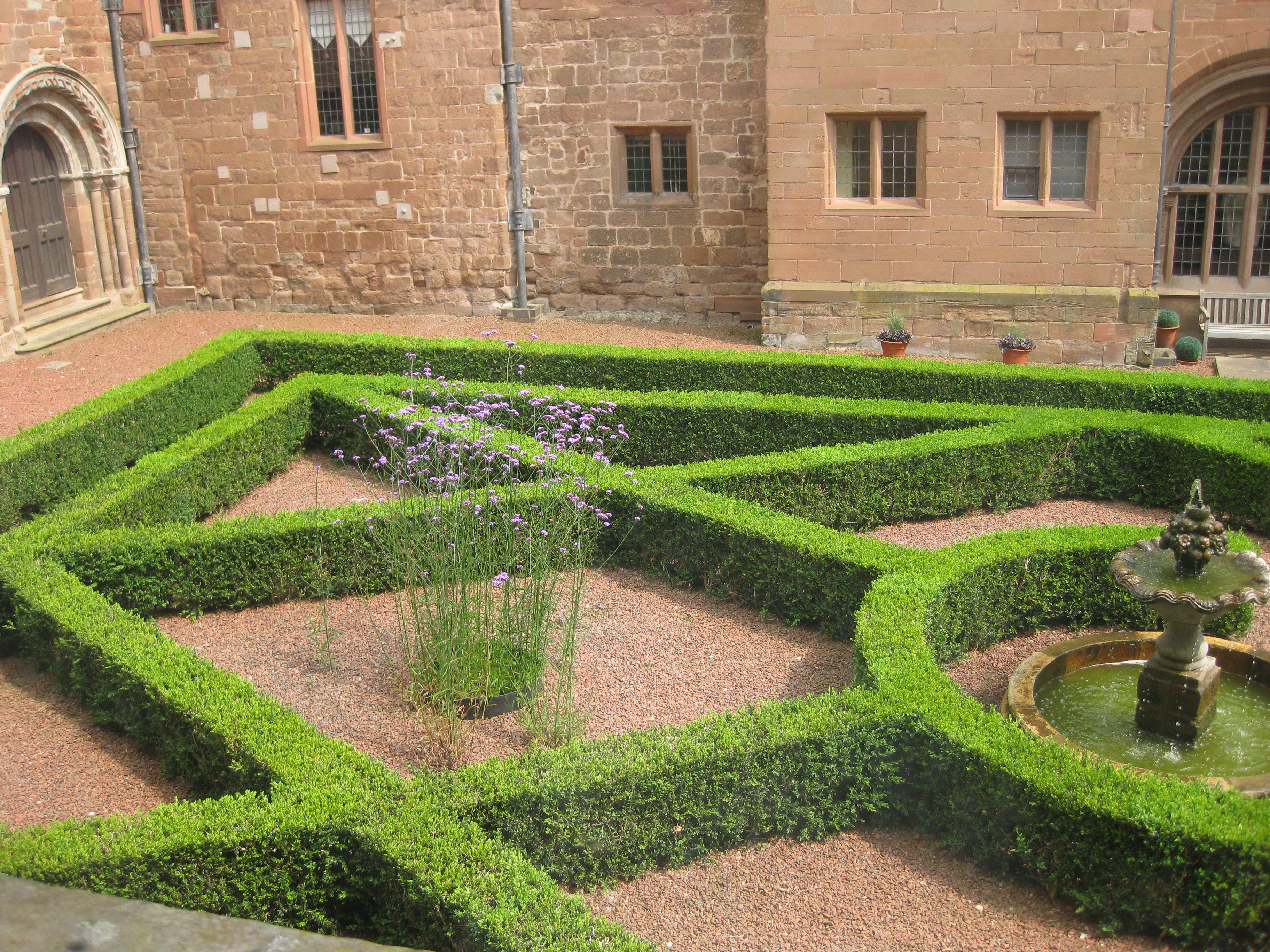



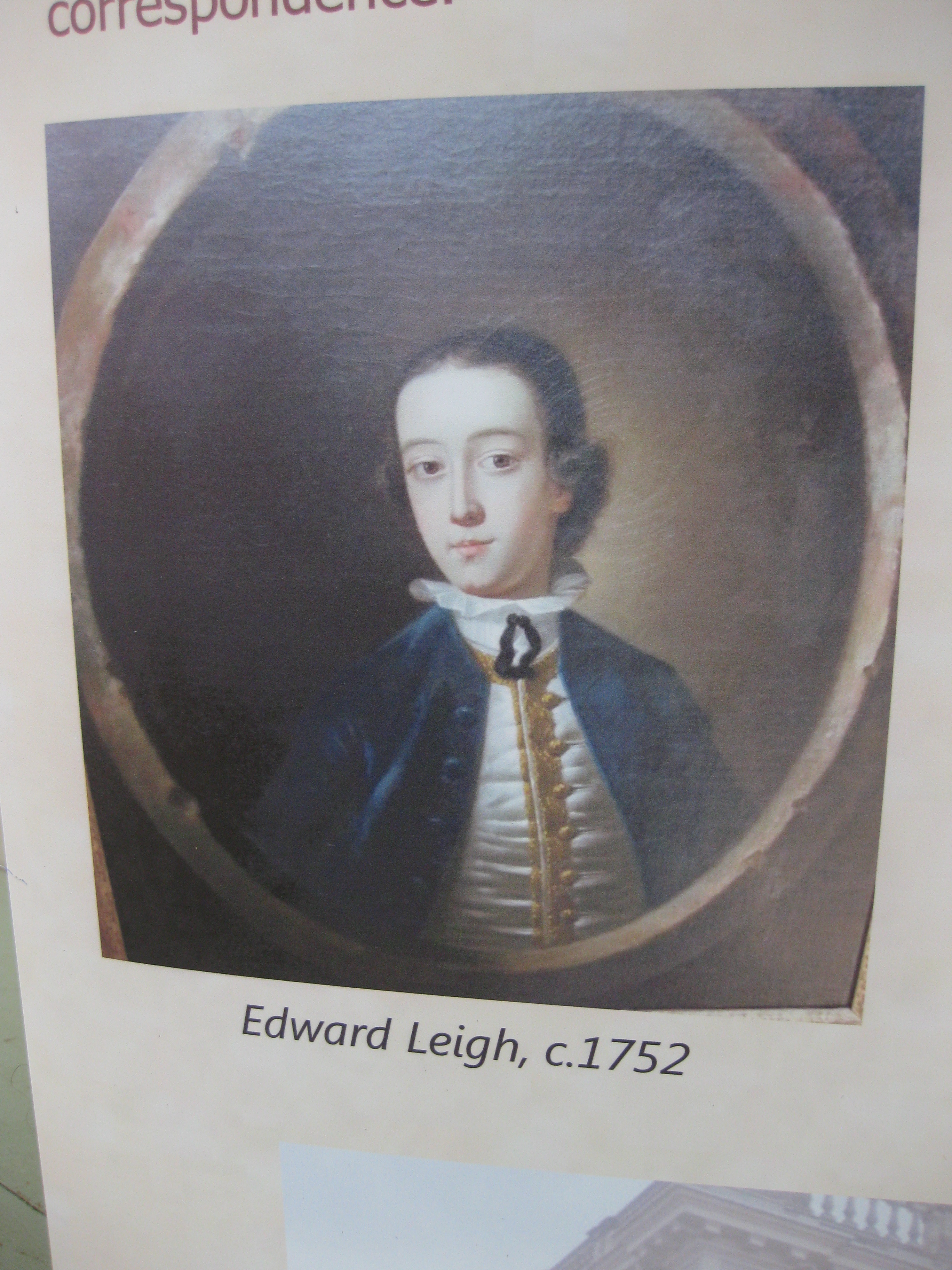

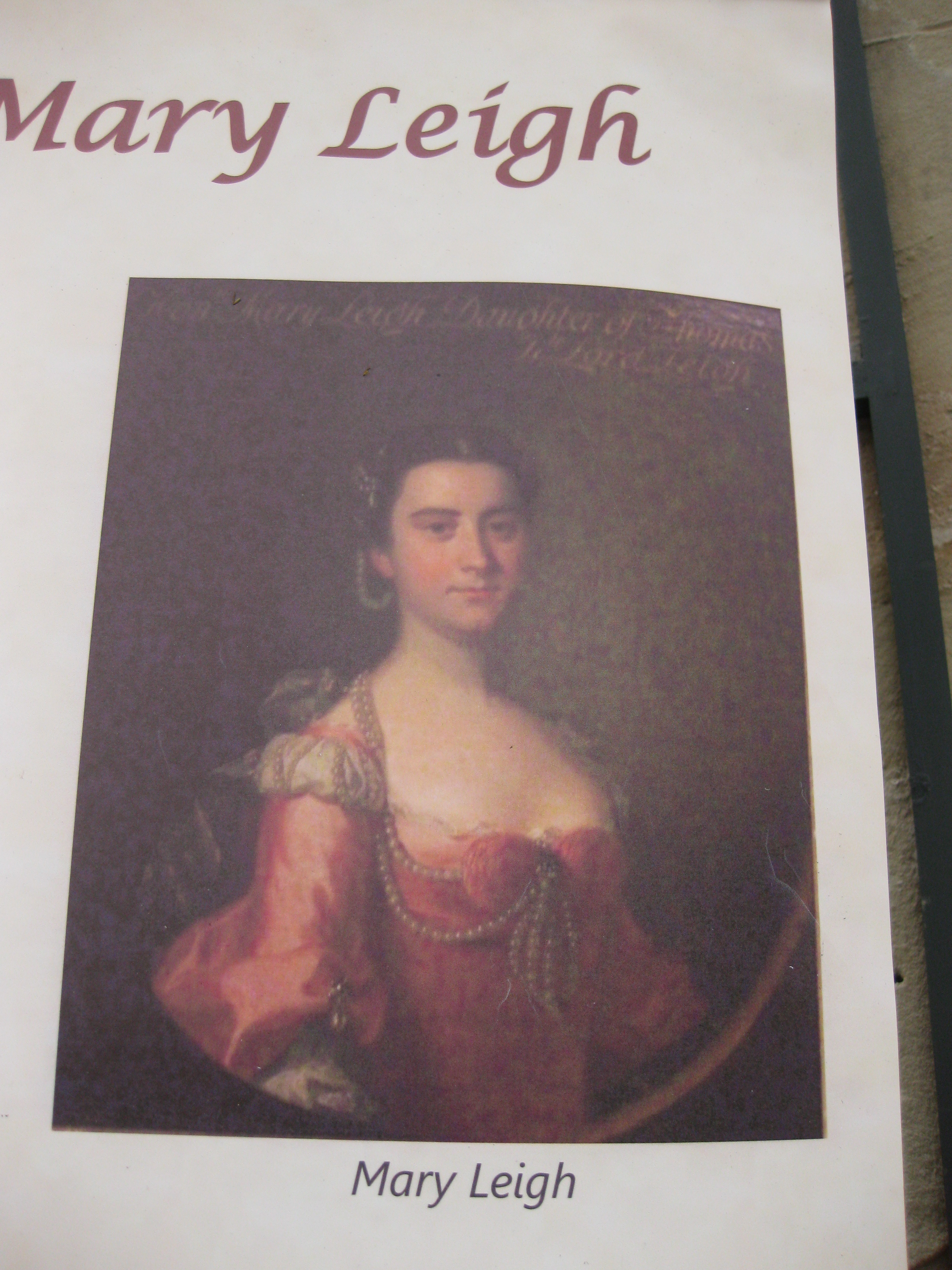 Mary never married but as her parents had died when she was just thirteen she’d grown up in London and she lived her life in the style of good ton as one of the wealthy landed elite of Britain. She attended the London seasons staying in Grove House in Kensington and spent her family’s fortune on dressing in the latest fashion and buying jewels. She did not only desire to keep herself in fashion either but her male servants too, who had four changes of livery and wore a claret or scarlet coat with lace trim.


 Author, Jane Lark's stories