My visit to Stratford upon Avon satisfied another of my odd obsessions

… Old Trees!

We visited all of the Shakespeare Trust managed properties when we stayed in the town in May, the house we really did not think was worth the visit, though, was New Place. The reason is in the name, it is new, although it was built on the site of Shakespeare’s family home, there is nothing left of the original building and therefore the building was not a satisfying experience.

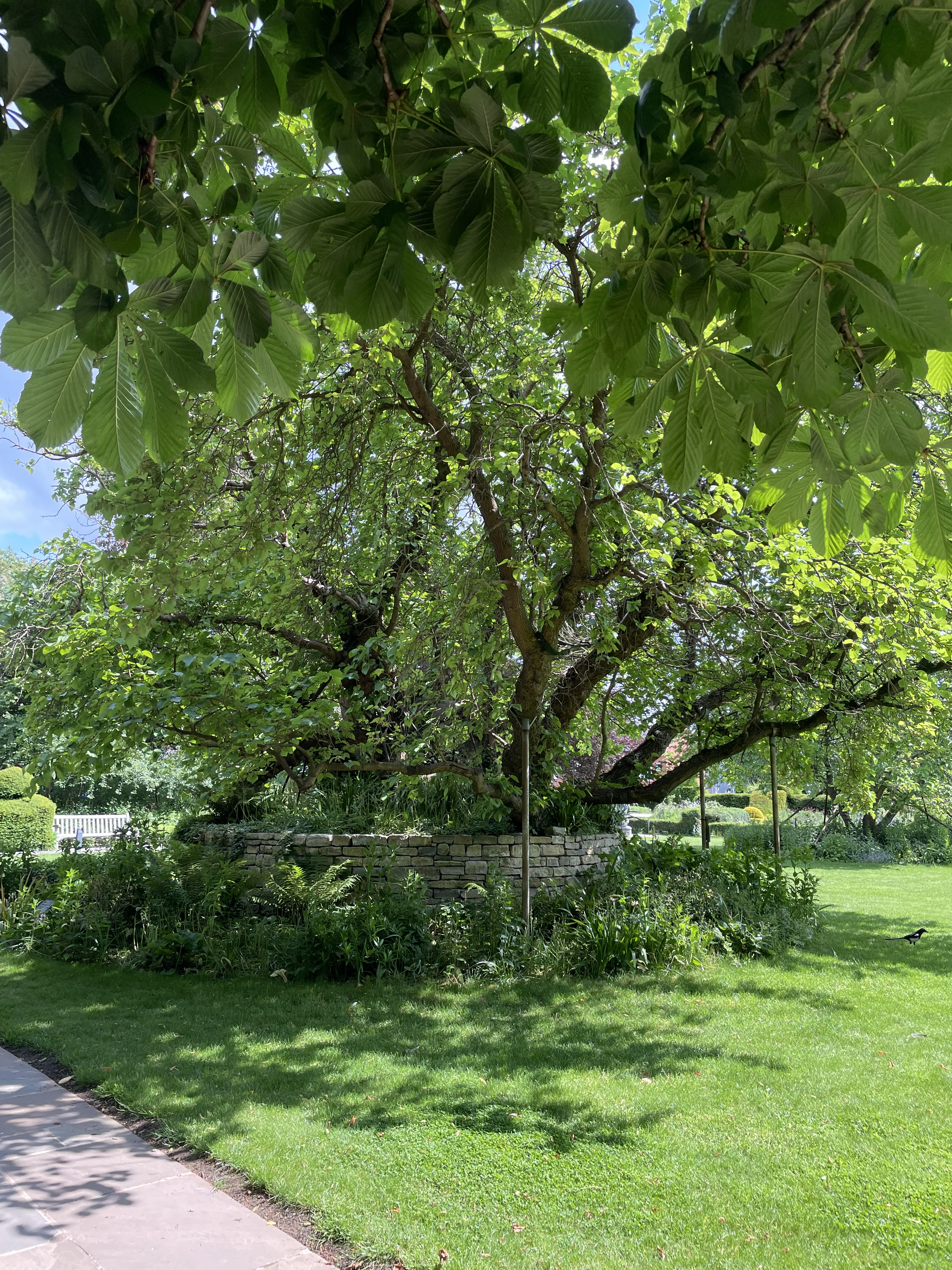
However, the garden was a lovely serene place, if I lived in Stratford upon Avon I would pay for an annual pass and just sit in the garden for hours at a time. it was beautiful and I felt more in tune with the history of the place in the garden than I did in the new house. Especially because… yes… there was a very old tree. A mulberry tree. Apart from in historic gardens mulberry trees are scarce these days, and therefore I find them fascinating. While this tree was not as old as the 1500s I could clearly see that it’s been around for a long time, and it is claimed to be grown from a cutting from one that Shakespeare had in his garden orchard.
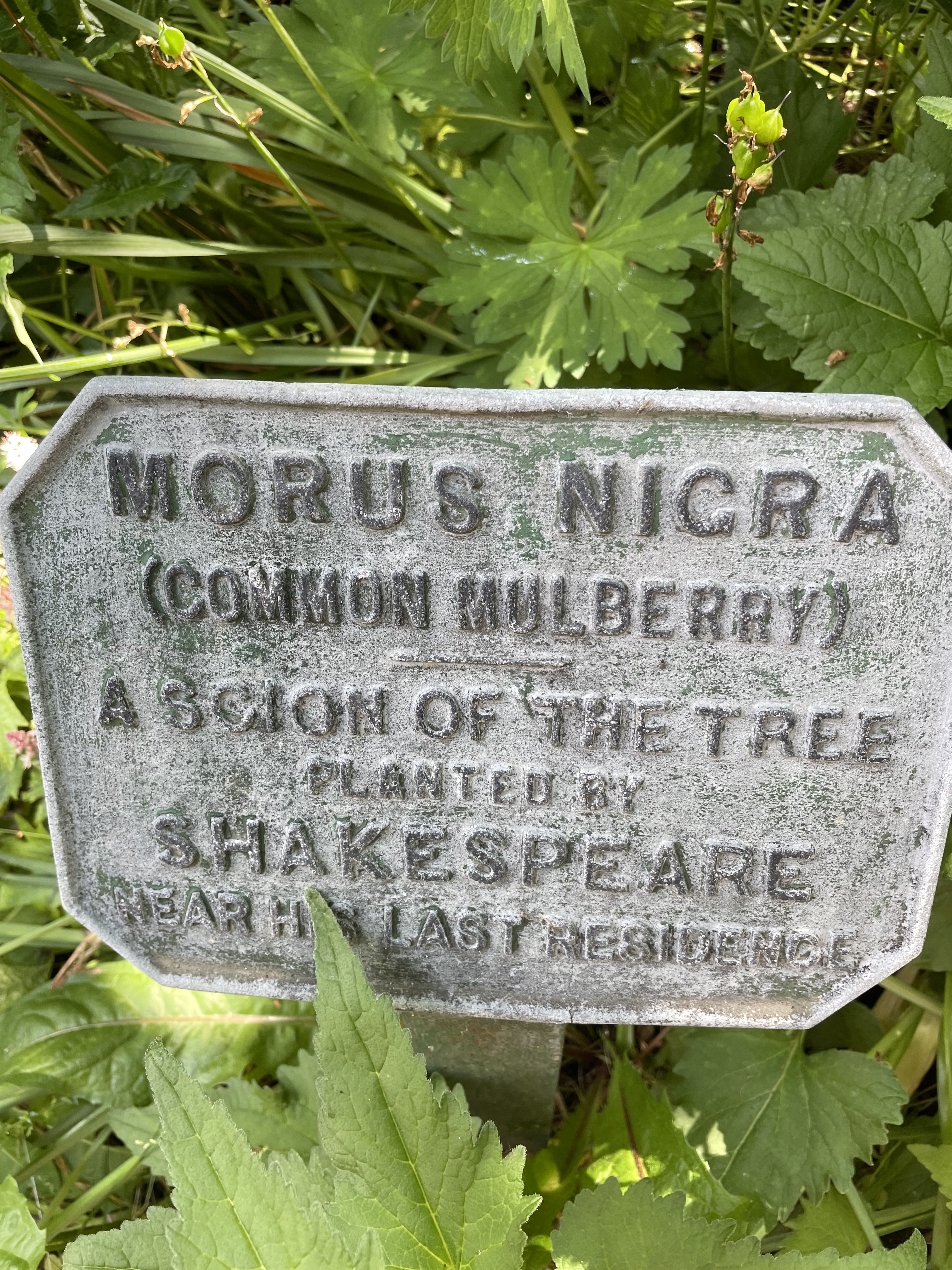
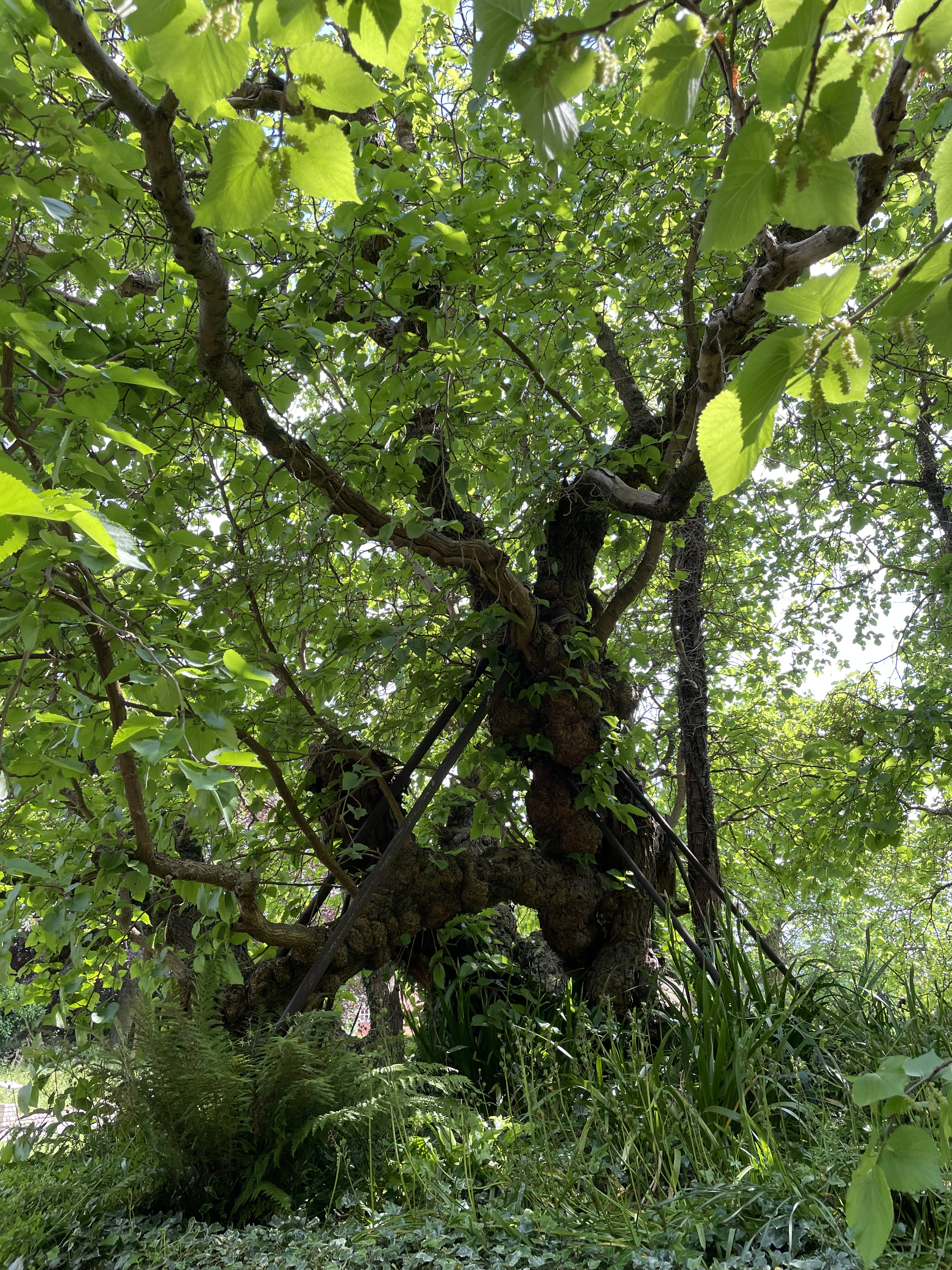
The last mulberry bush I saw was in the garden of Chastleton Hall, and that one was in fruit at the time.
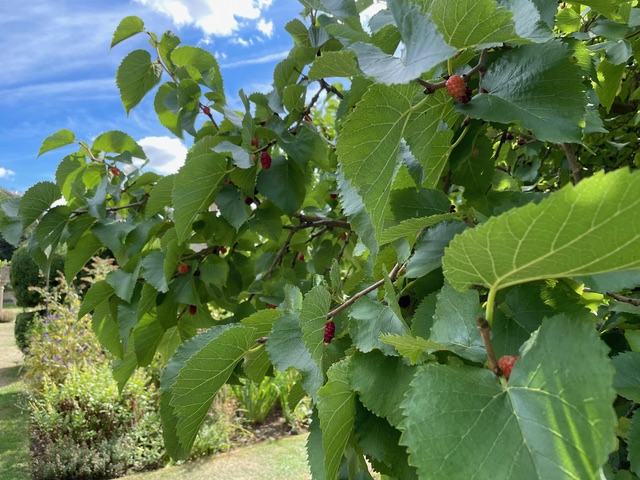
The fruits look similar to raspberries but they are not at all the same, not in taste or growth type. The plants and fruits are unconnected. I haven’t tried a mulberry but they are described as very sweet when ripe.

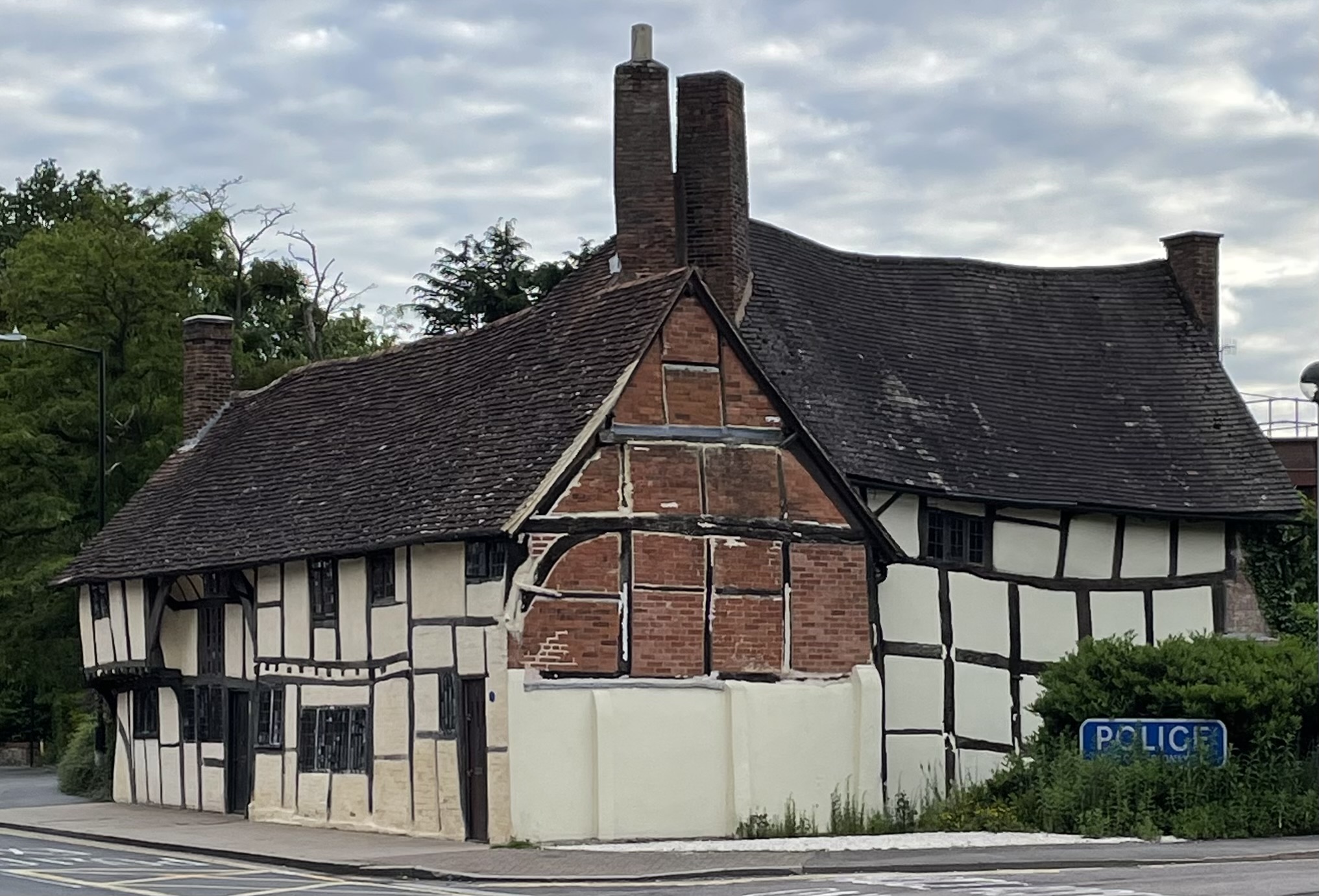
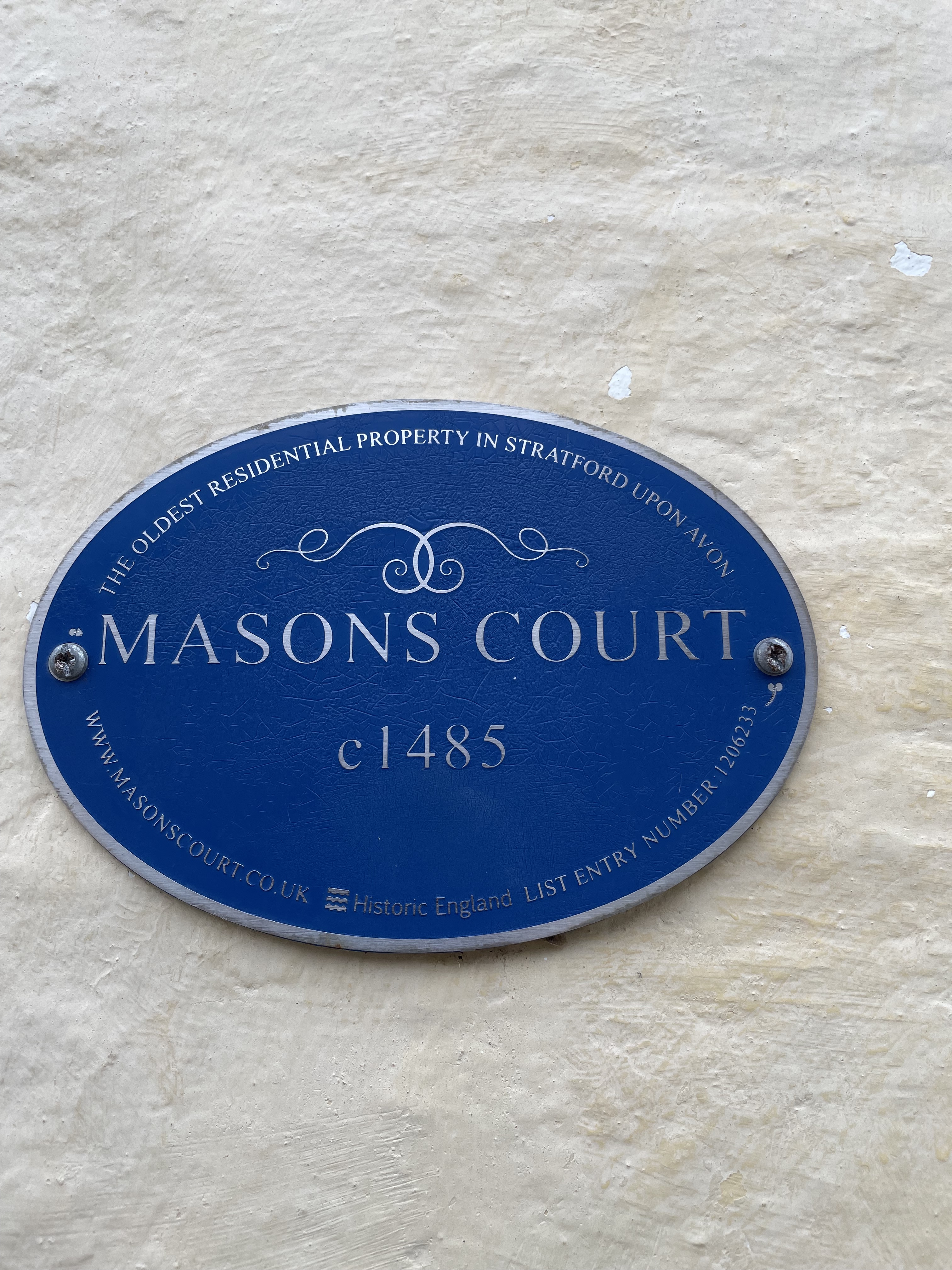
What was even more exciting, though, was that the property I stayed in in the town was the oldest known residential house…
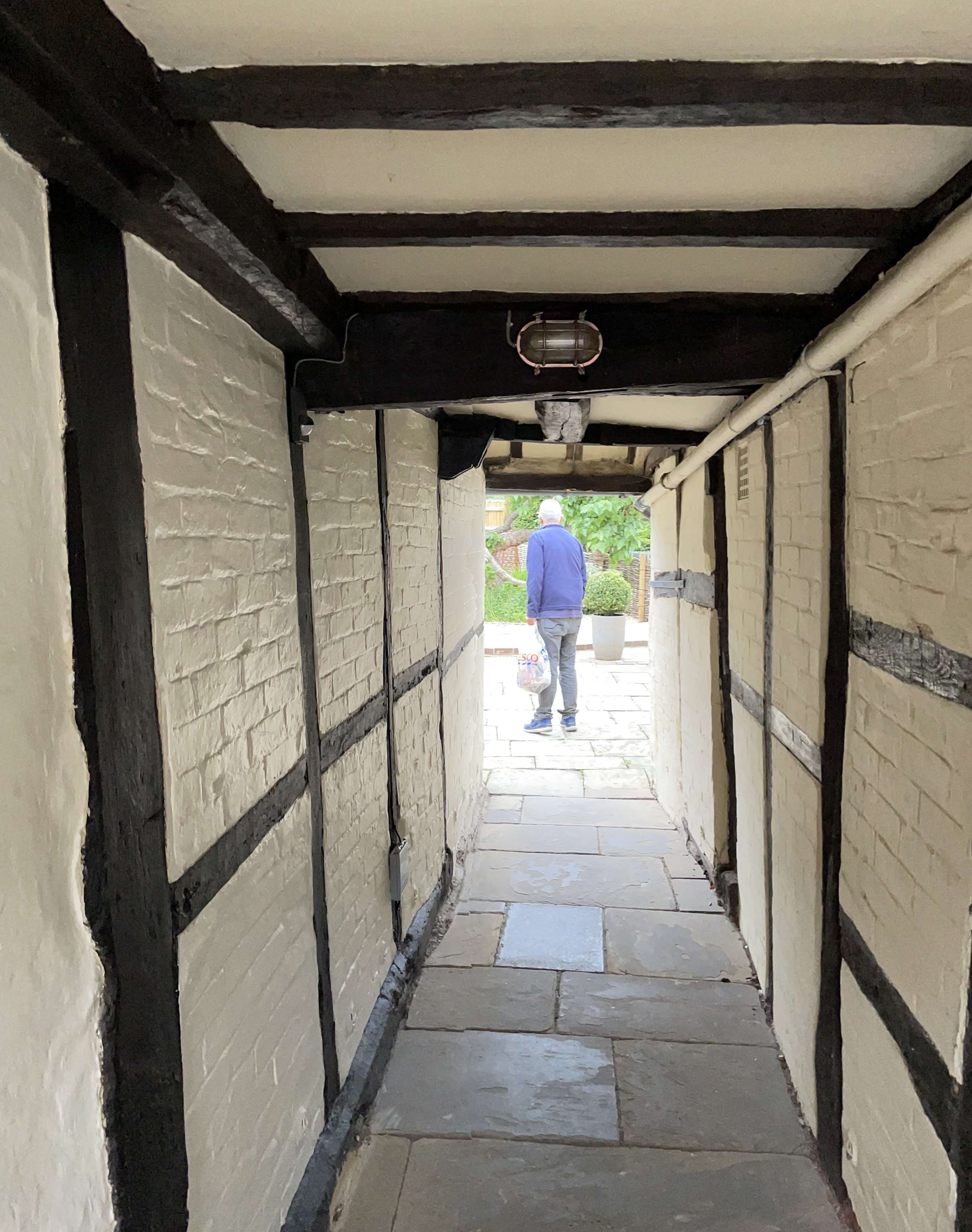
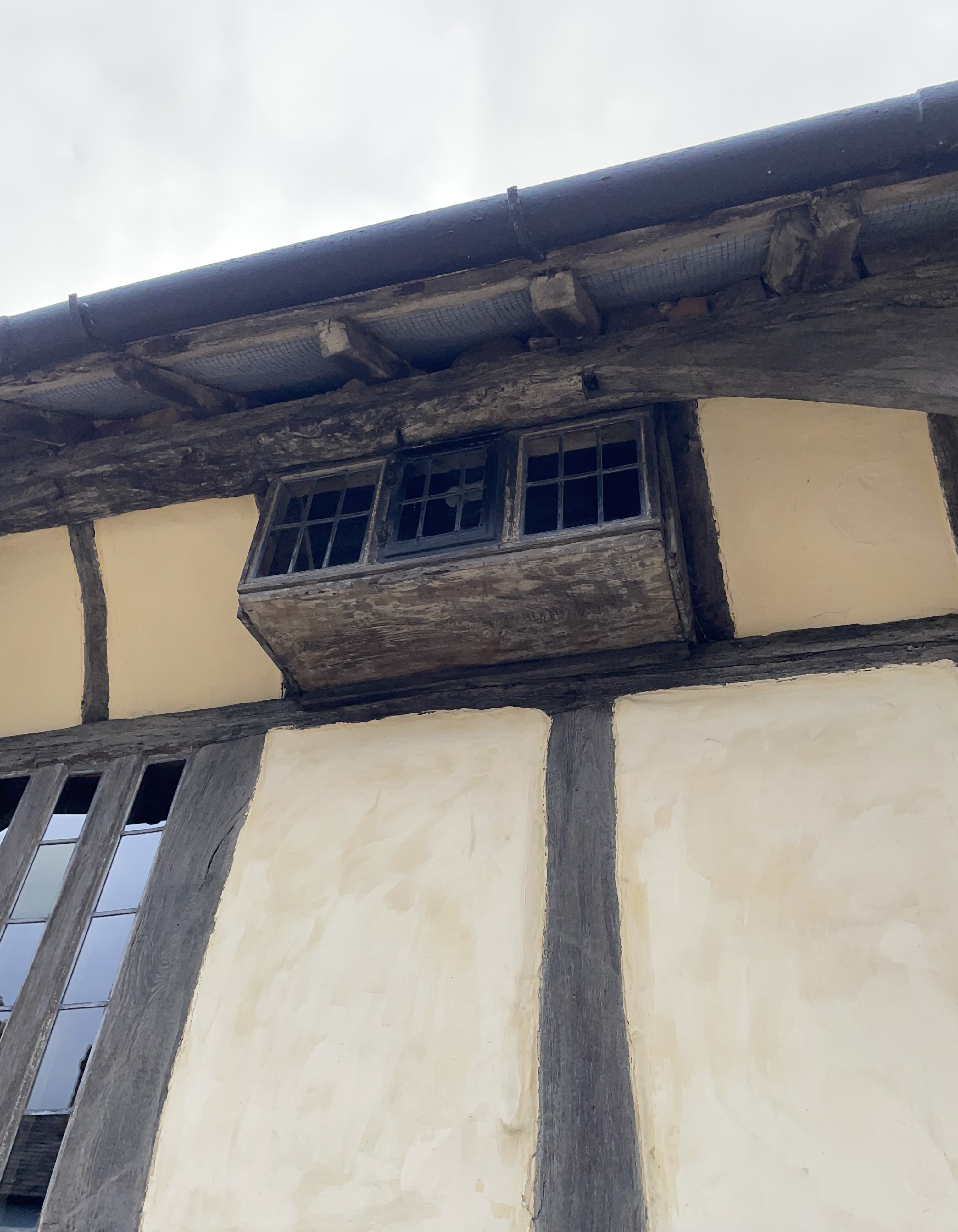
And, yes, it also had a very old mulberry bush in the garden! They were everywhere in Stratford upon Avon.
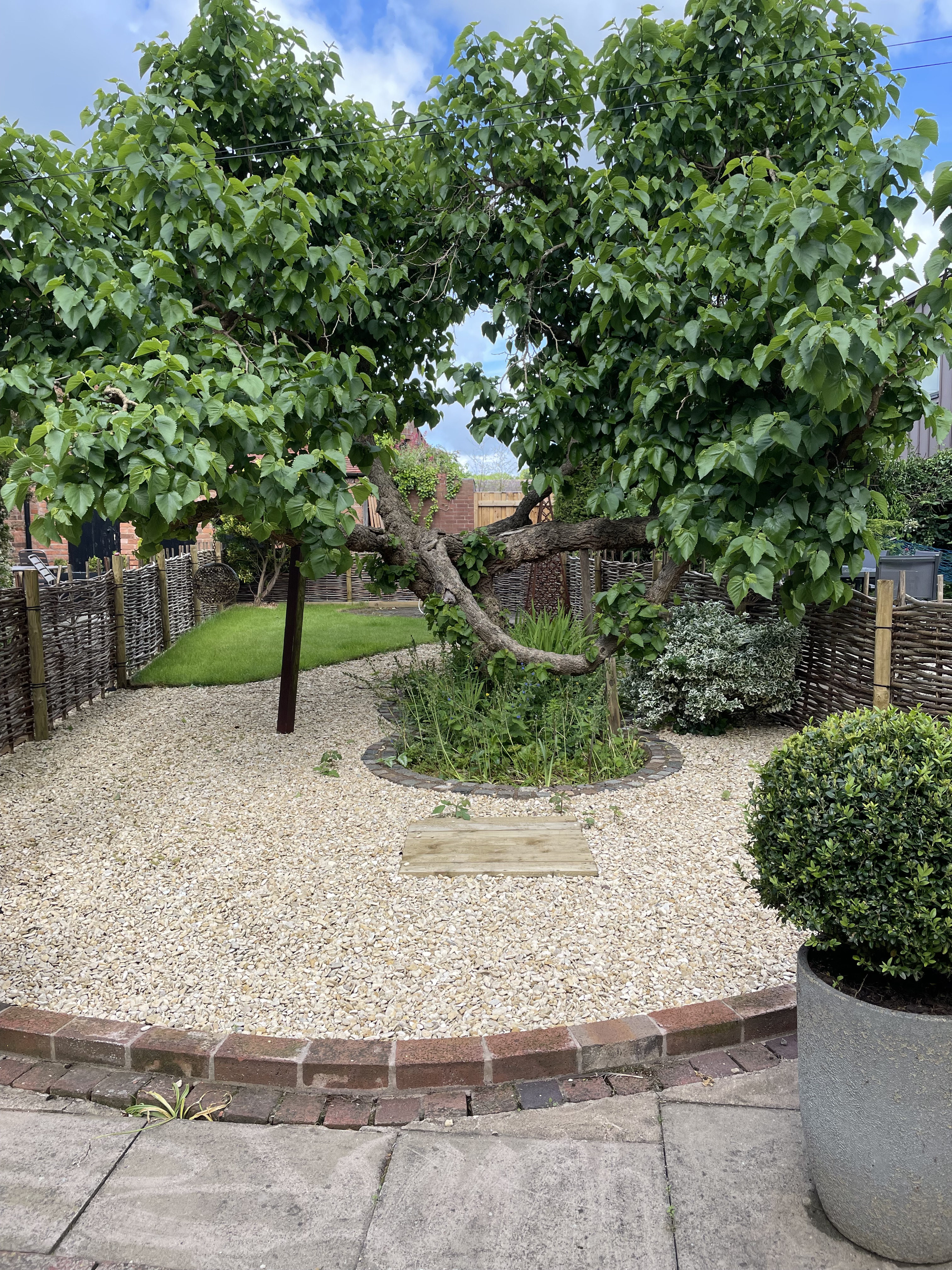
“Here we go ’round the mulberry bush

The mulberry bush

The mulberry bush

Here we go ’round the mulberry bush

on a cold and frosty morning.”

Queen Charlotte’s Cottage Folly ~ not a Bridgerton folly

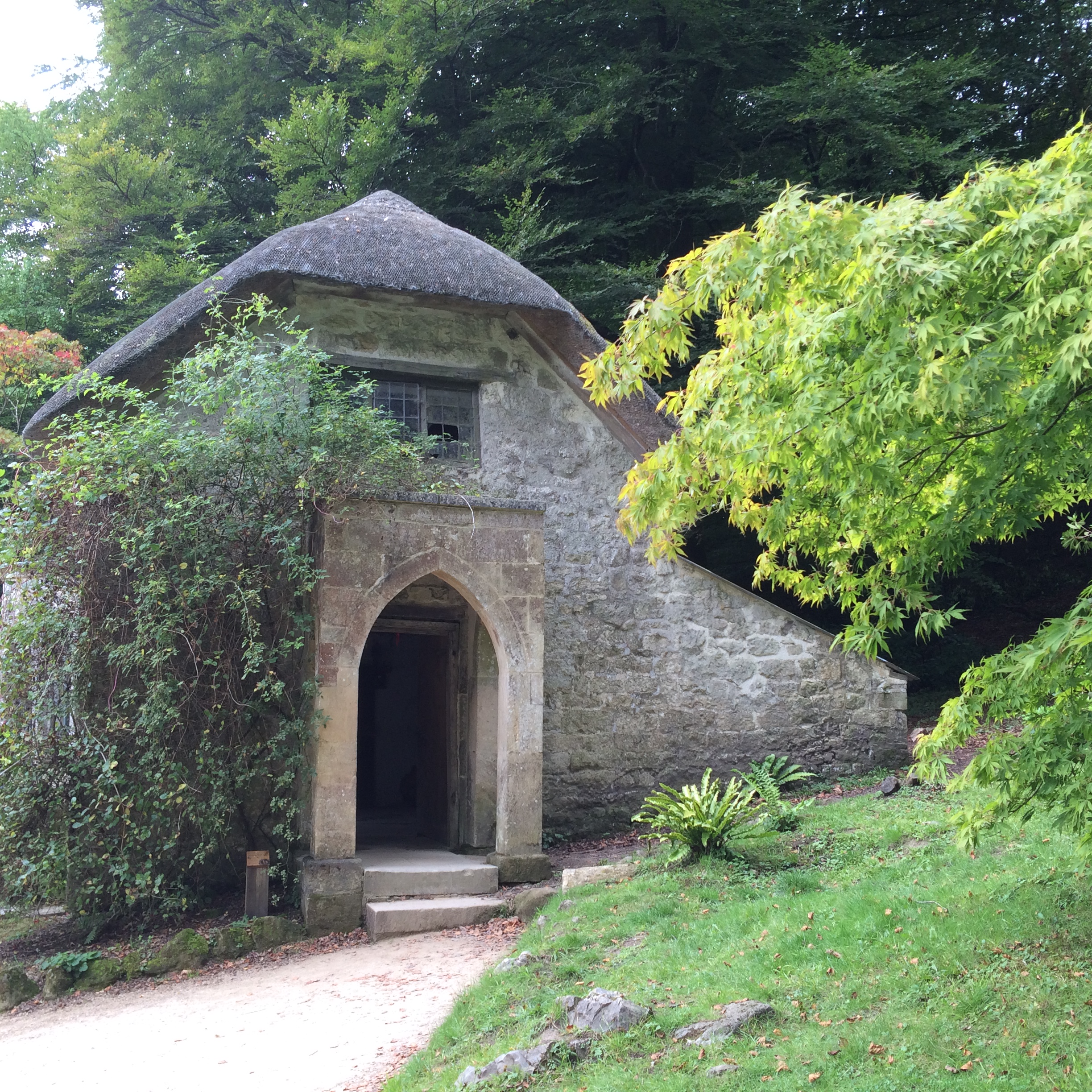
I have used follies in my Regency Romances because I love the idea of building something just for fun, just for adult entertainment, be that entertainment innocent or sinful. The Georgian eras were renowned for pleasure seeking, from the pleasure gardens that people paid to attend, like Vauxhall, to the tunnels and rooms dug beneath the Chiltern Hills created for the Hellfire Club. One of the most popular follies for innocent entertainment at the time, was to build a cottage in the garden. Just a single room that could be used for more simple pleasures like stopping for a cup of tea during an afternoon stroll.

I have used the folly in the images below, which is in the grounds of Stourhead, as an example to make up my own cottage folly for scenes in a book. I have always thought it quite impressive that so much detail was built into something people only occasionally used. But that was the whole point of a folly, it was a stupid waste of money, but it was also, therefore, an expression of how wealthy you were because you had money you could afford to waste on such a luxury.

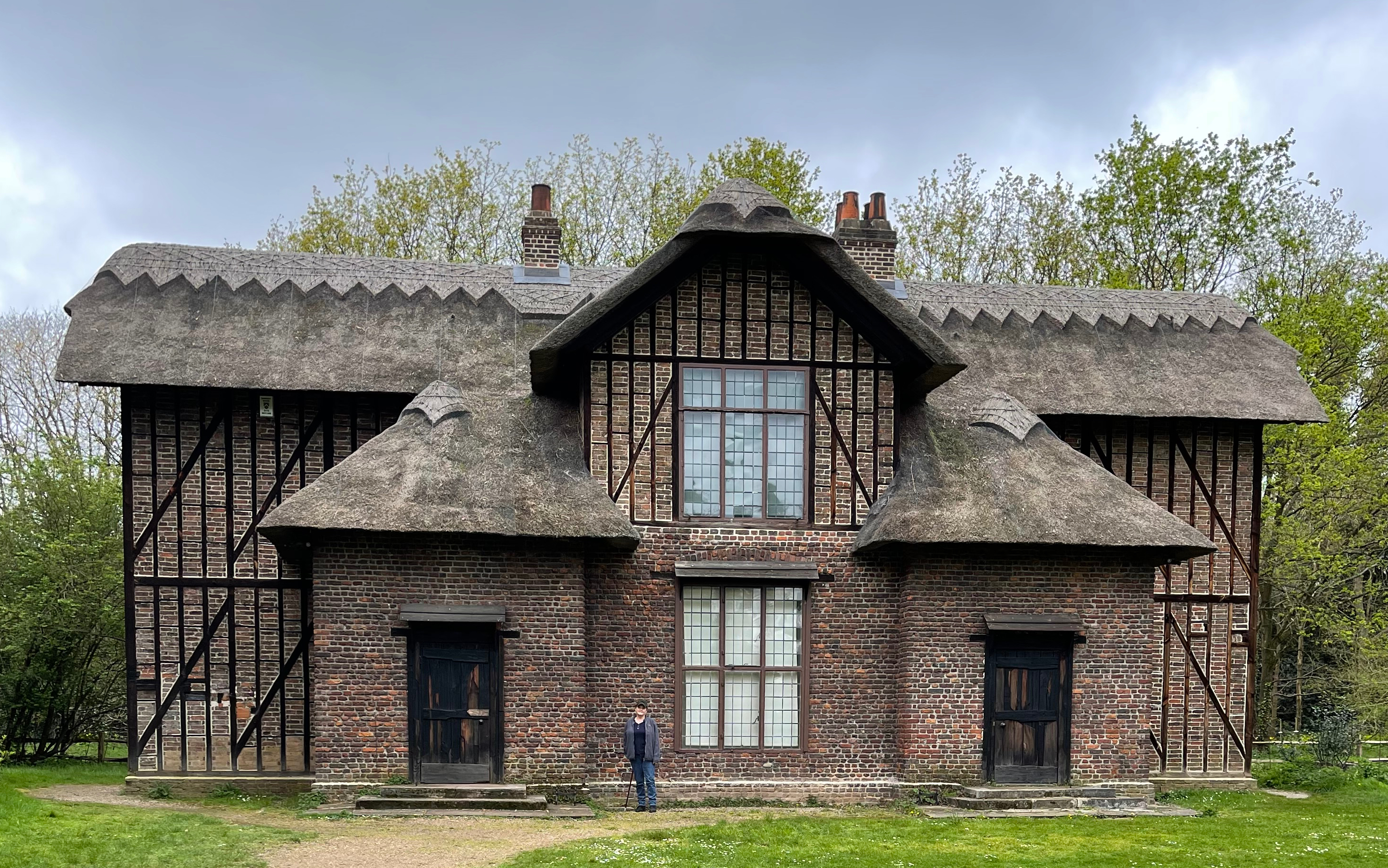
So when I saw the cottage built for Queen Charlotte in the grounds of the palace at Kew, London… Below. Well, what a folly, or you could say what a silly waste of money. Or you could say what an impressive investment in luxury. Royal luxury.

This cottage folly serves exactly the same purpose as the much smaller version at Stourhead, and I love that they are built in a similar style, displaying the same fashion, with a chimney/s and thatched roof. Just like the cottage at Stourhead, the cottage in the grounds of Kew Gardens, is a place to stop while they took some exercise in the grounds, they may have ridden or walked to reach it, and the servants would be there already with a luncheon prepared. It is not a place where anyone can live, or stay, it is literally for a short period of pleasure.

I have to say, this is not the tallest folly I have ever seen, but I think it well maybe the largest.