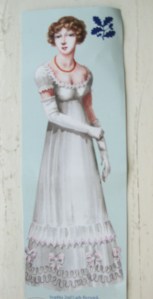
Sophia Dubochet
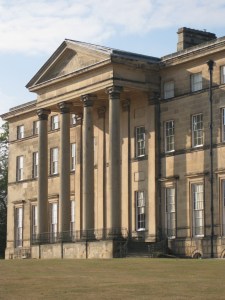
We spent a great day at Attingham recently, it is an amazing house. In a previous blog I spoke of the scandalous real life story of a young courtesan, Sophia Dubochet and the 2nd Lord Berwick. Sophia being the sister of the infamous kiss and tell writer of the 1800’s Harriette Wilson who was also a courtesan, and probably jealous of her lucky younger sister.
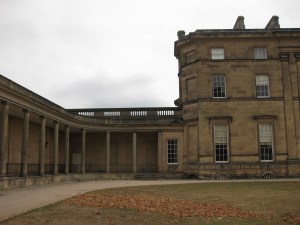
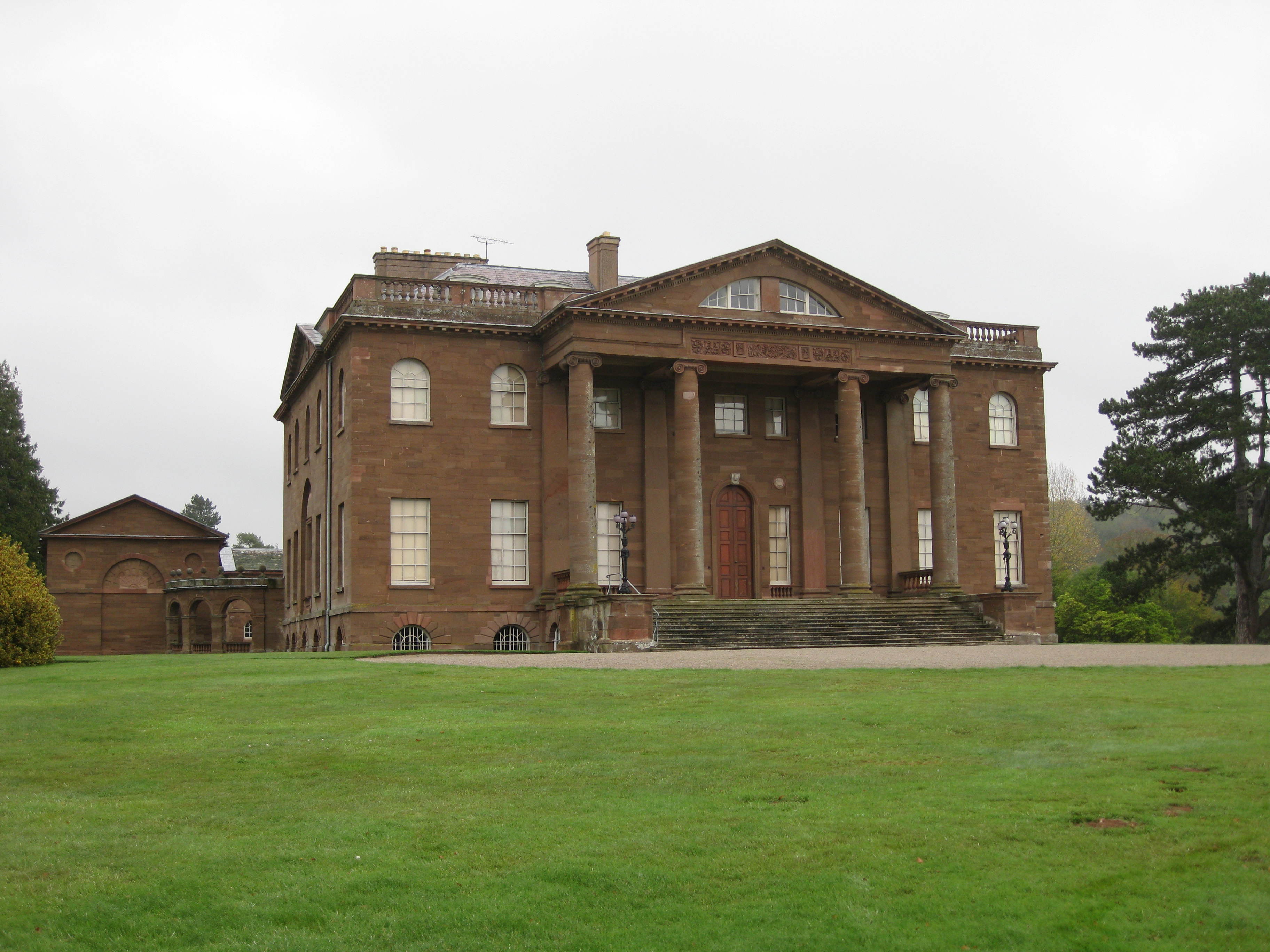
You can understand her jealousy when you see the house and park Sophia managed to obtain as a home through her marriage to Lord Berwick.
Lord Berwick was clearly devoted to Sophia. He was brought up a son of a love match. (His father had also defied advice over his choice of bride and married for love.)
His father built Attingham and it is divided in the fashionable style, with a feminine and masculine side to the house.
The feminine side is very romantically decorated, with beautiful ceiling paintings of scenes of idyllic love, with cupids carrying their bows.
It is no wonder then that when the 2nd Lord Berwick fell in love at forty, with a seventeen year old courtesan, he decided to flout the unwritten rules of society and have her for his wife.
He’d inherited his title at 19, and undertaken the Grand Tour, and probably, as was common in the time, had an ideal poetic image of love, and he must have passed from his 19th year to his 40th being able to have everything he wished, with wealth and status to supply it. Hence he deliberately set out to purchase Sophia’s love, buying her numerous gifts.
His lavish spending on her did not stop when they married. Much of the redecoration they undertook survives at Attingham and what has not survived is being replaced so you can see the house in the style they established.
For instance the black and pink curtains Thomas, the 2nd Lord Berwick, put up in his study.
You can also see one of the gifts Thomas gave Sophia, a gold music box, with a monkey as the conductor and a gold harp.
Sophia collected birds, and spent extravagantly on herself and others. Needless to say they financially ran aground in the end.
In 1827 and 1829 they were forced to hold bankruptcy auctions to pay off debts.
At this point Thomas’s younger brother William came to the rescue and purchased much of the furniture and then leased Attingham.
Thomas and Sophia went to Italy following this, where Thomas died in 1832. Sophia then returned to England and died in Lemington Spa at the age of 81 in 1875.
There are some of Sophia’s dresses and other articles on show at Attingham, her fans and calling-card holders.
It sets my imagination off looking at these things and thinking of someone I have read so much about holding them, wearing them and touching them. Quite, quite, amazing.
To see the Attingham website with internal pictures go to http://beta.nationaltrust.org.uk/attingham-park/
Jane Lark is a writer of authentic, passionate and emotional love stories.
See the side bar for details of Jane’s books and Jane’s website www.janelark.co.uk to learn more about Jane. Or click ‘like’ on Jane’s Facebook page to see photo’s and learn historical facts from the Georgian, Regency and Victorian eras, which Jane publishes there. You can also follow Jane on twitter at @janelark
 Author, Jane Lark's stories