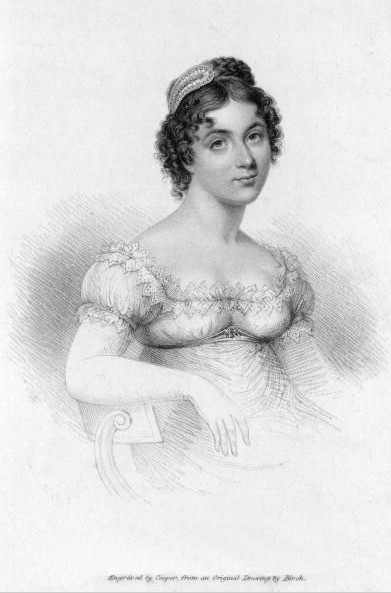
 Last week Harriette discovered the identity of the man she had been secretly admiring for weeks, and having seen him at the Opera she considered herself utterly in love, but this is the first time we then hear her speak of wives.
The men she had established arrangements with before this period in her life had been unmarried at the time. But both the Duke of Wellington, with whom she had set up regular intrigues, and this man, for whom she carried a hard burning torch, were married.
But before I tell you more, let me recap on the history of this series of blogs for anyone joining today – as usual if you have already read this, read on from after the Italics.
In 1825 Harriette Wilson, a courtesan, published a series of stories as her memoirs in a British broad sheet paper. The Regency gentleman’s clubs were a buzz, waiting to see the next names mentioned each week. While barriers had to be set up outside the shop of her publisher, Stockdale, to hold back the disapproving mob.
Harriette was born Harriette Debochet, she chose the name Harriette Wilson as her professional name, in the same way Emma Hart, who I’ve blogged about previously, had changed her name. Unlike Emma, it isn’t known why or when Harriette changed her name.
She was one of nine surviving children. Her father was a watchmaker and her mother a stocking repairer, and both were believed to be from illegitimate origin.
Three of Harriette’s sisters also became courtesans. Amy, Fanny and Sophia (who I have written about before). So the tales I am about to begin in my blogs will include some elements from their lives too.
For a start you’ll need to understand the world of the 19th Century Courtesan. It was all about show and not just about sex. The idle rich of the upper class aspired to spending time in the company of courtesans, it was fashionable, the thing to do.
You were envied if you were linked to one of the most popular courtesans or you discovered a new unknown beauty to be admired by others.
Courtesans were also part of the competitive nature of the regency period too, gambling was a large element of the life of the idle rich and courtesans were won and lost and bartered and fought for.
So courtesans obviously aspired to be one of the most popular, and to achieve it they learnt how to play music, read widely, so they could debate, and tried to shine in personality too. They wanted to be a favoured ’original’.
The eccentric and outspoken was admired by gentlemen who liked to consort with boxers and jockeys, and coachmen, so courtesans did not aim for placid but were quite happy to insult and mock men who courted them, and demand money for any small favour.
Not only did Harriette’s friend Julia, share that Lord Ponsonby, Harriette’s desired beau, was considered the most handsome man in England, but she also shared that Harriette probably had little chance with him, because his wife was equally considered the most loveliest creature on earth. ‘I have always been told, very near perfection.’
Harriette’s response during their carriage ride home was that she was glad she had not seen his wife, and hoped she would never see her ‘as long as she lived.’
But Harriette’s obsession with Lord Ponsoby was to be held at bay. He left town. She discovered his absence when deliberately walking past his house a few days after the Opera, only to see the shutters were closed, and therefore the house was empty.
So she was left to continue the constant supplication of men she had little interest in, but endured for the money they paid her.
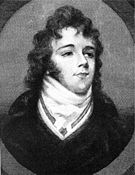
Beau Brummell
She comments on a letter from Beau Brummel, begging to be admitted to her home, ‘beautiful Harriette’, and claiming he would willingly prostrate himself in public before her, on the pavement, if she would only agree. But she claims his words touched her so little she cannot remember the rest.
Then she speaks of another young man, who was not wealthy, and not in fashion, but had waited to see her at her home, and pleaded passionately for her favour. Although Harriette doubts his true emotion and says, she assumes perhaps he merely pleaded so dramatically as he was under the belief, ‘faint heart never won fair lady.’ Still she turned him away, convincing him he was not for her, (she was well past her days of accepting penniless men) and shook hands with the poor desperate young man, only agreeing to be his friend.

The Duke of Wellington
When Wellington called though, in the morning, and said he had thought of Harriette in bed the night before, she dryly responds with, ‘How very polite to the Duchess.’ Proving again, although a man’s wife does not stop her making arrangements with a gentleman, she must have thought of their wives.
But she must have had very mixed emotions for the Duke of Wellington. She says again when he comes to tell her that he is leaving for the continent that she does feel for him, because he had given her a considerable amount of money, and saved her from many duns. She even cries, although she says her melancholy mood may be as much to do with Lord Ponsonby still being out of town. Yet she compares the quality of Wellington’s company to her first protector, Lord Craven, who bored her silly. Implying Wellington is hard to speak with, she tell us how she talks on every subject to get him talking and then he will just throw in a random comment. ‘(By the by, ignorant people are always wondering)’. Harriette’s words 🙂
Reading between the lines of this period of Harriette’s life, although she still had her fame, and the adoration of many men, it seems to me she found that adoration shallow. What she longed for now was love, she wanted Lord Ponsonby, who she had a passion for, and in comparison, enduring the hollow flattery of men who claimed to love her, but probably did not, seemed tiring and miserable. And that is probably why she cried when Wellington left, because by then she could not walk away from that life, she needed the money these men were giving her, she could not go back and chose a different path, and Wellington’s going probably meant she must put herself about even more.
As I said last week, when Harriette wrote these memoirs, she blackmailed many gentlemen asking them to pay her to keep their stories out of hers, the king among them, and at this point I would guess Harriette speaks of one of the men she blackmailed. Subtly she drops in a comment about a man she arranged to meet at Julia’s, who, as when she met Wellington, had not given his name. Therefore someone so greatly distinguished he did not wish to be known or seen to be making an arrangement with her.
When he arrived, he still refused to give his name, saying ‘it did not signify’. When she’d met Wellington he’d played the same game. But Harriette could not stand to be so insulted, and treated with disdain, so, as she did with Wellington, she sent word to say, ‘Go and tell him that I think it does signify; and that I will not receive people who are ashamed either of me, or themselves.’ When the servant feared giving the message, she wrote it down.
The paper was brought back to her with one word written on the other side.
She sent word back to say, ‘I don’t know anyone in that shire.’
The word would have been the county for which the man must hold a title, like Wiltshire, or Devonshire… But we know it wouldn’t have been the Duke of Devonshire, because she had a passionate dislike of Hart, who was profoundly deaf.
When the peer sent up his calling card, Harriette did see him, but only to hold him to account and ask for an apology, for a previously unmentioned event, when she accuses him of mistaking her house for a tavern, or something worse (presumably a brothel).
This scene, which she picks to mention now, I think again highlights how tired she is getting with this life. Previously she had always had an arrangement with just one man, but with Lord Lorne (her last protector) still away in Scotland, and an expensive lifestyle she wishes to keep, she had ended up drawn into a way of life that must have felt much more like true prostitution. She was entertaining several men, and she seems to be fighting to keep her self-respect by fighting to maintain the level of respect she achieves from the men who court her. She does not wish to associate herself with whores.
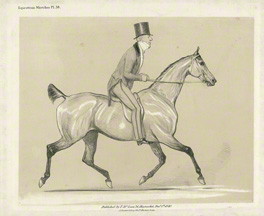
John Ponsonby, 4th Earl of Bessborough
So when she is entertaining with her friends and looks out her window to see Lord Ponsonby riding slowly past and looking in, her heart was again soaring with longing for something far more than what she has.
Continued next week…
Jane Lark is a writer of authentic, passionate and emotional love stories.
See the side bar for details of Jane’s books, and Jane’s website www.janelark.co.uk to learn more about Jane. Or click ‘like’ on Jane’s Facebook page to see photo’s and learn historical facts from the Georgian, Regency and Victorian eras, which Jane publishes there. You can also follow Jane on twitter at @janelark


