Attending the theatre in Jane Austen’s life-time

In my Regency period novels I often set scenes in theatre boxes, and for some that may seem a strange place when there would be little conversation between characters, yet, for the 19th Century that wasn’t true. As I learned from descriptions in the diary of a courtesan, Harriette Wilson.
Writings that talk about the every day life in that era are rarer, and I usually search this information out in letters between family members, but it was Harriette’s diary that helped me visualise what going to the theatre meant at the time. For the middle and upper class, it was a place to meet people, to see people and be seen, in the same way we might use a night club now. The rich paid to retain a box for months. Though, if they were not using the box they may let others hire their seat for an evening. The owner of the box often saw entertainments numerous times, and so they had no desire to listen, or men may pop in to listen to one particular element of a performance that they loved most and leave again. Those with no interest in the performance often talked through a whole performance. Something Harriette laughed about when someone became annoyed with her, because talking was why people used the boxes. She told the couple they should have sat in the seats below. For Harriette, the theatre was also part of her shop window. It was one of the best places where she and her fellow courtesans could meet new men, they clubbed together to rent a box and dressed up to be admired and deliberately laughed and conversed loudly to sell themselves as good company. They needed to be admired because the more men who were interested in them the higher price they could charge the men they agreed to enter into a relationship with.

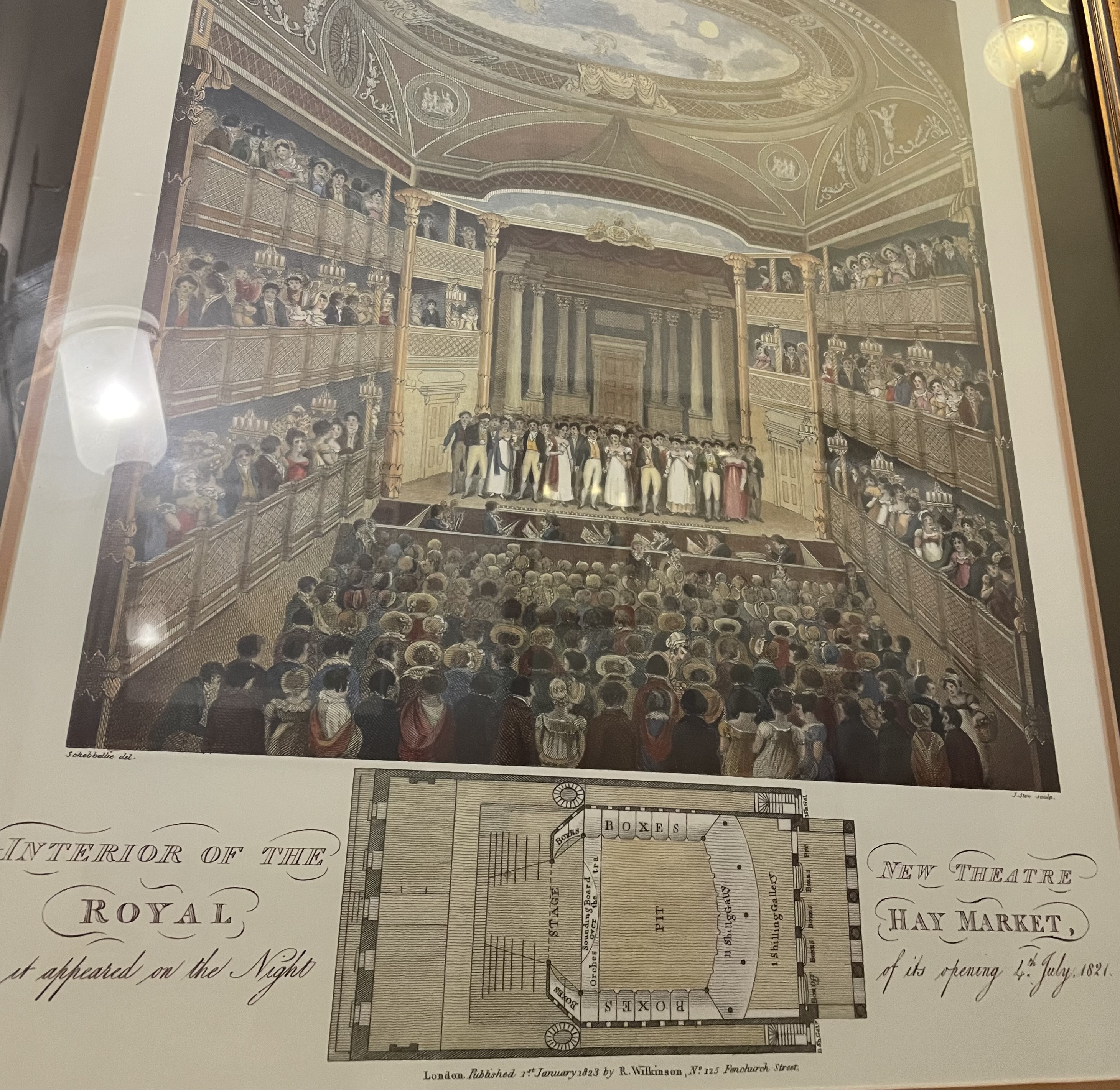
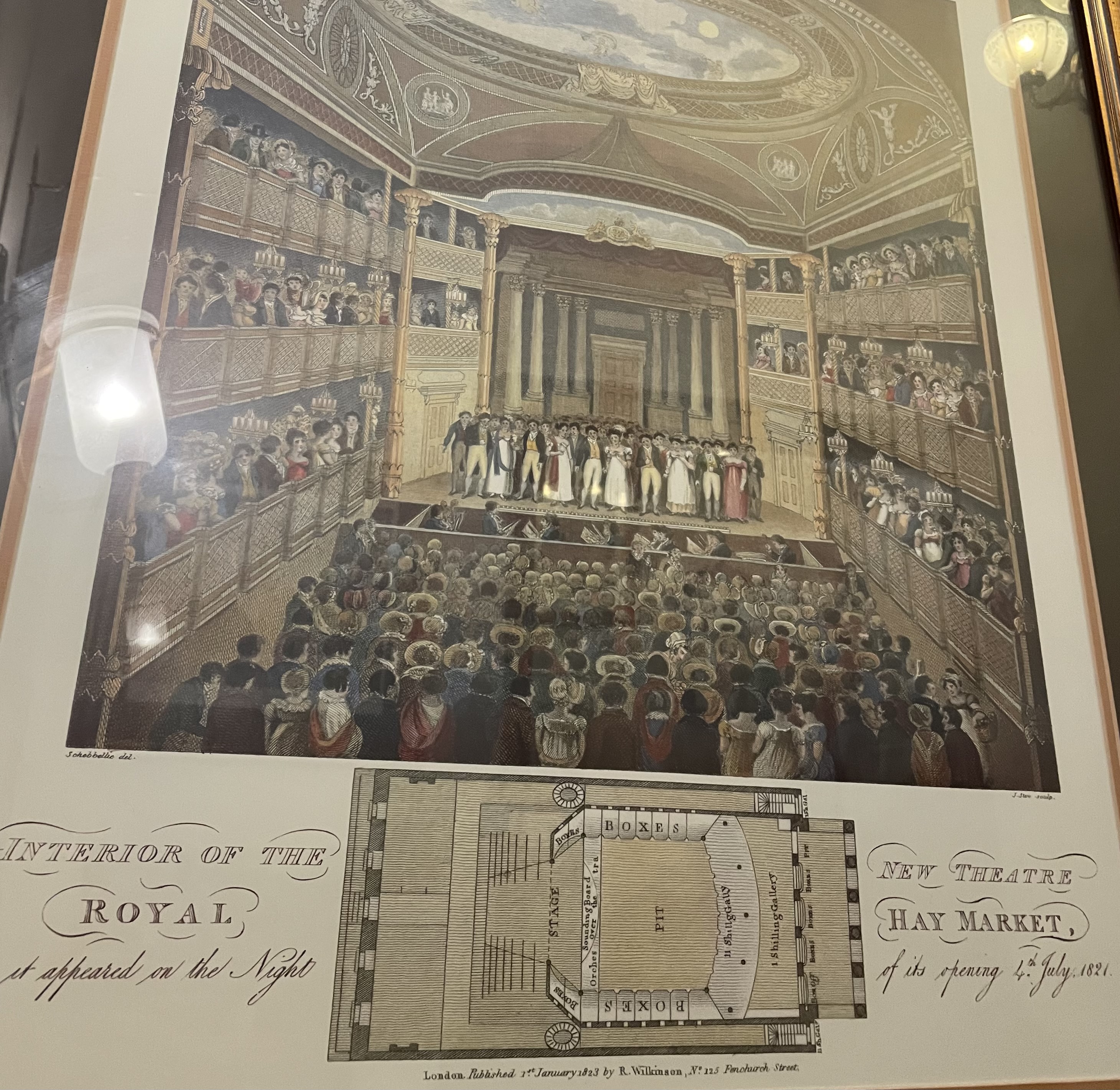
So then, with all of these comings and goings, and the continual conversation, and I’m sure the actors shouting to be heard, the theatre would have been a very different place than it is today, and it’s one of those regency ways of life that fascinates me. I was, therefore, thrilled when I saw these prints hiding high up on the stairway of a 17th Century pub in the Lake District which depicted exactly what I have imagined from Harriette’s descriptions.

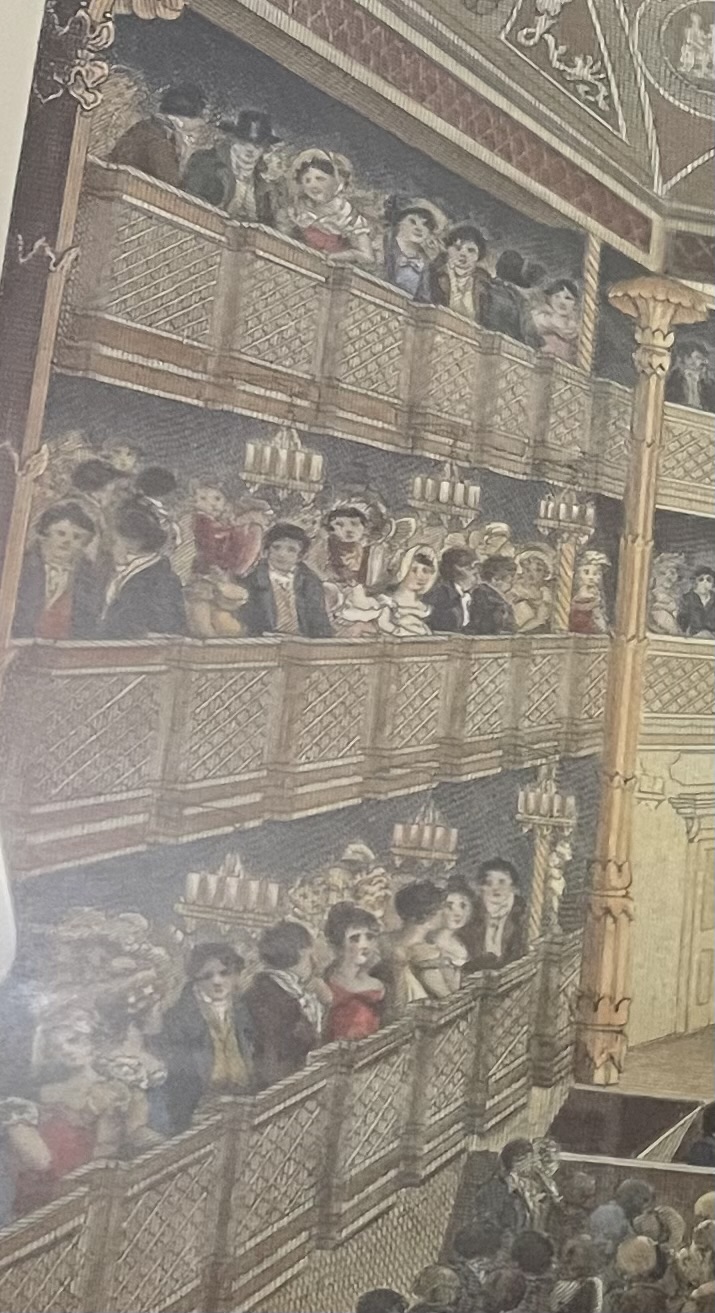
The Interior of the Royal ~ as it appeared on the night – New Theatre Hay Market – of it’s opening night 4th July 1821, published London 1 January 1823

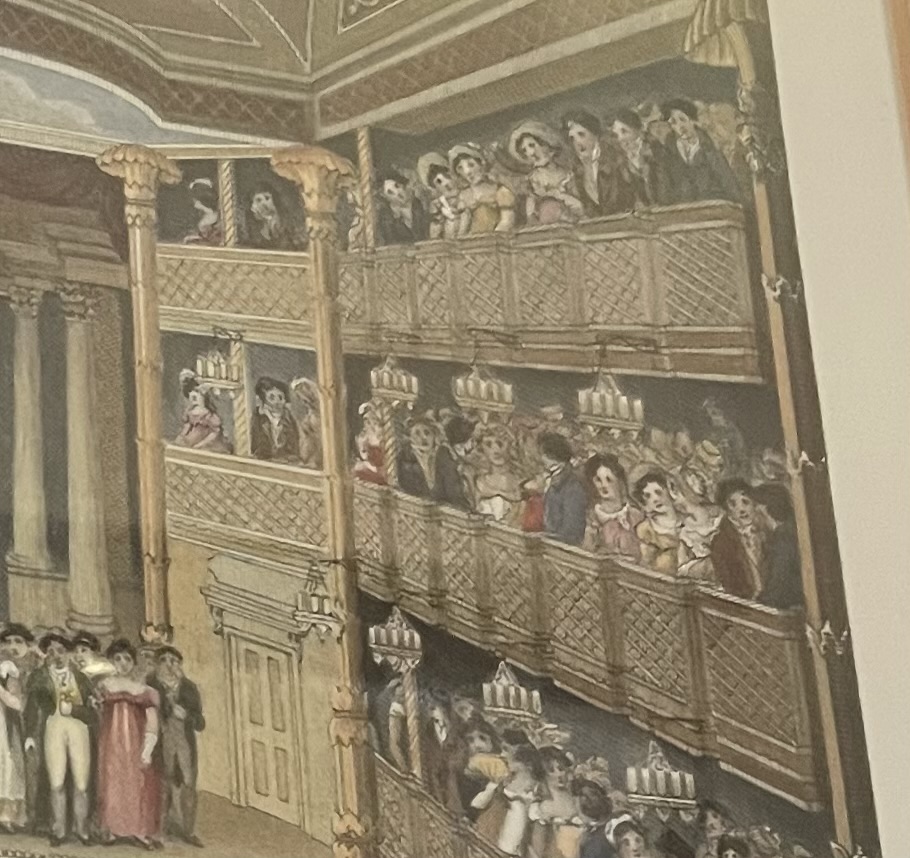
This first print, which is contemporary to the time, shows exactly what I have read described, look at how many people in the boxes are seated with their backs to the stage, and are clearly talking, it displays how much of a social event theatre going was for those with money. While in the pit, we see those who may have their one and only opportunity to see the entertainment facing forward and concentrating on the stage.

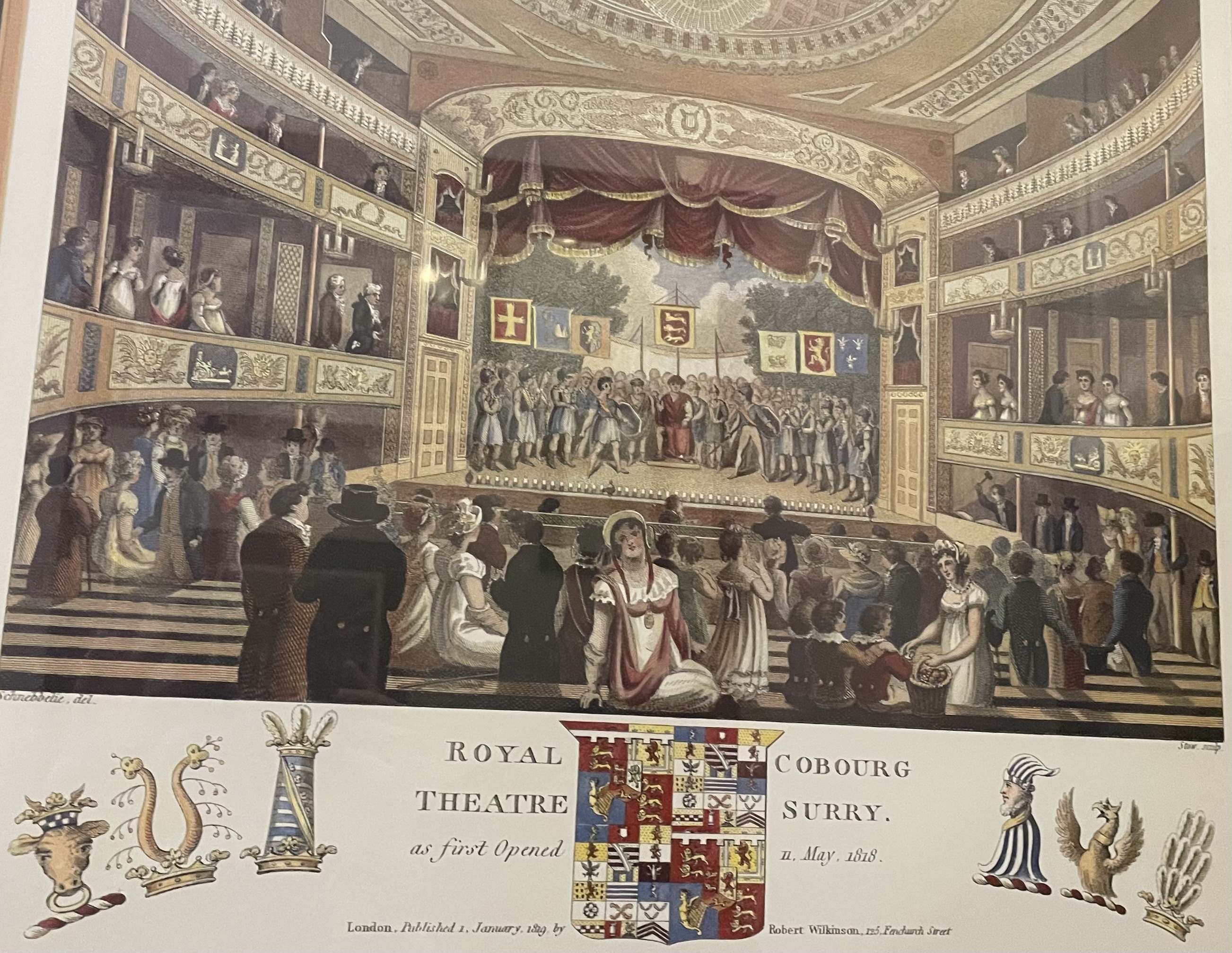
The image of the second theatre, The Royal Theatre Cobourg Surrey dated as the opening night in 1818 published 1 January 1819, is not anywhere near as busy a picture, and yet again it portrays that the people attending are talking, some with their backs turned on the stage. Both images portraying the theatre was a social hub.

A wonderful insight, so, if you love insights into history as I do, keep your eyes peeled for those interesting wall-filling prints in old hotels and pubs. I always have a walk around and a good look.

For more information on the history of theatres take a look at the UK’s National Archives here https://www.bl.uk/romantics-and-victorians/articles/19th-century-theatre
Sign up to receive my new newsletter here

https://www.janelark.co.uk/contact

A writer’s mood board

Many of the authors I know, in their story development stage, gather together ideas in the way lots of creative professionals do, by building them into a mood board. It helps to form those early inspirations into a context that creates a good story. A story – in romance that has a strong beginning middle and end, and in thrillers has a strong beginnnig, fifteen suprise deviations and a shocking end ;D .

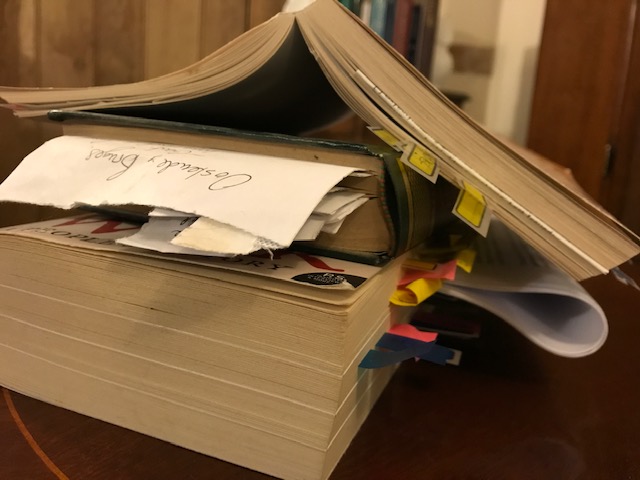
I’ve often talked about inspirations for the settings of scenes, and the plotlines in my books but there are also inspirations for the appearance of characters. Authors cut out pictures from magazines, of the public, actors and models they identify with and pin them onto cork boards along with pictures of places and sometimes maps of fictional villages and towns. My historical story boards are in my mind, on my laptop and despersed through books. There are hunderds of photos in folders, that I’ve taken on visits to places that have inspired me, and piles of books around the house with coloured bookmarkers or peices of paper poking out of the important pages. As my fans will know, for most books I also capture some of the things I’ve used as inspirtion in accompanying Pinterest Boards. So readers can see the places, items, properties and people that inspired elements of the stories.

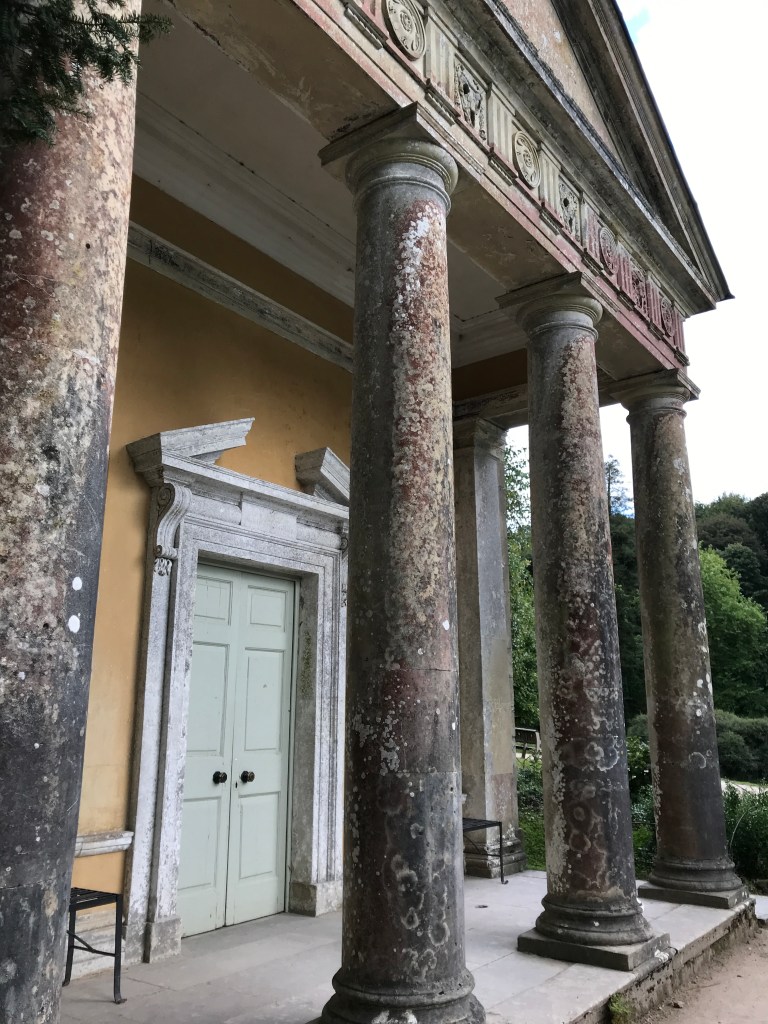
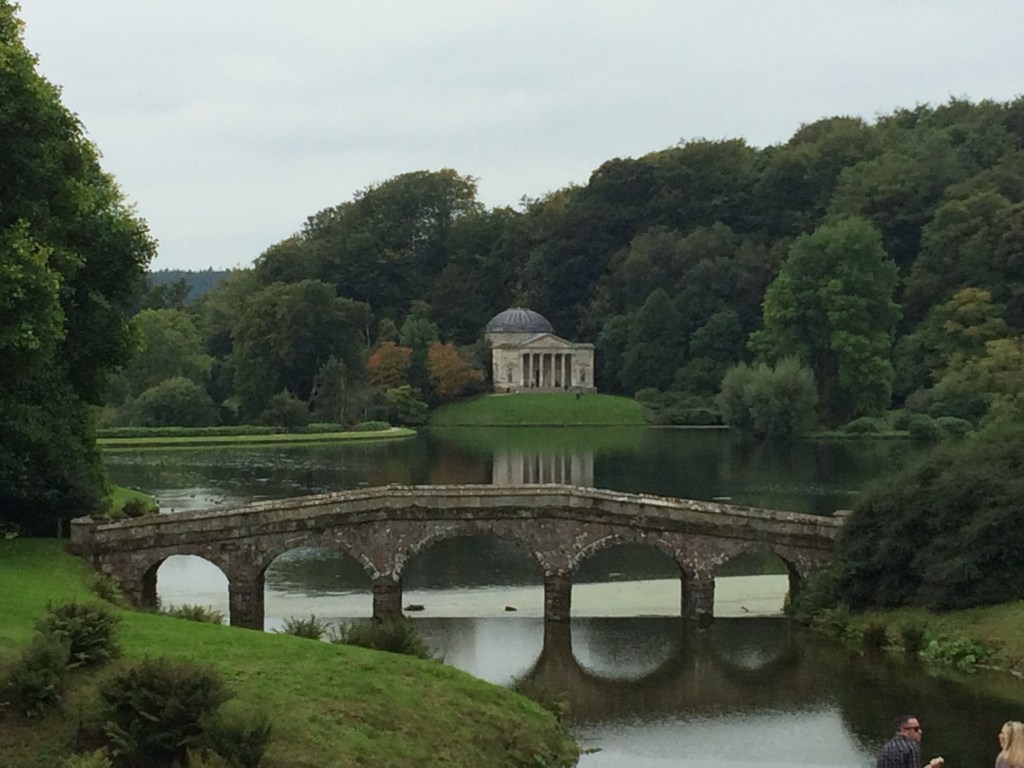
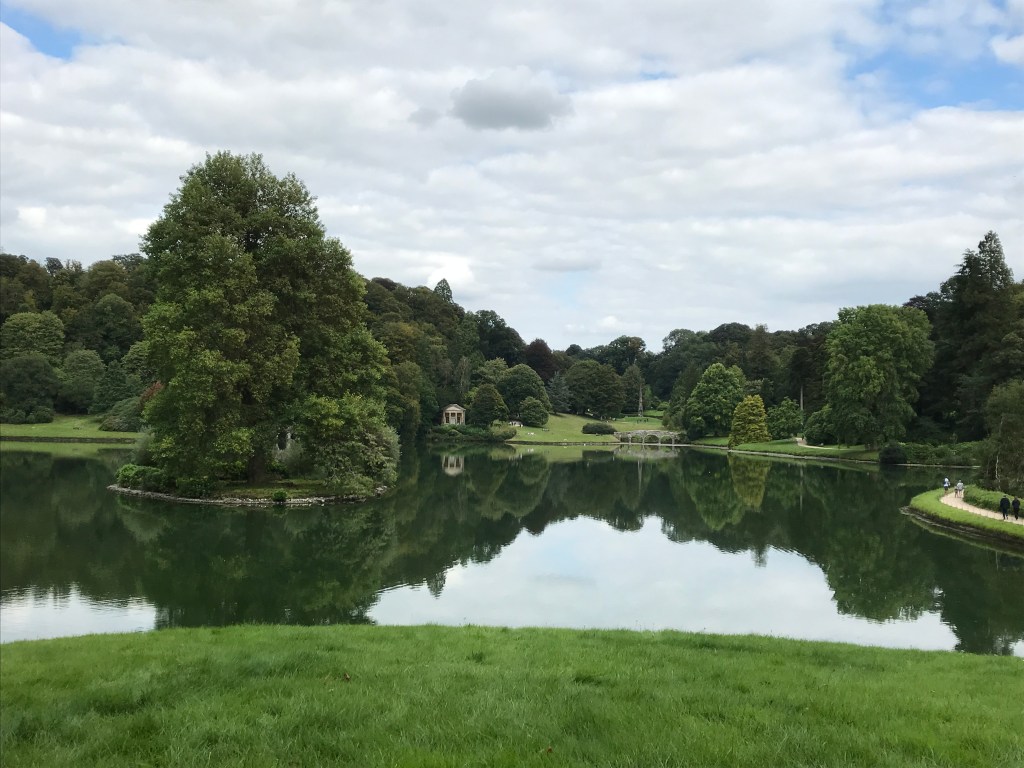
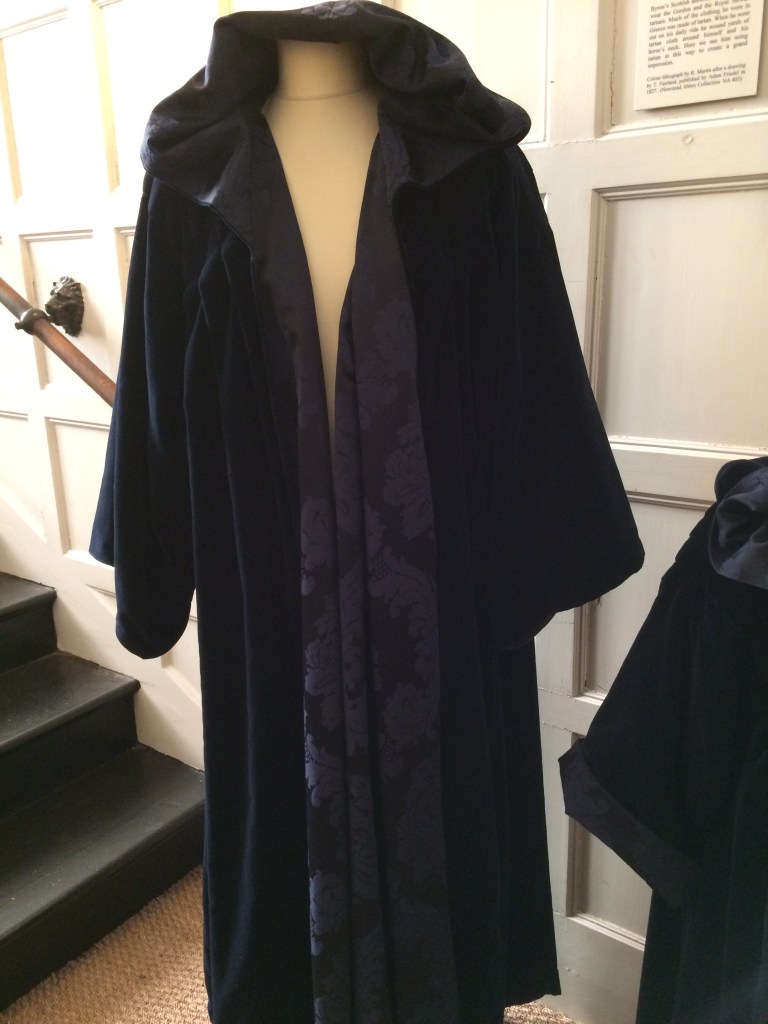
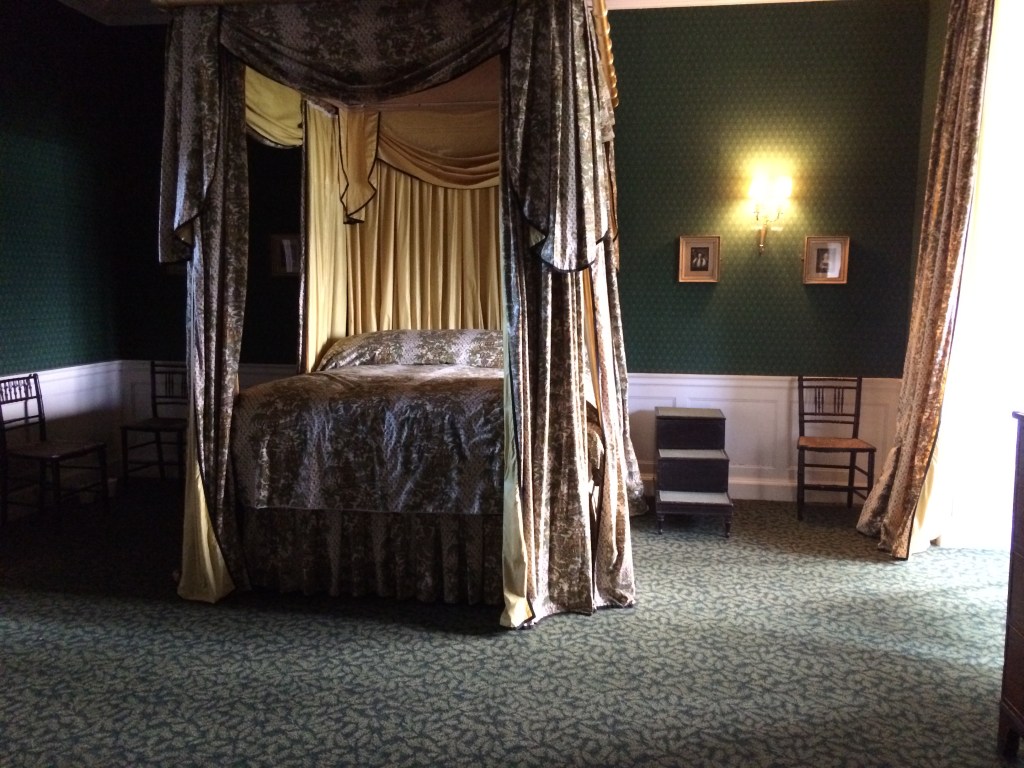
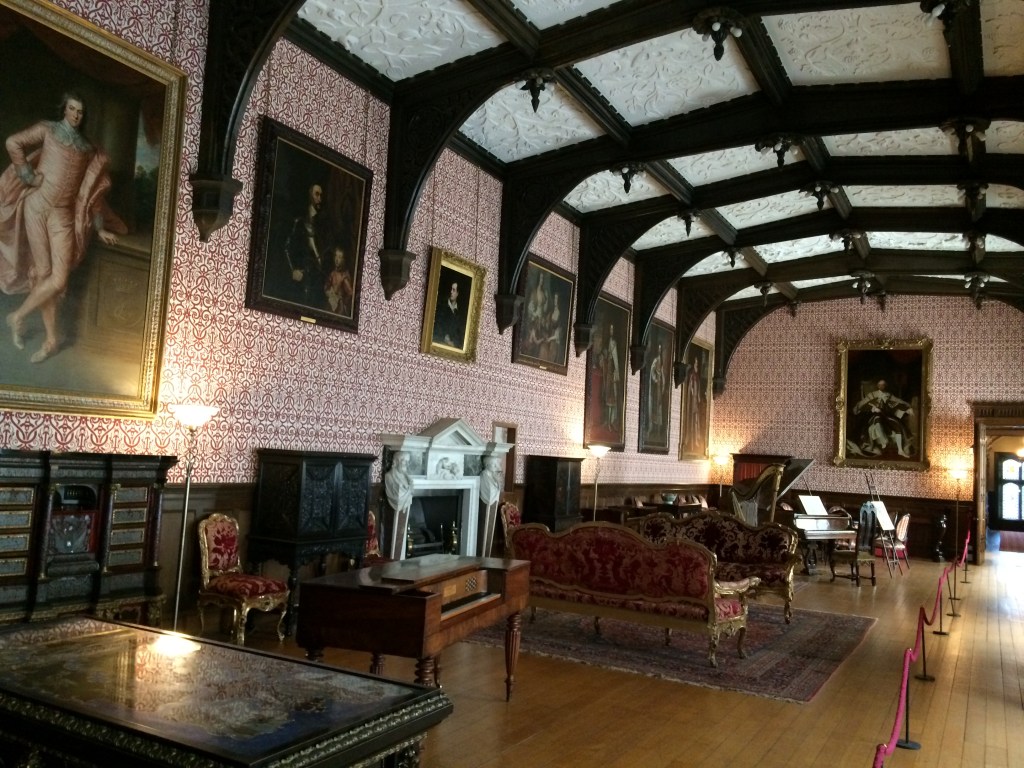
These images include the rooms which inspired Clio’s home and lifestyle in Hartlepool, in Entangled. Then the follies at Stourhead and Newstead Abbey, Lord Byron’s property, which were inspirations for George’s home.

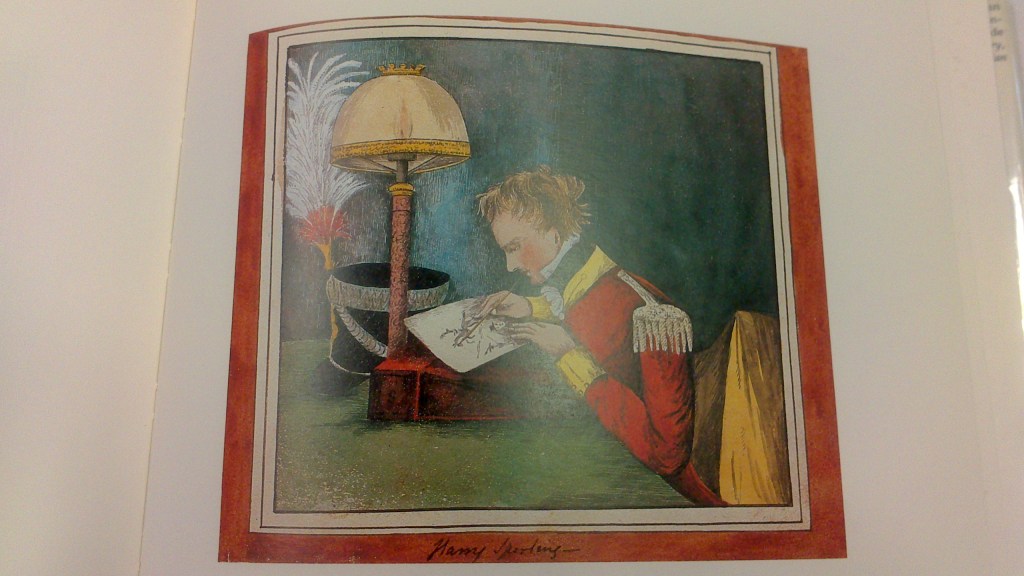
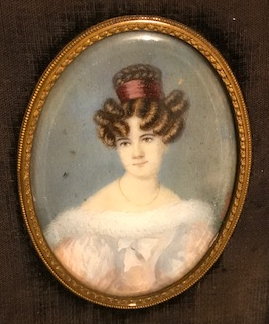
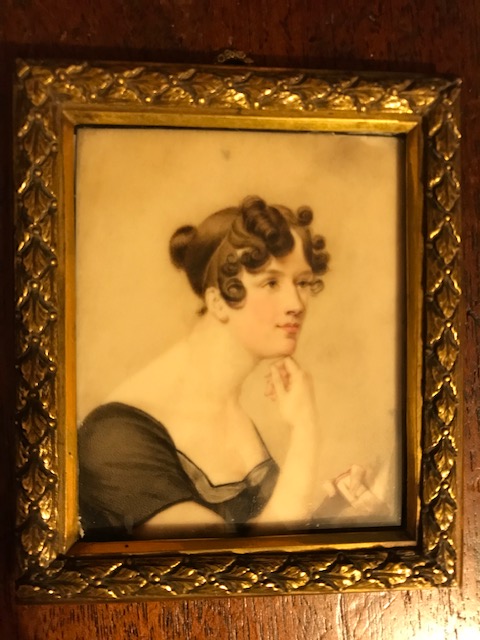
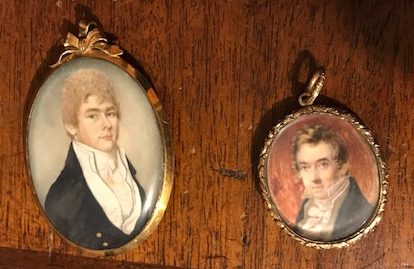
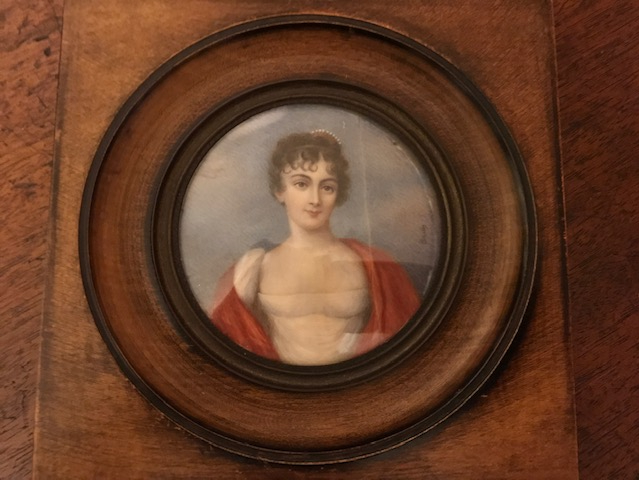
But I discovered a new inspiration for characters last year that I haven’t shared here before. My husband and I live in an old cottage and after we’d built an extension decided to change the furniture in the old half of the house too. So, we started hunting for antiques. But while I was searching for antique furniture I found myself being distracted by minatures in the antiques shops. I spent ages looking into the eyes and faces of people in their small portraits. As I said last week, it’s absorbing wondering who they were and how they lived, and then they became the characters. So, I started gathering some of these images. It’s no different from choosing a face in a magazine today, really.

I bought a few minatures. But then I began just saving pictures of them, because I can’t buy them all. I have about a hundred pictures.

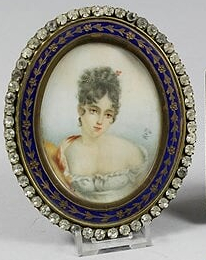
What I particularly love is the minatures that look like mistresses. I imagine the small paintings secreted in a gentleman’s chest pocket near to his heart :’D . He’d take it out and look at it, and show his friends to brag about his prize. You can usually spot a mistress in a portrait, even among the portraits on the walls in the large stately homes. They are painted with a coquettish air and usually exposing a large part, if not all, of one breast. I’ve said it often – the Georgian’s kept their mistresses unspoken of in polite society but in plain sight. While the Victorians pretended to be pious and hid their mistresses behind closed doors. Below is the sort of image that makes me imagine this young woman was someone’s mistresss. It’s bejewelled so I think he was very proud of winning her attention, if not her affection. And she probably came at a high price. It’s the sort of portrait that would inspire a story let alone a character. I imagine her to be a woman like Harriette Wilson – and there’s a tale of a mistress that followers of this blog know very well.

The true story of a 19th Century Courtesan ~ Harriette Wilson

The true stories, Harriette Wilson, the 19th Century Courtesan, didn’t tell in her memoirs