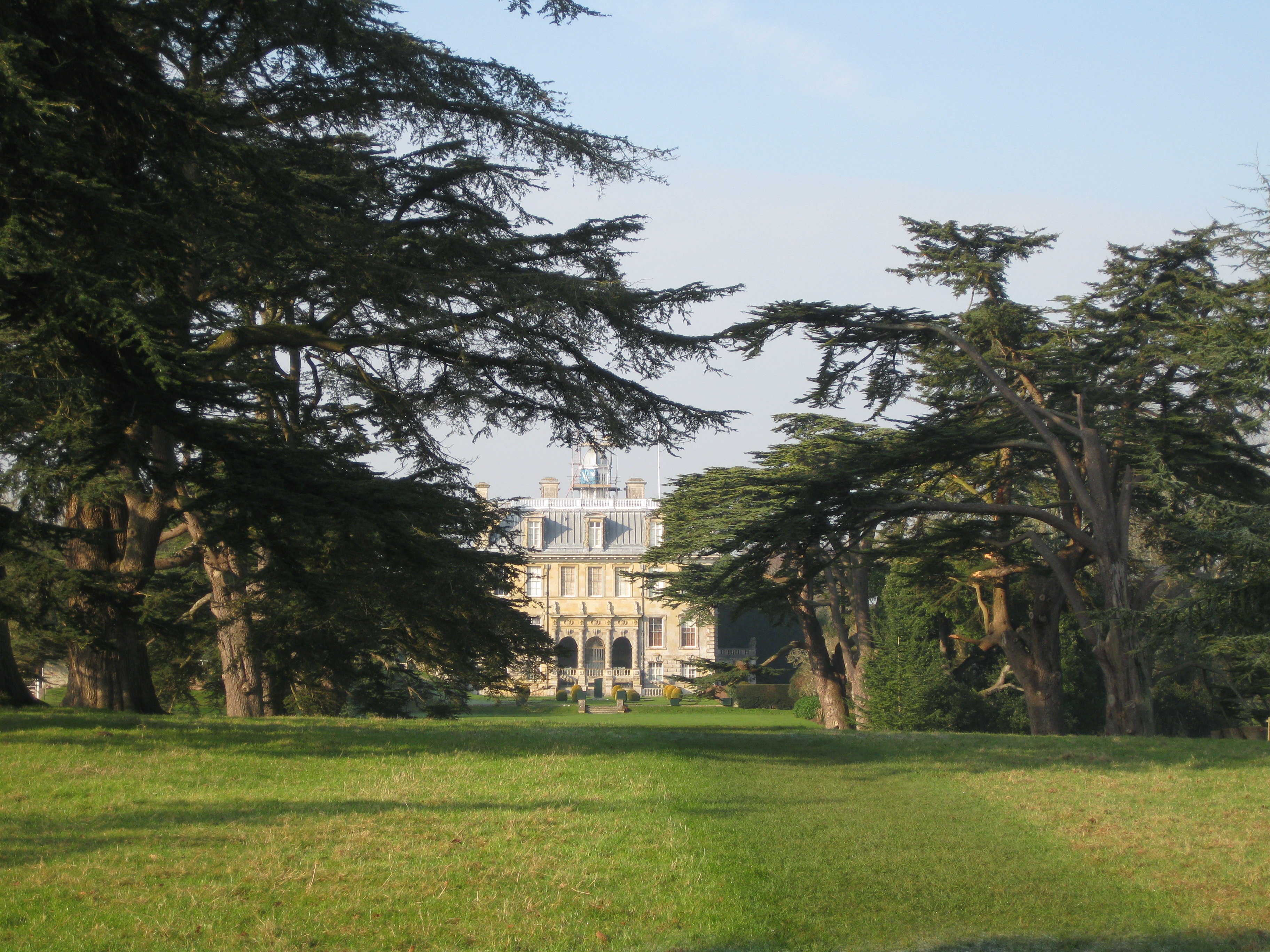
Kingston Lacy Avenue
If you’ve read my early blogs I have spoken before of my passion for old trees, which may sound silly, and my daughter definitely thinks is silly, but when I see things like this avenue at Kingston Lacy I cannot help but be drawn into imagining who has walked past these trees before me, over the same soil. It’s funny because I don’t think about it in the same way when I walk through the house. Kingston Hall was completed in 1667 and it looks as though this avenue was planted then.
When these trees were perhaps ten years old, the Duke of Ormonde lived in Kingston Hall. He was close to King Charles II, having shared the King’s years of exile and was given his title on the King’s restoration. He was in his 70’s when he lived at Kingston Hall, and would have possibly arrived along this avenue, having lived a tumultuous life, in and out of favour in a back stabbing court and holding Ireland for the Crown in the Civil War. He must have had a lot to contemplate as he looked down upon the avenue from the windows of Kingston Hall in his last days.
Then there is the history of William John Bankes, a second son, born in 1786 (The gentleman who explored Egypt and brought home the obelisk). He later became heir and formed a lifelong friendship with Lord Byron, beginning in 1804, when they met at Trinity College,Cambridge. William competed with Byron for the attention and the hand of Annabella Millbanke. He had his own proposal rejected in 1812. Byron writes of him ‘He is very clever, very original and has a fund of information; he is also very good-natured, but he is not much of a flatterer…’ Annabella was clearly not interested in anything beyond perhaps encouraging his adulation and continued attention. ‘One of my smiles would encourage him, but I am niggardly in my glances.’
Of course Byron was not so lacking in flattery. All I have read of him and the letters he has written show a very intelligent man who was extremely capable of flirtation, manipulation and seduction. I would say, if he wished to, he knew how to charm people. We certainly know he had a gift with words. He married Annabella in 1815, after she fell for his fame following the publication of Childe Harold – she read a copy Byron gave to William and William loaned to her. Annabella wrote to Byron then, ‘I am afraid he will hear of us with pain, yet he cannot lose hope, for I never allowed it to exist’.
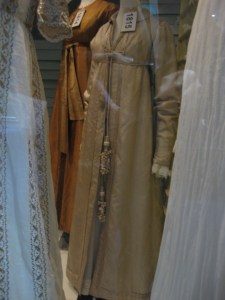
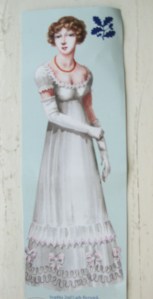
In an earlier post I showed this picture of the pelisse Annabella is believed to have worn on her departure for her honeymoon, following her marriage to Lord Byron, it is in the possession of the Fashion museum inBath.
I can only wonder if either Byron or Annabella travelled along this avenue, on foot, by horse or carriage. I think there are strong odds that Byron did, as his friendship with William Bankes lasted so many years even surviving his failed marriage to Annabella, though Byron had fled England after this.
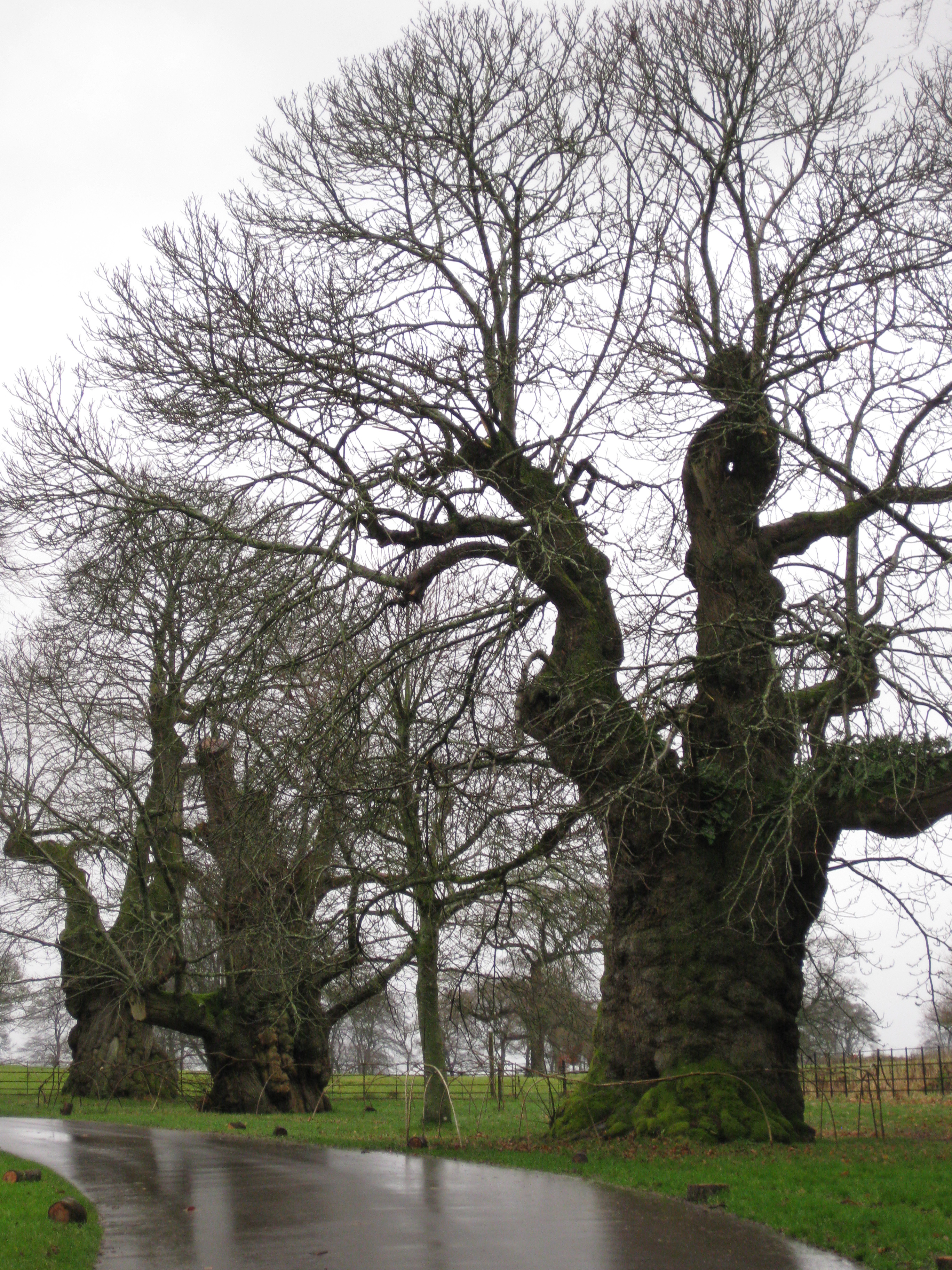
Stourhead
Then there are my favourite trees from Stourhead, which out date the Georgian house by centuries, it is believed they may be a 1000 years old, which means they have stood along this entrance way since the medieval period. An army of knights may have ridden past here, escorting carts piled high with household belongs perhaps, as the families moved from residence to residence – their tack jangling, the sound of the horses hooves a low thunder and the bright colours of their clothing and heraldry tabards and banners fluttering in the breeze. Yes, I can imagine it. I have spoken of them before, but now I have a picture.
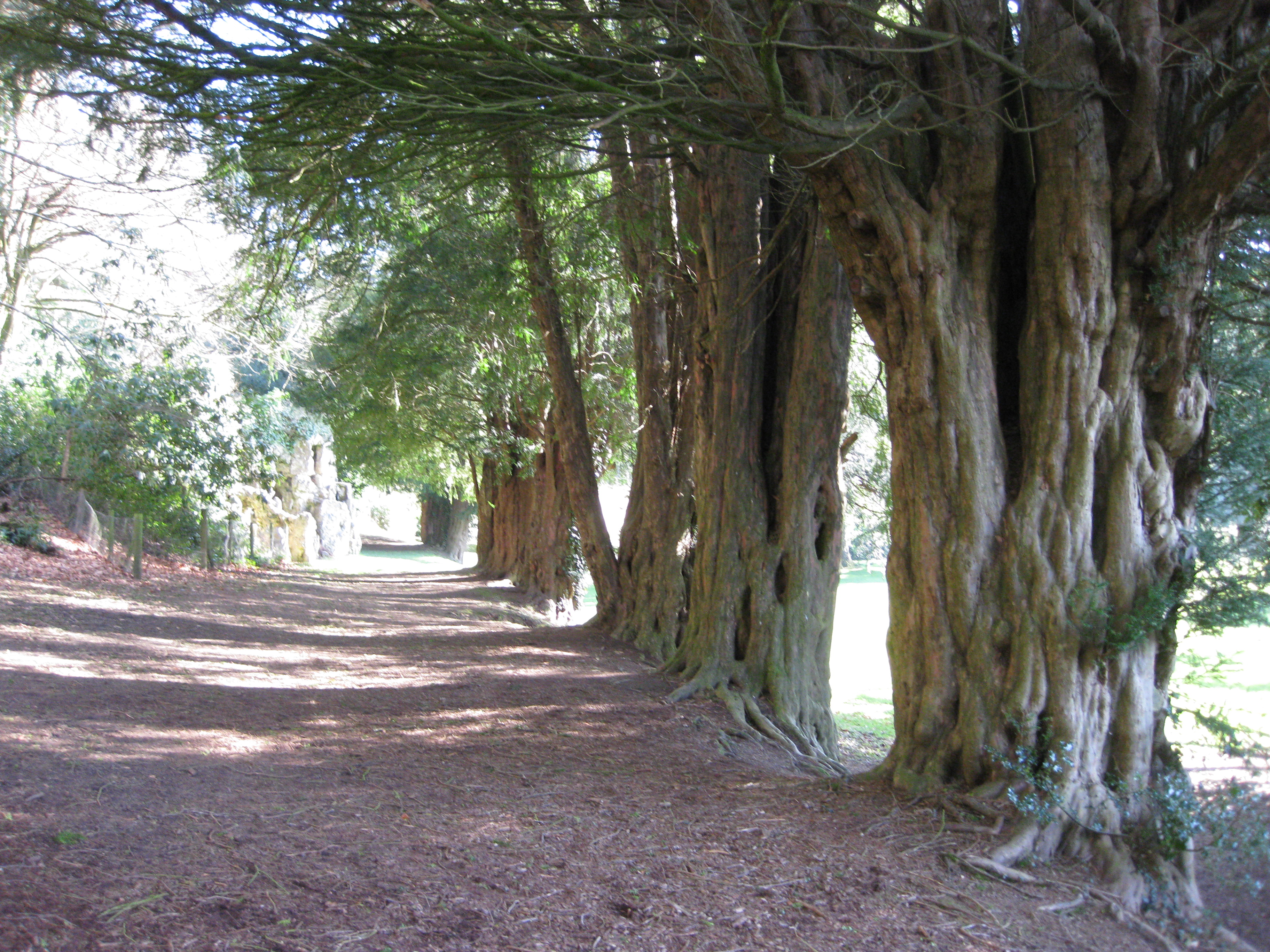
Old Wardour Yew Alley
My last find however was at Old Wardour, last week. This alley of yew trees was planted in 1730, along a surviving terrace from the second era of the ruins as an element of a ‘formal’ pleasure garden. The terraces had railings along their edge when established and steps. This one overlooked a bowling green, with the ruins as its backdrop. My imagination of course pictures the gentlemen who must have climbed the ruins and engraved their names walking along beside these trees, perhaps flattering a woman, Byronic style. And notably the greatest amount of graffiti is in the entrance facing the site of the bowling green which would match the date of this formal garden. Perhaps these were carved as they waited for their turn or watched a game of bowls.
Jane Lark is a writer of authentic, passionate and emotional love stories.
See the side bar for details of Jane’s books, and Jane’s website www.janelark.co.uk to learn more about Jane. Or click ‘like’ on Jane’s Facebook page to see photo’s and learn historical facts from the Georgian, Regency and Victorian eras, which Jane publishes there. You can also follow Jane on twitter at @janelark
 Author, Jane Lark's stories