The palace that became a house

I’ve been meaning to post this little story for over a year and not found time, but now I have time! So here you are. Before you read on, though, it might be worth stepping back to read my post about Kew Palace that was a house initially rented and then bought from a silk merchant and turned into a palace.

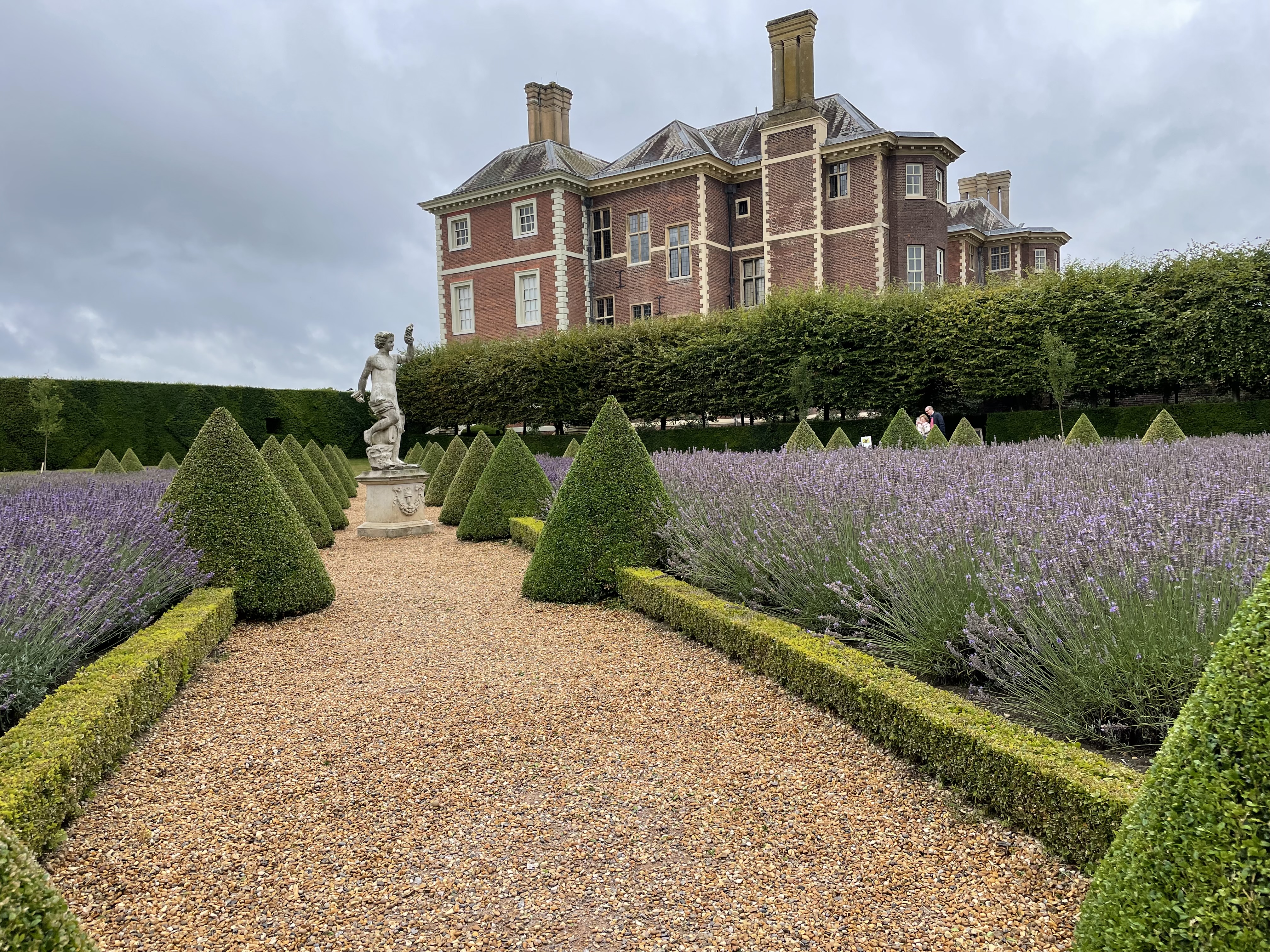
This story flows from that of Kew Palace because when I stayed in Kew last year to explore both the palace and gardens – which I have now fallen in love with and already visited once more since – on the way home I decided to visit another period property that was open to the public, Ham House. Only to discover that Ham House had been owned by the Royal family until 1600s, and in an odd opposing point was given to courtiers by Charles I. It would have made a much smarter home for The Royal House of Hanover had they returned to this house rather than moving in basically next door.

Ham House and Kew Palace are literally ten minutes apart by car, so isn’t it odd that one Royal, Charles I, rented out his property on this area of the bank of the Thames and then the Hanovers, George II, came along and rented the estate almost next door.

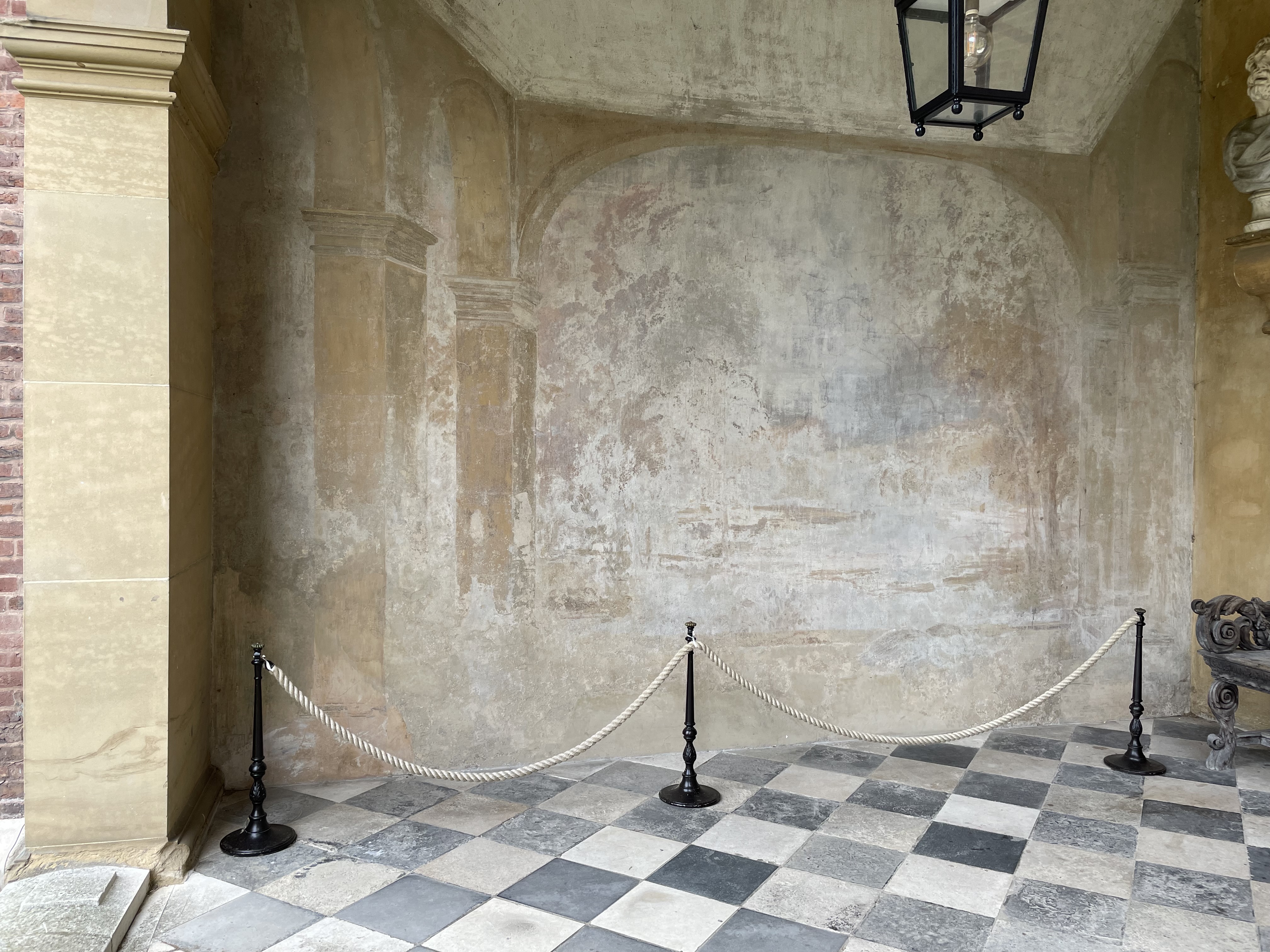
One of the things I found so charming about Kew was that it was such a humble place for a palace, and they had even toned decoration down from the former 17th century decoration. As I said in the Kew post, in areas not in the family spaces open to the public, there’s a wall painting that indicates a smarter but still not that grand decoration before it became a palace.

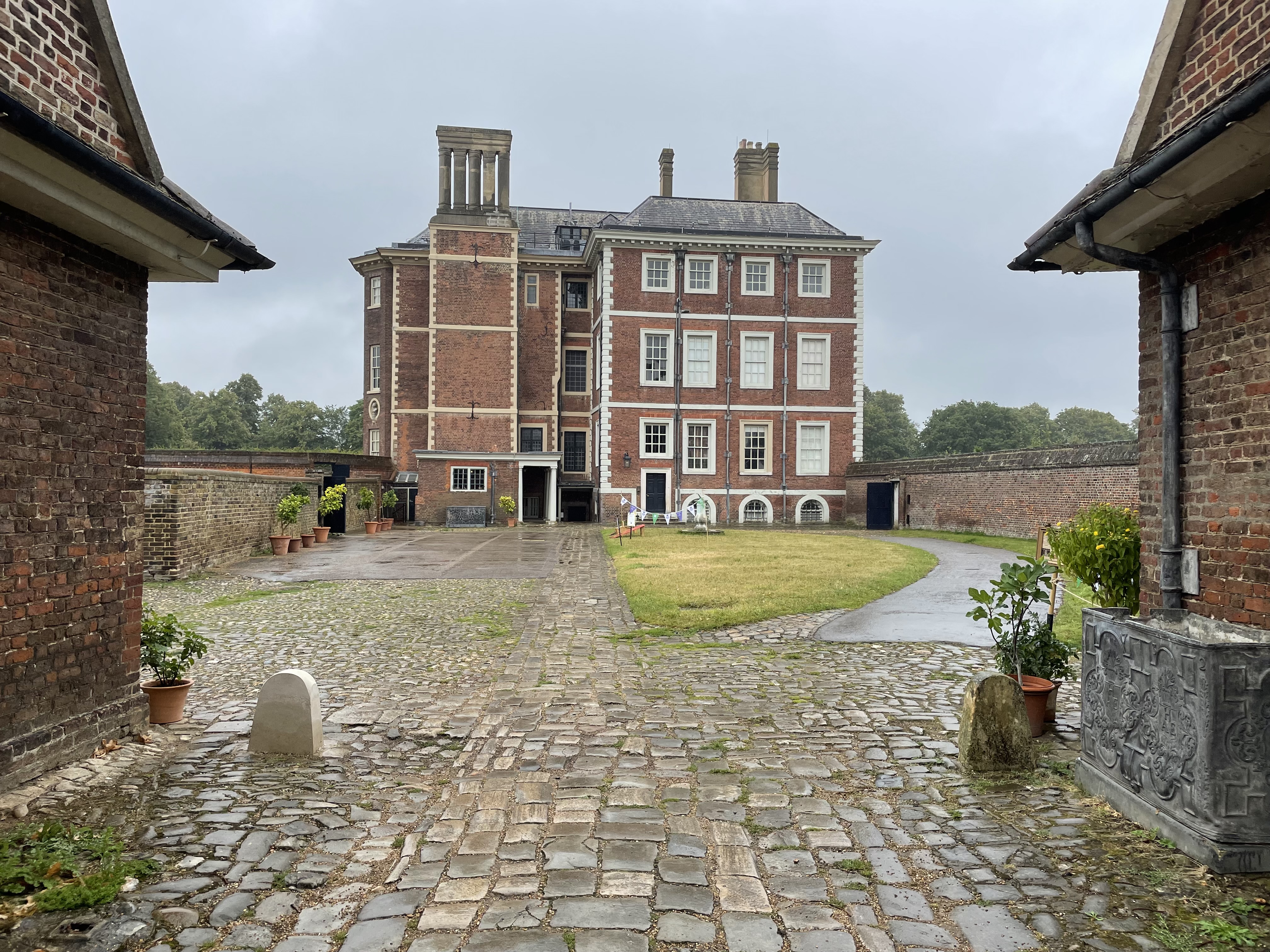
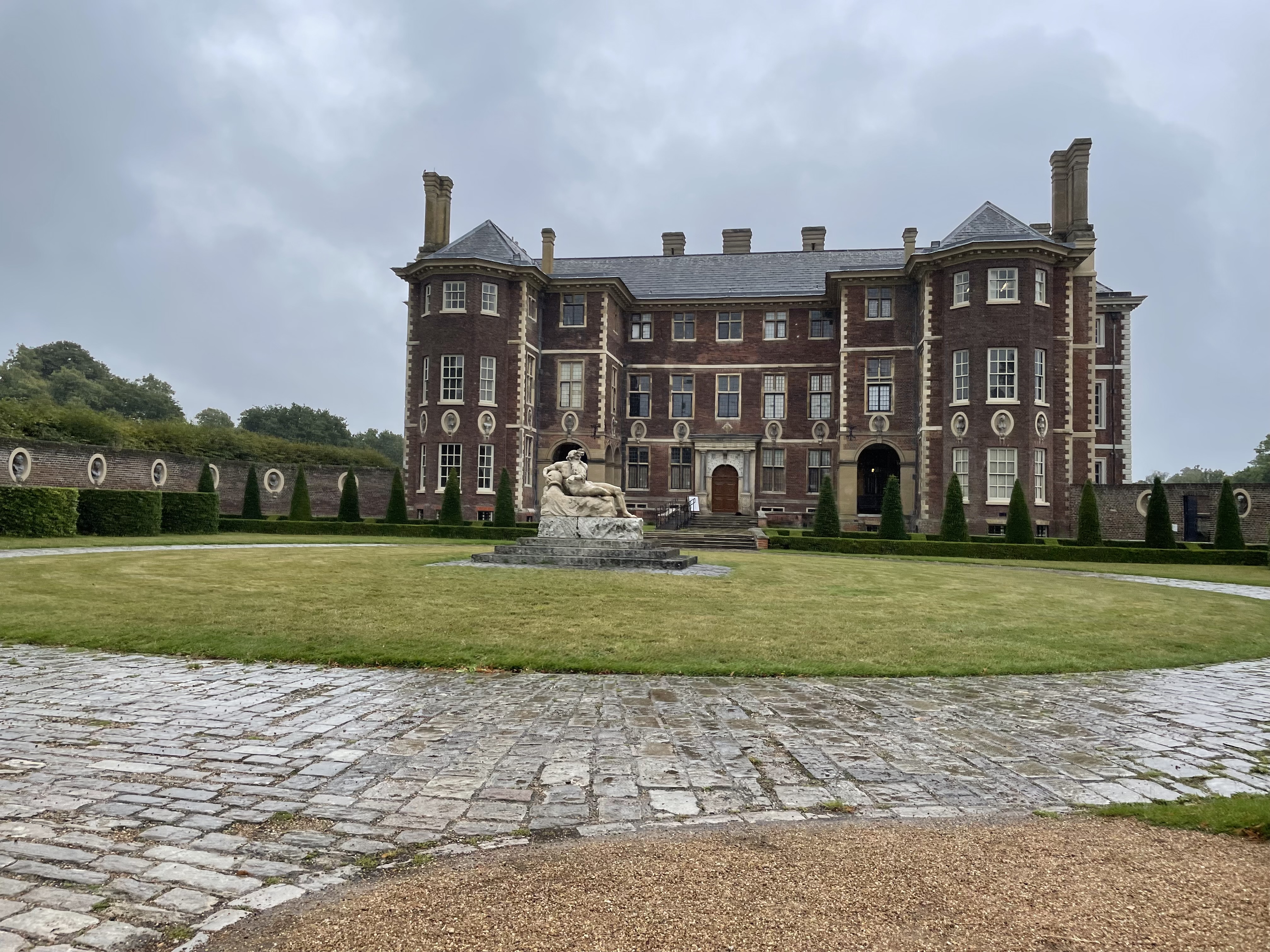
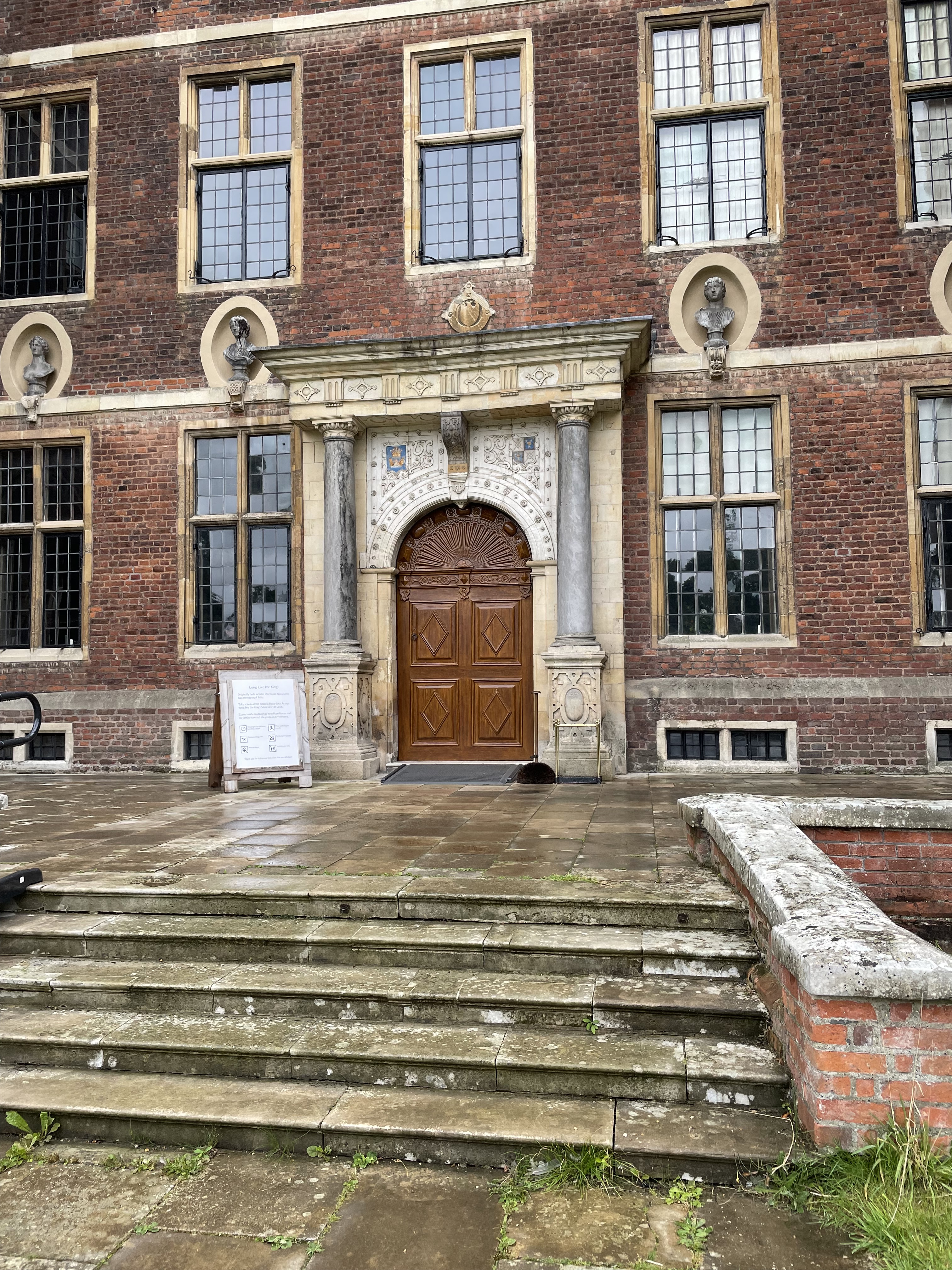
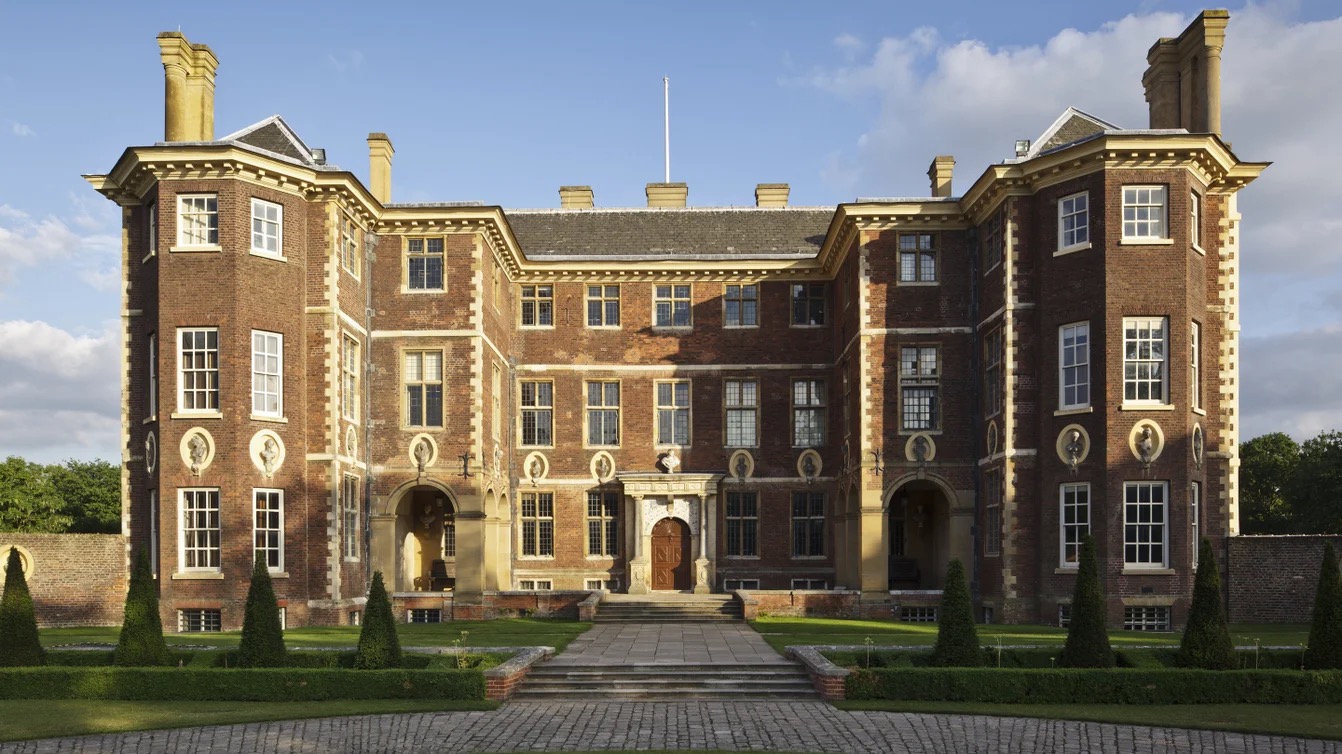
And then I walked up to through the gates of Ham House… This is what I had expected to see inside Kew Palace.

Ham House is palatial.
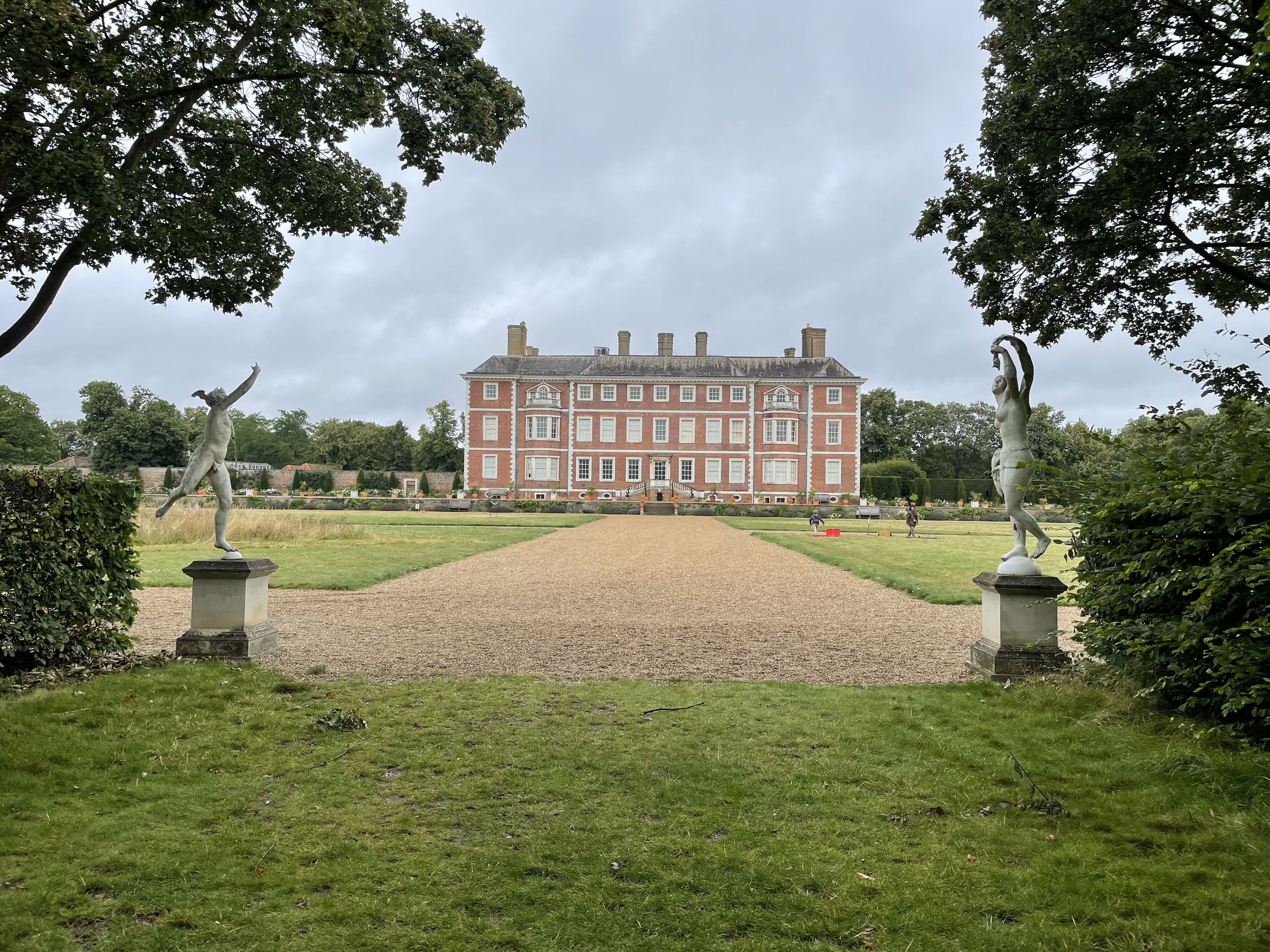
William Murray who was given Ham House was a very close friend of Charles I from childhood onwards. It was in 1626 when Charles I was aged 25, that he gave his friend William Ham House and the surrounding lands. The property had only been built in 1610. It sits just along the river Thames from Hampton Court as well as Kew, and as travelling by boat was often the quickest option at the time it would have made it easy for the King to reach his friend from Hampton Court or from the old Palace at Whitehall (that no longer exists) in London.

William and his wife Catherine, then spent a lot of money decorating the house, and much of the decoration they commissioned and the items they bought 400 years ago are still adorning Ham House today.

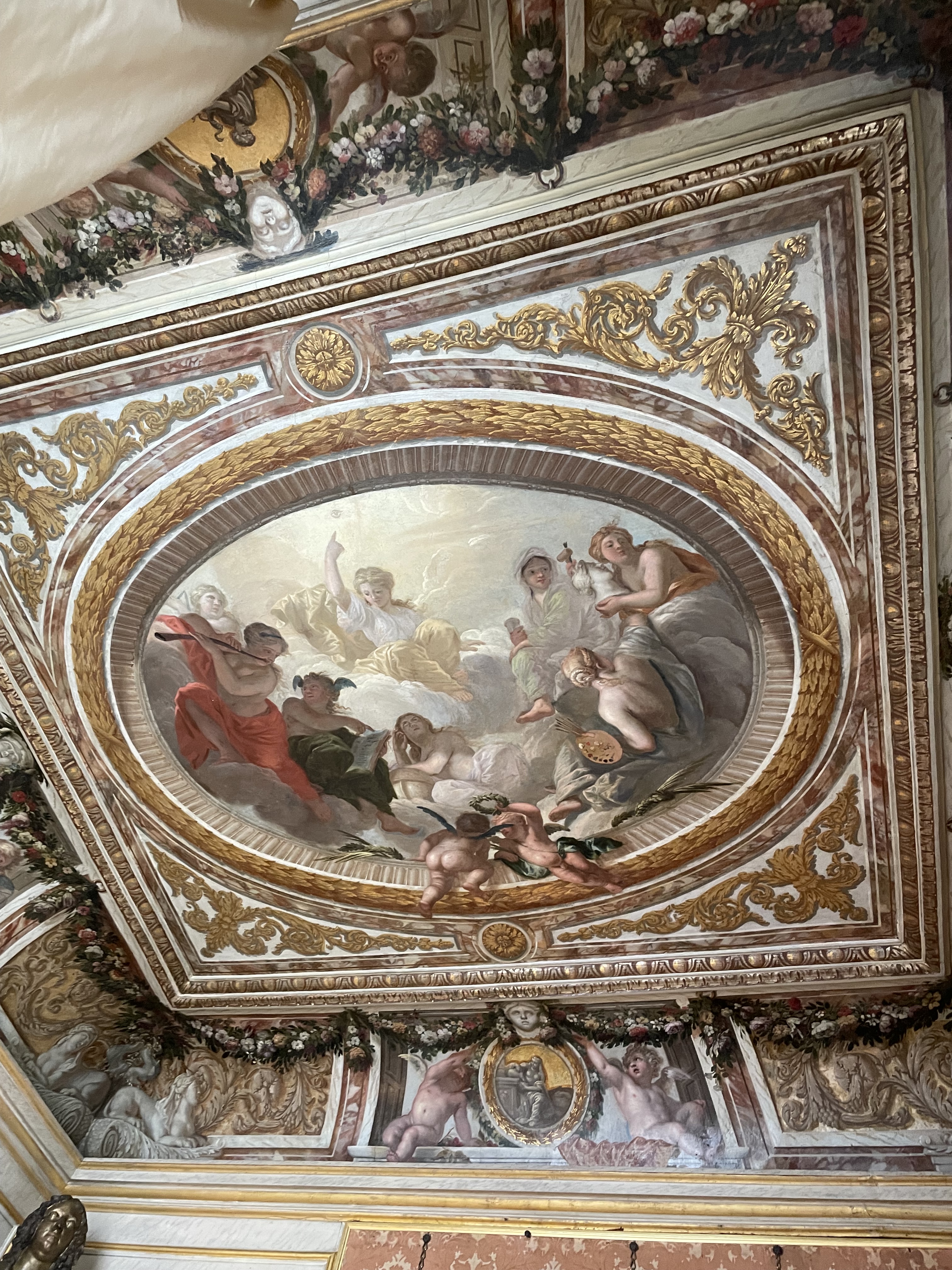
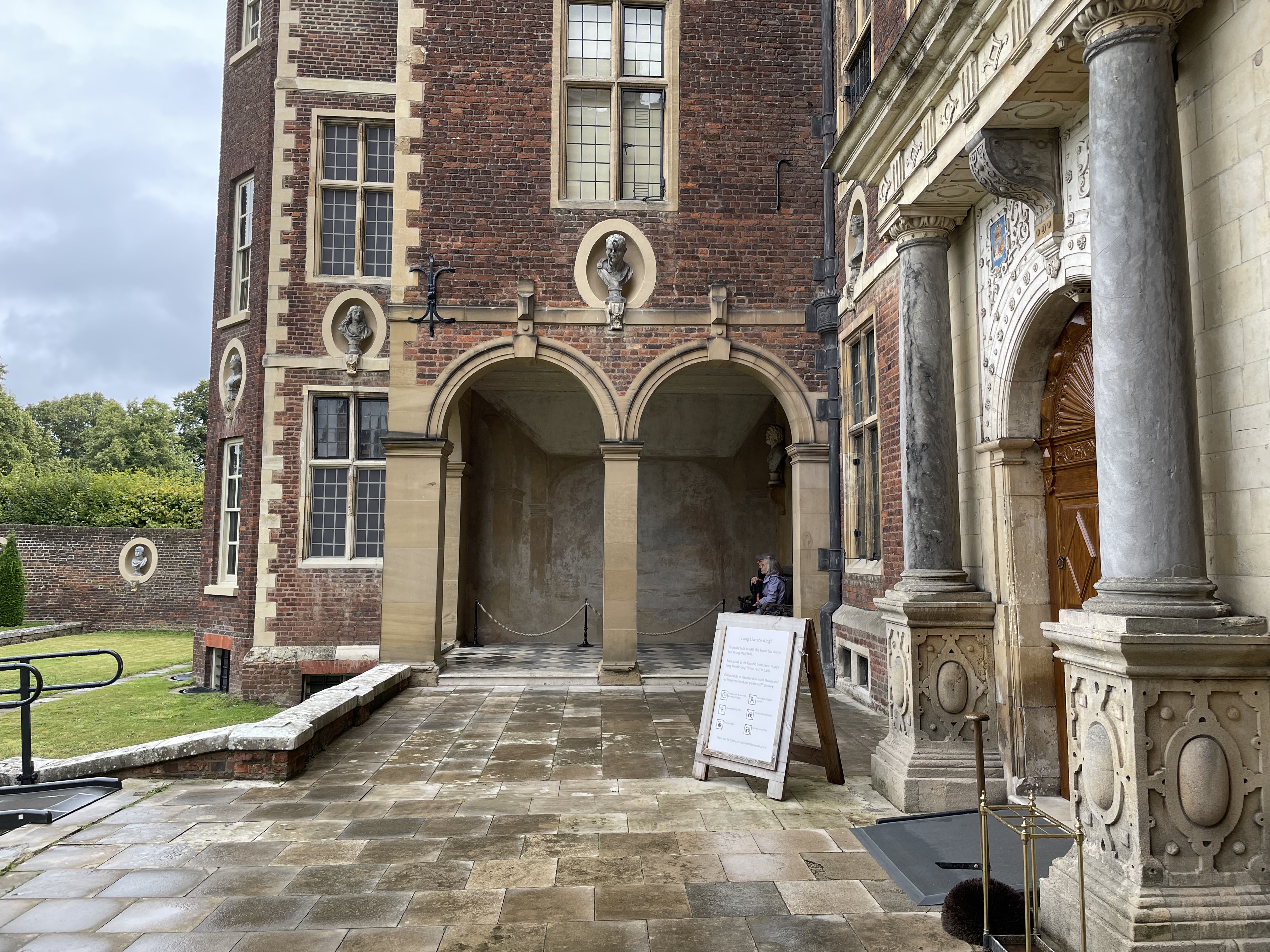
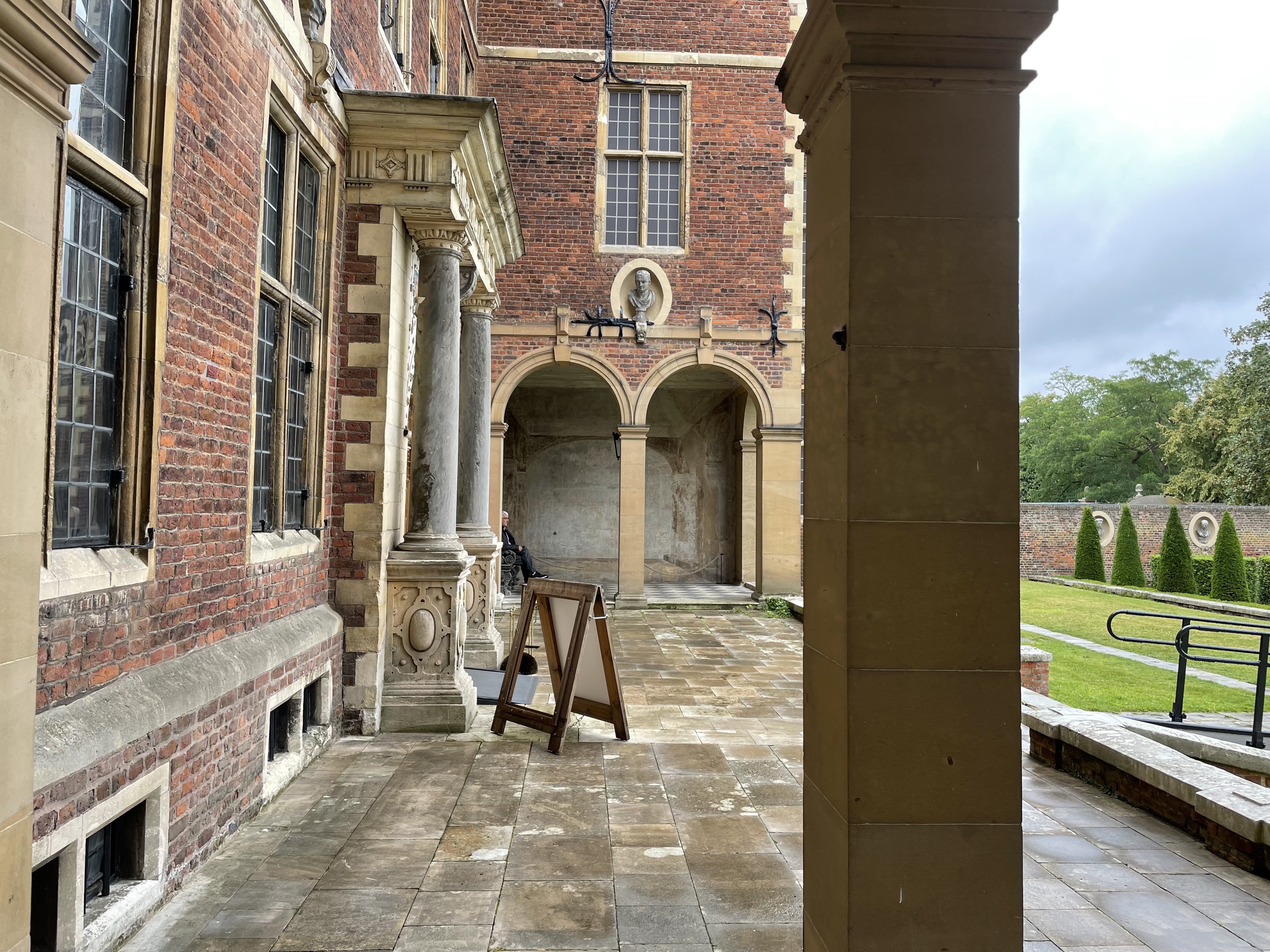
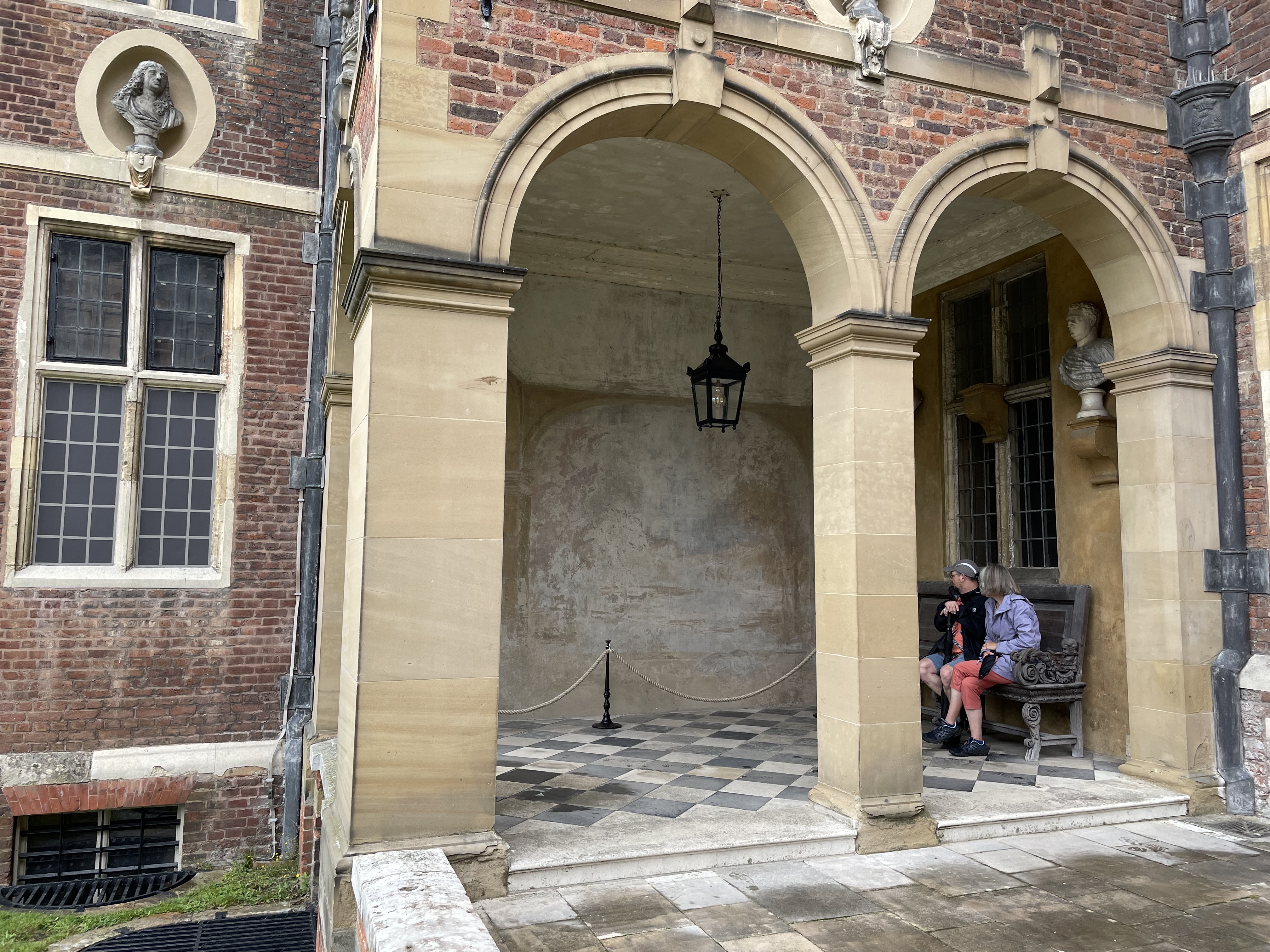
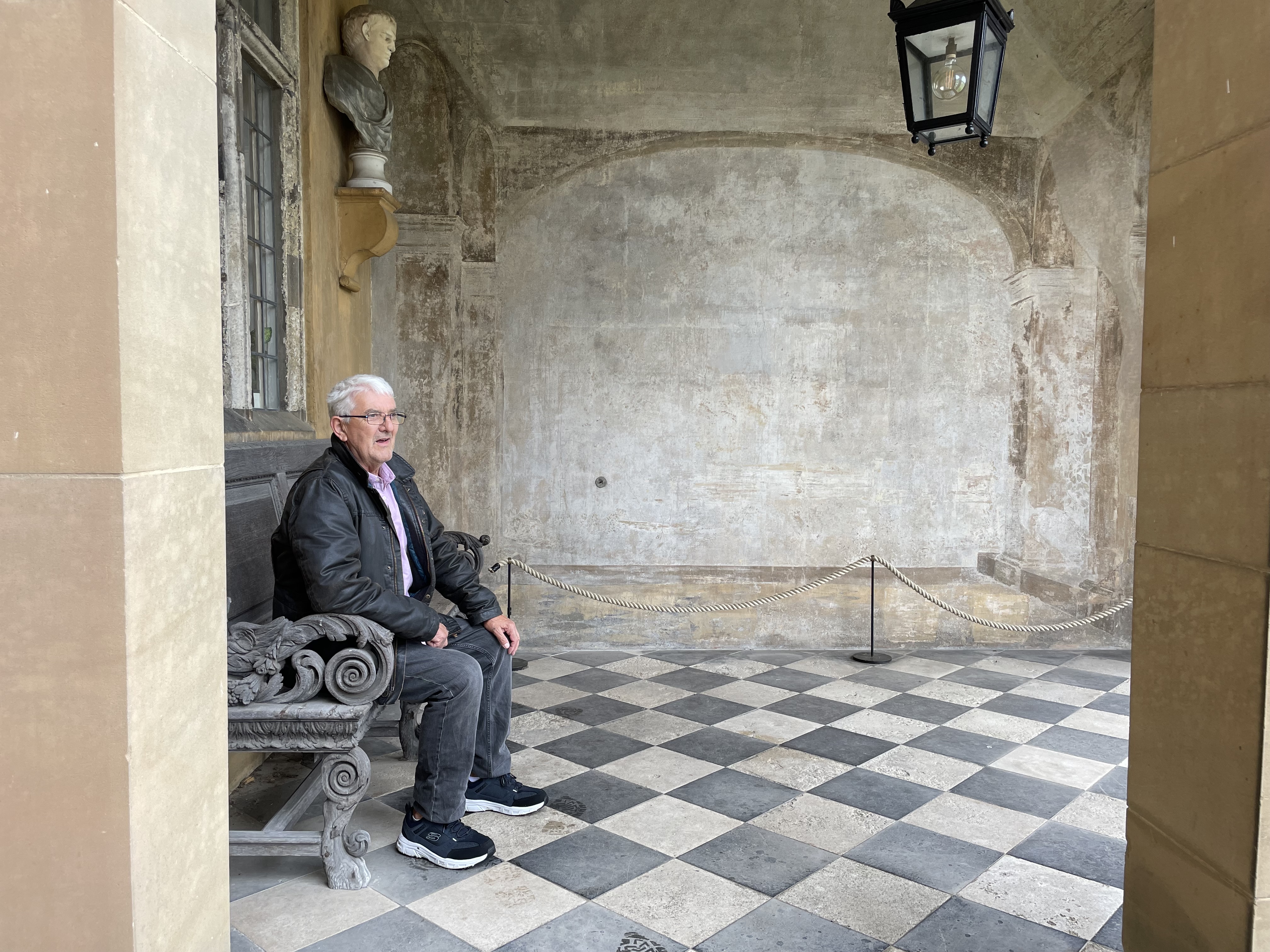
Even as I waited in the porch for the house to open for the day, I noticed the art work on the plaster in the porches. Murals that sought to create views within the porches. The fashions were to paint every space possible until the 1700s – inside and outside.
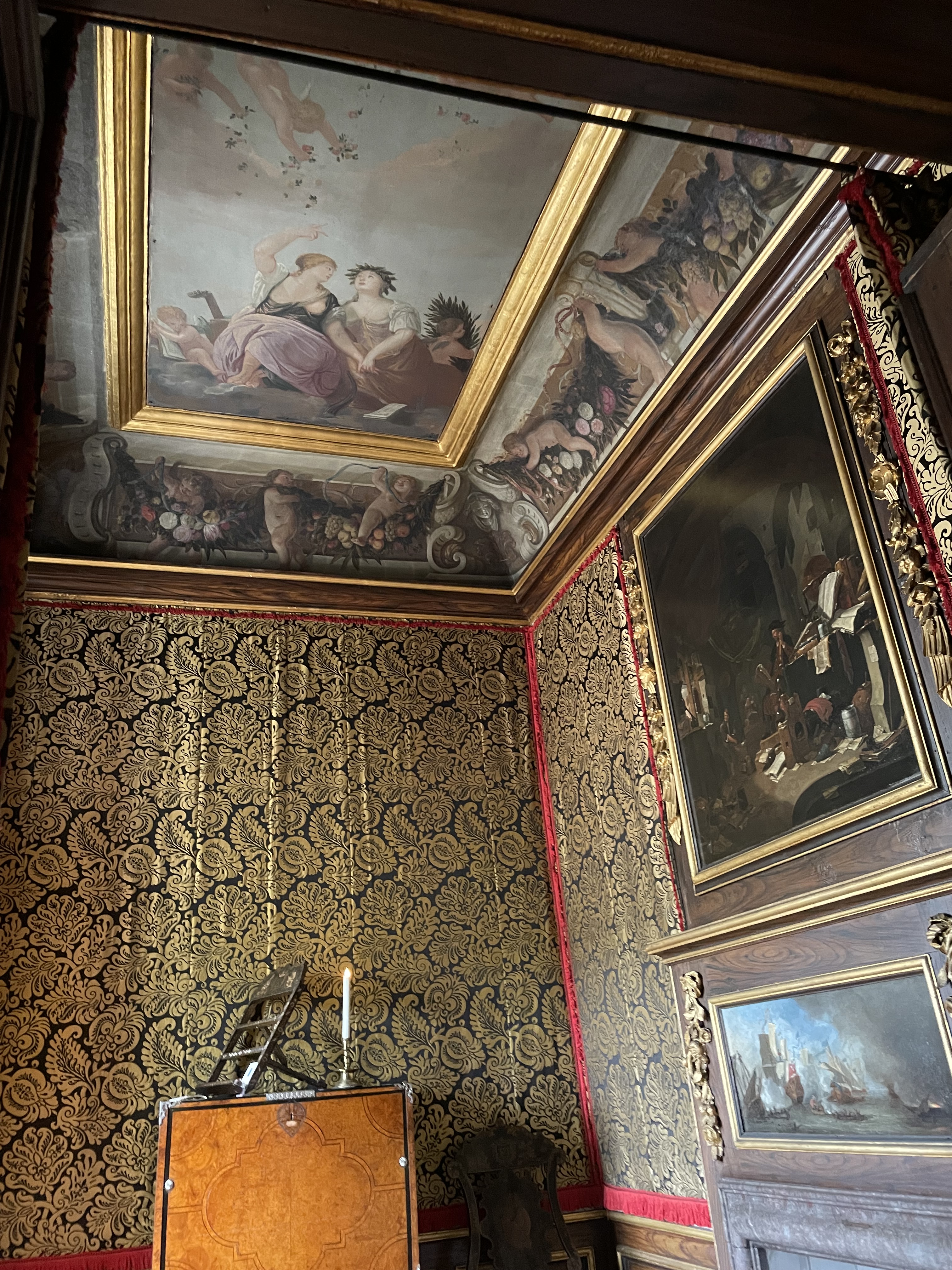
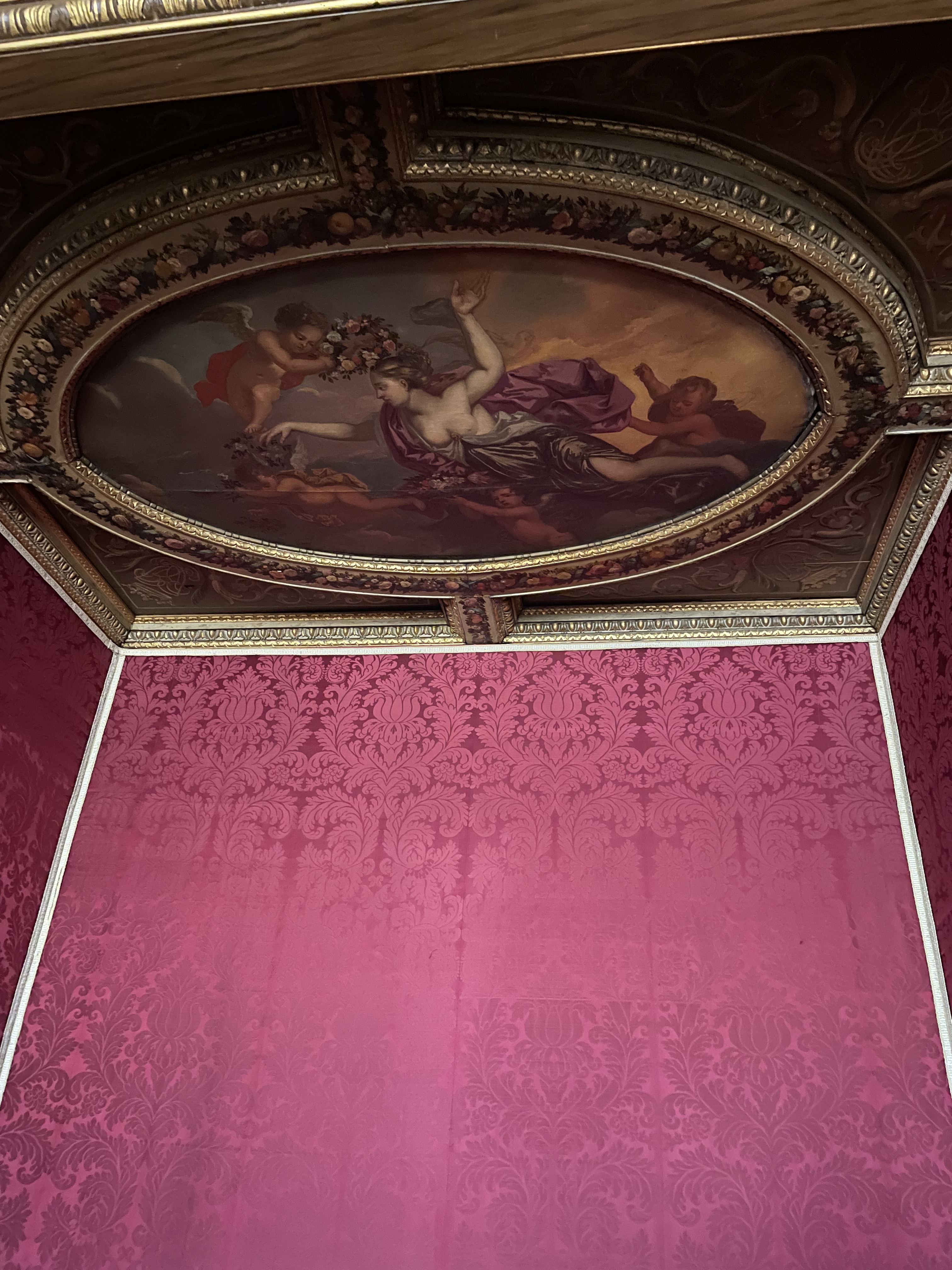
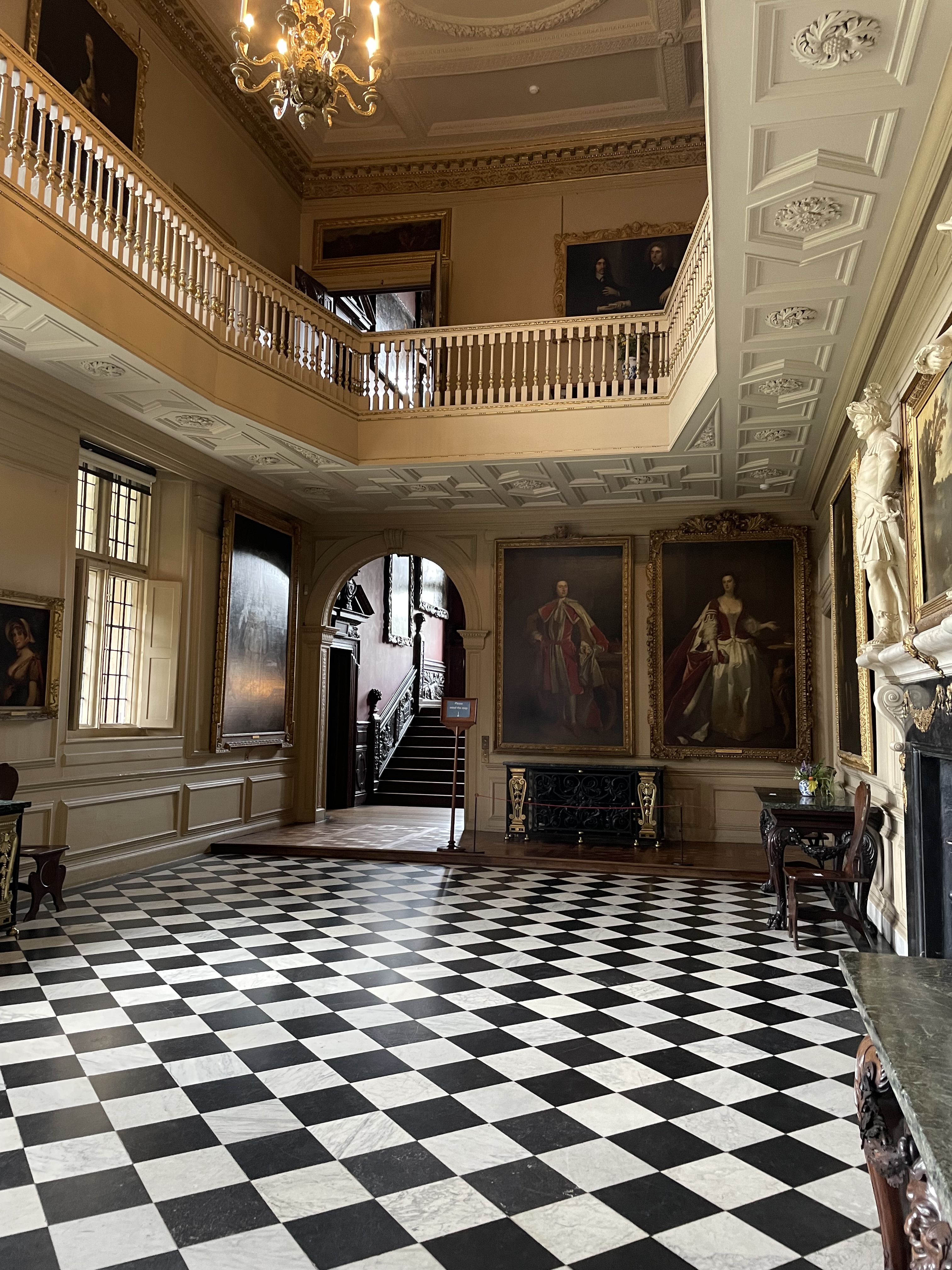
Then I walked into the hall, and saw the ceiling and wall paintings that were as good as any painting you would hang on a wall. This was a space you could imagine a royal family living in.
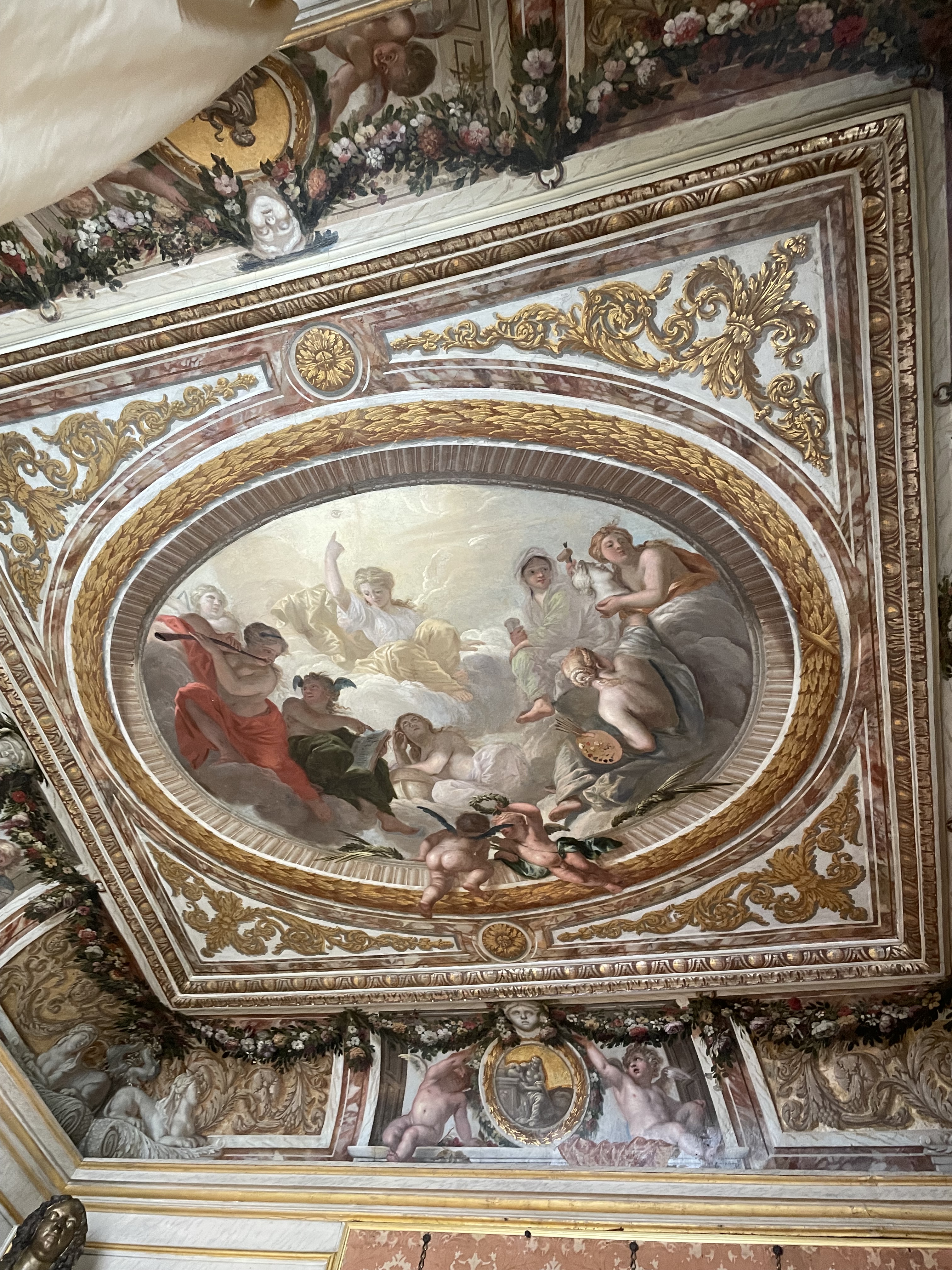
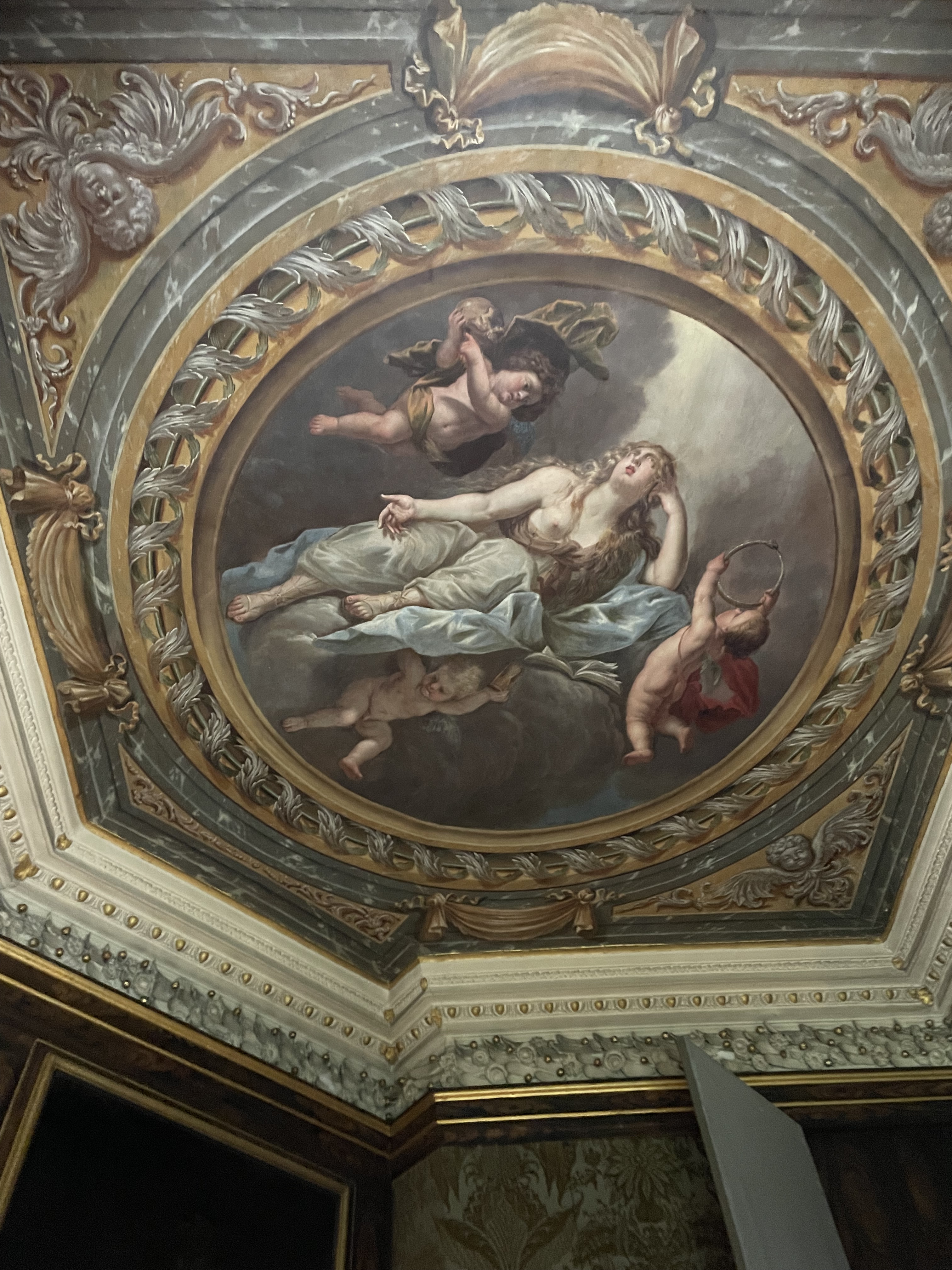
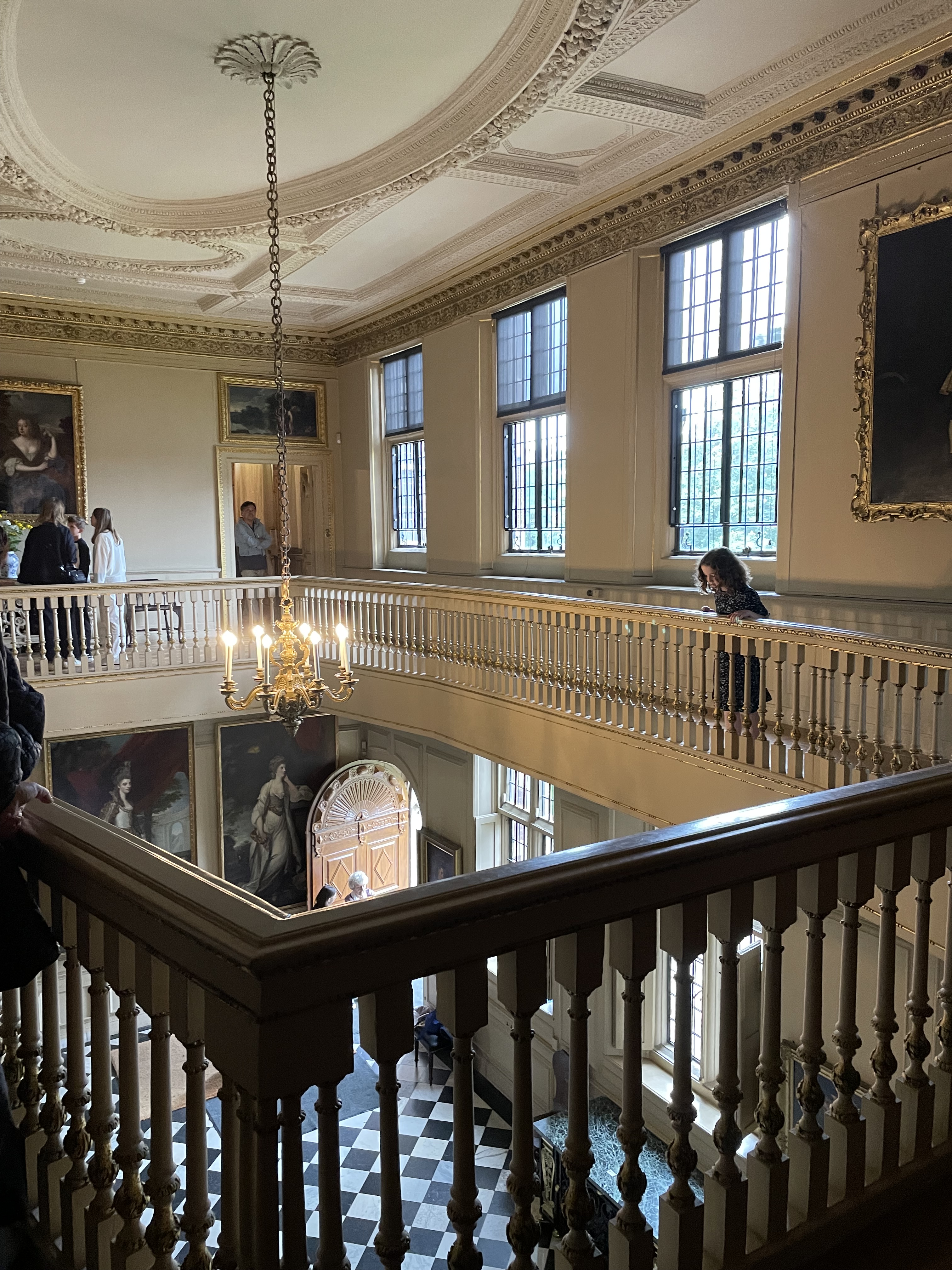
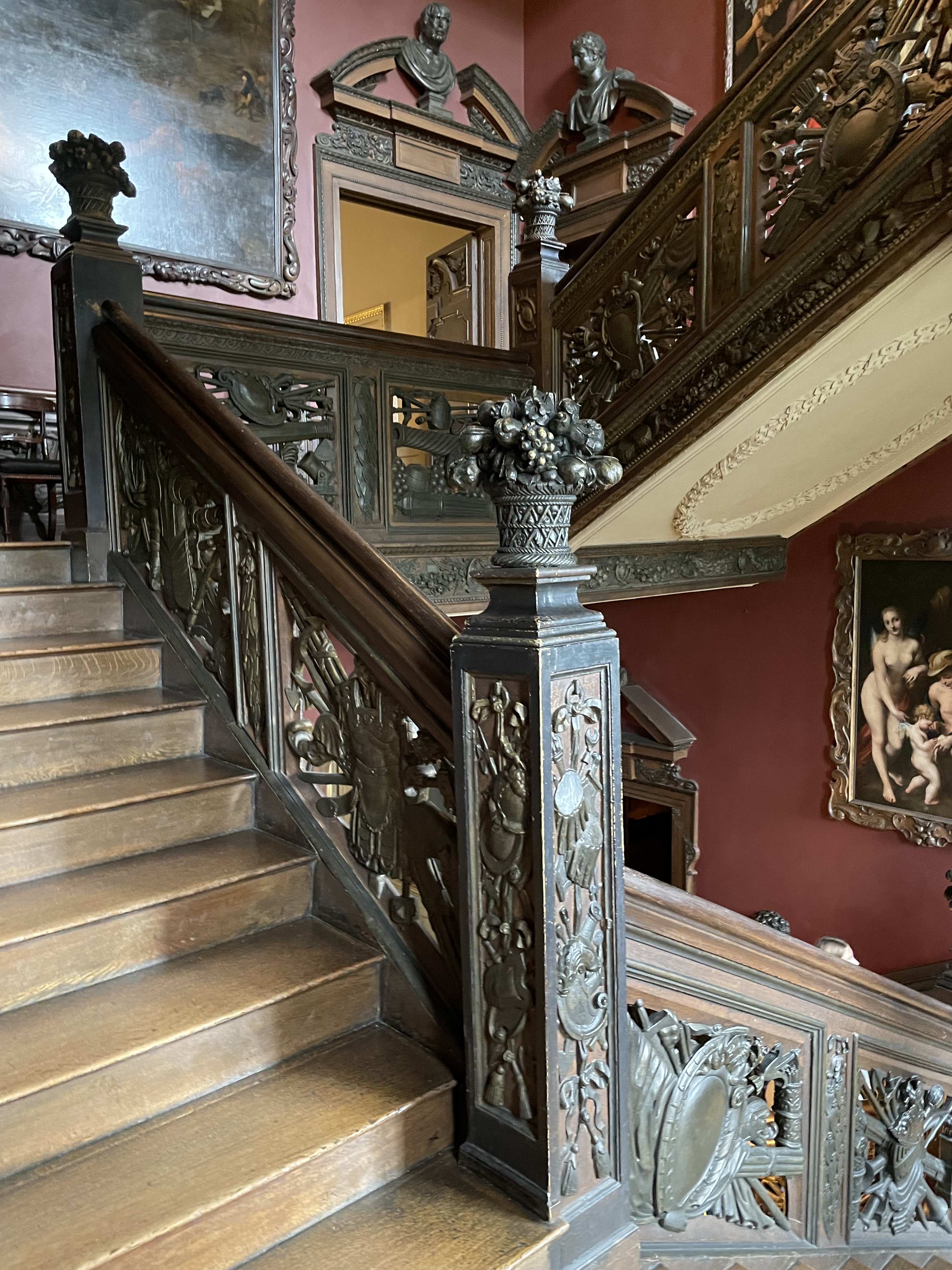
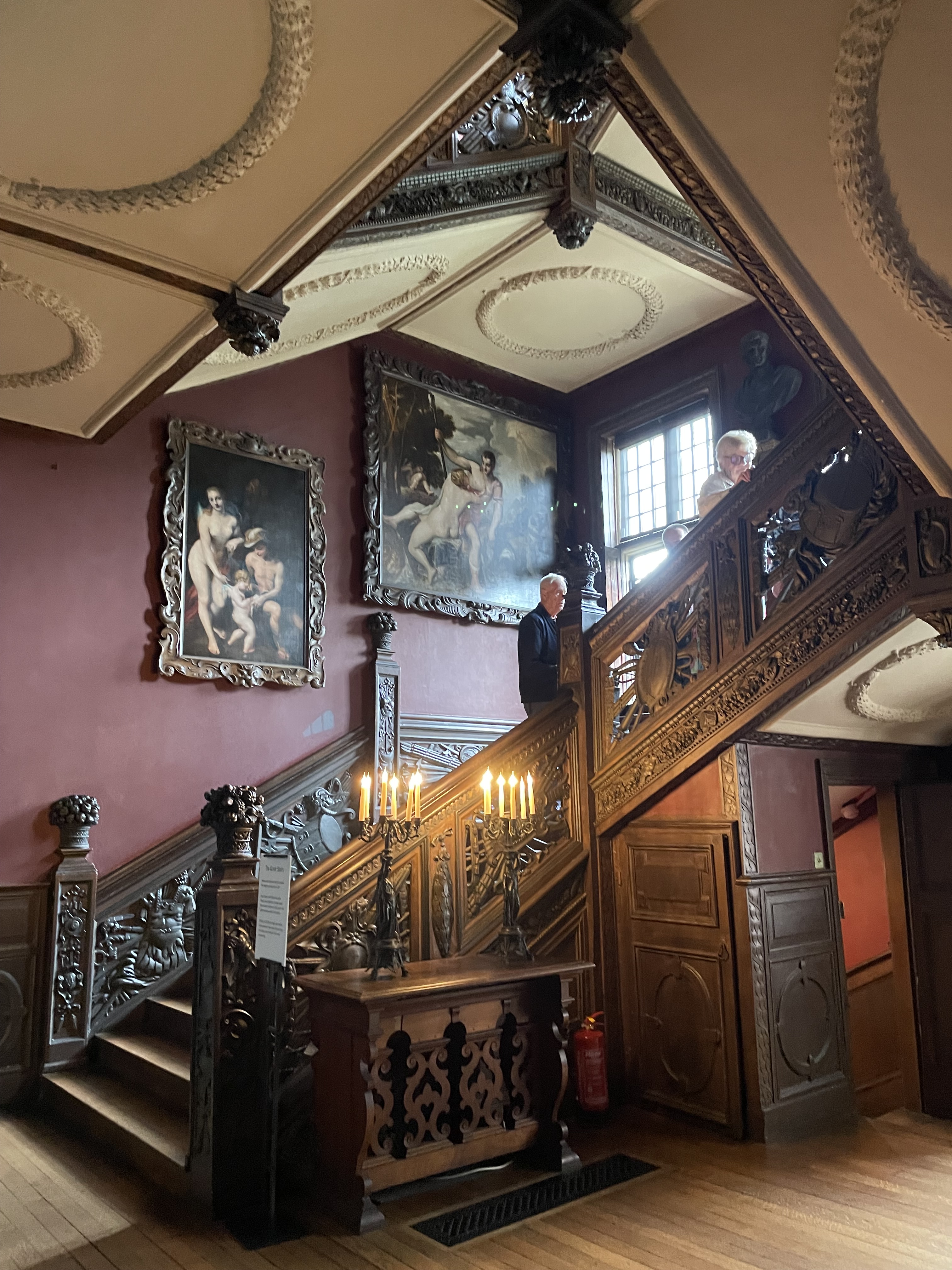
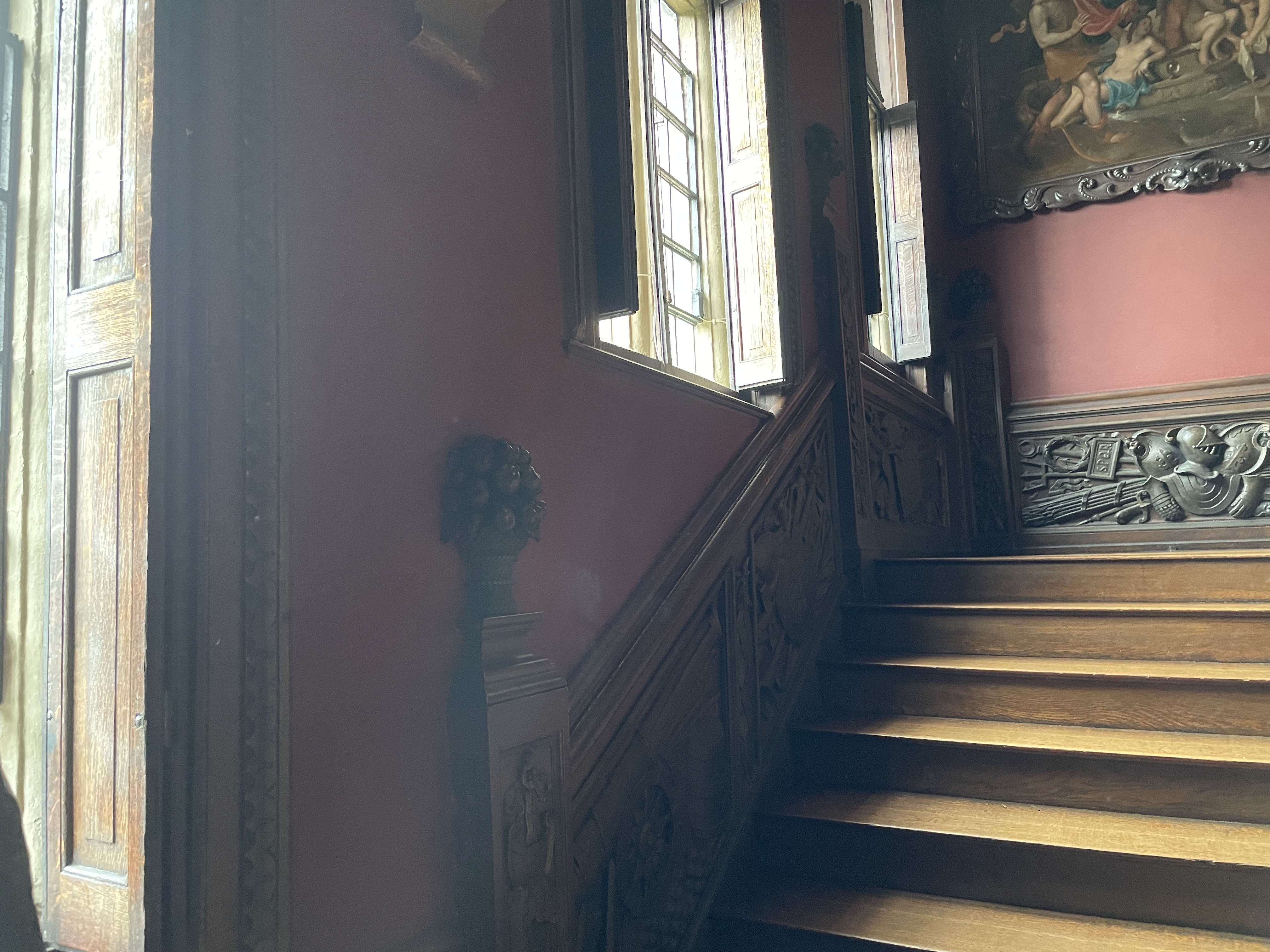
Ham House is a fantastic time capsule of pre English Civil War times. With the sort of decoration I expected to find inside Kew Palace, with plenty of gilding. It also made me smile when I saw the staircase was a wooden version of the one that had been painted onto the wall to save money in the behind the scenes spaces in Kew Palace.

The Ham House staircase
The remnant of the wall aspect of the staircase in kew Palace before it became a palace
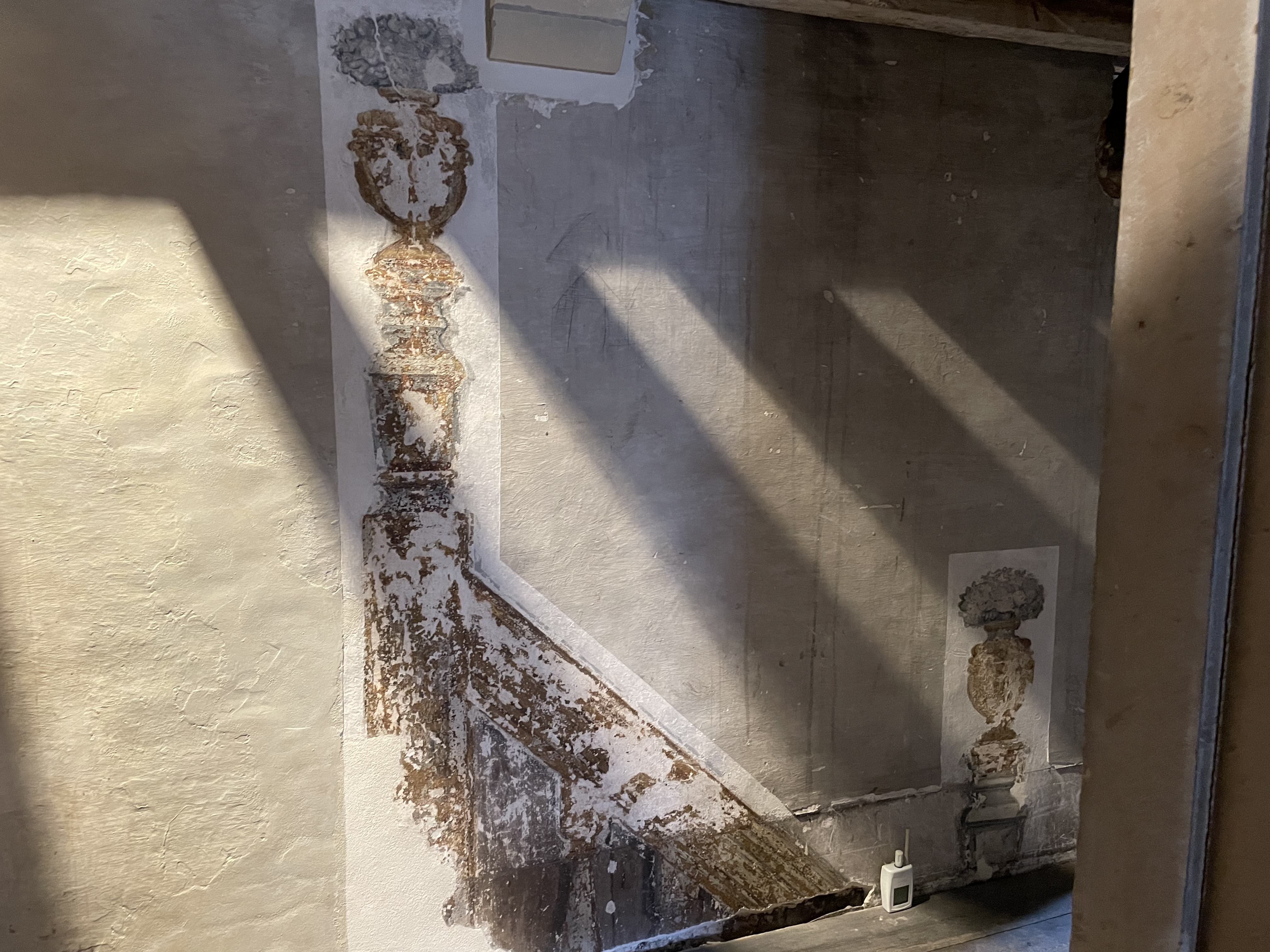
This makes me wonder if the silk merchant who owned Kew Palace before the Royal Family, had this painted decoration done to match his grander neighbours’ actual staircase.

What a fantastic gem of a house, though, and such a surprise settled in between Kew and Hampton Court. My mind was spinning with imaging how life flowed along that little stretch of the river Thames in the 15th-19th Centuries. So many stories in there… One day I’l write at least one story about this fascinating period. I did have one particularly good idea but I will keep that to myself. 😉

Fascinating Historic Graffiti at Fountains Abbey, Helmsley Castle and Sudeley Castle

People who have read my blogs for a while know I have two slightly eccentric passions for history. One’s old trees – definitely a bit of a mad obsession – and the other is graffiti.

Fountains Abbey Leisure Gardens

I think it’s my imagination which gets me going over these things because when I see trees I am thinking who walked past this, when, or leant against it or – I mean hundreds of people for hundreds of years could have had something happen in their lives near the tree and my head tries to get into their lives and picture what they were thinking, feeling and doing at the time. It’s very odd because of course it’s the same with houses, even more so, but my imagination is more intoxicated by trees and my other passion graffiti, than houses – odd I know.

The Tudor Mansion at Helmsley

But today anyway this little cheeky blog is on my other passion – for graffiti – I mean just think who was it who stood there and carved it out, what was going on in their lives, in their head? Were they laughing? Were they with a partner, or a friend, joking? Had they just had a tryst? Were they serious and thoughtful and seeking solitude? Angry? Contemplative? Afraid?

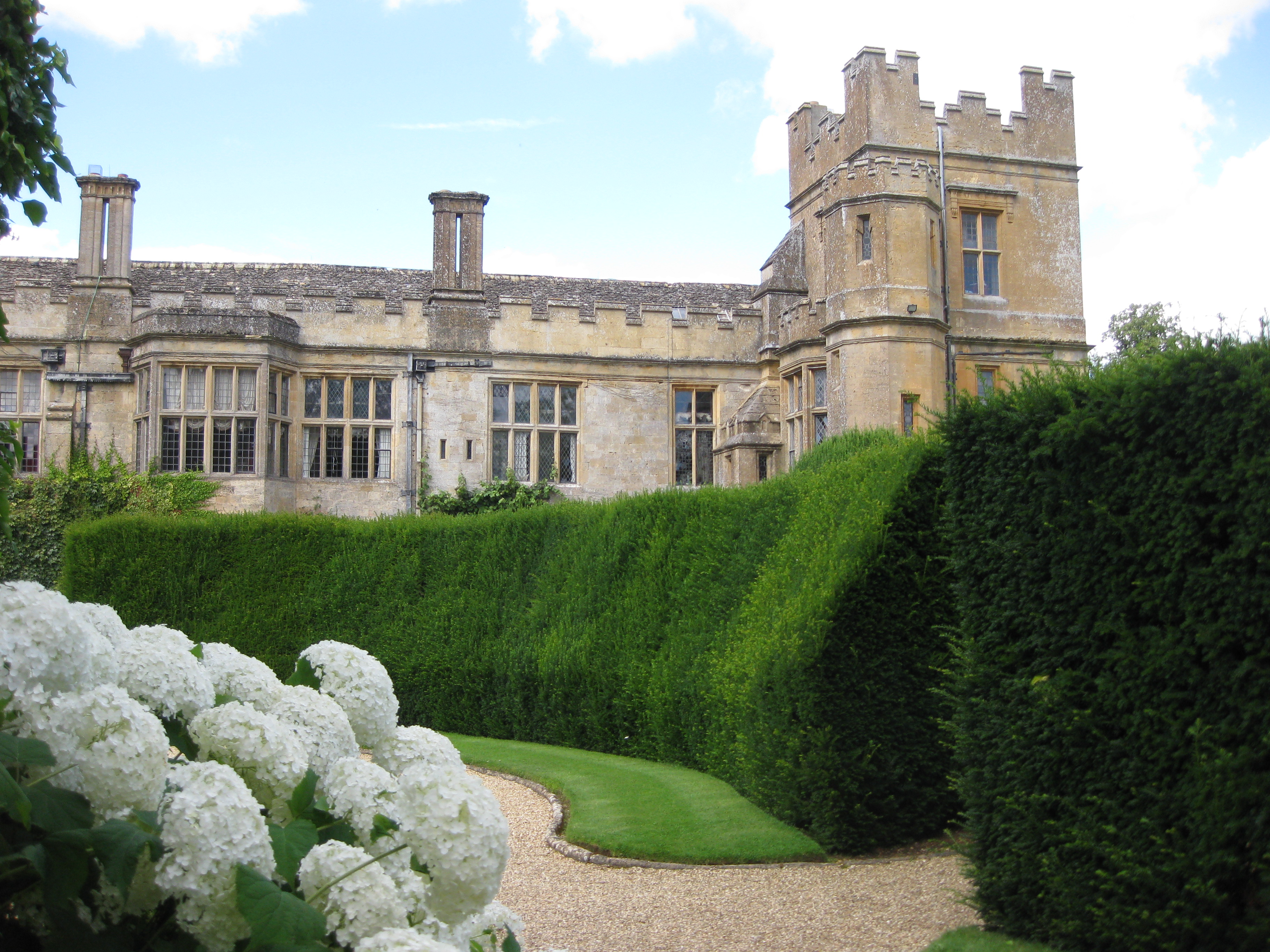
Sudeley Tudor Castle

I’ve said before the graffiti in The Tower of London is my favourite. Most of it dates from King Henry VIII or Queen Elizabeth I’s time when they would shut noblemen and women away for months in the tower rooms rather than in the dungeons. But I discovered loads more on holiday in Yorkshire this year (where some of the scene’s from my debut novel, Illicit Love are set)

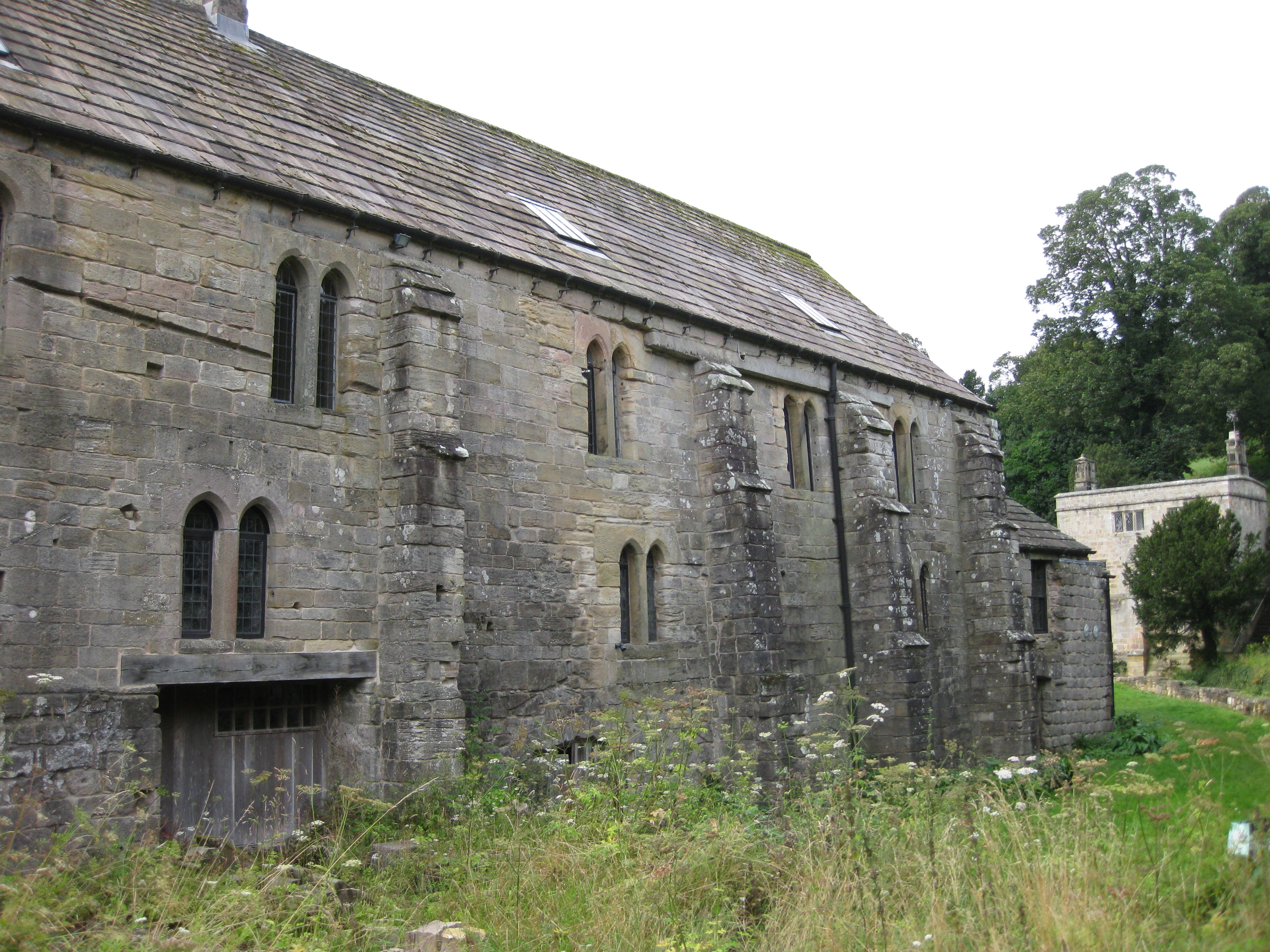
Fountains Abbey Medieval Mill

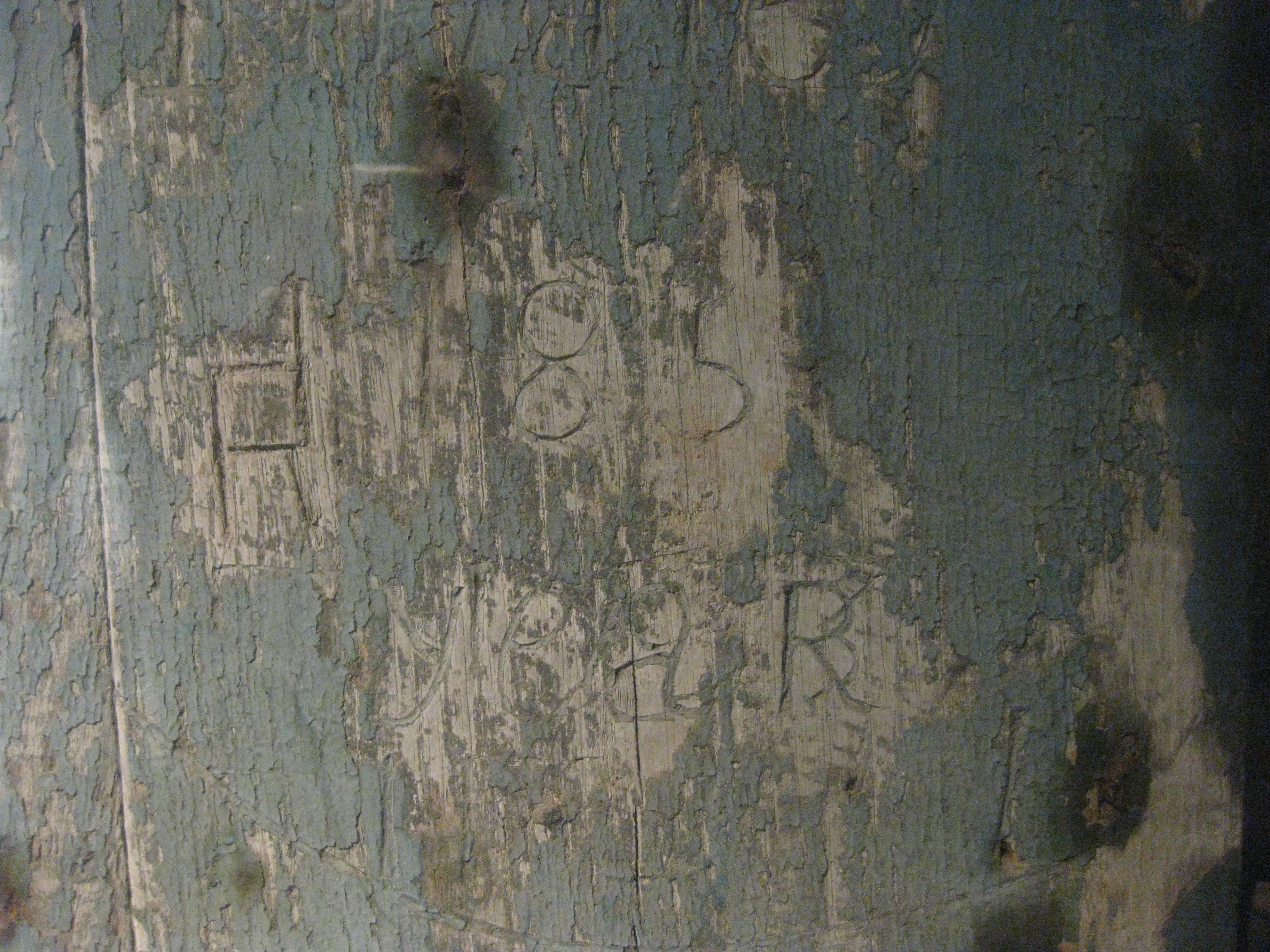
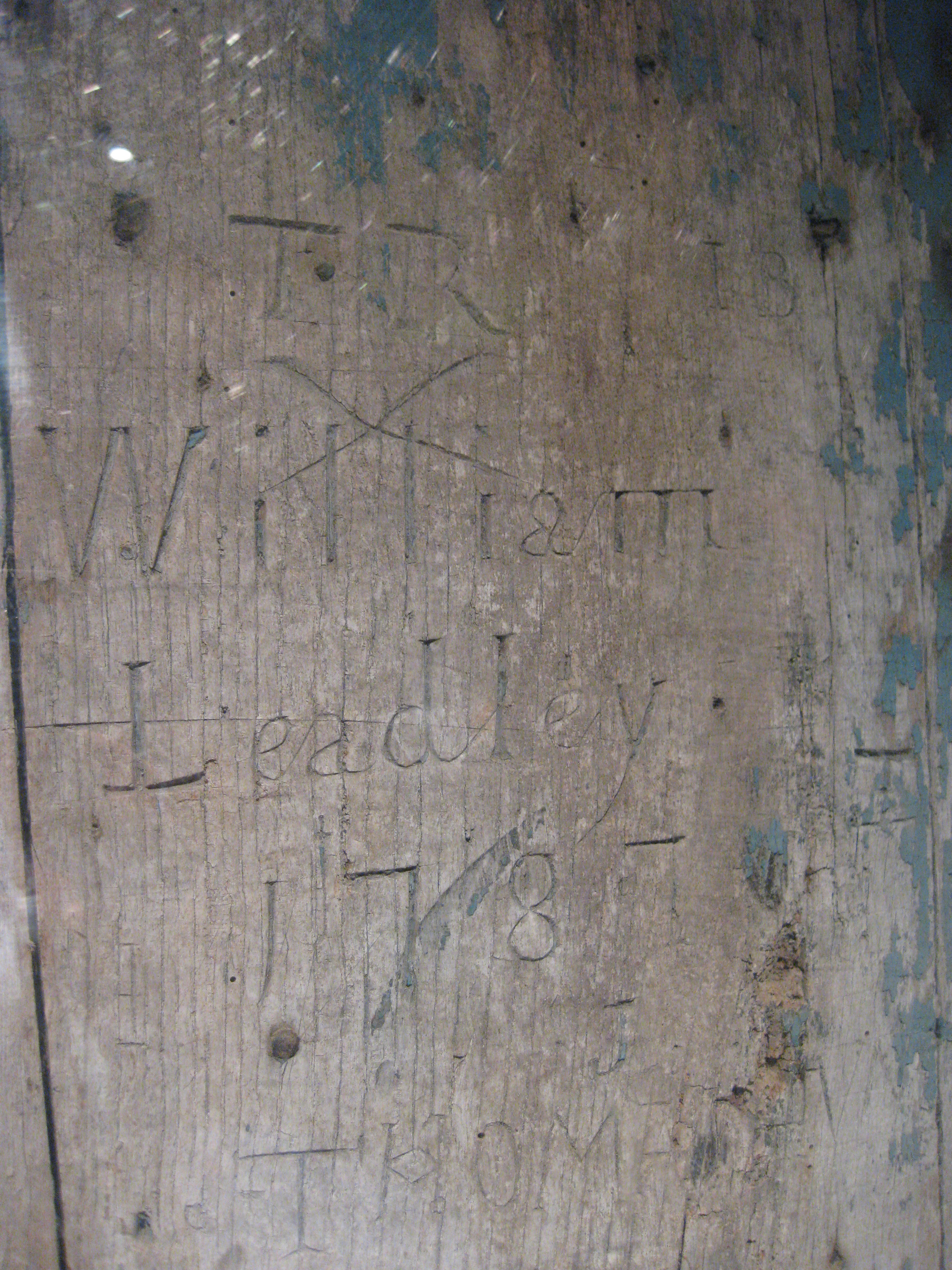
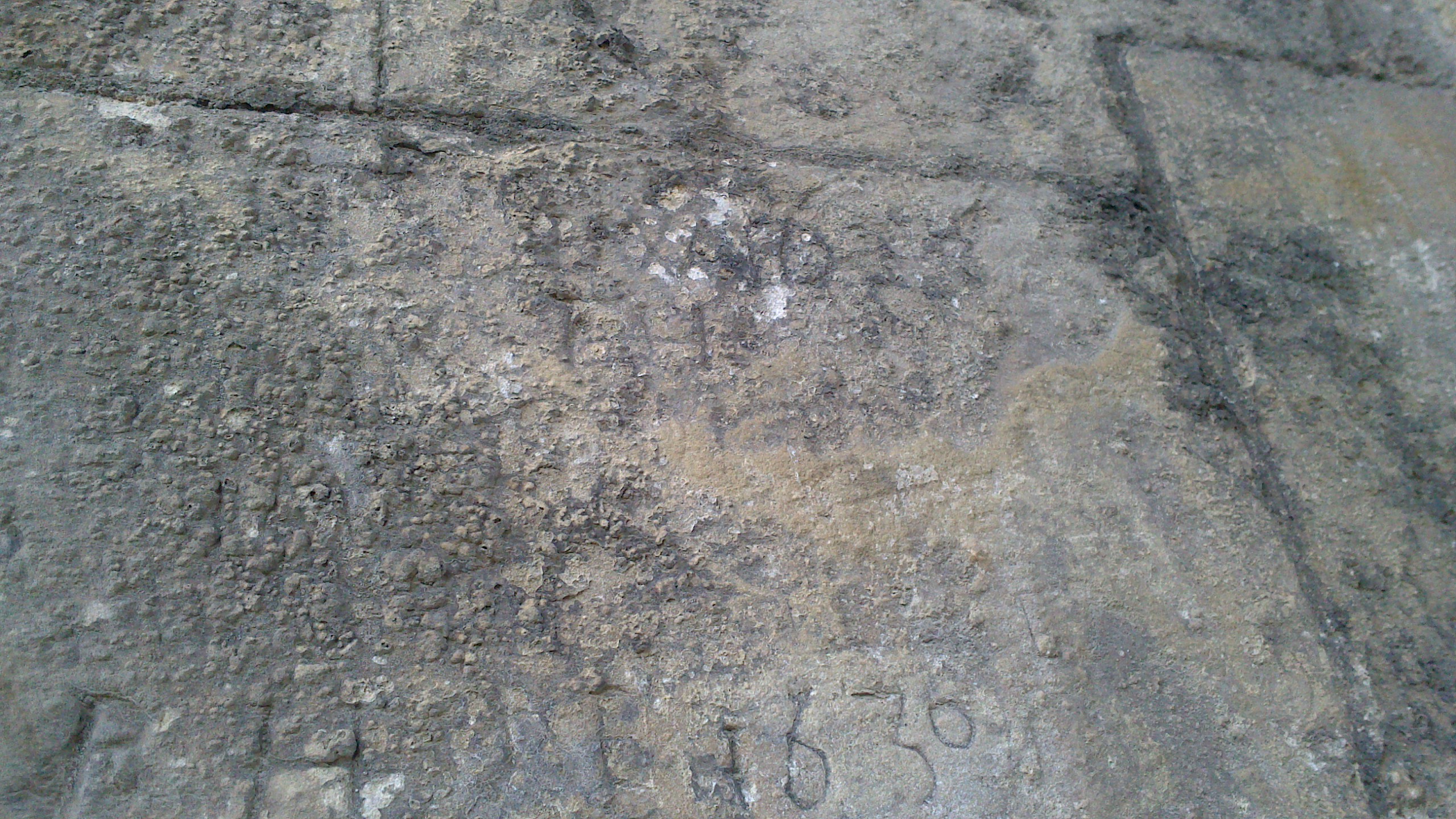
So first there was this which I discovered at Fountains Abbey in the medieval mill – although the graffiti dates to the 1700 and 1800s not medieval times. A lot of 18th and 19th century graffiti is by tourists as it was fashionable for the more wealthy middle classes and the senior classes to idle away a day by riding out and exploring ruins. But on this door in the mill which the National Trust have preserved, are carved names they believe were workers. The fabulous leisure gardens which did bring many visitors at the time are beyond a gate from here so it’s believed it was not tourists.

Fountains Abbey graffiti from the 1800s

Fountains Abbey graffiti from the 1700s

Fountains Abbey graffiti from the 1700s

There is also another area of graffiti in the mill on a window frame.

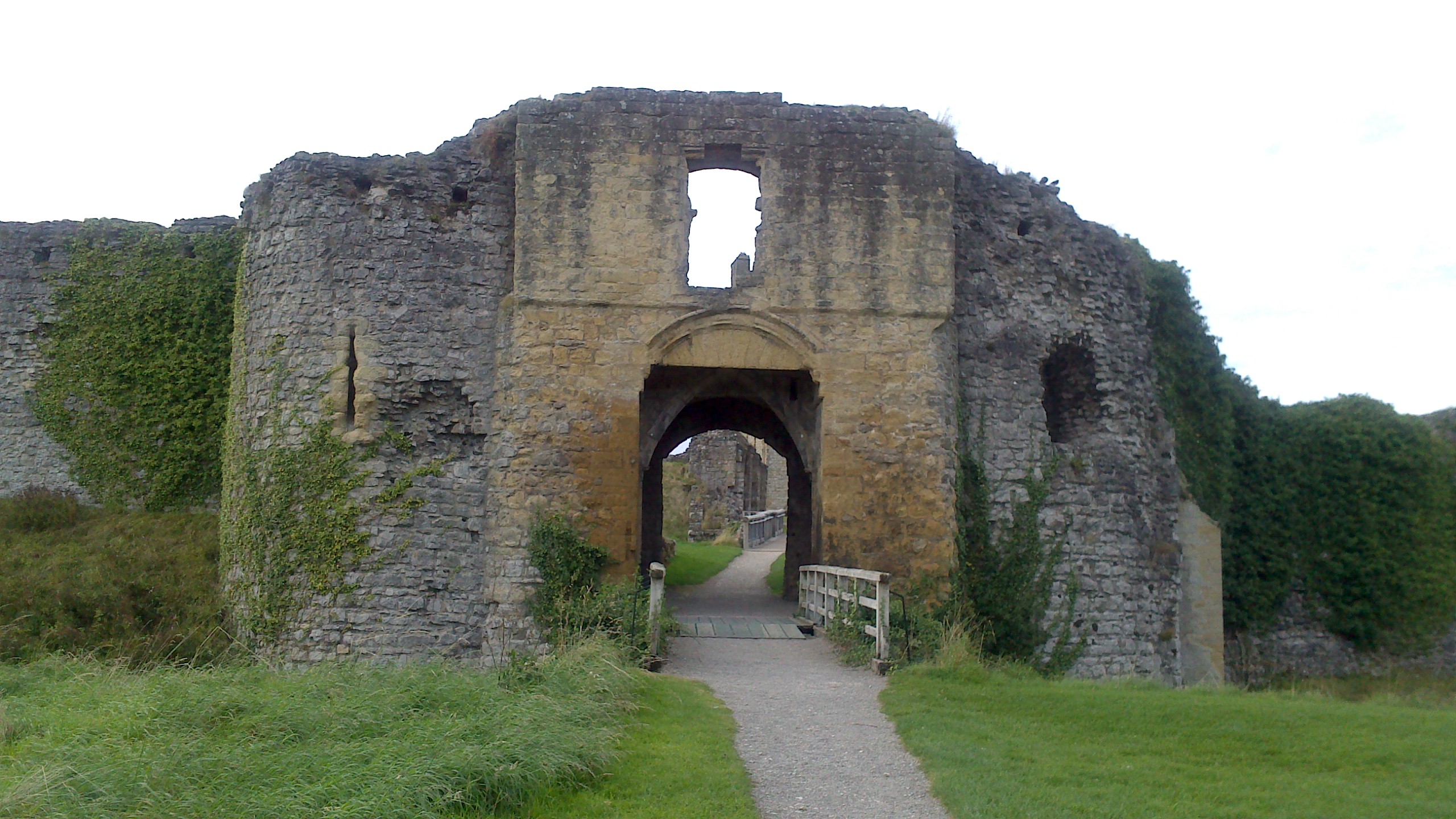
Helmsley Castle Gatehouse

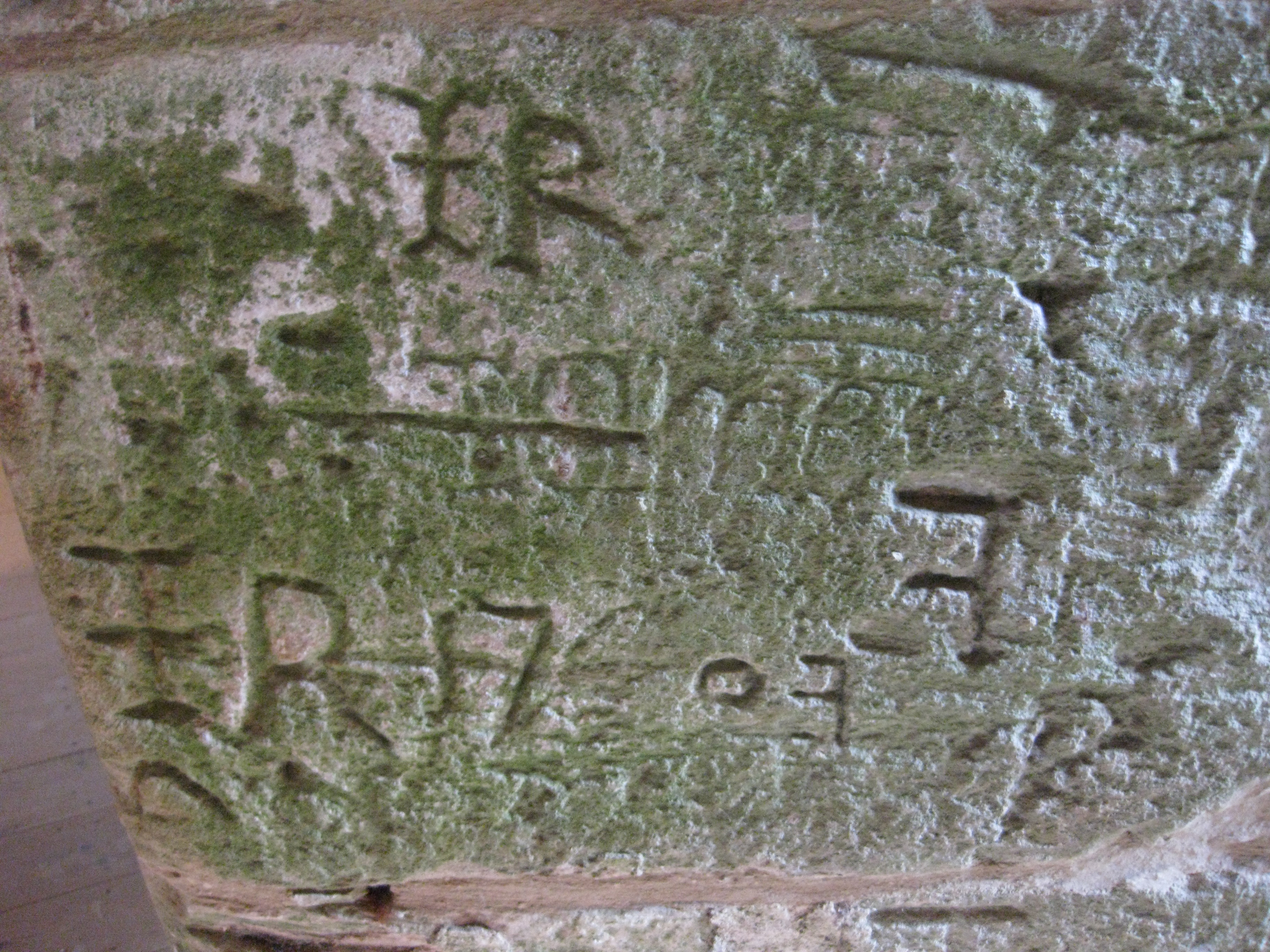
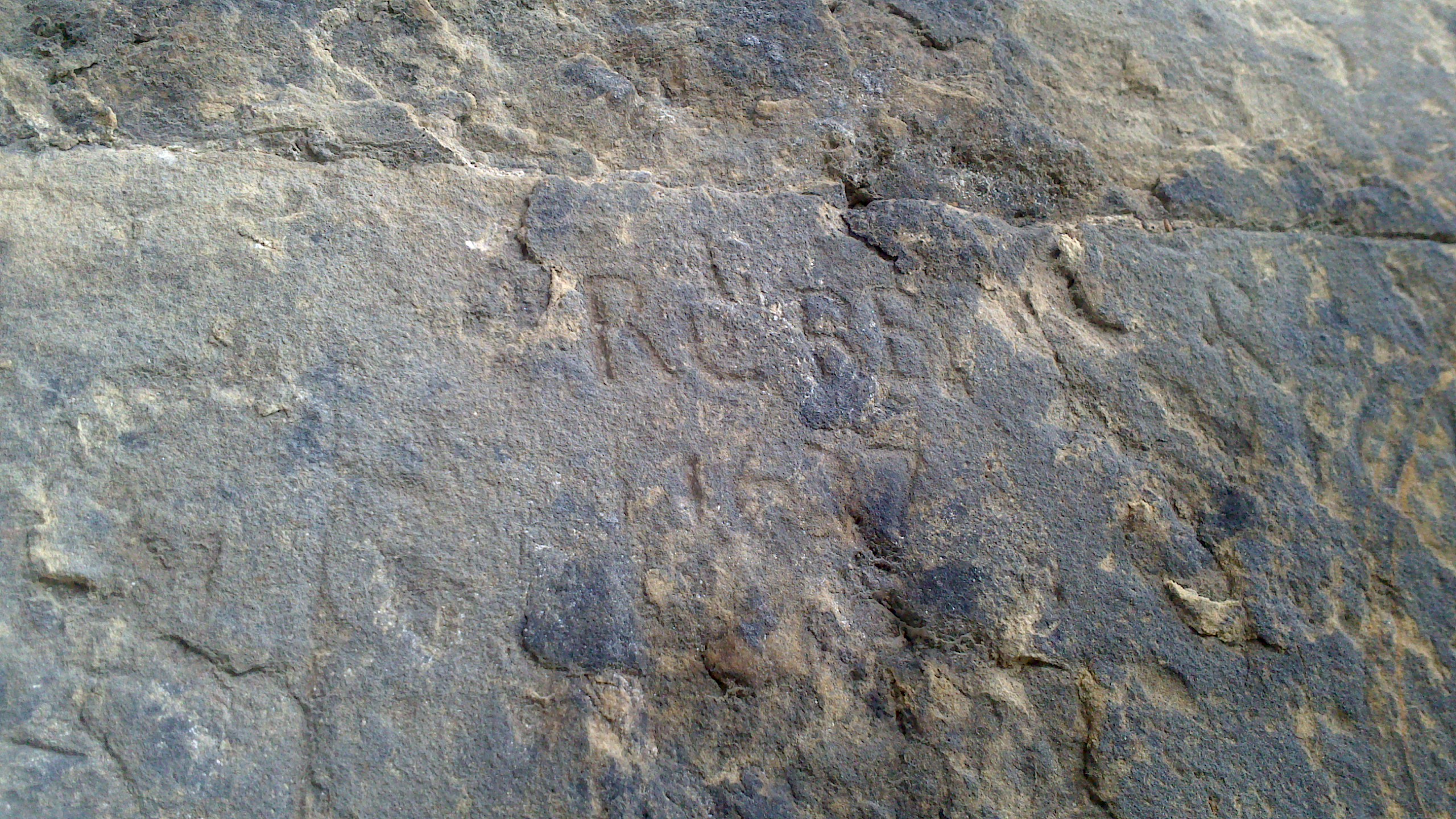
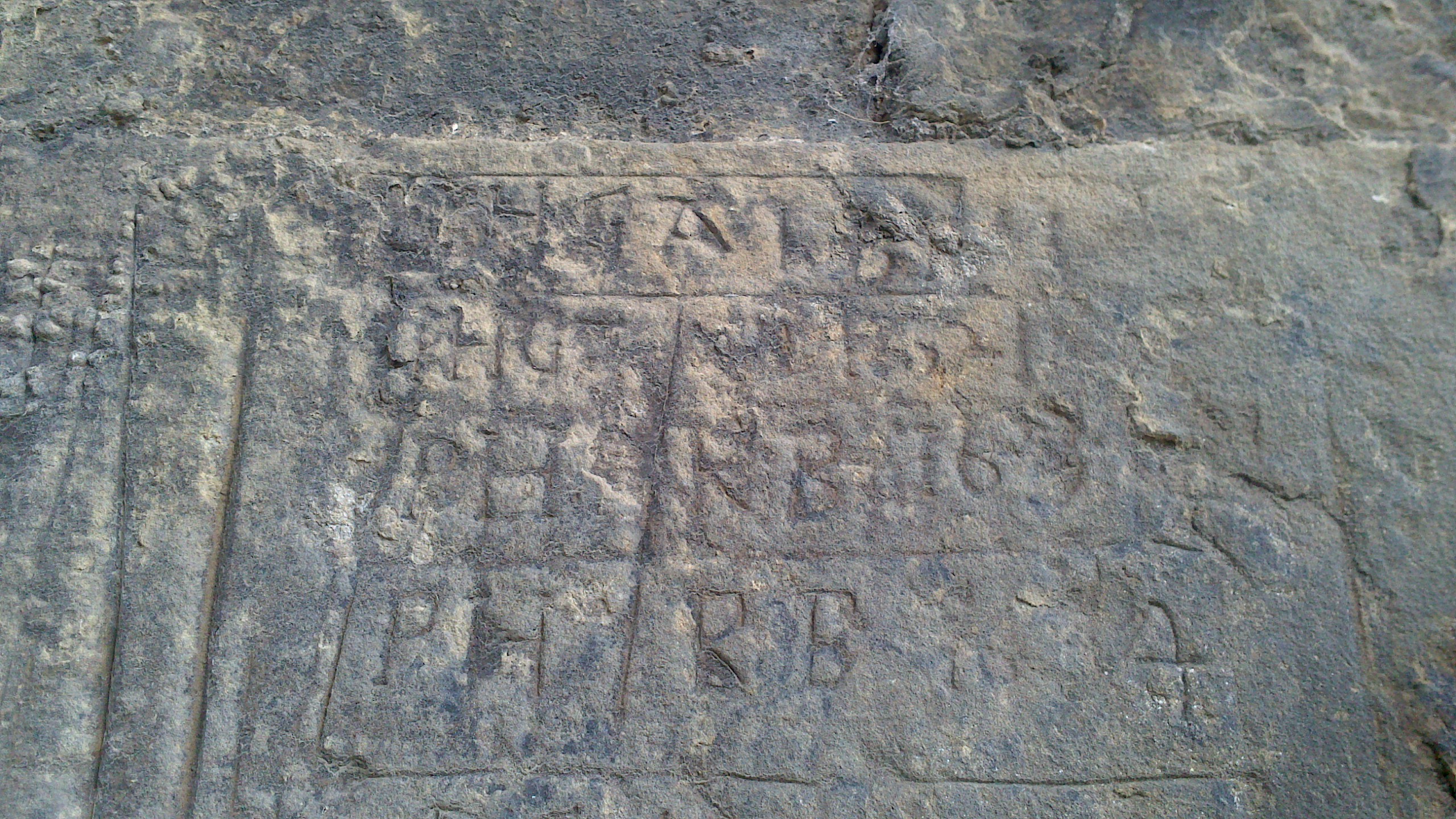
Then I found this even more exciting graffiti at Helmsley Castle. I love the town of Helmsley. The medieval castle, which was updated with a Tudor mansion in Queen Elizabeth I’s reign, is on the edge of the town it’s owned by English Heritage and like many castles is only a ruin thanks to the Civil War. In 1644 Helmsley Castle was besieged by 700 men on foot and 300 men on horseback and the siege lasted for 3 months. However at the end of the siege the Parliamentarian army let the 200 strong Royalist Garrison encamped at Helmsley leave peaceable through the gatehouse in a procession. They had been starved out and their defence of the castle had earned the respect of the Parliamentarians. So interesting then to see this graffiti dating to the 1600’s on the walls of the gatehouse.

Helmsley Castle graffiti from the 1600s

Helmsley Castle Graffiti from the 1600s

Helmsley Castle Graffiti from the 1600s

There are some 19th century tourist’s marks too. They were probably cut by friends of the family from Duncombe Park who owned the land Helmsley Castle was on then and who’d made the castle ruins a folly for them to view in the garden of their fashionable early 18th century mansion, or perhaps they were just people from the nearby town – some land owners allowed locals in their parks and one of the Duncombe family married a lower class woman he saw while out riding, having then spoken to her parents and sent her to school to learn how to be a lady.

Helmsley Castle graffiti from 1800s

Perhaps – perhaps – perhaps – it’s all imagination engendered by a few marks on a wall.

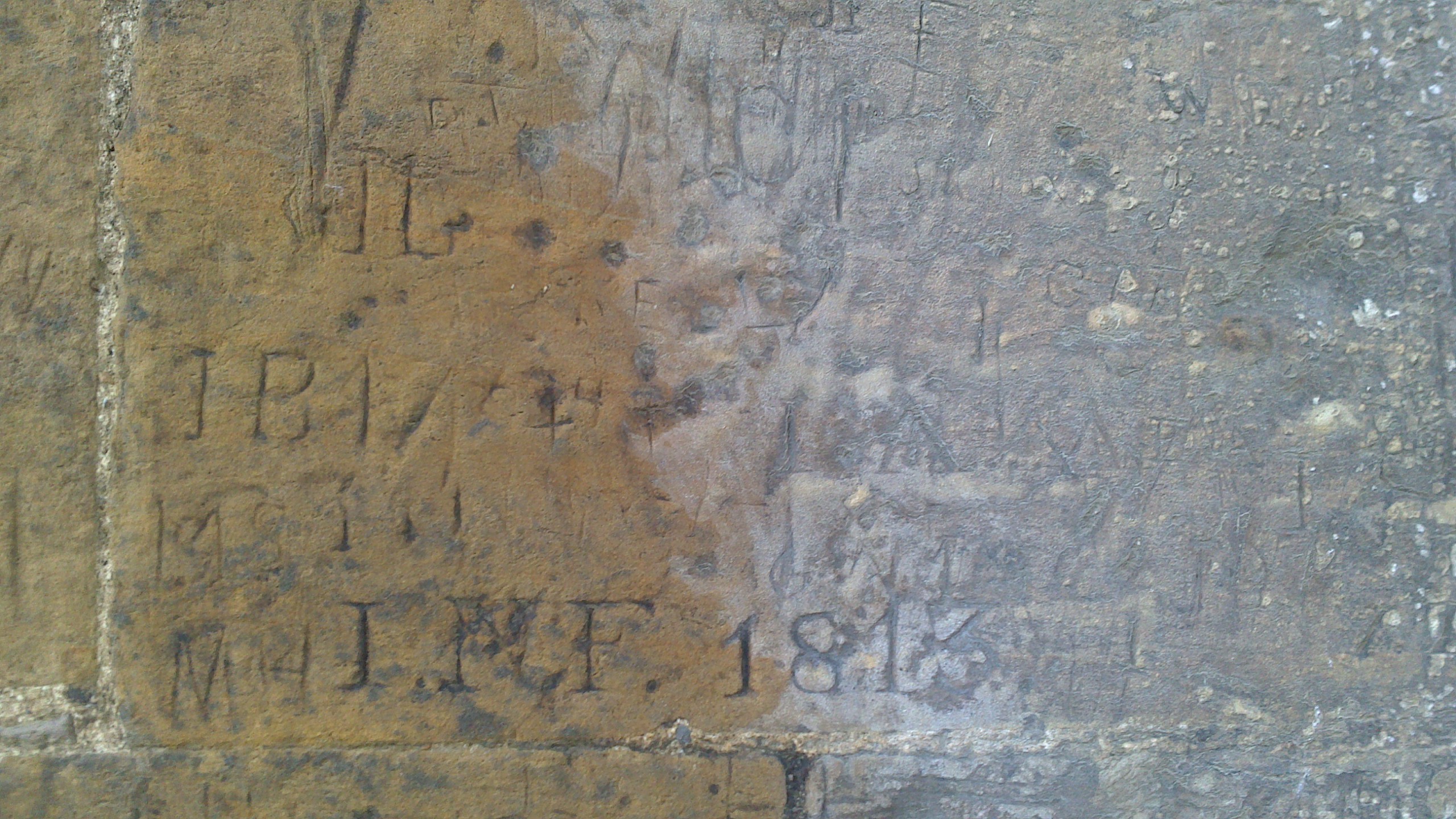
Oh and I might as well slip these in while I’m talking of graffiti – not from Yorkshire but from Sudeley Castle which was also ruined in the Civil War. Sudeley Castle was partly restored though and while half the castle is a ruin the other half is lived in. Actually Sudelely is another place I’ve drawn inspiration from for scenes in my debut novel – Mmm there’s a pattern forming here.

Sudeley Castle Graffiti from the 1800s

Sudeley Castle Graffiti from the 1800s

Sudeley Castle Graffiti from the 1700s

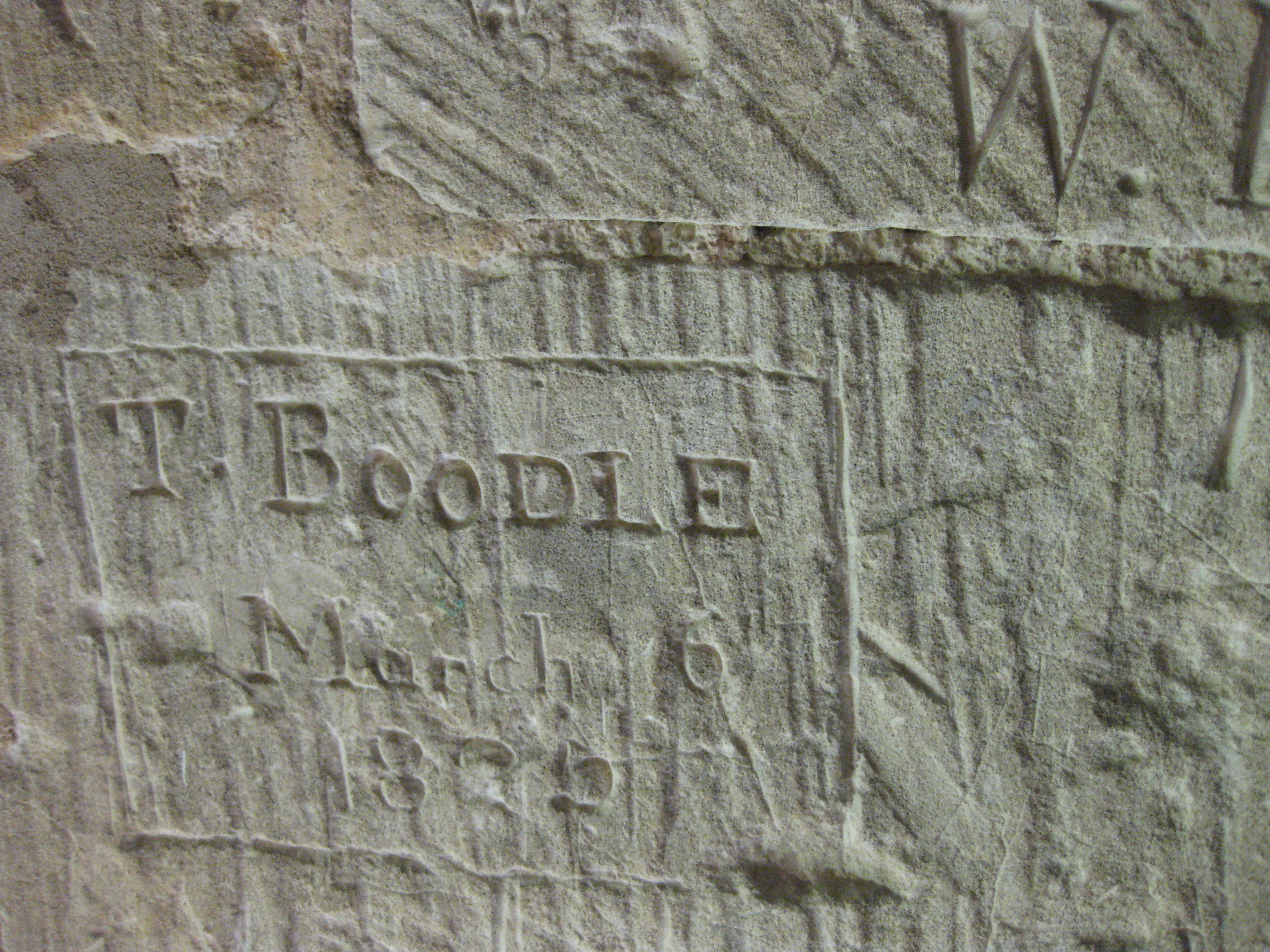
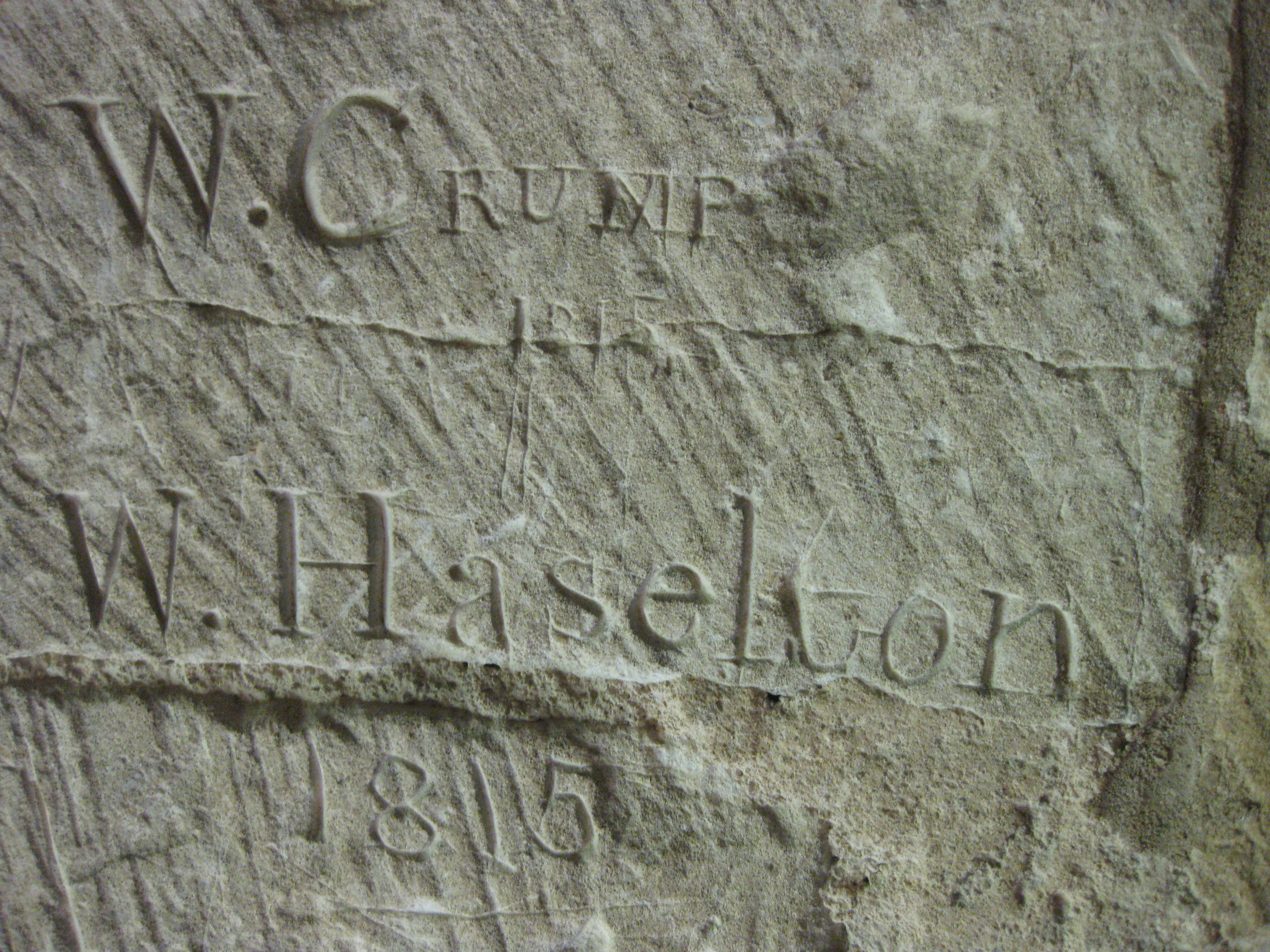
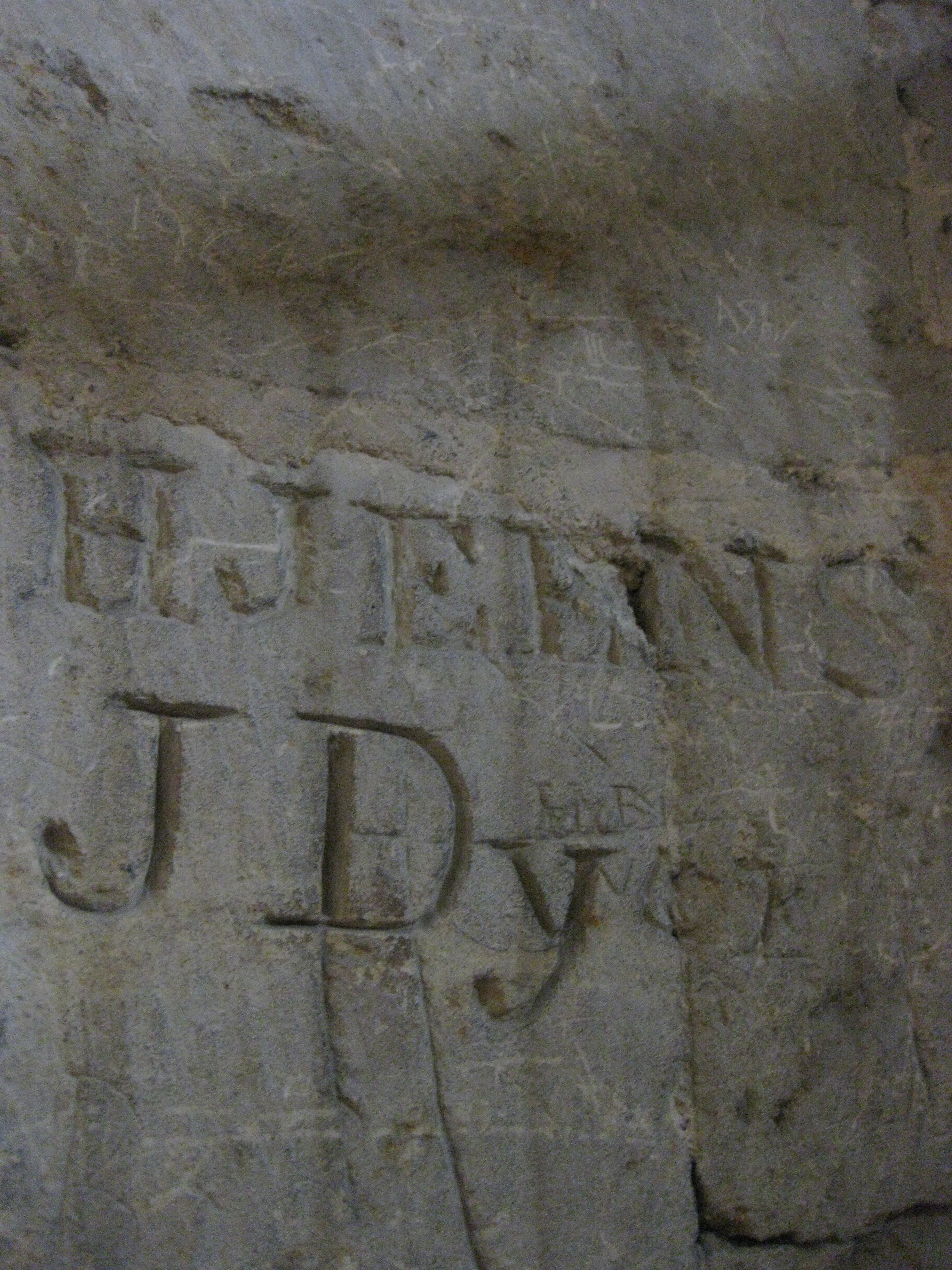
More Historic Graffiti from Sudeley Castle

More Historic Graffiti from Sudeley Castle

More Historic Graffiti from Sudeley Castle


Jane Lark is a writer of authentic, passionate and emotional love stories.

See the side bar for details of Jane’s books, and Jane’s website www.janelark.co.uk to learn more about Jane. Or click  ‘like’ on Jane’s Facebook  page to see photo’s and learn historical facts from the Georgian, Regency and Victorian eras, which Jane publishes there. You can also follow Jane on twitter at @janelark