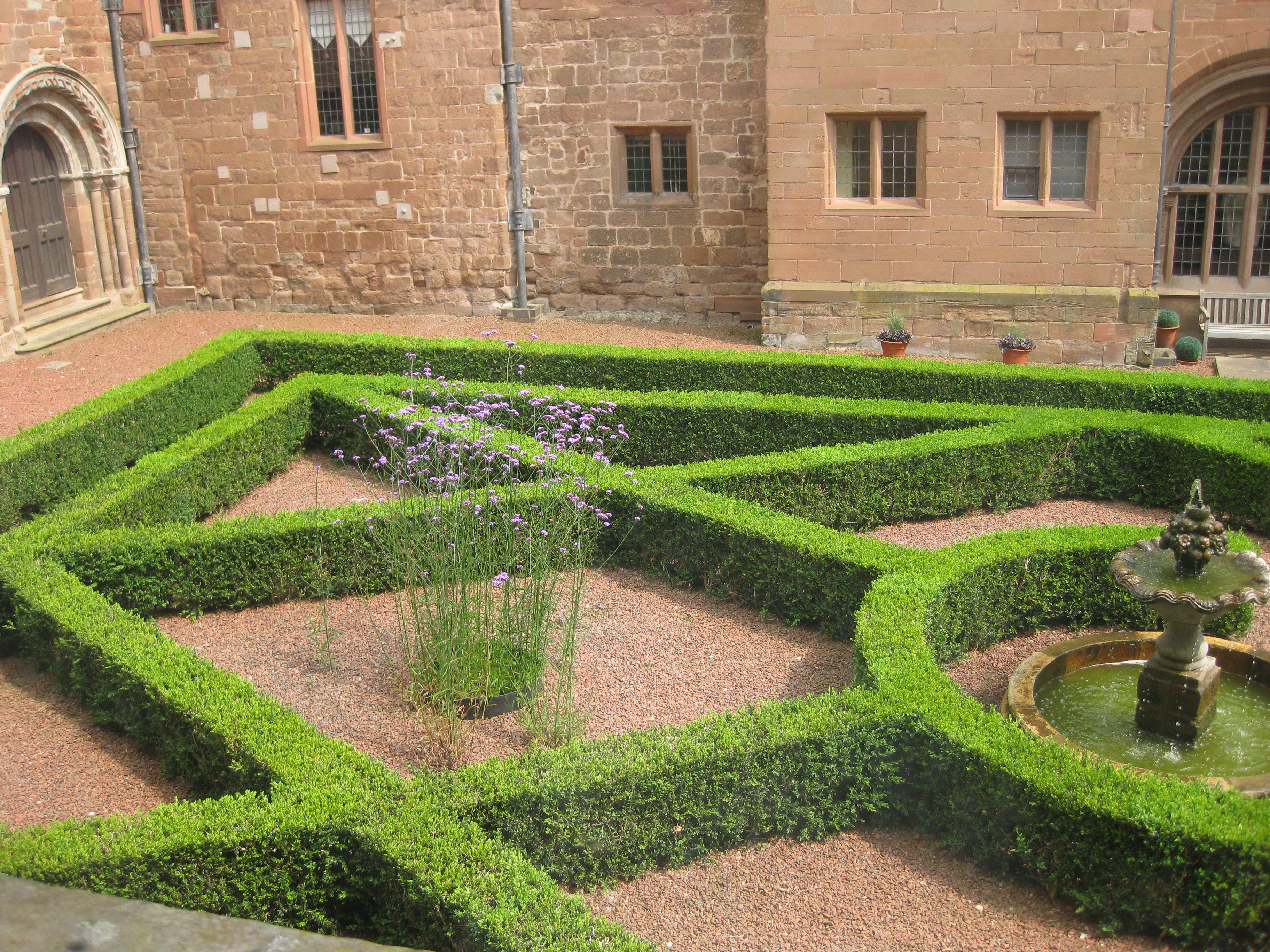
The Elizabethan Wing and Medieval Cellars
Today I will tell the story of Jane Austen’s family who lived at Stoneleigh Abbey for generations before her visit.
The family history is there on the walls in the Abbey along with portraits of Jane Austen’s family line. The first of Jane’s Austen’s relatives to own Stoneleigh and live there was Thomas Leigh.
Stoneleigh Abbey had been purchased by a wealthy merchant, Sir Rowland Hill, after the dissolution of the monasteries in 1561. Thomas was Rowland Hill’s overseas agent. Thomas had been sent to London to make his fortune and apprenticed to Rowland by his father. Thomas was very successful. In his career he was Master of the Mercers’ Company, elected alderman, sheriff and finally Lord Mayor of London in 1558.
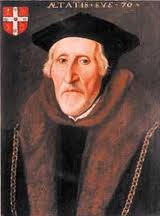
Sir Thomas Leigh – the first Leigh at Stoneleigh Abbey
Queen Mary died just days after Thomas Leigh was appointed Lord Mayor and so he had the honour of proceeding before Queen Elizabeth I in her coronation procession. Is it any wonder then that Jane Austen was so fiercely royalist. Thomas was then rewarded with a Knighthood.
Thomas was obviously shrewd and he married the niece of Sir Rowland Hill who owned Stoneleigh knowing she was her uncle’s appointed heir not only for Stoneleigh but for other estates too. However they made Stoneleigh their primary home and built a beautiful Elizabethan mansion from the ruins of the old Abbey. When Thomas and his wife Alice’s second son inherited he then added the Jacobean wing which had a horseshoe shaped staircase to the entrance and balcony which Jane Austen commented on in letters when she visited there in 1806. When she walked about Stoneleigh she would have been remembering that it was all built by her family’s ancestors. And the portraits of her great, great, great, great, great, grandparents in the hall would have awaited her.

Jacobean Entrance to Stoneleigh Abbey
Stoneleigh’s next revamp was undertaken by Lord Edward Leigh, who again married well, or rather married money. He inherited Stoneleigh in 1710 and then did the gentlemanly thing and went off for his grand tour. When he returned he had a desire to build his own Italian Palace. The Baroque West Wing. I am sure Jane’s mother most have spoken frequently of this grand family home which belonged to their relations. It must have been dream like for them to finally have the chance to see it and so unexpectedly too.

Stoneleigh Abbey West Wing
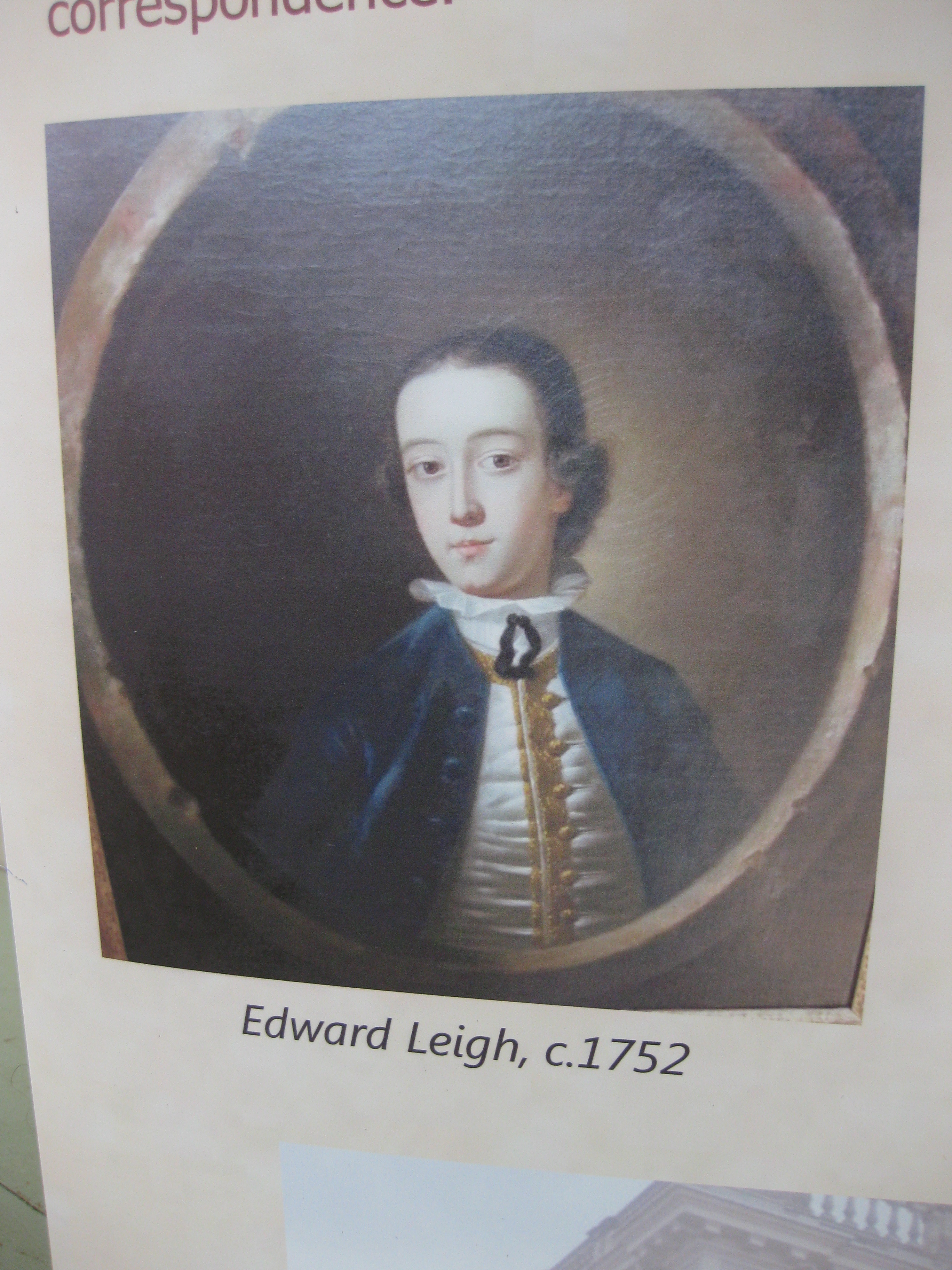
The next Lord Leigh inherited the property at the age of seven and he made his mark on Stoneleigh too decorating the walls and ceilings of Baroque West Wing with beautiful rococo plasterwork. Unfortunately the young Lord who lived at Stoneleigh with his sister turned quite mad. She must have despaired for him. For several years the records show fees paid to specialists in the Bedlam mental hospital and finally at the age of 32 he was declared insane by an Inquisition of Insanity. His uncle Lord Craven and his older sister Mary Leigh took over the management of Stoneleigh Abbey. Edward died in 1786 leaving the estate to his sister for the length of her life.

The Entrance Hall Stoneleigh Abbey
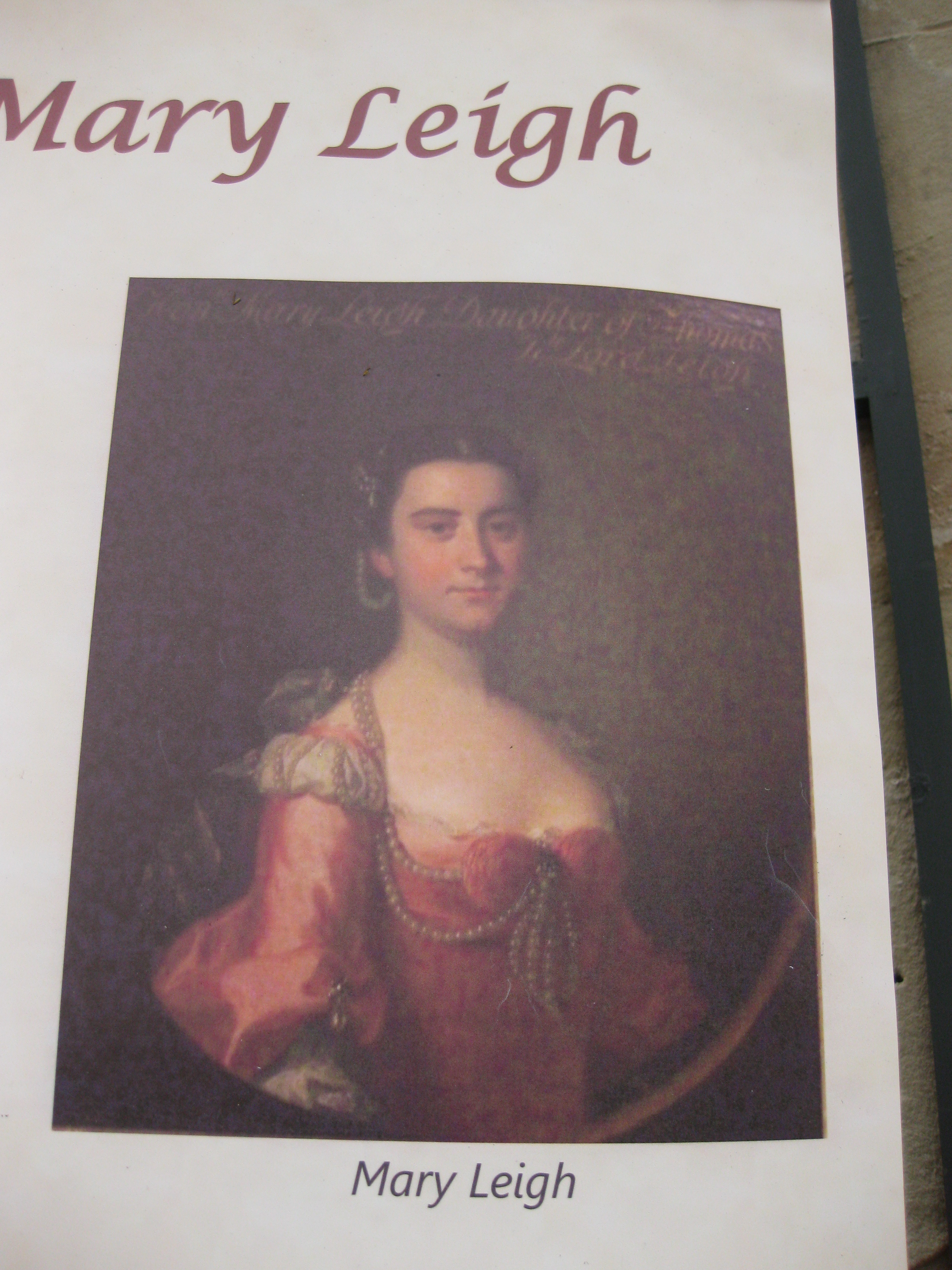 Mary never married but as her parents had died when she was just thirteen she’d grown up in London and she lived her life in the style of good ton as one of the wealthy landed elite of Britain. She attended the London seasons staying in Grove House in Kensington and spent her family’s fortune on dressing in the latest fashion and buying jewels. She did not only desire to keep herself in fashion either but her male servants too, who had four changes of livery and wore a claret or scarlet coat with lace trim.
Receipts from her accounts show that she spent money on music lessons, sheet music and she played cards and attended the races, the Opera and one of the fashionable pleasure gardens, Ranelagh. They also imply she entertained others at ‘at homes’ when she invited friends to tea and to gossip. In the fashionable day these were only brief social visits. However although she remained single she cannot have kept friends at a distance nor lived very much alone, her records show she frequently travelled with others and held house parties. In her will she left many gifts to those who were popular in high-society at the time – she also remembered her own family. Mary bequeathed ‘brilliant rings’ and small bequests to Cassandra (Jane Austen’s mother not her sister) and her two daughters.
Jane Lark is a writer of authentic, passionate and emotional love stories.
See the side bar for details of Jane’s books, and Jane’s website www.janelark.co.uk to learn more about Jane. Or click ‘like’ on Jane’s Facebook page to see photo’s and learn historical facts from the Georgian, Regency and Victorian eras, which Jane publishes there. You can also follow Jane on twitter at @janelark


 Author, Jane Lark's stories